
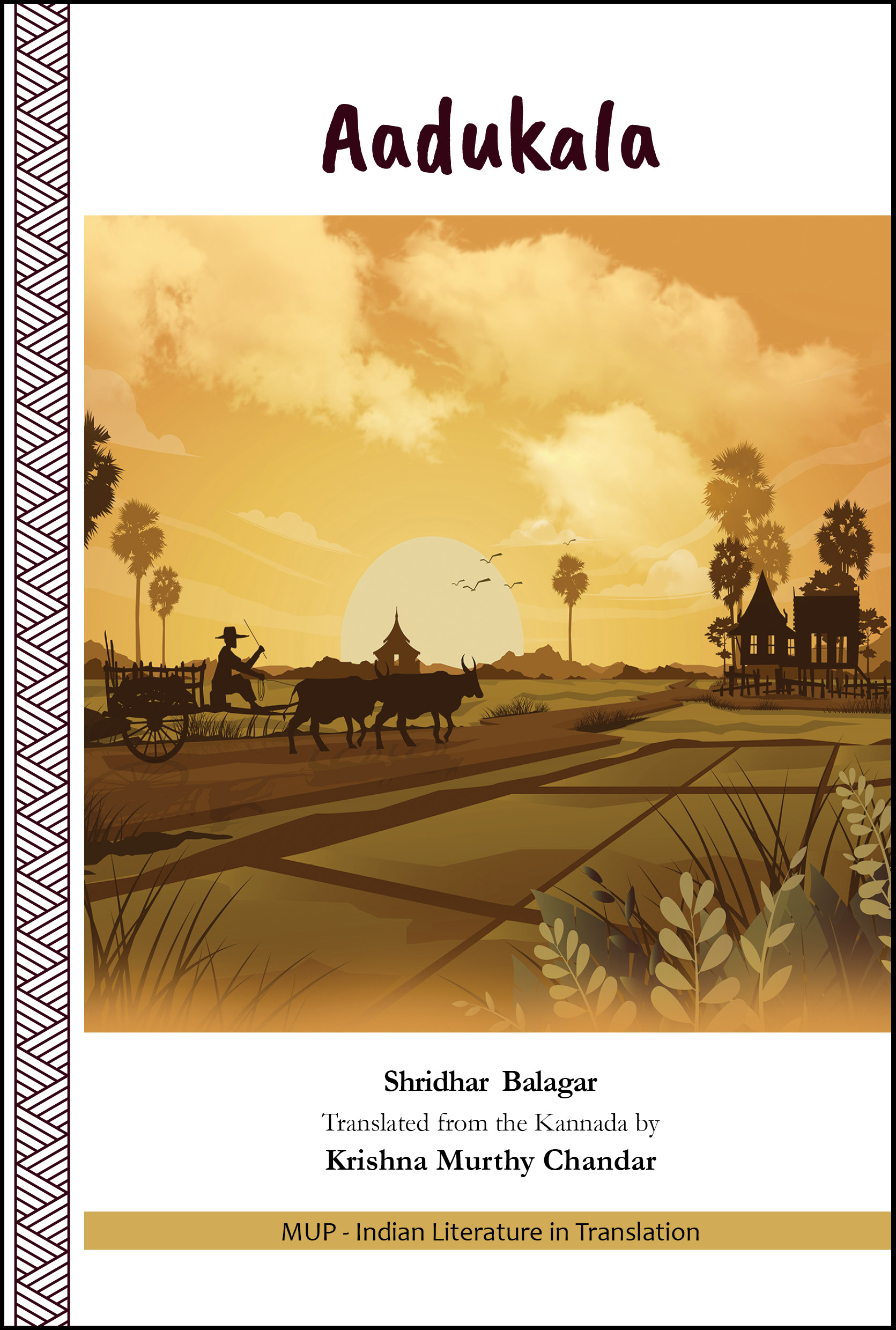
Aadukala
₹300.00
Author: Shridhar Balagar Translator: Krishna Murthy Chandar
Aadukala is an exceptional work that documents tribulations, tragedies, and the movement of history in a small town. It gives expression, at the experiential level, to the fundamental truth that the differences in the living patterns of larger cities and smaller provincial places may exist in political and economic terms rather than in human consciousness.
This novel gradually unfolds the conflicts between brothers and cousins over ownership of land, showing how such conflicts can destroy the human spirit. It is a narrative of the mechanizations of individuals that result in tragedy. The novel enables readers to experience the subtle narrative and technique of the moving world, layer by layer, without any emotional intensity or a leisurely pace, almost like the ‘alap’ in the enunciation of a Raga in classical music.
Aadukala records, with tremendous intensity, the fact that not merely the daily routine events but also those considered exceptional or otherworldly are illusions created by human emotions and consciousness.
Interested readers may write to us at mup@manipal.edu about purchasing the book.
Also available on |
| Author | |
|---|---|
| Format |
Related products
-
Bamonn: Story of a Konkani Roman Catholic
₹255.00Author: Na D’Souza Translator: S M Pejathaya
Konkani Roman Catholic Christians were converted from other groups by Goan Missionaries long back, keeping the caste system tradition to a large extent in layers such as the Bamonn, the Charodi, the Gawdi, the Nendar, the Shudra, etc. At the time of marriages and other social gatherings they continue to consider caste system norms and customs in the community. Caste system in Indian Christians is vividly described in the novel Bamonn. Christopher Pai of Kalyanpura hails from a Bamonn family and takes great pride in his ancestry. He believes in the stories about his Konkani Roman Catholic ancestors from his elders and about their being true Christians, holding on to their faith despite tremendous pressure to convert to Islam during Tipu Sultan’s regime. He also believes Bamonns are superior to other Christians in the community. After retiring from his job of a Headmaster, he refuels his obsession to retrace his roots and find out the truth about his ancestors. In his journey of self-assurance and faith, will he succeed in his mission to convince his family, his children and the community at large of his glorious ancestry and in still pride in the next generation? . . .
Interested readers may write to us at mup@manipal.edu about purchasing the book.
Also available on
-
Nala Charitre: The Legend of Nala(A Short Epic)
₹295.00This book presents the mythological narrative of Nala-Damayanti as an epic poem in English. Among the luminaries of sixteenth century Bhakti tradition, Kanakadasa’s literary and musical compositions (kirtanes) are imbued with philosophical meanings, which show immense formative influence on the cultural and literary scene of Karnataka. Also, Kanakadasa’s literary works such as Mohana Tarangini, Haribhaktisara, and the eminent allegorical masterpiece Ramadhanya Charitre incorporate metaphors taken from everyday life, which fascinate the commoners and offers them respite from mundane life-struggles. While such metaphorical expressions represent a remarkable trend in Bhakti poetry, in Kanakadasa?s depiction of Nala and Damayanti’s misfortunes, the toilsome life of common men and women stares forth. Hauled out of their palatial leisurely living, a curious turn of events compels them to survive amidst endless suffering. On one hand Nala Charitre is a poignant story of love, and on the other, it thematizes human existence, humandivine relationship and simplifies poetry to reach the audience beyond the limited circle of literates. As the Bhakti Literature assimilates the vernacular into devotional poetry, Kanakadasa?s epic poem interweaves mythological themes from Mahabharata with struggles of medieval Indian society, thus overcoming the binaries of human and divine.
-

U-Turn
₹180.00Author: Anand Mhasvekar, Translator: Neeta Inamdar
ಮರಾಠಿ ನಾಟಕ. ಯು-ಟರ್ನ್ ಮಹಾರಾಷ್ಟ್ರ ಮತ್ತು ಅದರಾಚೆಗೆ 585 ಕ್ಕೂ ಹೆಚ್ಚು ಪ್ರದರ್ಶನಗಳೊಂದಿಗೆ ಲಕ್ಷಾಂತರ ಹೃದಯಗಳನ್ನು ಗೆದ್ದಿದೆ. ಗುಜರಾತಿಯಲ್ಲಿ ಇದರ ಅನುವಾದವು 115 ಕ್ಕೂ ಹೆಚ್ಚು ಪ್ರದರ್ಶನಗಳನ್ನು ಕಂಡಿದೆ ಮತ್ತು ಹಿಂದಿಯಲ್ಲಿ 50 ಕ್ಕೂ ಹೆಚ್ಚು ಪ್ರದರ್ಶನಗಳನ್ನು ಕಂಡಿದೆ. ಈ ಯಶಸ್ಸು ಶ್ರೀಮತಿ ಸವಿತಾ ಶಾಸ್ತ್ರಿಯವರ ಬೆಂಬಲದೊಂದಿಗೆ ಕನ್ನಡದಲ್ಲಿ ಈ ಕೃತಿಯನ್ನು ಅನುವಾದಿಸಲು ಪ್ರೊ.ನೀತಾ ಇನಾಮದಾರ್ ಅವರನ್ನು ಪ್ರೋತ್ಸಾಹಿಸಿತು. ನಾಟಕವು ಉದ್ದಕ್ಕೂ ಕೇವಲ ಎರಡು ಪಾತ್ರಗಳನ್ನು ಹೊಂದಿದೆ ಮತ್ತು ಇಡೀ ಅವಧಿಗೆ ವೇದಿಕೆಯ ಮೇಲಿರುವ ಇಬ್ಬರನ್ನು ಹೊರತುಪಡಿಸಿ ಒಂದೆರಡು ಧ್ವನಿಗಳನ್ನು ಹೊಂದಿದೆ. ನಾಟಕದ ಕೇಂದ್ರ ಕಲ್ಪನೆಯು ಆಧುನಿಕತೆಯನ್ನು ಒಪ್ಪಿಕೊಳ್ಳುವಲ್ಲಿನ ವ್ಯತ್ಯಾಸಗಳು ಮತ್ತು ಎರಡು ವಿಭಿನ್ನ ತಲೆಮಾರುಗಳಲ್ಲಿ ಇದಕ್ಕೆ ಸಂಬಂಧಿಸಿದ ಸಂಘರ್ಷಗಳು. ವಿಚ್ಛೇದಿತ ಸೇನೆಯ ಮೇಜರ್ ಮತ್ತು 50 ರ ದಶಕದ ಅಂತ್ಯದಲ್ಲಿರುವ ವಿಧವೆಯ ನಡುವಿನ ಒಡನಾಟವನ್ನು ಅವರ ಮಕ್ಕಳು ವಿರೋಧಿಸುತ್ತಾರೆ ಮತ್ತು ಅವರು ತಮ್ಮನ್ನು ತಾವು ಆಧುನಿಕತೆಯನ್ನು ಅಳವಡಿಸಿಕೊಂಡರೂ ವಿಭಿನ್ನ ರೀತಿಯಲ್ಲಿ ವ್ಯಕ್ತಪಡಿಸುತ್ತಾರೆ. ನೀತಾ ಇನಾಮದಾರ್ ಅವರು ಮಣಿಪಾಲ್ ವಿಶ್ವವಿದ್ಯಾನಿಲಯದಲ್ಲಿ (MU) ಯುರೋಪಿಯನ್ ಅಧ್ಯಯನ ವಿಭಾಗದ (DES) ಮುಖ್ಯಸ್ಥರಾಗಿದ್ದಾರೆ ಮತ್ತು ಮಣಿಪಾಲ್ ಯೂನಿವರ್ಸಲ್ ಪ್ರೆಸ್ ನ (MUP) ಮುಖ್ಯ ಸಂಪಾದಕರಾಗಿದ್ದಾರೆ. ಸಂಗೀತ ಮತ್ತು ರಂಗಭೂಮಿ ಅವರ ಆಸಕ್ತಿಗಳಾಗಿದ್ದು, ಶ್ರೀಮತಿ ಸವಿತಾ ಶಾಸ್ತ್ರಿ ಅವರ ನೆರವಿನೊಂದಿಗೆ ಈ ಕೆಲಸವನ್ನು ಕೈಗೊಳ್ಳುವಂತೆ ಮಾಡಿತು. ಸವಿತಾ ಶಾಸ್ತ್ರಿ ಅವರು ಮಣಿಪಾಲದ ಮಹಿಳಾ ಉದ್ಯಮಿಯಾಗಿದ್ದು, ಅವರು ಬಾಬಾ ಆಮ್ಟೆ ಅವರ ಆನಂದವನಕ್ಕೆ ಧನಸಹಾಯವನ್ನೂ ಮಾಡುತ್ತಾರೆ. ಅವರು ಮರಾಠಿ, ಹಿಂದಿ ಮತ್ತು ಇಂಗ್ಲಿಷ್ನಲ್ಲಿ ಪುಸ್ತಕಗಳು ಮತ್ತು ನಾಟಕಗಳ ಓದುಗರಾಗಿದ್ದಾರೆ, ಅವರು ಈ ಅನುವಾದ ಯೋಜನೆಗೆ ತಮ್ಮ ಬೆಂಬಲವನ್ನು ನೀಡಿದರು.
Interested readers may write to us at mup@manipal.edu about purchasing the book.
Also available on
-
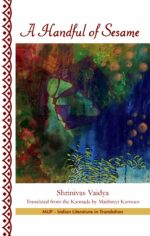
A Handful of Sesame
₹310.00Author: Srinivas B Vaidya, Translator: Maithreyi Karnoor
With a captivating start, A Handful of Sesame plunges us into the heart of the dying years of the 1857 mutiny. But the mutiny is largely a backdrop to the novel. When Kamalanabh of Kashi is manipulated by an impoverished Brahmin of Navalgund into marrying his daughter, the novel becomes basically the story of an internal migration. This is rare, and it remains one of the strengths of the novel. We are so used to speaking of migration across the postcolonial bridge and accredited national borders that we forget that India is a country of endless internal migrations – in the past and the present.
Interested readers may write to us at mup@manipal.edu about purchasing the book.
Also available on
-
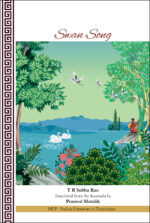
Swan Song
₹320.00Author: T R Subba Rao| Translator: Pramod Mutalik
Swan Song is the poignant tale of Venkatasubbiah, a legendary musician from 18th century Chitradurga. Written by renowned Kannada author Late Shri T R Subba Rao (TaRaSu) and translated into English by Prof Pramod Mutalik, the novel explores the extraordinary journey of an artist whose unwavering dedication to his craft defines his life.
The author weaves together perspectives from people of varied backgrounds to reconstruct Venkatasubbiah’s story, revealing his innate musical genius and determination. It narrates the tale of a musician’s steadfast devotion to art against all odds.
The narrative takes a dramatic turn when Venkatasubbiah defies Tippu Sultan’s order to perform in his palace. To protect the dignity of his art, he sacrifices his ability to sing by cutting off his tongue. Undeterred, he continues to produce swaras through his nose, earning him the metaphorical title of the swan. His life ends while performing, leaving an unforgettable legacy of self-respect and artistic integrity.
Interested readers may write to us at mup@manipal.edu about purchasing the book.Also available on
-
Madhavi Kathana Kavya
₹195.00Author: ONV Kurup Translator: Parvathi G Aithal
ವ್ಯಾಸ ಮಹಾಭಾರತದ ಉದ್ಯೋಗ ಪರ್ವದಲ್ಲಿ ಬರುವ ಒಂದು ಉಪಾಖ್ಯಾನವನ್ನಾಧರಿಸಿ ಬರೆದ ಒಂದು ಕಾವ್ಯವಿದು. ಮೂಲಕಥೆಯಲ್ಲಿ ಮಾಧವಿಯ ಶೋಷಣೆ ಎದ್ದು ಕಾಣುವುದಿಲ್ಲ. ವಿಶ್ವಾಮಿತ್ರ ಶಿಷ್ಯನಾದ ಗಾಲವನು ತನ್ನ ವಿದ್ಯಾಭ್ಯಾಸವನ್ನು ಮುಗಿಸಿ ಹೊರಡುವಾಗ ‘ಗುರುದಕ್ಷಿಣೆಯಾಗಿ ಏನನ್ನು ಕೊಡಲಿ?’ ಎಂದು ಕೇಳುತ್ತಾನೆ. ವಿಶ್ವಾಮಿತ್ರರು ಗುರುದಕ್ಷಿಣೆ ಬೇಡವೆಂದರೂ ಕೇಳುವುದಿಲ್ಲ. ಕೊನೆಗೆ ವಿಶ್ವಾಮಿತ್ರರು, ‘ಒಂದು ಕಿವಿ ಮಾತ್ರ ಕಪ್ಪಾಗಿರುವ ಎಂಟುನೂರು ಶ್ವೇತಾಶ್ವಗಳನ್ನು ಕಾಣಿಕೆಯಾಗಿ ತೆಗೆದುಕೊಂಡು ಬಾ’ ಎಂದು ಹೇಳುತ್ತಾರೆ. ಆದರೆ, ಅಂಥ ವಿಶೇಷ ಗುಣದ ಕುದುರೆಗಳು ಬಹಳ ದುರ್ಲಭವಾದುವೆಂಬುದನ್ನು ಅರಿತಾಗ ಗಾಲವ ದಾನಶೂರ ಯಯಾತಿ ಮಹಾರಾಜನ ಬಳಿ ಸಹಾಯ ಬೇಡಲು ಹೋಗುತ್ತಾನೆ. ಆಗಷ್ಟೇ ದೊಡ್ಡದೊಂದು ಯಾಗ ಮುಗಿಸಿದ ಯಯಾತಿಯ ಬಳಿ ಅಶ್ವಗಳಿಲ್ಲ. ಆದರೆ, ತನ್ನ ಪ್ರತಿಷ್ಠೆಯನ್ನು ಉಳಿಸಿಕೊಳ್ಳುವುದಕ್ಕೋಸ್ಕರ ಯಯಾತಿ ತನ್ನ ಮಗಳು ಮಾಧವಿಯನ್ನು ಗಾಲವನ ವಶಕ್ಕೆ ಬಿಟ್ಟು ‘ರೂಪಸಿಯಾದ ಈಕೆಯನ್ನು ಬೇಕಾದ ಹಾಗೆ ಬಳಸಿಕೊಂಡು ನಿನಗೆ ಬೇಕಾದ ಅಶ್ವಗಳನ್ನು ಪಡೆ’ ಅನ್ನುತ್ತಾನೆ. ಹಾಗೆ ಗಾಲವನು ಮಾಧವಿಯನ್ನು ಮೂರು ಮಂದಿ ರಾಜರ ಬಳಿಗೆ ಕರೆದೊಯ್ದು ಅವರಿಂದ ತಲಾ ಇನ್ನೂರು ಅಶ್ವಗಳನ್ನು ಪಡೆದು ಆ ರಾಜರುಗಳಿಗೆ ಒಂದು ವರ್ಷದ ಮಟ್ಟಿಗೆ ಉಪಯೋಗಿಸಿಕೊಳ್ಳಲು ಮಾಧವಿಯನ್ನು ಒಪ್ಪಿಸುತ್ತಾನೆ. ಮೂಲ ಕಥೆಯಲ್ಲಿ ಮಾಧವಿಯ ಮನಸ್ಸಿನ ಸಂಘರ್ಷಗಳು ವ್ಯಕ್ತವಾಗಿಲ್ಲ. ‘ಪುರುಷರಿಂದ ಲೈಂಗಿಕವಾಗಿ ಎಷ್ಟು ಸಾರಿ ಬಳಸಲ್ಪಟ್ಟರೂ ನನ್ನ ಕನ್ಯತ್ವ ಉಳಿಯುವಂಥ ವರ ನನಗಿದೆಯಾದ್ದರಿಂದ ನಾನು ನಿನಗೆ ಸಹಾಯ ಮಾಡಬಲ್ಲೆ’ ಎಂದು ಗಾಲವನ ಬಳಿ ಅವಳೇ ಹೇಳುತ್ತಾಳೆ . ಓಎನ್ವಿ ಕುರುಪ್ ಬರೆದ ಈ ಕೃತಿಯಲ್ಲಿ ಅವರು ಕೆಲವು ಬದಲಾವಣೆಗಳನ್ನು ಮಾಡಿಕೊಂಡಿದ್ದಾರೆ. ಇಲ್ಲಿ ಇಡೀ ಕಥೆಯನ್ನು ಪುರುಷರಿಂದ ಘೋರ ಅನ್ಯಾಯಕ್ಕೊಳಗಾಗಿ ಮಾನಸಿಕ ಯಾತನೆಯನ್ನು ಅನುಭವಿಸಿರಬಹುದಾದ ಮಾಧವಿಯ ದೃಷ್ಟಿಯಿಂದ ಬರೆಯಲಾಗಿದೆ. ಆದ್ದರಿಂದ ಇದರ ಸ್ತ್ರೀವಾದಿ ಓದು ಒಂದು ವಿಶಿಷ್ಟ ಅನುಭವವನ್ನು ನೀಡುತ್ತದೆ.ಮಲಯಾಳದ ಜ್ಞಾನಪೀಠ ಪ್ರಶಸ್ತಿ ವಿಜೇತ ಸಾಹಿತಿ ಓಎನ್ವಿಕುರುಪ್ ಅವರ ‘ಸ್ವಯಂವರಂ’ ಎಂಬ ಖಂಡಕಾವ್ಯದ ಭಾವಾನುವಾದವಿದು. ಮಹಾಭಾರತದ `ಉದ್ಯೋಗ ಪರ್ವ’ ದಲ್ಲಿ ಬರುವ ಒಂದು ಉಪಾಖ್ಯಾನದಲ್ಲಿ ಪುರುಷ ವರ್ಗದಿಂದ ಘೋರವಾಗಿ ಶೋಷಣೆಗೊಳಗಾದ ಮಾಧವಿ ಈ ಕಥೆಯ ನಾಯಕಿಯಾಗಿದ್ದು ಇಡೀ ಕಾವ್ಯವೇ ಅವಳ ದೃಷ್ಟಿಕೋನದಿಂದ ರಚಿತವಾಗಿದ್ದರಿಂದ ಸ್ತ್ರೀವಾದಿ ಓದಿಗೆ ಒಳಪಡಿಸಲು ಅತ್ಯಂತ ಸೂಕ್ತವಾದ ಕೃತಿಯಿದು ಎಂದೆನ್ನಿಸಿ ಅನುವಾದಕಿ ಅದರ ಶೀರ್ಷಿಕೆಯನ್ನು ‘ಮಾಧವಿ ಕಥನ ಕಾವ್ಯ’ವೆಂದು ಬದಲಾಯಿಸಿದ್ದಾರೆ . ಇದನ್ನು ಓದಿದಾಗೆಲ್ಲ ರಾಮಾಯಣದ ಸೀತೆಯ ನೆನಪಾಗುತ್ತದೆ.
Interested customers may write to us at mup@manipal.edu about purchasing the book.
Also available on
-
Kempu Kanagile and Chitra
₹160.00Author: Rabindranath Tagore, Translator: Sudha Adukkala
ಕೆಂಪು ಕಣಗಿಲೆ: ಅದೆಂಥ ಗಾಢಾಂಧಕಾರವೇ ಇರಲಿ, ಪುಟ್ಟ ಹಣತೆಯೊಂದು ಅದನ್ನು ತೊಡೆಯಬಲ್ಲುದೆಂಬುದು ಸಾರ್ವಕಾಲಿಕ ಸತ್ಯ. ಅಂಥದೊAದು ಸಂಘರ್ಷದ ಕಥನವನ್ನು ಗುರುದೇವ ರವೀಂದ್ರರು ತಮ್ಮ ಈ ನಾಟಕದಲ್ಲಿ ಹೇಳಿದ್ದಾರೆ. ‘ಕೆಂಪು ಕಣಗಿಲೆ’ ತೆರೆದಿಡುವ ಕೌರ್ಯದ ಜಗತ್ತು ಇಂದು ಈ ಕಾಲಘಟ್ಟದಲ್ಲಿ ನಿಂತು ಬರೆದರೇನೋ ಎಂಬಷ್ಟು ತಾಜಾ ಆಗಿದೆ. ಇಲ್ಲಿಯ ರಂಜನ ಕೇವಲ ಒಂದು ಪಾತ್ರವಲ್ಲ; ನಾವೆಲ್ಲರೂ ನಮ್ಮೊಳಗೆ ತುಂಬಿಸಿಕೊಳ್ಳಬೇಕಾದ ಜೀವನ ಪ್ರೀತಿಯ ವಿವಿಧ ಆಯಾಮಗಳ ಪ್ರತಿನಿಧಿ. ಇಲ್ಲಿಯ ನಂದಿನಿ ಇಂದು ಜಗವ ಸಂತೈಸಬೇಕಾದ ತಾಯಿಹೃದಯದ ಪ್ರತೀಕವಾಗಿದ್ದಾಳೆ.
ಚಿತ್ರಾ: ಪೌರಾಣಿಕ ಕಥಾನಕವೊಂದರ ಪುನರ್ಲೇಖನದ ಈ ನಾಟಕವು ಹೆಣ್ಣು ಮತ್ತು ರಾಷ್ಟçವನ್ನು ಒಂದು ಸಂಕಥನವನ್ನಾಗಿ ಚರ್ಚಿಸುತ್ತದೆ. ಹೆಣ್ಣು-ಗಂಡಿನ ಘನತೆಯ ಬದುಕನ್ನು ಕನಸುವ ನಿರೂಪಣೆ ನಾವು ಕಟ್ಟಬೇಕಾಗಿರುವ ರಾಷ್ಟçದ ರೂಪುರೇಷೆಗಳನ್ನೂ ತನ್ನೊಳಗೆ ಆಡಕ ಮಾಡಿಕೊಂಡಿದೆ. ನಮ್ಮ ಅನನ್ಯತೆಯನ್ನು ಉಳಿಸಿಕೊಳ್ಳುತ್ತಲೇ ಇನ್ನೊಬ್ಬರೊಂದಿಗೆ ಸಹಬಾಳ್ವೆಯನ್ನು ನಡೆಸುವ ಬಗೆಯನ್ನು ಮಂಡಿಸುತ್ತದೆ. ತಾನು ಆರೋಪಿಸಿಕೊಂಡ ಕೃತಕ ತೆರೆಯನ್ನು ಸರಿಸುವ ಚಿತ್ರಾ ನಮ್ಮೊಳಗಿನ ಅರಿವಿಗೆ ತೊಡಕಾಗಿರುವ ಸಂಕುಚಿತತೆಯ ಪರದೆಯನ್ನೂ ಸರಿಸುತ್ತಾಳೆ.
Interested overseas readers may write to us at mup@manipal.edu about purchasing the book.Also available on
-
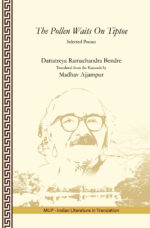
The Pollen Waits on Tiptoe- Selected Poems
₹310.00Author: Dattatreya Ramachandra Bendre Translator: Madhav Ajjampur
The book presents English translations of 26 selected poems of 20th-century Kannada literature’s varakavi (heaven-touched poet) and one of the greatest lyric poets to have lived: Dattatreya Ramachandra Bendre.
Although no selection of Bendre’s poems, even in the original Kannada, can ever be representative of the astonishing range of his poetry, the poems in this book give the reader a sampling of some of the different types of poems Bendre wrote – including the blank verse of his sonnets, the free verse of some of his later poetry, and the overwhelmingly-euphonic lyric poems of his first period. Several of the included poems are also acknowledged classics.
A standout feature of this book is its character as a multimedia presentation. Given the exceptional aural quality of Bendre’s poetry, a provision has been made for the reader to listen to audio recordings of each poem, in both its original and translated forms. Also included are Afterwords which, among other things, contain stories about Bendre, interesting anecdotes related to the poems, and reflections on the process of translation.
Interested overseas customers may write to us at mup@manipal.edu about purchasing the book.
Also available on
eBook available on