
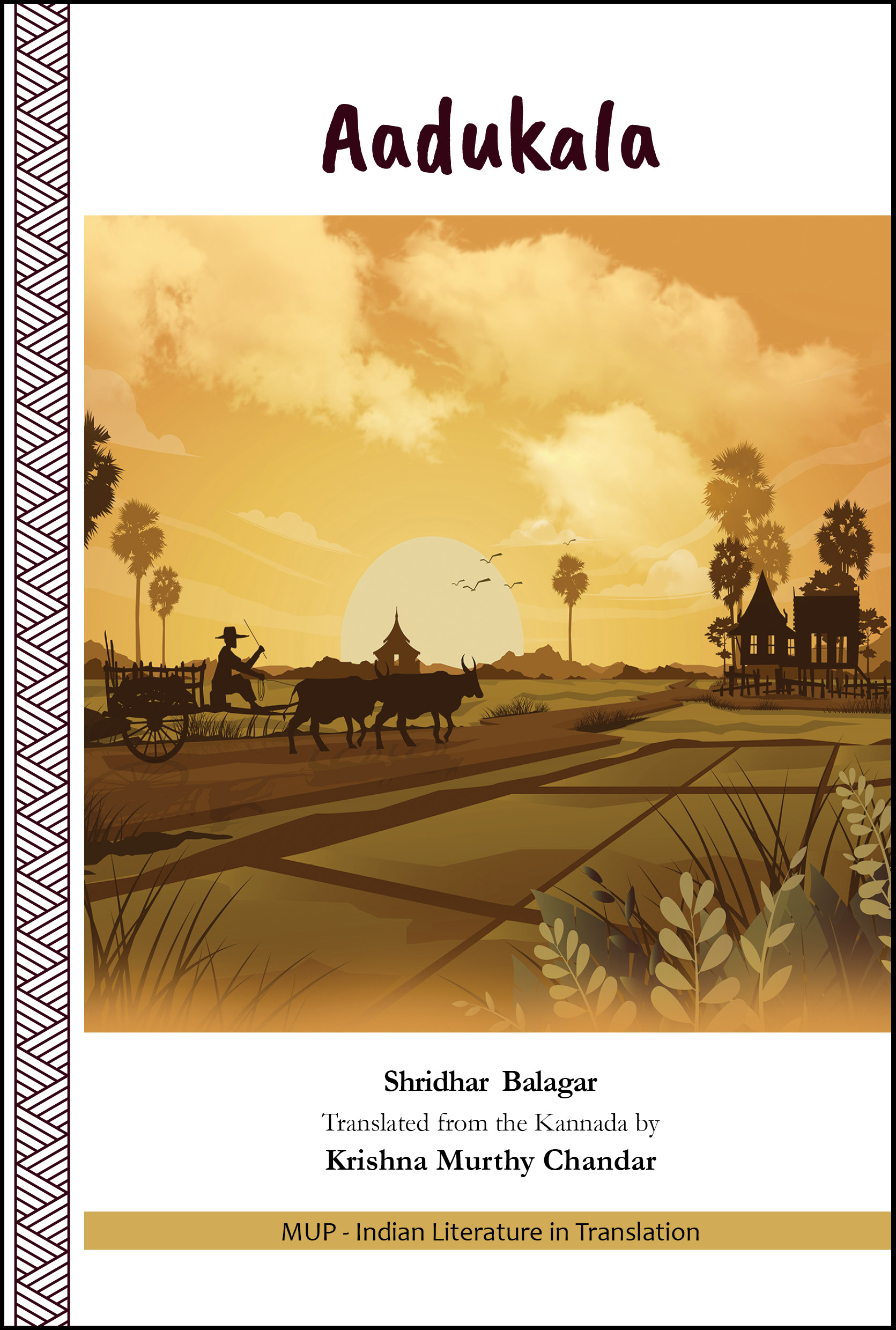
Aadukala
₹300.00
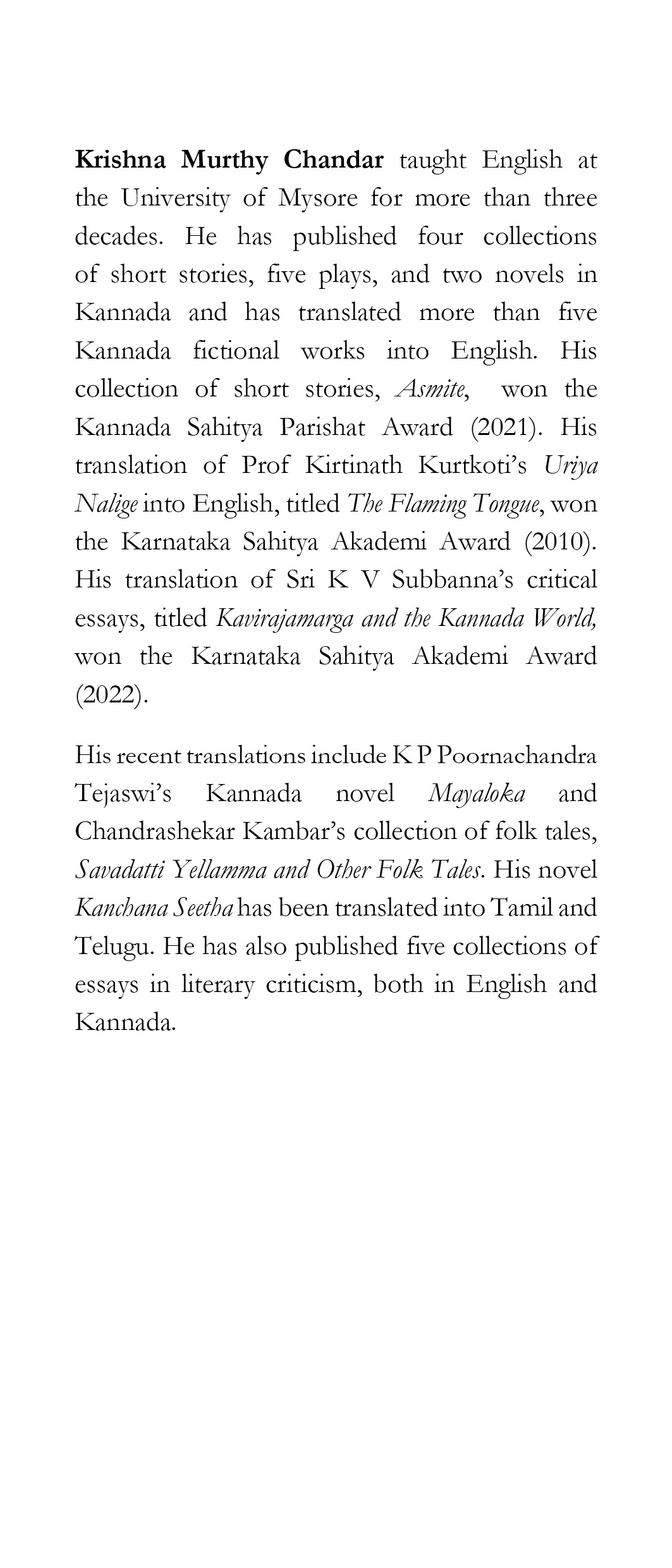
Author: Shridhar Balagar Translator: Krishna Murthy Chandar
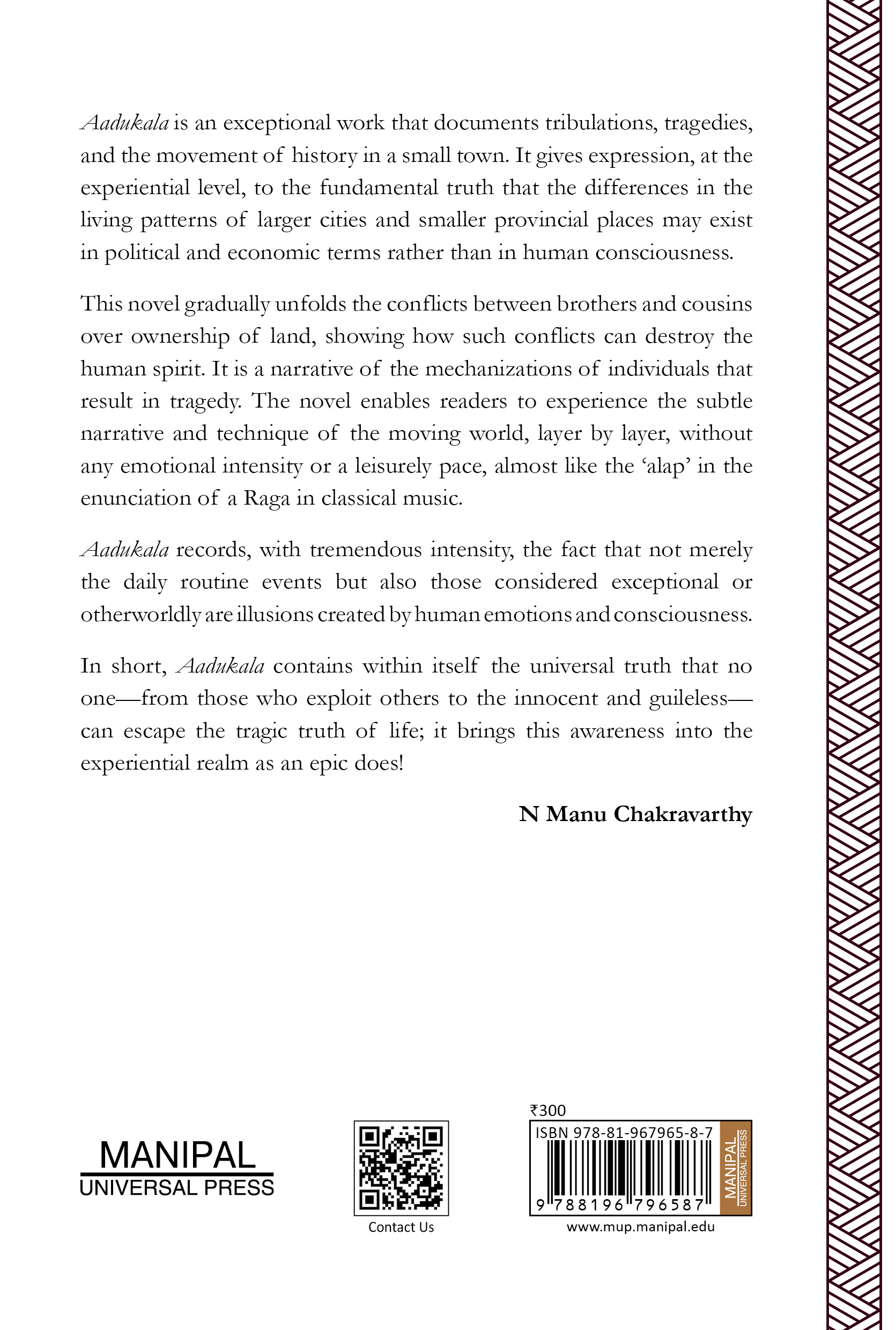
Aadukala is an exceptional work that documents tribulations, tragedies, and the movement of history in a small town. It gives expression, at the experiential level, to the fundamental truth that the differences in the living patterns of larger cities and smaller provincial places may exist in political and economic terms rather than in human consciousness.
This novel gradually unfolds the conflicts between brothers and cousins over ownership of land, showing how such conflicts can destroy the human spirit. It is a narrative of the mechanizations of individuals that result in tragedy. The novel enables readers to experience the subtle narrative and technique of the moving world, layer by layer, without any emotional intensity or a leisurely pace, almost like the ‘alap’ in the enunciation of a Raga in classical music.
Aadukala records, with tremendous intensity, the fact that not merely the daily routine events but also those considered exceptional or otherworldly are illusions created by human emotions and consciousness.
Interested readers may write to us at mup@manipal.edu about purchasing the book.
Also available on |
| Format |
|---|
Customer Reviews
There are no reviews yet.
Related products
-
Swan Song
₹320.00Author: T R Subba Rao| Translator: Pramod Mutalik
Swan Song is the poignant tale of Venkatasubbiah, a legendary musician from 18th century Chitradurga. Written by renowned Kannada author Late Shri T R Subba Rao (TaRaSu) and translated into English by Prof Pramod Mutalik, the novel explores the extraordinary journey of an artist whose unwavering dedication to his craft defines his life.
The author weaves together perspectives from people of varied backgrounds to reconstruct Venkatasubbiah’s story, revealing his innate musical genius and determination. It narrates the tale of a musician’s steadfast devotion to art against all odds.
The narrative takes a dramatic turn when Venkatasubbiah defies Tippu Sultan’s order to perform in his palace. To protect the dignity of his art, he sacrifices his ability to sing by cutting off his tongue. Undeterred, he continues to produce swaras through his nose, earning him the metaphorical title of the swan. His life ends while performing, leaving an unforgettable legacy of self-respect and artistic integrity.
Interested readers may write to us at mup@manipal.edu about purchasing the book.Also available on
-
Tapaalu Mani
₹140.00Author: Rabhindranath Tagore, Translator: Mounesh Badiger
ರಾಷ್ಟ್ರಕವಿ ರವೀಂದ್ರನಾಥ ಠಾಕೂರರ ‘ಡಾಕ್ ಘರ್’ ಬಹಳ ಪ್ರಸಿದ್ಧ ನಾಟಕ. ಮಗುವಿನ ಮನೋದೈಹಿಕ ಸಾಧ್ಯತೆಗಳನ್ನು ಕಲೆಯ ಸೂಕ್ಷ್ಮಕಣ್ಣಿನಿಂದ ನೋಡುವ ಎರಡಂಕದ ಪುಟ್ಟ ನಾಟಕವಿದು. ಇದು ಸೃಷ್ಟಿಸುವ ಮಾಯಾವಾಸ್ತವ ಬಹಳ ಅಪರೂಪವಾದದ್ದು. ಇದರ ಮುಖ್ಯ ಪಾತ್ರ ಮಗುವೇ ಆಗಿದ್ದರೂ ಇದರ ವಸ್ತು ಮಕ್ಕಳಿಗಳಿಂತ ಹೆಚ್ಚಾಗಿ ದೊಡ್ಡವರಿಗೇ ಅನ್ವಯವಾಗುವಂತಿದೆ. ಮೌನೇಶ ಬಡಿಗೇರರು ಇದನ್ನು ಉತ್ತರಕರ್ನಾಟಕದ ಭಾಷೆಗೆ ತಂದು ಕನ್ನಡದ ನಾಟಕವೇ ಎನ್ನುವಷ್ಟು ರೂಪಾಂತರಿಸಿದ್ದಾರೆ. ಇದರ ಪ್ರಯೋಗದ ಹೊಸ ಹೊಸ ಸಾಧ್ಯತೆಗಳನ್ನು ಕನ್ನಡ ರಂಗಭೂಮಿ ಇನ್ನೂ ಶೋಧಿಸಬೇಕಿದೆ.
Interested readers may write to us at mup@manipal.edu about purchasing the book.
Also available on
-
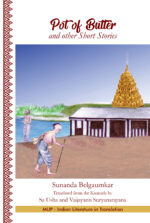
Pot of Butter and other short stories
₹250.00Author: Sunanda Belgaumkar Translator: Sa Usha, Vaijayanti Suryanarayana
Pot of Butter and other Short Stories is a collection of nine short stories, originally composed by Sunanda Belgaumkar in Kannada, handpicked and translated from her collections – Kajjaya and Koduvudenu Kombudenu. The bulk of her literary work including the stories in this book are inspired by the experiences in her early life, in the rustic and robust atmosphere of Dharwad. Her stories are predominantly semiautobiographical, laced with a liberal dose of artistic freedom.
This collection weaves together her writings on the underprivileged and marginalized as seen from the comfort of her palatial home, but rendered with compassion and empathy. Often, we find her narrative infused with self-directed questions such as, “What if I was in her shoes? ” or “Could that have been me? ” These stories are reflections on human nature, suffering, and destiny. There is hope, there is despair. There is love, there is longing. There is defeat, and there is triumph. In her stories, an oft-recurring metaphor for picking up one’s life after loss is a scorching summer followed by a torrential downpour and subsequently a plant springing to life.
As a translation, this book attempts to introduce Sunanda Belgaumkar’s literary and artistic creations to the non-Kannada reader, retaining as much of the indigenous elements of the original writings as possible. In doing so, it seeks to preserve the cultural climate of North Karnataka as it was around fifty years ago.
Interested readers may write to us at mup@manipal.edu about purchasing the book.
Also available on
-
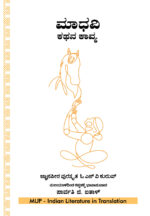
Madhavi Kathana Kavya
₹195.00Author: ONV Kurup, Translator: Parvathi G Aithal
ವ್ಯಾಸ ಮಹಾಭಾರತದ ಉದ್ಯೋಗ ಪರ್ವದಲ್ಲಿ ಬರುವ ಒಂದು ಉಪಾಖ್ಯಾನವನ್ನಾಧರಿಸಿ ಬರೆದ ಒಂದು ಕಾವ್ಯವಿದು. ಮೂಲಕಥೆಯಲ್ಲಿ ಮಾಧವಿಯ ಶೋಷಣೆ ಎದ್ದು ಕಾಣುವುದಿಲ್ಲ. ವಿಶ್ವಾಮಿತ್ರ ಶಿಷ್ಯನಾದ ಗಾಲವನು ತನ್ನ ವಿದ್ಯಾಭ್ಯಾಸವನ್ನು ಮುಗಿಸಿ ಹೊರಡುವಾಗ ‘ಗುರುದಕ್ಷಿಣೆಯಾಗಿ ಏನನ್ನು ಕೊಡಲಿ?’ ಎಂದು ಕೇಳುತ್ತಾನೆ. ವಿಶ್ವಾಮಿತ್ರರು ಗುರುದಕ್ಷಿಣೆ ಬೇಡವೆಂದರೂ ಕೇಳುವುದಿಲ್ಲ. ಕೊನೆಗೆ ವಿಶ್ವಾಮಿತ್ರರು, ‘ಒಂದು ಕಿವಿ ಮಾತ್ರ ಕಪ್ಪಾಗಿರುವ ಎಂಟುನೂರು ಶ್ವೇತಾಶ್ವಗಳನ್ನು ಕಾಣಿಕೆಯಾಗಿ ತೆಗೆದುಕೊಂಡು ಬಾ’ ಎಂದು ಹೇಳುತ್ತಾರೆ. ಆದರೆ, ಅಂಥ ವಿಶೇಷ ಗುಣದ ಕುದುರೆಗಳು ಬಹಳ ದುರ್ಲಭವಾದುವೆಂಬುದನ್ನು ಅರಿತಾಗ ಗಾಲವ ದಾನಶೂರ ಯಯಾತಿ ಮಹಾರಾಜನ ಬಳಿ ಸಹಾಯ ಬೇಡಲು ಹೋಗುತ್ತಾನೆ. ಆಗಷ್ಟೇ ದೊಡ್ಡದೊಂದು ಯಾಗ ಮುಗಿಸಿದ ಯಯಾತಿಯ ಬಳಿ ಅಶ್ವಗಳಿಲ್ಲ. ಆದರೆ, ತನ್ನ ಪ್ರತಿಷ್ಠೆಯನ್ನು ಉಳಿಸಿಕೊಳ್ಳುವುದಕ್ಕೋಸ್ಕರ ಯಯಾತಿ ತನ್ನ ಮಗಳು ಮಾಧವಿಯನ್ನು ಗಾಲವನ ವಶಕ್ಕೆ ಬಿಟ್ಟು ‘ರೂಪಸಿಯಾದ ಈಕೆಯನ್ನು ಬೇಕಾದ ಹಾಗೆ ಬಳಸಿಕೊಂಡು ನಿನಗೆ ಬೇಕಾದ ಅಶ್ವಗಳನ್ನು ಪಡೆ’ ಅನ್ನುತ್ತಾನೆ. ಹಾಗೆ ಗಾಲವನು ಮಾಧವಿಯನ್ನು ಮೂರು ಮಂದಿ ರಾಜರ ಬಳಿಗೆ ಕರೆದೊಯ್ದು ಅವರಿಂದ ತಲಾ ಇನ್ನೂರು ಅಶ್ವಗಳನ್ನು ಪಡೆದು ಆ ರಾಜರುಗಳಿಗೆ ಒಂದು ವರ್ಷದ ಮಟ್ಟಿಗೆ ಉಪಯೋಗಿಸಿಕೊಳ್ಳಲು ಮಾಧವಿಯನ್ನು ಒಪ್ಪಿಸುತ್ತಾನೆ. ಮೂಲ ಕಥೆಯಲ್ಲಿ ಮಾಧವಿಯ ಮನಸ್ಸಿನ ಸಂಘರ್ಷಗಳು ವ್ಯಕ್ತವಾಗಿಲ್ಲ. ‘ಪುರುಷರಿಂದ ಲೈಂಗಿಕವಾಗಿ ಎಷ್ಟು ಸಾರಿ ಬಳಸಲ್ಪಟ್ಟರೂ ನನ್ನ ಕನ್ಯತ್ವ ಉಳಿಯುವಂಥ ವರ ನನಗಿದೆಯಾದ್ದರಿಂದ ನಾನು ನಿನಗೆ ಸಹಾಯ ಮಾಡಬಲ್ಲೆ’ ಎಂದು ಗಾಲವನ ಬಳಿ ಅವಳೇ ಹೇಳುತ್ತಾಳೆ . ಓಎನ್ವಿ ಕುರುಪ್ ಬರೆದ ಈ ಕೃತಿಯಲ್ಲಿ ಅವರು ಕೆಲವು ಬದಲಾವಣೆಗಳನ್ನು ಮಾಡಿಕೊಂಡಿದ್ದಾರೆ. ಇಲ್ಲಿ ಇಡೀ ಕಥೆಯನ್ನು ಪುರುಷರಿಂದ ಘೋರ ಅನ್ಯಾಯಕ್ಕೊಳಗಾಗಿ ಮಾನಸಿಕ ಯಾತನೆಯನ್ನು ಅನುಭವಿಸಿರಬಹುದಾದ ಮಾಧವಿಯ ದೃಷ್ಟಿಯಿಂದ ಬರೆಯಲಾಗಿದೆ. ಆದ್ದರಿಂದ ಇದರ ಸ್ತ್ರೀವಾದಿ ಓದು ಒಂದು ವಿಶಿಷ್ಟ ಅನುಭವವನ್ನು ನೀಡುತ್ತದೆ.ಮಲಯಾಳದ ಜ್ಞಾನಪೀಠ ಪ್ರಶಸ್ತಿ ವಿಜೇತ ಸಾಹಿತಿ ಓಎನ್ವಿಕುರುಪ್ ಅವರ ‘ಸ್ವಯಂವರಂ’ ಎಂಬ ಖಂಡಕಾವ್ಯದ ಭಾವಾನುವಾದವಿದು. ಮಹಾಭಾರತದ `ಉದ್ಯೋಗ ಪರ್ವ’ ದಲ್ಲಿ ಬರುವ ಒಂದು ಉಪಾಖ್ಯಾನದಲ್ಲಿ ಪುರುಷ ವರ್ಗದಿಂದ ಘೋರವಾಗಿ ಶೋಷಣೆಗೊಳಗಾದ ಮಾಧವಿ ಈ ಕಥೆಯ ನಾಯಕಿಯಾಗಿದ್ದು ಇಡೀ ಕಾವ್ಯವೇ ಅವಳ ದೃಷ್ಟಿಕೋನದಿಂದ ರಚಿತವಾಗಿದ್ದರಿಂದ ಸ್ತ್ರೀವಾದಿ ಓದಿಗೆ ಒಳಪಡಿಸಲು ಅತ್ಯಂತ ಸೂಕ್ತವಾದ ಕೃತಿಯಿದು ಎಂದೆನ್ನಿಸಿ ಅನುವಾದಕಿ ಅದರ ಶೀರ್ಷಿಕೆಯನ್ನು ‘ಮಾಧವಿ ಕಥನ ಕಾವ್ಯ’ವೆಂದು ಬದಲಾಯಿಸಿದ್ದಾರೆ . ಇದನ್ನು ಓದಿದಾಗೆಲ್ಲ ರಾಮಾಯಣದ ಸೀತೆಯ ನೆನಪಾಗುತ್ತದೆ.
Interested customers may write to us at mup@manipal.edu about purchasing the book.
Also available on
-
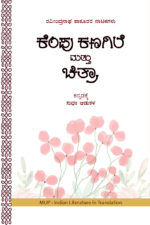
Kempu Kanagile and Chitra
₹160.00Author: Rabindranath Tagore, Translator: Sudha Adukkala
ಕೆಂಪು ಕಣಗಿಲೆ: ಅದೆಂಥ ಗಾಢಾಂಧಕಾರವೇ ಇರಲಿ, ಪುಟ್ಟ ಹಣತೆಯೊಂದು ಅದನ್ನು ತೊಡೆಯಬಲ್ಲುದೆಂಬುದು ಸಾರ್ವಕಾಲಿಕ ಸತ್ಯ. ಅಂಥದೊAದು ಸಂಘರ್ಷದ ಕಥನವನ್ನು ಗುರುದೇವ ರವೀಂದ್ರರು ತಮ್ಮ ಈ ನಾಟಕದಲ್ಲಿ ಹೇಳಿದ್ದಾರೆ. ‘ಕೆಂಪು ಕಣಗಿಲೆ’ ತೆರೆದಿಡುವ ಕೌರ್ಯದ ಜಗತ್ತು ಇಂದು ಈ ಕಾಲಘಟ್ಟದಲ್ಲಿ ನಿಂತು ಬರೆದರೇನೋ ಎಂಬಷ್ಟು ತಾಜಾ ಆಗಿದೆ. ಇಲ್ಲಿಯ ರಂಜನ ಕೇವಲ ಒಂದು ಪಾತ್ರವಲ್ಲ; ನಾವೆಲ್ಲರೂ ನಮ್ಮೊಳಗೆ ತುಂಬಿಸಿಕೊಳ್ಳಬೇಕಾದ ಜೀವನ ಪ್ರೀತಿಯ ವಿವಿಧ ಆಯಾಮಗಳ ಪ್ರತಿನಿಧಿ. ಇಲ್ಲಿಯ ನಂದಿನಿ ಇಂದು ಜಗವ ಸಂತೈಸಬೇಕಾದ ತಾಯಿಹೃದಯದ ಪ್ರತೀಕವಾಗಿದ್ದಾಳೆ.
ಚಿತ್ರಾ: ಪೌರಾಣಿಕ ಕಥಾನಕವೊಂದರ ಪುನರ್ಲೇಖನದ ಈ ನಾಟಕವು ಹೆಣ್ಣು ಮತ್ತು ರಾಷ್ಟçವನ್ನು ಒಂದು ಸಂಕಥನವನ್ನಾಗಿ ಚರ್ಚಿಸುತ್ತದೆ. ಹೆಣ್ಣು-ಗಂಡಿನ ಘನತೆಯ ಬದುಕನ್ನು ಕನಸುವ ನಿರೂಪಣೆ ನಾವು ಕಟ್ಟಬೇಕಾಗಿರುವ ರಾಷ್ಟçದ ರೂಪುರೇಷೆಗಳನ್ನೂ ತನ್ನೊಳಗೆ ಆಡಕ ಮಾಡಿಕೊಂಡಿದೆ. ನಮ್ಮ ಅನನ್ಯತೆಯನ್ನು ಉಳಿಸಿಕೊಳ್ಳುತ್ತಲೇ ಇನ್ನೊಬ್ಬರೊಂದಿಗೆ ಸಹಬಾಳ್ವೆಯನ್ನು ನಡೆಸುವ ಬಗೆಯನ್ನು ಮಂಡಿಸುತ್ತದೆ. ತಾನು ಆರೋಪಿಸಿಕೊಂಡ ಕೃತಕ ತೆರೆಯನ್ನು ಸರಿಸುವ ಚಿತ್ರಾ ನಮ್ಮೊಳಗಿನ ಅರಿವಿಗೆ ತೊಡಕಾಗಿರುವ ಸಂಕುಚಿತತೆಯ ಪರದೆಯನ್ನೂ ಸರಿಸುತ್ತಾಳೆ.
Interested overseas readers may write to us at mup@manipal.edu about purchasing the book.Also available on
-
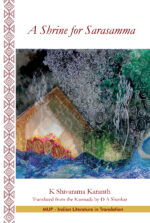
A Shrine for Sarasamma
₹180.00Author: Shivarama Karanth Translator: D A Shankar
A Shrine for Sarasamma is the English translation of Sarasammana Samadhi written by K Shivarama Karanth in 1937, in his early thirties. It offers one of the most authentic and searing accounts of Indian womanhood, which consistently, and through the ages, has suffered deep anguish, humiliation and crushing insult from the oppressive patriarchal culture prevalent in all parts of India and among all castes and classes. The novel is a classic in Kannada and the English translation is an attempt to bring to the English reading audience a taste of the regional classic.
Interested readers may write to us at mup@manipal.edu about purchasing the book.
Also available on
-
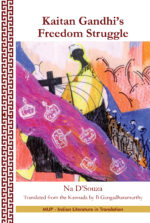
Kaitan Gandhi’s Freedom Struggle
₹280.00Author: Na D’Souza Translator: B Gangadharamurthy
Kaitan Gandhiya Swatantrya Horata is one of the very few novels written in Kannada on the Gandhian phase of the Indian freedom struggle. It is not globally unknown that Gandhi not only changed the idiom of the struggle and successfully experimented his lifetime-belief in non-violence on the vast canvas but also made it decisively inclusive. Kaitan Gandhi’s Freedom Struggle thematically illuminates these two crucial aspects of the great struggle and grapples with the naked truth as Charles, the priest in the novel revealingly says,The rulers, whosoever it is, are rulers. Caste, colour, or country does not matter to them. All are wicked. Like in all true works of realist literature, the author, here too, creatively blends the individual, the social, and the historical in such a way that the novel poignantly unfolds the true spirit of quest for freedom and humanity.
Interested readers may write to us at mup@manipal.edu about purchasing the book.
Also available on
-
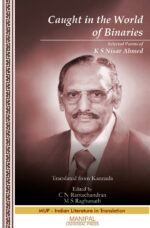
Caught in the World of Binaries: Selected Poems of K S Nisar Ahmed
₹310.00Author: K S Nisar Ahmed Editors: C N Ramachandran, M S Raghunath
Professor K S Nisar Ahmed (b 1936) is a geologist by profession and a major writer in Kannada. His first collection of poems, Manasu Gandhi Bazar (My Mind is like Gandhi Bazar) was published in 1960, and since then he has published poetry (15 collections), prose (five collections), and translations from Shakespeare and Neruda. He has been honoured with many awards, including ‘Padmashri’, Honorary D Litt (Kuvempu University), and Pampa Prashasti (Karnataka Government). Living between two languages and two cultures, Prof. Nisar has successfully achieved the balance necessary for the tight-rope walking as a poet. He believes that, “Only when you understand another religion (or culture or language), you really understand your own religion (or culture or language).” The present volume of 100 selected poems exhibits the multifaceted poetry of Nisar that reflects his creative pluralism. The 13 translators of the poems in this volume include A K Ramanujan, V K Gokak and Tejaswini Niranjana.
Interested readers may write to us at mup@manipal.edu about purchasing the book.
Also available on
Be the first to review “Aadukala”
You must be logged in to post a review.