
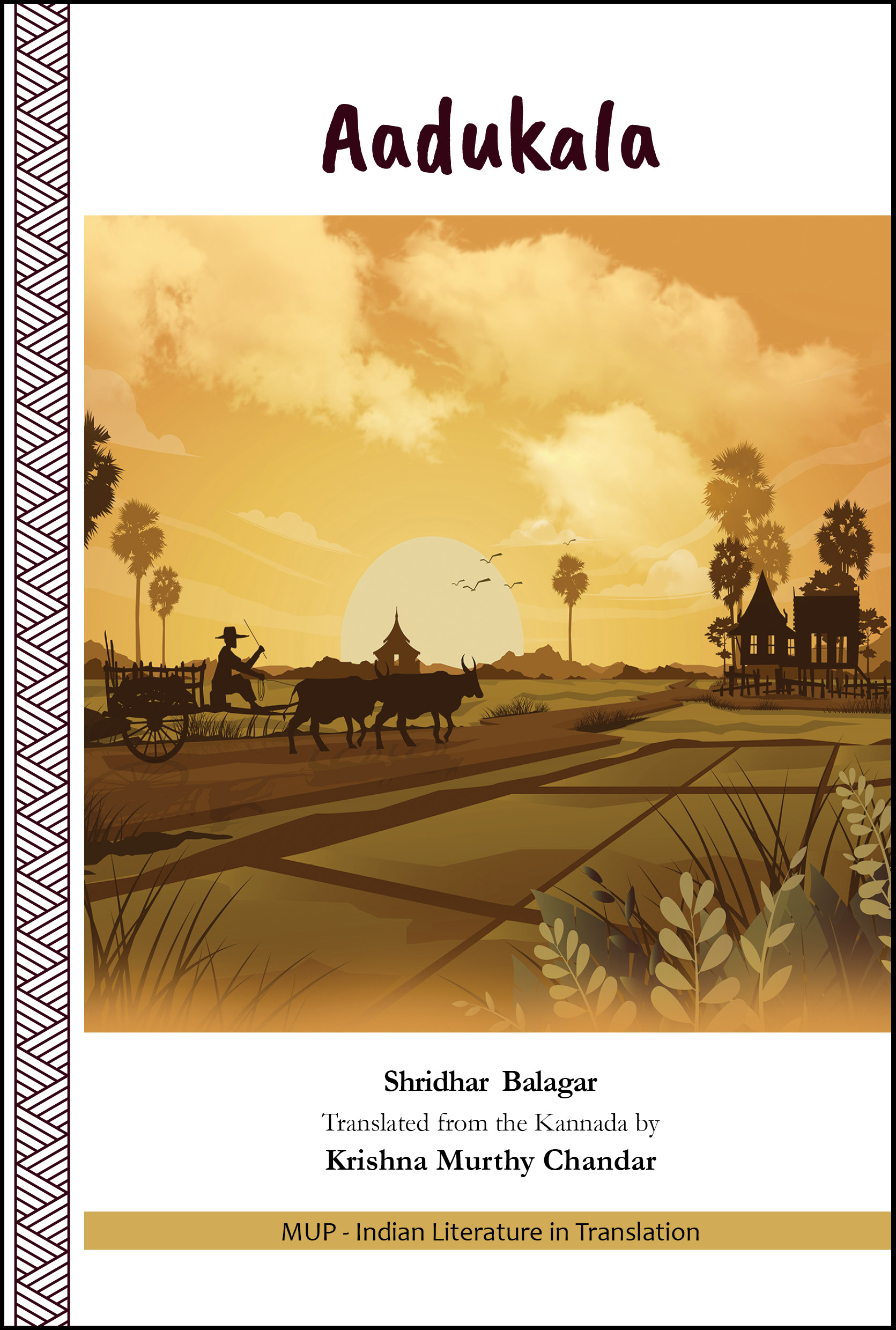
Aadukala
₹300.00
Author: Shridhar Balagar Translator: Krishna Murthy Chandar
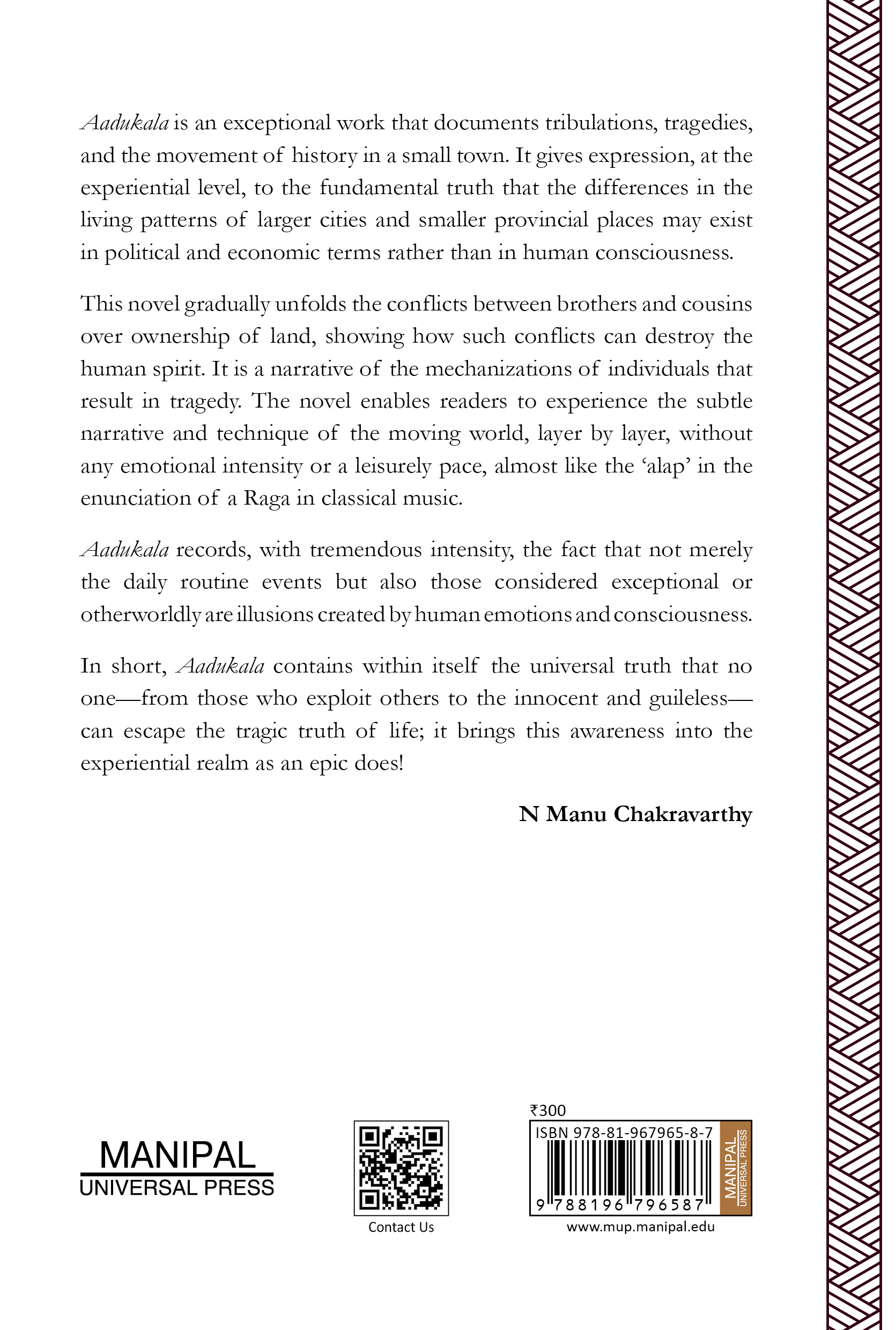
Aadukala is an exceptional work that documents tribulations, tragedies, and the movement of history in a small town. It gives expression, at the experiential level, to the fundamental truth that the differences in the living patterns of larger cities and smaller provincial places may exist in political and economic terms rather than in human consciousness.
This novel gradually unfolds the conflicts between brothers and cousins over ownership of land, showing how such conflicts can destroy the human spirit. It is a narrative of the mechanizations of individuals that result in tragedy. The novel enables readers to experience the subtle narrative and technique of the moving world, layer by layer, without any emotional intensity or a leisurely pace, almost like the ‘alap’ in the enunciation of a Raga in classical music.
Aadukala records, with tremendous intensity, the fact that not merely the daily routine events but also those considered exceptional or otherworldly are illusions created by human emotions and consciousness.
Interested readers may write to us at mup@manipal.edu about purchasing the book.
Also available on |
| Format |
|---|
Customer Reviews
There are no reviews yet.
Related products
-
Bamonn: Story of a Konkani Roman Catholic
₹255.00Author: Na D’Souza Translator: S M Pejathaya
Konkani Roman Catholic Christians were converted from other groups by Goan Missionaries long back, keeping the caste system tradition to a large extent in layers such as the Bamonn, the Charodi, the Gawdi, the Nendar, the Shudra, etc. At the time of marriages and other social gatherings they continue to consider caste system norms and customs in the community. Caste system in Indian Christians is vividly described in the novel Bamonn. Christopher Pai of Kalyanpura hails from a Bamonn family and takes great pride in his ancestry. He believes in the stories about his Konkani Roman Catholic ancestors from his elders and about their being true Christians, holding on to their faith despite tremendous pressure to convert to Islam during Tipu Sultan’s regime. He also believes Bamonns are superior to other Christians in the community. After retiring from his job of a Headmaster, he refuels his obsession to retrace his roots and find out the truth about his ancestors. In his journey of self-assurance and faith, will he succeed in his mission to convince his family, his children and the community at large of his glorious ancestry and in still pride in the next generation? . . .
Interested readers may write to us at mup@manipal.edu about purchasing the book.
Also available on
-
Anurakte- The Enamoured
₹390.00Author: Vyasaraya Ballal Translator: Poornima Hebbar
There are many rags-to-riches stories around the city of Mumbai. However, here is a story of transformation of a woman and her true self in the city of dreams. Set in Mangalore and Mumbai of the late 1940s, Anurakte- The Enamoured is an elegantly written story of a woman and her changing worldview over a period of time. Sumithra, a young woman with ordinary dreams and aspirations, comes to the then Bombay in search of livelihood. Little did she know that her experiences in the city and her zest for an independent life would transform her into a different person. She breaks the shell and resolves not to look back. The book is a poignant tale of love, loss, betrayal, family, relationships and traditions. The culturescape of Mumbai beautifully intertwines with her dreams. It is as much a story of the vibrancy of Mumbai as it is about Sumithra’s journey towards freedom.
Interested readers may write to us at mup@manipal.edu about purchasing the book.
Also available on
-
The Preferred Pronoun and Other Stories
₹400.00Author: Guruprasad Kaginele, Translator: Narayan Shankaran
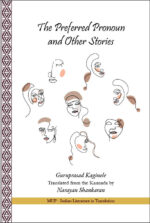
The Preferred Pronoun and Other Stories is a unique collection of twelve short stories by Guruprasad Kaginele. These stories arise from the restless tension of being away from one’s roots, the haunting nostalgia for the home left behind, and the interplay of diverse cultures, while also exploring the process of integrating into a new environment. Set against the backdrop of America and within the medical world, the stories reflect the author’s thoughts and experiences.
From Osama, who nervously sweats after discovering a semiautomatic pistol in a schoolteacher’s house, to Morris, a middle aged individual on a quest for the perfect pronoun after gender transformation, the collection brings a wide array of characters and situations to life. The Nesting, a story that triggers many thoughts with its metaphorical allusions to a home blooming over the doom of another, and The Big Save, a story about a doctor yearning to regain his lost mojo despite realizing that it requires jeopardizing a life to save another, along with other stories, amply illustrate the author’s uncanny prowess in the dramatic presentation of compassion, love, jealousy, torts and their befitting punishments, the thin line between good and evil, and other subtle nuances.The stories depict three phases of a migrant’s life: the naiveté and challenges of a new immigrant, the process of assimilation, and the adaptation to American culture, seamlessly woven together to create a cohesive narrative of diverse experiences. Stemming from the choice to build a life in a foreign land, the narratives explore the politics and ethnic consciousness tied to that journey. Through the lens of a doctor’s work and family life in America, Kaginele captures the dynamic political changes in the country, while revealing subtle shifts in ethnic sensibilities and the evolving nature of interpersonal relationships in the migrant experience.
Interested customers may write to us at mup@manipal.edu about purchasing the book.
Also available on
-
Tunes of a Single String
₹200.00Author:
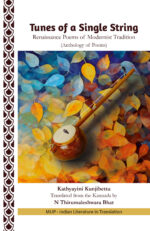
Dive into the enchanting poetry of Dr Kathyayini Kunjibettu through Tunes of a Single String, a captivating translation of her anthology Ekthari Sanchari. Kathyayini’s verses defy convention with unrhymed lines and free verse, reflecting a profound liberation of spirit and language. Each poem brings rural landscapes and Indian mythological scenes to life with remarkable freshness and emotional depth.
This collection invites readers to explore why Kathyayini’s works align with Renaissance Poems of a Modernist Tradition. Her poetic voice resonates with freshness and depth, deftly blending familiar themes into uniquely unconventional settings. Tunes of a Single String invites readers to delve into the vibrant world of modern Kannada poetry through Kathyayini’s fearless exploration of life, culture, and language.
Interested customers may write to us at mup@manipal.edu about purchasing the book.
Also available on
-
Kempu Kanagile and Chitra
₹160.00Author: Rabindranath Tagore, Translator: Sudha Adukkala
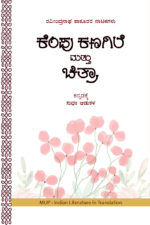
ಕೆಂಪು ಕಣಗಿಲೆ: ಅದೆಂಥ ಗಾಢಾಂಧಕಾರವೇ ಇರಲಿ, ಪುಟ್ಟ ಹಣತೆಯೊಂದು ಅದನ್ನು ತೊಡೆಯಬಲ್ಲುದೆಂಬುದು ಸಾರ್ವಕಾಲಿಕ ಸತ್ಯ. ಅಂಥದೊAದು ಸಂಘರ್ಷದ ಕಥನವನ್ನು ಗುರುದೇವ ರವೀಂದ್ರರು ತಮ್ಮ ಈ ನಾಟಕದಲ್ಲಿ ಹೇಳಿದ್ದಾರೆ. ‘ಕೆಂಪು ಕಣಗಿಲೆ’ ತೆರೆದಿಡುವ ಕೌರ್ಯದ ಜಗತ್ತು ಇಂದು ಈ ಕಾಲಘಟ್ಟದಲ್ಲಿ ನಿಂತು ಬರೆದರೇನೋ ಎಂಬಷ್ಟು ತಾಜಾ ಆಗಿದೆ. ಇಲ್ಲಿಯ ರಂಜನ ಕೇವಲ ಒಂದು ಪಾತ್ರವಲ್ಲ; ನಾವೆಲ್ಲರೂ ನಮ್ಮೊಳಗೆ ತುಂಬಿಸಿಕೊಳ್ಳಬೇಕಾದ ಜೀವನ ಪ್ರೀತಿಯ ವಿವಿಧ ಆಯಾಮಗಳ ಪ್ರತಿನಿಧಿ. ಇಲ್ಲಿಯ ನಂದಿನಿ ಇಂದು ಜಗವ ಸಂತೈಸಬೇಕಾದ ತಾಯಿಹೃದಯದ ಪ್ರತೀಕವಾಗಿದ್ದಾಳೆ.
ಚಿತ್ರಾ: ಪೌರಾಣಿಕ ಕಥಾನಕವೊಂದರ ಪುನರ್ಲೇಖನದ ಈ ನಾಟಕವು ಹೆಣ್ಣು ಮತ್ತು ರಾಷ್ಟçವನ್ನು ಒಂದು ಸಂಕಥನವನ್ನಾಗಿ ಚರ್ಚಿಸುತ್ತದೆ. ಹೆಣ್ಣು-ಗಂಡಿನ ಘನತೆಯ ಬದುಕನ್ನು ಕನಸುವ ನಿರೂಪಣೆ ನಾವು ಕಟ್ಟಬೇಕಾಗಿರುವ ರಾಷ್ಟçದ ರೂಪುರೇಷೆಗಳನ್ನೂ ತನ್ನೊಳಗೆ ಆಡಕ ಮಾಡಿಕೊಂಡಿದೆ. ನಮ್ಮ ಅನನ್ಯತೆಯನ್ನು ಉಳಿಸಿಕೊಳ್ಳುತ್ತಲೇ ಇನ್ನೊಬ್ಬರೊಂದಿಗೆ ಸಹಬಾಳ್ವೆಯನ್ನು ನಡೆಸುವ ಬಗೆಯನ್ನು ಮಂಡಿಸುತ್ತದೆ. ತಾನು ಆರೋಪಿಸಿಕೊಂಡ ಕೃತಕ ತೆರೆಯನ್ನು ಸರಿಸುವ ಚಿತ್ರಾ ನಮ್ಮೊಳಗಿನ ಅರಿವಿಗೆ ತೊಡಕಾಗಿರುವ ಸಂಕುಚಿತತೆಯ ಪರದೆಯನ್ನೂ ಸರಿಸುತ್ತಾಳೆ.
Interested overseas readers may write to us at mup@manipal.edu about purchasing the book.Also available on
-
Pot of Butter and other short stories
₹250.00Author: Sunanda Belgaumkar Translator: Sa Usha, Vaijayanti Suryanarayana
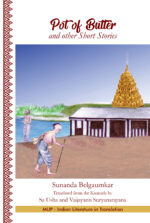
Pot of Butter and other Short Stories is a collection of nine short stories, originally composed by Sunanda Belgaumkar in Kannada, handpicked and translated from her collections – Kajjaya and Koduvudenu Kombudenu. The bulk of her literary work including the stories in this book are inspired by the experiences in her early life, in the rustic and robust atmosphere of Dharwad. Her stories are predominantly semiautobiographical, laced with a liberal dose of artistic freedom.
This collection weaves together her writings on the underprivileged and marginalized as seen from the comfort of her palatial home, but rendered with compassion and empathy. Often, we find her narrative infused with self-directed questions such as, “What if I was in her shoes? ” or “Could that have been me? ” These stories are reflections on human nature, suffering, and destiny. There is hope, there is despair. There is love, there is longing. There is defeat, and there is triumph. In her stories, an oft-recurring metaphor for picking up one’s life after loss is a scorching summer followed by a torrential downpour and subsequently a plant springing to life.
As a translation, this book attempts to introduce Sunanda Belgaumkar’s literary and artistic creations to the non-Kannada reader, retaining as much of the indigenous elements of the original writings as possible. In doing so, it seeks to preserve the cultural climate of North Karnataka as it was around fifty years ago.
Interested readers may write to us at mup@manipal.edu about purchasing the book.
Also available on
-
Defiance
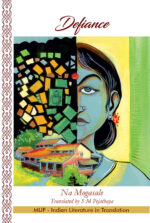
₹495.00Defiance is a captivating tale of the march of globalization and its impact on the lives and times of the Santher Guthu family in Ombathkere, a village located between Mangaluru and Kasaragodu. Set in the picturesque Malabar coast of Karnataka in the late 20th Century, the novel takes the reader through four generations of the family. Ambakke, the protagonist, along with her brother Sankappa Hegde, the third-generation descendants of the family form the lifeblood of this story of human relationships in the midst of time and change. The novel is born out of deep contemplation of a community in the face of transition. There is anxiety that grips this part of Karnataka in the wake of modernity. The vast canvas of the novel and the depiction of folk culture provides a unique touch to the saga of the community. Defiance is a novel about traditions and the fear of losing out to modernity. It is about change and the desire to remain rooted.
Interested readers may write to us at mup@manipal.edu about purchasing the book.
Also available on
-

BAKA – Collection of Two Plays
₹340.00Author: M S Keshava Prabhu, Translator: L V Shantakumari
Baka dramatizes the episode of Bakasura, from the Indian epic, Mahabharata. Baka is a cannibal demon that terrorizes a village with its horrifying attacks. The king of the village strikes an agreement with the demon, putting its people in peril. They live in constant fear for years until the sudden arrival of a hero changes everything.
A theatrical and evocative narration, this play satirically mirrors society’s greed and irresponsibility. It depicts power struggles through the conflict that arises between Baka the demon, the cowardly king, and the oppressed people.Interested customers may write to us at mup@manipal.edu about purchasing the book.Also available on
Be the first to review “Aadukala”
You must be logged in to post a review.