
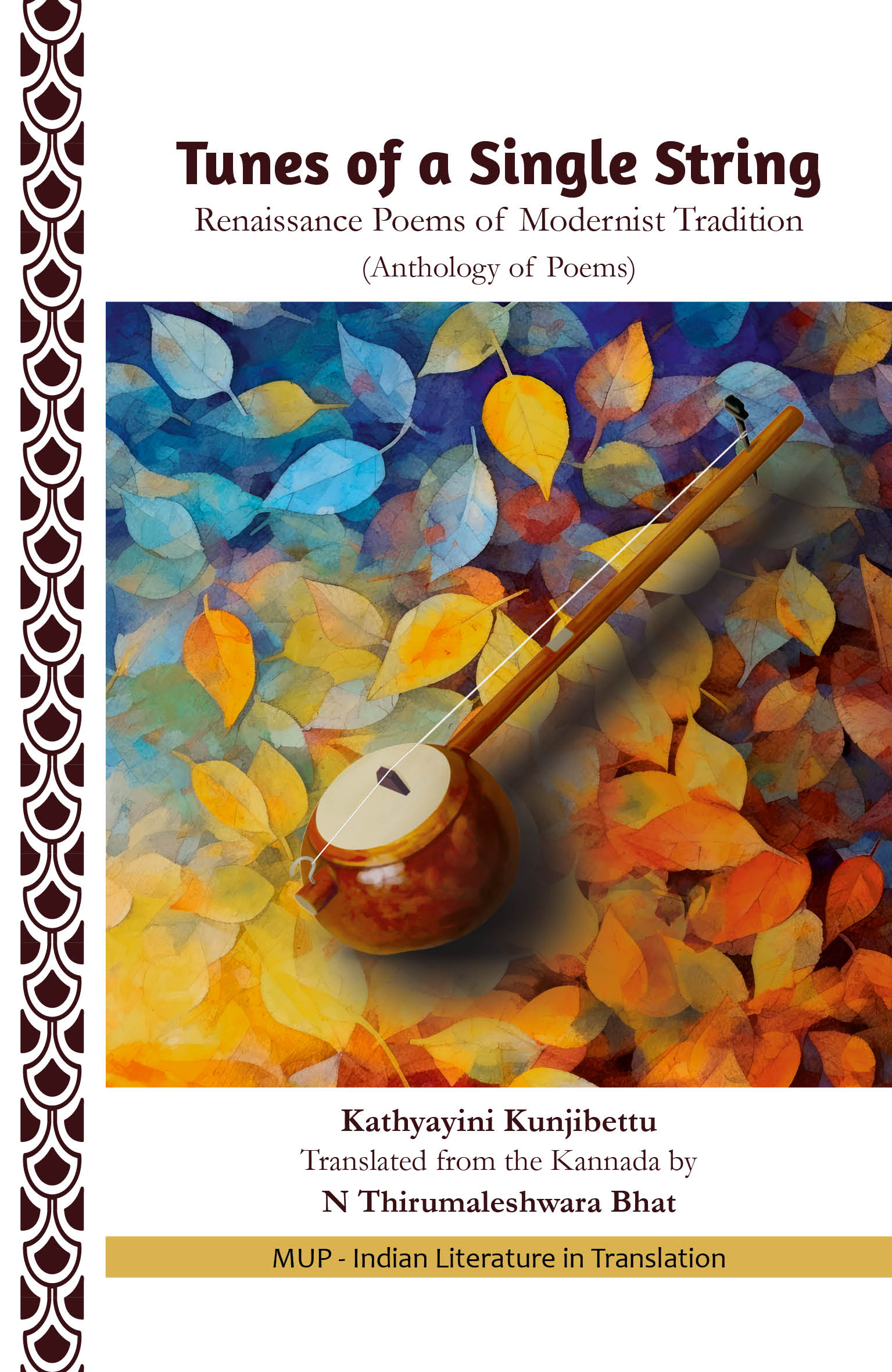
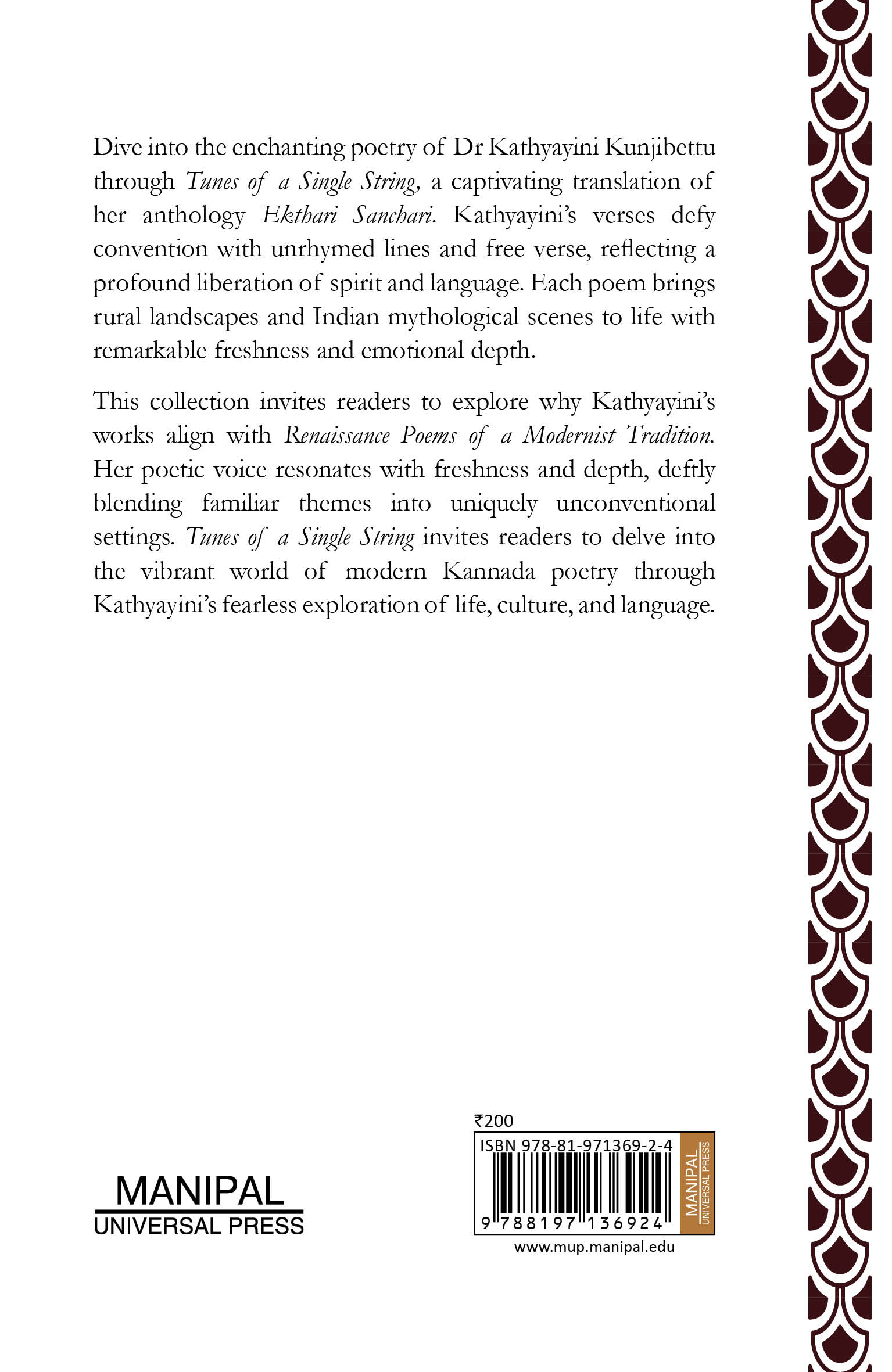
Tunes of a Single String
₹200.00
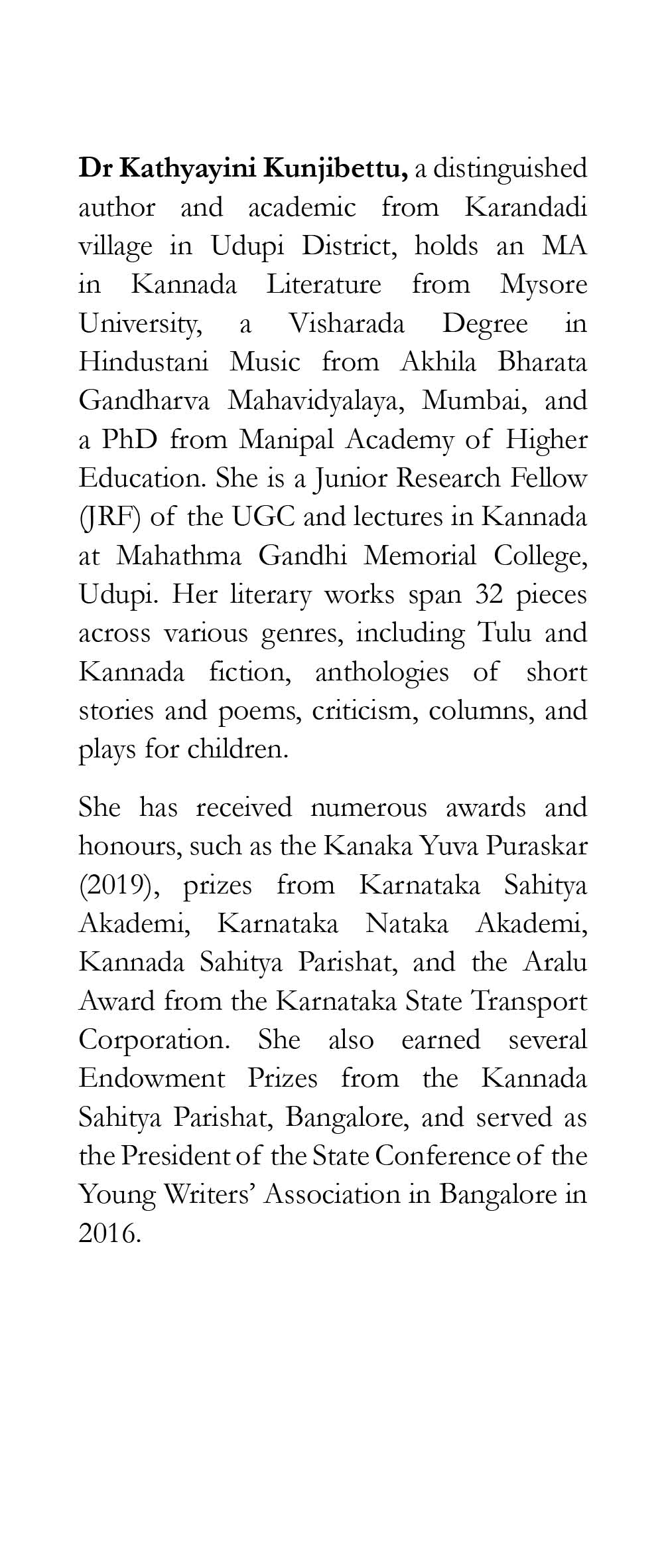
Author:
Dive into the enchanting poetry of Dr Kathyayini Kunjibettu through Tunes of a Single String, a captivating translation of her anthology Ekthari Sanchari. Kathyayini’s verses defy convention with unrhymed lines and free verse, reflecting a profound liberation of spirit and language. Each poem brings rural landscapes and Indian mythological scenes to life with remarkable freshness and emotional depth.
This collection invites readers to explore why Kathyayini’s works align with Renaissance Poems of a Modernist Tradition. Her poetic voice resonates with freshness and depth, deftly blending familiar themes into uniquely unconventional settings. Tunes of a Single String invites readers to delve into the vibrant world of modern Kannada poetry through Kathyayini’s fearless exploration of life, culture, and language.
Interested customers may write to us at mup@manipal.edu about purchasing the book.
Also available on |
| Format |
|---|
Customer Reviews
There are no reviews yet.
Related products
-
The Pollen Waits on Tiptoe- Selected Poems
₹310.00Author: Dattatreya Ramachandra Bendre, Translator: Madhav Ajjampur
The book presents English translations of 26 selected poems of 20th-century Kannada literature’s varakavi (heaven-touched poet) and one of the greatest lyric poets to have lived: Dattatreya Ramachandra Bendre.
Although no selection of Bendre’s poems, even in the original Kannada, can ever be representative of the astonishing range of his poetry, the poems in this book give the reader a sampling of some of the different types of poems Bendre wrote – including the blank verse of his sonnets, the free verse of some of his later poetry, and the overwhelmingly-euphonic lyric poems of his first period. Several of the included poems are also acknowledged classics.
A standout feature of this book is its character as a multimedia presentation. Given the exceptional aural quality of Bendre’s poetry, a provision has been made for the reader to listen to audio recordings of each poem, in both its original and translated forms. Also included are Afterwords which, among other things, contain stories about Bendre, interesting anecdotes related to the poems, and reflections on the process of translation.
Interested overseas customers may write to us at mup@manipal.edu about purchasing the book.
Also available on
eBook available on

-
Caught in the World of Binaries: Selected Poems of K S Nisar Ahmed
₹310.00Author: K S Nisar Ahmed Editors: C N Ramachandran, M S Raghunath
Professor K S Nisar Ahmed (b 1936) is a geologist by profession and a major writer in Kannada. His first collection of poems, Manasu Gandhi Bazar (My Mind is like Gandhi Bazar) was published in 1960, and since then he has published poetry (15 collections), prose (five collections), and translations from Shakespeare and Neruda. He has been honoured with many awards, including ‘Padmashri’, Honorary D Litt (Kuvempu University), and Pampa Prashasti (Karnataka Government). Living between two languages and two cultures, Prof. Nisar has successfully achieved the balance necessary for the tight-rope walking as a poet. He believes that, “Only when you understand another religion (or culture or language), you really understand your own religion (or culture or language).” The present volume of 100 selected poems exhibits the multifaceted poetry of Nisar that reflects his creative pluralism. The 13 translators of the poems in this volume include A K Ramanujan, V K Gokak and Tejaswini Niranjana.
Interested readers may write to us at mup@manipal.edu about purchasing the book.
Also available on
-
Nala Charitre: The Legend of Nala(A Short Epic)
₹295.00This book presents the mythological narrative of Nala-Damayanti as an epic poem in English. Among the luminaries of sixteenth century Bhakti tradition, Kanakadasa’s literary and musical compositions (kirtanes) are imbued with philosophical meanings, which show immense formative influence on the cultural and literary scene of Karnataka. Also, Kanakadasa’s literary works such as Mohana Tarangini, Haribhaktisara, and the eminent allegorical masterpiece Ramadhanya Charitre incorporate metaphors taken from everyday life, which fascinate the commoners and offers them respite from mundane life-struggles. While such metaphorical expressions represent a remarkable trend in Bhakti poetry, in Kanakadasa?s depiction of Nala and Damayanti’s misfortunes, the toilsome life of common men and women stares forth. Hauled out of their palatial leisurely living, a curious turn of events compels them to survive amidst endless suffering. On one hand Nala Charitre is a poignant story of love, and on the other, it thematizes human existence, humandivine relationship and simplifies poetry to reach the audience beyond the limited circle of literates. As the Bhakti Literature assimilates the vernacular into devotional poetry, Kanakadasa?s epic poem interweaves mythological themes from Mahabharata with struggles of medieval Indian society, thus overcoming the binaries of human and divine.
Interested readers may write to us at mup@manipal.edu about purchasing the book.
-
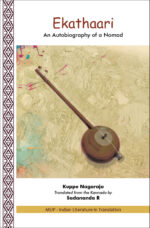
Ekathaari: An Autobiography of a Nomad
₹320.00Author: Kuppe Nagaraja, Translator: Sadananda R
Kuppe Nagaraja’s autobiography is of social importance as it covers the life of a nomadic community. Its uniqueness comes from the fact that the nomadic and semi-nomadic lifestyle is markedly different from that of other communities in the lower socioeconomic strata of society. This autobiography does not glorify the life of its author; it narrates the story of a community through the lens of an individual’s life. It begins as the story of an individual, then becomes the story of a family, and finally transforms into the story of a community. The autobiography grows beyond the traps of self-glorification by providing equal space to all these aspects in a balancedmanner.
– Baraguru Ramachandrappa
Noted Kannada writer, critic and film directorJust as birds migrate to greener pastures, nomadic people move towards regions that have received good rains. Kuppe Nagaraja’s autobiography meaningfully captures their traditions, beliefs, social interactions, and superstitions. This book can also be considered a free gift to social scientists as it provides insights into the life of nomads. It should be noted that it is very difficult to study nomads, as they keep to themselves and often dodge any probing questions.
Moreover, the book provides an answer to all those people who often stand on the footpaths of cities debating the relevance of caste-based reservation in Indian society.– Krupakara-Senani
The Green Oscar winning wildlife photographersInterested customers may write to us at mup@manipal.edu about purchasing the book.
Also available on
-
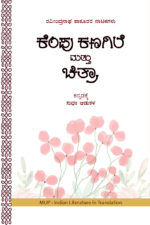
Kempu Kanagile and Chitra
₹160.00Author: Rabindranath Tagore, Translator: Sudha Adukkala
ಕೆಂಪು ಕಣಗಿಲೆ: ಅದೆಂಥ ಗಾಢಾಂಧಕಾರವೇ ಇರಲಿ, ಪುಟ್ಟ ಹಣತೆಯೊಂದು ಅದನ್ನು ತೊಡೆಯಬಲ್ಲುದೆಂಬುದು ಸಾರ್ವಕಾಲಿಕ ಸತ್ಯ. ಅಂಥದೊAದು ಸಂಘರ್ಷದ ಕಥನವನ್ನು ಗುರುದೇವ ರವೀಂದ್ರರು ತಮ್ಮ ಈ ನಾಟಕದಲ್ಲಿ ಹೇಳಿದ್ದಾರೆ. ‘ಕೆಂಪು ಕಣಗಿಲೆ’ ತೆರೆದಿಡುವ ಕೌರ್ಯದ ಜಗತ್ತು ಇಂದು ಈ ಕಾಲಘಟ್ಟದಲ್ಲಿ ನಿಂತು ಬರೆದರೇನೋ ಎಂಬಷ್ಟು ತಾಜಾ ಆಗಿದೆ. ಇಲ್ಲಿಯ ರಂಜನ ಕೇವಲ ಒಂದು ಪಾತ್ರವಲ್ಲ; ನಾವೆಲ್ಲರೂ ನಮ್ಮೊಳಗೆ ತುಂಬಿಸಿಕೊಳ್ಳಬೇಕಾದ ಜೀವನ ಪ್ರೀತಿಯ ವಿವಿಧ ಆಯಾಮಗಳ ಪ್ರತಿನಿಧಿ. ಇಲ್ಲಿಯ ನಂದಿನಿ ಇಂದು ಜಗವ ಸಂತೈಸಬೇಕಾದ ತಾಯಿಹೃದಯದ ಪ್ರತೀಕವಾಗಿದ್ದಾಳೆ.
ಚಿತ್ರಾ: ಪೌರಾಣಿಕ ಕಥಾನಕವೊಂದರ ಪುನರ್ಲೇಖನದ ಈ ನಾಟಕವು ಹೆಣ್ಣು ಮತ್ತು ರಾಷ್ಟçವನ್ನು ಒಂದು ಸಂಕಥನವನ್ನಾಗಿ ಚರ್ಚಿಸುತ್ತದೆ. ಹೆಣ್ಣು-ಗಂಡಿನ ಘನತೆಯ ಬದುಕನ್ನು ಕನಸುವ ನಿರೂಪಣೆ ನಾವು ಕಟ್ಟಬೇಕಾಗಿರುವ ರಾಷ್ಟçದ ರೂಪುರೇಷೆಗಳನ್ನೂ ತನ್ನೊಳಗೆ ಆಡಕ ಮಾಡಿಕೊಂಡಿದೆ. ನಮ್ಮ ಅನನ್ಯತೆಯನ್ನು ಉಳಿಸಿಕೊಳ್ಳುತ್ತಲೇ ಇನ್ನೊಬ್ಬರೊಂದಿಗೆ ಸಹಬಾಳ್ವೆಯನ್ನು ನಡೆಸುವ ಬಗೆಯನ್ನು ಮಂಡಿಸುತ್ತದೆ. ತಾನು ಆರೋಪಿಸಿಕೊಂಡ ಕೃತಕ ತೆರೆಯನ್ನು ಸರಿಸುವ ಚಿತ್ರಾ ನಮ್ಮೊಳಗಿನ ಅರಿವಿಗೆ ತೊಡಕಾಗಿರುವ ಸಂಕುಚಿತತೆಯ ಪರದೆಯನ್ನೂ ಸರಿಸುತ್ತಾಳೆ.
Interested overseas readers may write to us at mup@manipal.edu about purchasing the book.Also available on
-

Mahila Mahabharatha
₹160.00Author: K Madhavan Translator: Abhilasha S
ಮಹಿಳಾ ಮಹಾಭಾರತ, ಇದು ಜೆಎನ್ಯು ದೆಹಲಿಯ ವಿಶ್ರಾಂತ ಪ್ರಾಧ್ಯಾಪಕರಾದ ಕೆ. ಮಾಧವನ್ ರಚಿಸಿದ ನಾಟಕ. ರಂಗ ನಿರ್ದೇಶಕರೂ ಆಗಿರುವ ಮಾಧವನ್ರನ್ನು ೧೯೯೪ರಲ್ಲಿ ಯೂನಿವರ್ಸಿಟಿ ದು ಕ್ವಿಬೀ ಎ ಮಾನ್ಟ್ರಿಯಲ್ ವಿಶ್ವವಿದ್ಯಾನಿಲಯ ತನ್ನ ವಿದ್ಯಾರ್ಥಿಗಳಿಗೆ ರಂಗ ನಿರ್ದೇಶನದ ತರಬೇತಿ ನೀಡಲು ಆಹ್ವಾನಿಸಿತ್ತು. ಆಗ ಒಂದು ವರ್ಷ ನಡೆಸಿದ ರಂಗ ಕಾರ್ಯಾಗಾರದ ಭಾಗವಾಗಿ ೧೯೯೫ ರಲ್ಲಿ ಮಾಧವನ್ ಈ ನಾಟಕವನ್ನು ಫ್ರೆಂಚ್ ಭಾಷೆಯಲ್ಲಿ ರಚಿಸಿ ನಿರ್ದೇಶಿಸಿದ್ದರು. ನಂತರ ಇದು ಜರ್ಮನಿ, ಫ್ರಾನ್ಸ್, ಆಸ್ಟ್ರೇಲಿಯಾ ಮುಂತಾದ ದೇಶಗಳಲ್ಲಿ ಆಯಾ ಪ್ರದೇಶದ ಕಲಾವಿದರಿಂದ ಪ್ರದರ್ಶಿಸಲ್ಪಟ್ಟಿತು. ಹಾಗೆಯೇ ಭಾರತದಲ್ಲಿಯೂ ಅನೇಕ ನಗರಗಳಲ್ಲಿ ಈ ನಾಟಕ ಪ್ರದರ್ಶನ ಕಂಡಿದೆ. ೨೦೦೫ರಲ್ಲಿ ಈ ನಾಟಕದ ಇಂಗ್ಲಿಷ್ ಅವತರಣಿಕೆಯು ಥಿಯೇಟರ್ ಇಂಡಿಯಾದಿAದ ಪ್ರಕಟವಾಯಿತು. <br> ಎಲ್ಲ ಕಾಲದ ಮಹಿಳಾ ಜಗತ್ತಿನ ಆಂತರ್ಯದಲ್ಲಿ ನಡೆಯಬಹುದಾದ ಮಹಾಯುದ್ಧದ ಕಥನವೇ ಮಹಿಳಾ ಮಹಾಭಾರತ. ಇಲ್ಲಿ ಪುರಾಣ ಮತ್ತು ವಾಸ್ತವ ಜಗತ್ತಿನ ನಡುವಿನ ಗೆರೆಯೇ ಅಳಿಸಿ, ಪೌರಾಣಿಕತೆ ಮತ್ತು ವಾಸ್ತವಿಕತೆ ಮುಖಾಮುಖಿಯಾಗುತ್ತವೆ. ಮಹಾಭಾರತ ಕಥೆಯ ಪರಿಧಿಯಲ್ಲಿದ್ದಿರಬಹುದಾದ ಎಲ್ಲ ತಾಯಂದಿರೂ ಈ ನಾಟಕದಲ್ಲಿ ಕೇಂದ್ರದತ್ತ ಚಲಿಸಿ ಕತೆ ಹೇಳುತ್ತಾರಾದ್ದರಿಂದ, ಮಹಿಳಾ ಕಣ್ನೋಟದ ಮಹಾಭಾರತ ಇಲ್ಲಿ ಗೋಚರವಾಗುತ್ತದೆ. ವಿಶೇಷವೆಂದರೆ, ಈ ಇಡೀ ಕಥನದ ಸೂತ್ರಧಾರಿಣಿ, ಸಮಕಾಲೀನ ಜಗತ್ತಿನ ಅಸಹಾಯಕ, ಹತಾಶ ತಾಯಿ. ಇಲ್ಲಿ ಪುಟ್ಟ ಪೆಟ್ಟಿಗೆಯಲ್ಲಿ ಜೀವಶಕ್ತಿಯ ಬೀಜ ನೆಟ್ಟು ಅದು ಮೊಳಕೆಯೊಡೆದು ಬೃಹತ್ ವೃಕ್ಷವಾಗಿ ಅಡುಗೆ ಮನೆಯನ್ನೇ ಸ್ಪೋಟಿಸುವ ಹೆಣ್ಣುಗಳಿದ್ದಾರೆ, ಮರಕ್ಕೆ ಕಟ್ಟಿ ಸುಟ್ಟು ಹಾಕುತ್ತಿರುವ ಅಣ್ಣಂದಿರನ್ನೇ ನೋಡಿ ಗಹಗಹಿಸುವ ತಂಗಿಯರಿದ್ದಾರೆ, ಹೆಣ್ಣುಗಳ ನಿಟ್ಟುಸಿರ ತಾಪಕ್ಕೆ ಗುರಿಯಾಗಿ ನಲುಗುತ್ತಿರುವ ಗಂಡುಮಕ್ಕಳ ಸಂಕಟ ಕಂಡು ಮರುಗುತ್ತಿರುವ ತಾಯಂದಿರಿದ್ದಾರೆ. ಆದಿಯಿಂದ ಅಂತ್ಯದವರೆಗೆ ತೂಗುವ ತೊಟ್ಟಿಲು, ಅನುರಣಿಸುವ ಜೋಗುಳದ ಜೊತೆಗೆ ಹೆಮ್ಮಕ್ಕಳು ನೀಡುವ ಶಾಪದ ಸರಮಾಲೆಯೂ ಇಲ್ಲಿದೆ.
Interested readers may write to us at mup@manipal.edu about purchasing the book.
Also available on
-
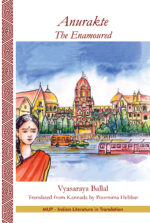
Anurakte- The Enamoured
₹390.00Author: Vyasaraya Ballal Translator: Poornima Hebbar
There are many rags-to-riches stories around the city of Mumbai. However, here is a story of transformation of a woman and her true self in the city of dreams. Set in Mangalore and Mumbai of the late 1940s, Anurakte- The Enamoured is an elegantly written story of a woman and her changing worldview over a period of time. Sumithra, a young woman with ordinary dreams and aspirations, comes to the then Bombay in search of livelihood. Little did she know that her experiences in the city and her zest for an independent life would transform her into a different person. She breaks the shell and resolves not to look back. The book is a poignant tale of love, loss, betrayal, family, relationships and traditions. The culturescape of Mumbai beautifully intertwines with her dreams. It is as much a story of the vibrancy of Mumbai as it is about Sumithra’s journey towards freedom.
Interested readers may write to us at mup@manipal.edu about purchasing the book.
Also available on
-
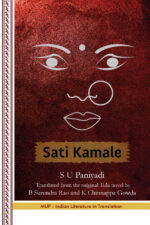
Sati Kamale
₹240.00Author: S U Paniyadi Translators: B Surendra Rao, K Chinnappa Gowda
This eponymous novel is centred on Kamale, who is an embodiment of wifely virtue. For fifteen long years Kamale lives the life of a widow to the outside world, nurturing the hopes of reuniting with the husband one day. Alone in the room, each night she wears her marks of a married woman with the dagger gifted by Umesha next to her. It could be seen as an exposition on the then existing indigenous discourse in India in the 19th century and early 20th century. Kamale, in her rigorous commitment and in retrieving her husband from ‘death’, is fashioned after Savithri in an intertextual reference to Mahabharata’s episode of “Satyavan and Savithri”. The novel might look conservative for the present-day reader, but it is a representative literary work of the time when Paniyadi, among many others, wanted to regain the independent status of the Tulu language which had somehow slipped out of its pedestal.
Interested readers may write to us at mup@manipal.edu about purchasing the book.
Also available on
Be the first to review “Tunes of a Single String”
You must be logged in to post a review.