
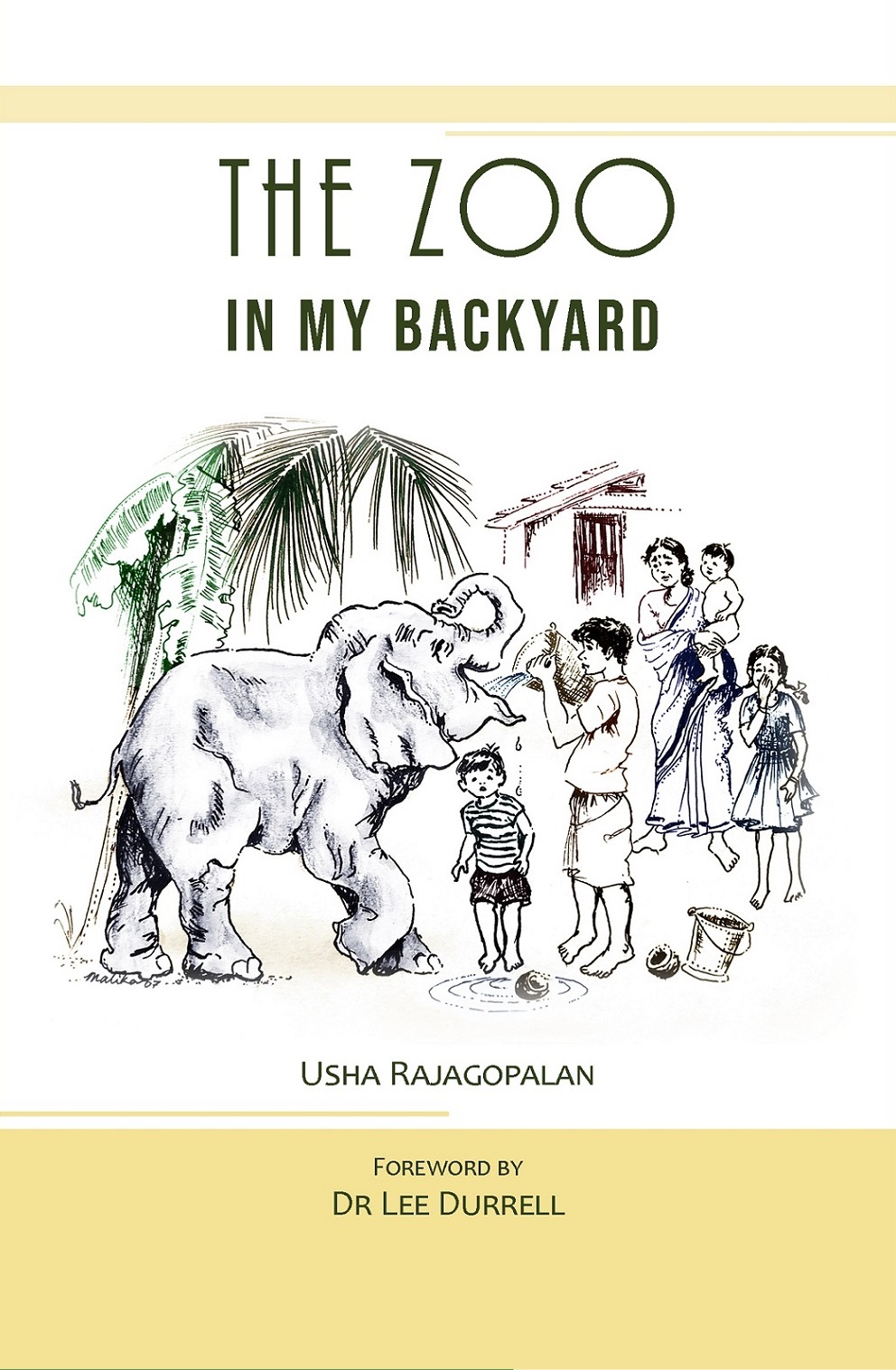
The Zoo In My Backyard
₹290.00
Author: Usha Rajagopalan
What can you expect in a family of quirky adults, hyperactive children, and an assortment of pets? The author and her siblings shared their childhood with Kesavan, the incorrigibly curious black monkey; Judie, the nimble giant squirrel; Mini, the shy mouse deer that strayed; Psitta, the cackling parakeet; Devil, the runaway hound and many more creatures great and small. The adventures of the children and antics of their pets, together with the adults in the family make for a whole lot of fun and laughter ? not just in the backyard but indoors as well.
Interested readers may write to us at mup@manipal.edu about purchasing the book.

| Author | |
|---|---|
| Format |
Related products
-
The Other Face
₹550.00Author: Na Mogasale Translator: N T Bhat
Set in a fictitious village called Kanthapura in Kasaragod district, Mukhāntara spans across the life of seven generations of a Havyaka Brahmin family. A story about the realities of living in a society marked by caste distinctions, the desire to find communal harmony and the tribulations of the characters through the entirety of the novel, it is also a tale of changing times and people. After unexpectedly coming into possession of a huge portion of land, Thirumalēshwara Bhat of Īshwarīmūle becomes a satisfied man. But childless, Thirumalēshwara Bhat and his wife Pārvathakka decide to adopt Venkappaiah and also give shelter to his widowed mother, Rathnamma. Venkappaiah is to inherit Thirumalēshwara’s vast wealth but when Krishnaiah, the illegitimate child of Thirumalēshwara and Rathnamma is born, rivalry ensues. Through the overlapping narratives of the characters, we get a glimpse into their journey from tradition to modernity. The characters strive to reshape new values when old values are slowly questioned and erased as they move on and are swept along in the waves of globalization.
Interested readers may write to us at mup@manipal.edu about purchasing the book.
Also available on
eBook available on

-

Sümi and the Dance of the Dark Spirits
₹199.00Author: Toinali Sema
Join the shy Moi, spirited Sumi and brave Vikai in this folk-fantasy adventure of self-discovery, bravery, mystery, and above all loyalty and friendship as they embark on a journey into unfamiliar territories and encounter supernatural beings, get chased by spirits, befriend dragonflies, meets the wind family, and fight the dark spirits.
Interested customers may write to us at mup@manipal.edu about purchasing the book.
Also available on
-
Vaidehi Dhvani
₹275.00Author: Vaidehi
ಪ್ರಸ್ತುತ ಪುಸ್ತಕವು ಮುಂದಿನ ಕಾಲಕ್ಕೆ ವೈದೇಹಿಯವರ ಧ್ವನಿ ಮತ್ತು ನಿರೂಪಣೆಯನ್ನು ದಾಖಲಿಸುವ ಪ್ರಯತ್ನವಾಗಿದೆ. ಅವರ ಕಥೆಗಳ ನಿರೂಪಣೆಯು ಕುಂದಾಪುರದ ಆಡುಭಾಷೆಯ ಶ್ರೀಮಂತಿಕೆಯಲ್ಲಿ ಮತ್ತು ಅದರಾಚೆಗೆ ಕನ್ನಡದ ಸಂಸ್ಕೃತಿಯೊಂದಿಗೆ ಏಕತೆಯ ಭಾವನೆಯೊಂದಿಗೆ ಎತ್ತರದಲ್ಲಿದೆ. ಐದು ಕಥೆಗಳು ಮತ್ತು ಏಳು ಕವಿತೆಗಳ ಈ ಪುಸ್ತಕವನ್ನು ಅವರು ಓದಿದ್ದಾರೆ. ಈ ಆಯ್ದ ಕಥೆಗಳು ಈಗಾಗಲೇ ಪ್ರಕಟವಾದವುಗಳಾಗಿವೆ ಆದರೆ ಅದನ್ನು ವಿಭಿನ್ನವಾಗಿಸುವುದು ಅವುಗಳನ್ನು ಓದುವ ವಿಧಾನವಾಗಿದೆ. ಪ್ರತಿ ಪದ, ಪ್ರತಿ ವಿರಾಮಚಿಹ್ನೆ, ಪ್ರತಿ ವಿರಾಮ, ಅವರ ಧ್ವನಿಯಲ್ಲಿ ತುಂಬಾ ವಿಭಿನ್ನವಾಗಿದೆ. “ವೈದೇಹಿ ಧ್ವನಿ” ಎಂಬ ಹೆಸರನ್ನು ಅವರ ಧ್ವನಿಯ ನಾದದ ಗುಣಮಟ್ಟವನ್ನು ಪ್ರತಿನಿಧಿಸಲು ನೀಡಲಾಗಿದೆ ಆದರೆ ಅದು ಕೇಳುಗ ಅಥವಾ ಓದುಗನಲ್ಲಿ ಹೊಸ ಶಕ್ತಿಯನ್ನು ಹುಟ್ಟುಹಾಕುತ್ತದೆ. ಆಕೆಯ ಕಥೆಗಳನ್ನು ಅಧ್ಯಯನ ಮಾಡಲು ಬಯಸುವವರಿಗೆ ಅನುಕೂಲವಾಗುವಂತೆ ಆಡಿಯೋ ಸಿಡಿಯು ಪಠ್ಯ ರೂಪದಲ್ಲಿ ಪುಸ್ತಕವನ್ನು ಸಹ ಹೊಂದಿದೆ. ವಿವಿಧ ವಿಶ್ವವಿದ್ಯಾನಿಲಯಗಳಲ್ಲಿ ಅನೇಕ ವಿದ್ಯಾರ್ಥಿಗಳು ಅಧ್ಯಯನದ ವಿಷಯವಾಗಿ ತೆಗೆದುಕೊಳ್ಳುತ್ತಾರೆ.
Interested readers may write to us at mup@manipal.edu about purchasing the book.
Also available on
-
The Gandhi Cap and Other Short Stories
₹345.00Author: Raja Radhikaraman Prasad Sinha, Translator: Mahendra P Srivastava
The book The Gandhi Cap and Other Short Stories offers a glimpse into the lifetime of work of a forgotten pioneer of Hindi fiction, Raja Radhikaraman Prasad Sinha. It is ironic that one cannot find a single book by this author who was so dedicated to Hindi literature. The stories in this collection are a testament not only to the contributions of Sinha to Hindi fiction but also, reflect the depth of political and social milieu of the times. Many readers will be moved by the elements patriotism, feminism, secularism, and spiritualism in these stories. Strong female characters are common in most of these stories. These characters provide both a moral fulcrum to the stories as well as reflect the struggle of women to balance prevailing customs with modernity. Some of these stories provide sharp political and social commentary that still have currency (The Gandhi Cap). Sinha incorporates a unique style of writing that uses lyrical prose and poetry together. He even employs a dialogue between the storyteller and a social gathering in the form of an epilogue, to offer a discourse on social dilemma about women’s plight to become modern while admonishing them to retain their Indian essence (An Expensive Bargain). We hope the readers will enjoy this wonderful collection.
Interested readers may write to us at mup@manipal.edu about purchasing the book.
Also available on
-
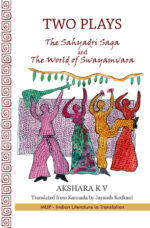
Two Plays – The Sahyadri Saga and The World of Swayamvara
₹199.00Author: Akshara K V Translator: Jayanth Kodkani
These two plays negotiate with the real problems of contemporary India. If Sahyadri Kanda is about the ripples caused in the life of the people in a village on the Western Coast which will soon have a nuclear plant, Swayamvaraloka, is an allegorical narrative set in a small village that extends to include the larger contemporary world. Both the plays dwell on the seeming binaries of village-city, success-failure, modern-traditional while examining the nature of human relationships in the changing world. These plays also reflect an ambition to elevate the real experience to a mythical level. While most playwrights attempt to echo contemporary concerns by reinterpreting history and mythology, for these plays, the epics, their grandeur, the struggle, the wars are not episodes that happen in kingdoms and palaces and battlefields, they are also that which takes place in the microworld of one’s consciousness. Each character in these plays find their own dharma, yet it offers no model for the reader, and remains only a pointer to the complex process of finding it.
Interested readers may write to us at mup@manipal.edu about purchasing the book.
Also available on
eBook available on
-
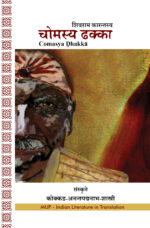
Comasya Dhakka
₹195.00Author: Shivarama Karanth Translator: Ananthapadmanabha Shastri
Set in the coastal Karavali region of Karnataka, Chomasya Dakka is the story of Coma, a Dalit bonded-laborer. Set in the pre-independent India, Comasya Dakka tells a poignant tale of dalit lives, and the suppression of their fundamental rights and identity through the character of Coma. Denied the right to even till and cultivate their own land due to their caste and identity, Coma and his children work as bonded-labourers for their landlord, Sankappayya. The plot of the novel follows the lives of Coma and his children and the tragedies that befall them. The original work in Kannada, Comana Dudi, was adapted into a well-acclaimed, national award-winning film in the year 1975. Directed by B V Karanth, it won the Swarna Kamal, Indias National Award for the Best Film in the year 1976.
Interested readers may write to us at mup@manipal.edu about purchasing the book.
Also available on
-
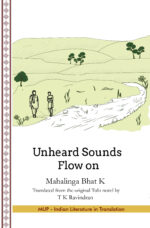
Unheard Sounds Flow On
₹315.00Author: K Mahalinga, Translator: T K Ravindran
In spite of being one of the oldest members of the Dravidian family of languages, Tulu, unfortunately, has not yet found the recognition that it richly deserves in the modern world. Since modernity privileges the written over the spoken, the Tulu language that is abundantly blessed with oral literature has been placed on the fringes of modern literary world. Ironically, Tulu is still engaged in a desperate fight for official status in a country that boasts of its cultural and linguistic diversity. The motives behind the translation of Nanajjer Sude Tirgayer, hailed as the first modern Tulu novel, into English refuse to remain apolitical in this context.
The novel, which has already been translated into Kannada, Konkani and Malayalam, beautifully captures the pulse of rusticity that characterizes the life of a village community that lived its life with its love-hate relationship with nature, more than 75 years ago in a Tulu speaking village in the south-western part of Karnataka. Besides bringing alive the socio-cultural practices that find their articulation through the natural linguistic plurality ingrained in the village psyche, the novel touches upon the duality of human nature that leaves man perennially condemned to an inner crisis.
Interested customers may write to us at mup@manipal.edu about purchasing the book.
Also available on
-
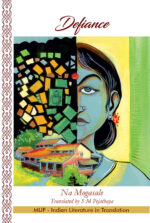
Defiance
₹495.00Defiance is a captivating tale of the march of globalization and its impact on the lives and times of the Santher Guthu family in Ombathkere, a village located between Mangaluru and Kasaragodu. Set in the picturesque Malabar coast of Karnataka in the late 20th Century, the novel takes the reader through four generations of the family. Ambakke, the protagonist, along with her brother Sankappa Hegde, the third-generation descendants of the family form the lifeblood of this story of human relationships in the midst of time and change. The novel is born out of deep contemplation of a community in the face of transition. There is anxiety that grips this part of Karnataka in the wake of modernity. The vast canvas of the novel and the depiction of folk culture provides a unique touch to the saga of the community. Defiance is a novel about traditions and the fear of losing out to modernity. It is about change and the desire to remain rooted.
Interested readers may write to us at mup@manipal.edu about purchasing the book.
Also available on