
The Zoo In My Backyard
₹290.00
Author: Usha Rajagopalan
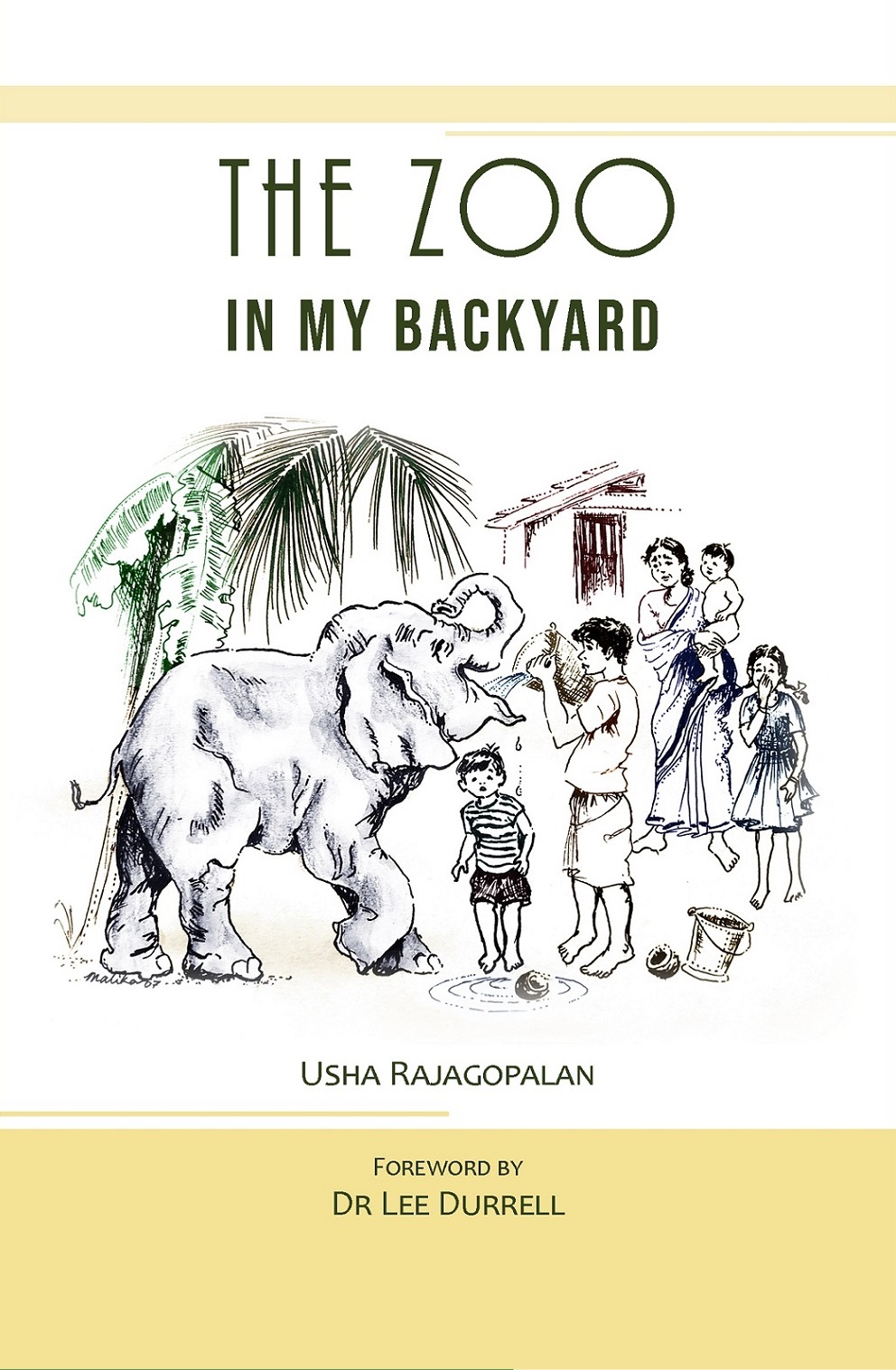
What can you expect in a family of quirky adults, hyperactive children, and an assortment of pets? The author and her siblings shared their childhood with Kesavan, the incorrigibly curious black monkey; Judie, the nimble giant squirrel; Mini, the shy mouse deer that strayed; Psitta, the cackling parakeet; Devil, the runaway hound and many more creatures great and small. The adventures of the children and antics of their pets, together with the adults in the family make for a whole lot of fun and laughter ? not just in the backyard but indoors as well.
Interested readers may write to us at mup@manipal.edu about purchasing the book.

| Author | |
|---|---|
| Format |
Customer Reviews
There are no reviews yet.
Related products
-
Sangita Lokadrishti
₹295.00Author: Sumangala
ತಂದೆ-ಮಗಳ ಸುರಬಹಾರಿನ ಸಂಗೀತಬಂಧದ ಚಿತ್ರಣದಿಂದ ಆರಂಭಗೊಳ್ಳುವ ಈ ಕಿರುಕೃತಿಯು ಸಾಗರ ವೀಣೆ ರೂಪುಗೊಳಿಸಿದ ಇನ್ನೊಂದು ತಂದೆ-ಮಗಳ ಸಂಗೀತಬಂಧದ ಚಿತ್ರಣದೊಂದಿಗೆ ಮುಕ್ತಾಯವಾಗುತ್ತದೆ. ಇಲ್ಲಿ ನಾಲ್ವರು ಸಂಗೀತಗಾರರ ಬದುಕಿನ ಕೆಲವು ಸನ್ನಿವೇಶಗಳು, ಸಂಗೀತಪಯಣದಲ್ಲಿ ಅವರು ಸಾಗಿದ ಹಾದಿ, ಕಠಿಣ ಸಂದರ್ಭಗಳು, ಅವರ ಸಾಂಗೀತಿಕ ಮನೋಧರ್ಮ, ರಾಗರೂಪದ ಕುರಿತ ದೃಷ್ಟಿಕೋನ, ಇತ್ಯಾದಿ ಅಂಶಗಳ ಸ್ಥೂಲ ಚಿತ್ರಣವಿದೆ.
ಸುರಬಹಾರಿನ ದಂತಕಥೆಯೆಂದೇ ಹೇಳಬಹುದಾದ ವಿದುಷಿ ಅನ್ನಪೂರ್ಣಾ ದೇವಿಯವರ ಖಾಸಗಿ ಬದುಕು, ಏಕಾಂತ ನಿಗೂಢವೆನ್ನಿಸುವ ಹಾಗೆಯೇ ಮೈಹರ್ ಘರಾನೆಯ ಸ್ವರಸಂಪತ್ತನ್ನು ಶಿಷ್ಯರಿಗೆ ಧಾರೆಯೆರೆದು ಕಲಿಸುತ್ತ, ಹಲವರನ್ನು ಮೇರು ಕಲಾವಿದರಾಗಿ ರೂಪುಗೊಳಿಸಿದ ಬಗೆಯೂ ಅನನ್ಯ. ಕೃತಿಯಲ್ಲಿ ಚಿತ್ರಿಸಿದ ಇನ್ನುಳಿದ ಮೂವರು ಸಂಗೀತಗಾರರು ನಮ್ಮ ನೆರೆಯ ಪಾಕಿಸ್ತಾನದ ಶಾಸ್ತ್ರೀಯ ಸಂಗೀತ ಪರಂಪರೆಯನ್ನು ಇನ್ನಷ್ಟು ಸಮೃದ್ಧಗೊಳಿಸಿದವರು.
“ಏ ದಯ್ಯಾ… ಕಹಾಂ ಗಯೇ ವೇ ಲೋಗ್… ಬ್ರಿಜ ಕೆ ಬಸಯ್ಯಾ…”
ಮನುಷ್ಯರ ನಡುವೆ ಹತ್ತುಹಲವು ಬಗೆಯ ದ್ವೇಷದ ಗೋಡೆಗಳು ಎದ್ದು ನಿಂತಿರುವ ಇಂದಿನ ದಿನಮಾನದಲ್ಲಿ ಭಿನ್ನತೆಗಳಿದ್ದರೂ ಪರಸ್ಪರ ಸಂವಾದ ನಡೆಸುತ್ತಿದ್ದ ಆ ಜನರನ್ನು, ಆ ಕಾಲಘಟ್ಟವನ್ನು ಮತ್ತೆ ಕಂಡುಕೊಳ್ಳಲು ಬಹುಶಃ ಇಂತಹ ಸಂಗೀತಗಾರರ ಕೊರಳೊಳಗಿನ, ಬೆರಳೊಳಗಿನ ಸ್ವರಗಳೇ ನಮ್ಮ ಕೈಹಿಡಿದು ಮುನ್ನಡೆಸಬೇಕಿದೆ.
Interested readers may write to us at mup@manipal.edu about purchasing the book.
Also available on
-
Swapna Saraswatha
₹530.00Author: Gopalakrishna Pai Translator: Sumathi Shenoy, M R Rakshith, Savita Sastri
Swapna Saraswatha is the saga of migration of a community called Saraswaths in the west coast of India, extending from Goa to the south of Mangalore. It captures the dominance of a colonial power over the region that began with the entry of the Portuguese about four hundred years ago. The novel is a graphic description of the displacement of this strongly-rooted community which saw its resurrection in a new area. In the course of its narrative, the novel traces the gradual changes in the structure of the family that moved from a closely knit joint family of the bygone era to the nuclear family. It also deals with the factors that are responsible for the change in value systems of individuals in the wake of such paradigm shifts. With its vast canvas, it remarkably weaves fiction with myth and history, peppered with cultural details and linguistic nuances. The narration in Swapna Saraswatha progresses in the form of an epic detailing the story of nine generations spread over a period of two hundred and fifty years from 1510 to about 1760. It encompasses more than a hundred and fifty characters which include Hindus, Muslims, Christians, chieftains, traders, farmers, priests and black magicians, and covers a range of themes spread across folk tales, legends, armies, myths and a sprinkling of history.
-
Caught in the World of Binaries: Selected Poems of K S Nisar Ahmed
₹310.00Author: K S Nisar Ahmed Editors: C N Ramachandran, M S Raghunath
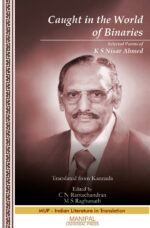
Professor K S Nisar Ahmed (b 1936) is a geologist by profession and a major writer in Kannada. His first collection of poems, Manasu Gandhi Bazar (My Mind is like Gandhi Bazar) was published in 1960, and since then he has published poetry (15 collections), prose (five collections), and translations from Shakespeare and Neruda. He has been honoured with many awards, including ‘Padmashri’, Honorary D Litt (Kuvempu University), and Pampa Prashasti (Karnataka Government). Living between two languages and two cultures, Prof. Nisar has successfully achieved the balance necessary for the tight-rope walking as a poet. He believes that, “Only when you understand another religion (or culture or language), you really understand your own religion (or culture or language).” The present volume of 100 selected poems exhibits the multifaceted poetry of Nisar that reflects his creative pluralism. The 13 translators of the poems in this volume include A K Ramanujan, V K Gokak and Tejaswini Niranjana.
Interested readers may write to us at mup@manipal.edu about purchasing the book.
Also available on
-
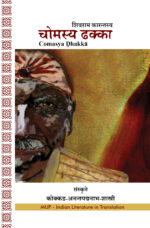
Comasya Dhakka
₹195.00Author: Shivarama Karanth Translator: Ananthapadmanabha Shastri
Set in the coastal Karavali region of Karnataka, Chomasya Dakka is the story of Coma, a Dalit bonded-laborer. Set in the pre-independent India, Comasya Dakka tells a poignant tale of dalit lives, and the suppression of their fundamental rights and identity through the character of Coma. Denied the right to even till and cultivate their own land due to their caste and identity, Coma and his children work as bonded-labourers for their landlord, Sankappayya. The plot of the novel follows the lives of Coma and his children and the tragedies that befall them. The original work in Kannada, Comana Dudi, was adapted into a well-acclaimed, national award-winning film in the year 1975. Directed by B V Karanth, it won the Swarna Kamal, Indias National Award for the Best Film in the year 1976.
Interested readers may write to us at mup@manipal.edu about purchasing the book.
Also available on
-
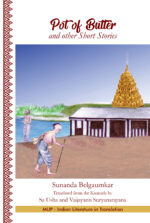
Pot of Butter and other short stories
₹250.00Author: Sunanda Belgaumkar Translator: Sa Usha, Vaijayanti Suryanarayana
Pot of Butter and other Short Stories is a collection of nine short stories, originally composed by Sunanda Belgaumkar in Kannada, handpicked and translated from her collections – Kajjaya and Koduvudenu Kombudenu. The bulk of her literary work including the stories in this book are inspired by the experiences in her early life, in the rustic and robust atmosphere of Dharwad. Her stories are predominantly semiautobiographical, laced with a liberal dose of artistic freedom.
This collection weaves together her writings on the underprivileged and marginalized as seen from the comfort of her palatial home, but rendered with compassion and empathy. Often, we find her narrative infused with self-directed questions such as, “What if I was in her shoes? ” or “Could that have been me? ” These stories are reflections on human nature, suffering, and destiny. There is hope, there is despair. There is love, there is longing. There is defeat, and there is triumph. In her stories, an oft-recurring metaphor for picking up one’s life after loss is a scorching summer followed by a torrential downpour and subsequently a plant springing to life.
As a translation, this book attempts to introduce Sunanda Belgaumkar’s literary and artistic creations to the non-Kannada reader, retaining as much of the indigenous elements of the original writings as possible. In doing so, it seeks to preserve the cultural climate of North Karnataka as it was around fifty years ago.
Interested readers may write to us at mup@manipal.edu about purchasing the book.
Also available on
-
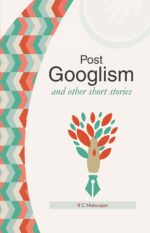
Post Googlism and Other Short Stories
₹350.00Author: R C Natarajan
This collection of short stories is for the fast-paced millennials, whom the author calls “The Post Googlist Generation” who want everything hastily, at their finger-tips and on the go. The language has also shrunk in size to allow the pace. The world-view of this generation is that what cannot be done through an app cannot and should not be done. Their expectations of a story are a striking start, a quickly built middle and an interesting end. Stories in the collection seek to meet these expectations of this generation talking to them in their own language. They also echo the changing lives and changing aspirations of the time.
Interested readers may write to us at mup@manipal.edu about purchasing the book.
Also available on
-
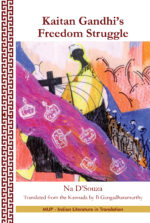
Kaitan Gandhi’s Freedom Struggle
₹280.00Author: Na D’Souza Translator: B Gangadharamurthy
Kaitan Gandhiya Swatantrya Horata is one of the very few novels written in Kannada on the Gandhian phase of the Indian freedom struggle. It is not globally unknown that Gandhi not only changed the idiom of the struggle and successfully experimented his lifetime-belief in non-violence on the vast canvas but also made it decisively inclusive. Kaitan Gandhi’s Freedom Struggle thematically illuminates these two crucial aspects of the great struggle and grapples with the naked truth as Charles, the priest in the novel revealingly says,The rulers, whosoever it is, are rulers. Caste, colour, or country does not matter to them. All are wicked. Like in all true works of realist literature, the author, here too, creatively blends the individual, the social, and the historical in such a way that the novel poignantly unfolds the true spirit of quest for freedom and humanity.
Interested readers may write to us at mup@manipal.edu about purchasing the book.
Also available on
-

Sümi and the Dance of the Dark Spirits
₹199.00Author: Toinali Sema
Join the shy Moi, spirited Sumi and brave Vikai in this folk-fantasy adventure of self-discovery, bravery, mystery, and above all loyalty and friendship as they embark on a journey into unfamiliar territories and encounter supernatural beings, get chased by spirits, befriend dragonflies, meets the wind family, and fight the dark spirits.
Interested customers may write to us at mup@manipal.edu about purchasing the book.
Also available on
Be the first to review “The Zoo In My Backyard”
You must be logged in to post a review.