
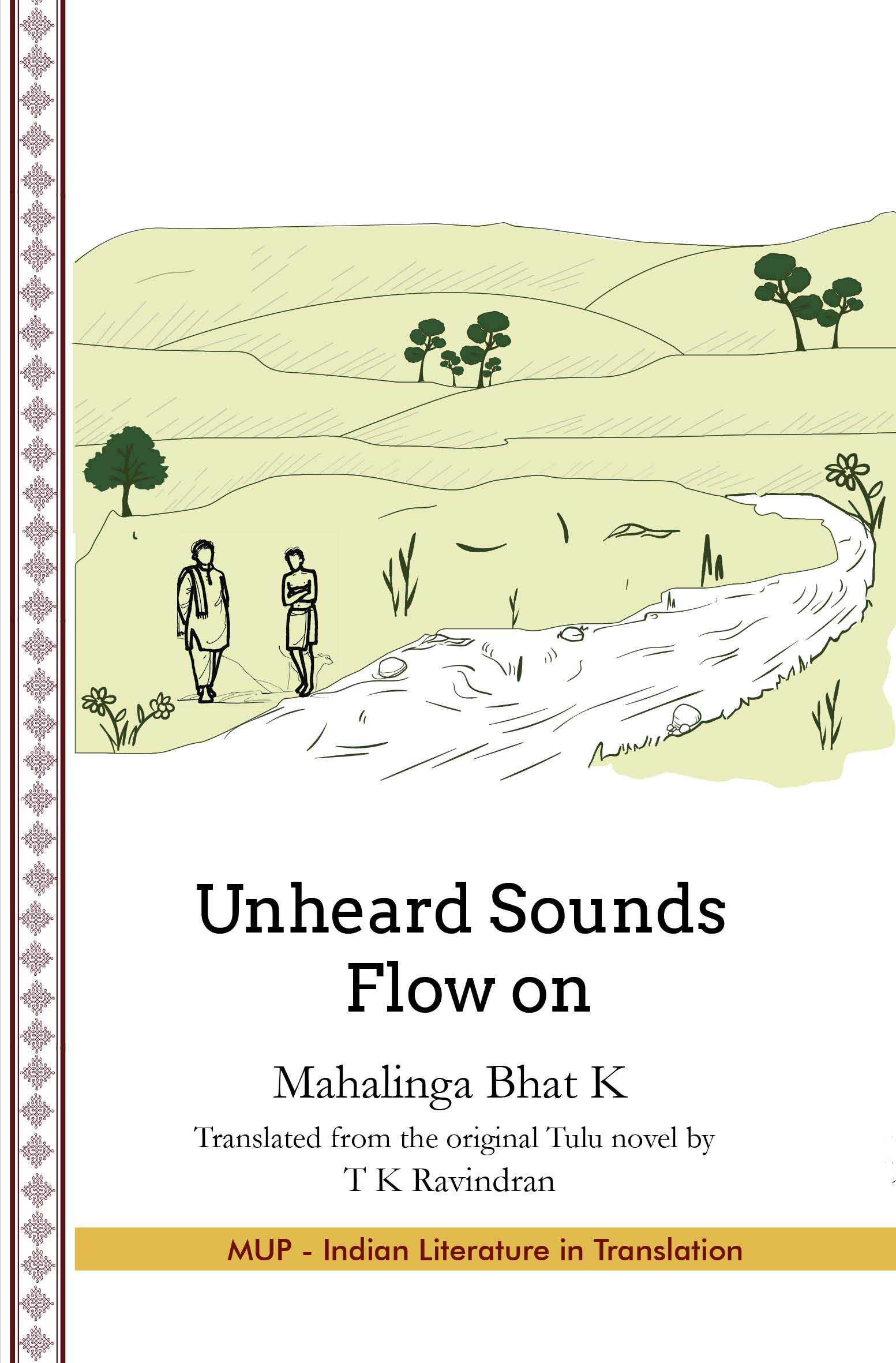
Unheard Sounds Flow On
₹315.00
Author: K Mahalinga, Translator: T K Ravindran
In spite of being one of the oldest members of the Dravidian family of languages, Tulu, unfortunately, has not yet found the recognition that it richly deserves in the modern world. Since modernity privileges the written over the spoken, the Tulu language that is abundantly blessed with oral literature has been placed on the fringes of modern literary world. Ironically, Tulu is still engaged in a desperate fight for official status in a country that boasts of its cultural and linguistic diversity. The motives behind the translation of Nanajjer Sude Tirgayer, hailed as the first modern Tulu novel, into English refuse to remain apolitical in this context.
The novel, which has already been translated into Kannada, Konkani and Malayalam, beautifully captures the pulse of rusticity that characterizes the life of a village community that lived its life with its love-hate relationship with nature, more than 75 years ago in a Tulu speaking village in the south-western part of Karnataka. Besides bringing alive the socio-cultural practices that find their articulation through the natural linguistic plurality ingrained in the village psyche, the novel touches upon the duality of human nature that leaves man perennially condemned to an inner crisis.
Interested customers may write to us at mup@manipal.edu about purchasing the book.
Also available on |
| Author | |
|---|---|
| Format |
Customer Reviews
There are no reviews yet.
Related products
-

The Practice of Geopolitics
₹850.00Author: M D Nalapat
Intended to be a Practioner’s Guide to Geopolitics, the book provides a look into the thought processes that generate correct and timely analysis of global events. Geopolitics needs to weave within its analytical grasp economics, society, strategy and even culture, as the science deals with overall national capabilities as well as the mutal synergy and frictions between nations. Although a broad range of subjects has been covered in the book, each is anchored in the ground reality of events having a profound impact on the lives of citizens and on world events. The growing interconnectedness of the globe has resulted in a need to do away with the popular west centric models of international relations and to view events not through that single prism but from a holistic viewpoint that accepts the relevance and maturity of different histories and geographies. What the book provides is an alternative Weltanschauung to the dominant models of geopolitical analysis, so that the science is enabled to cross beyond the narrow boundaries which have confined. The scope and applicability of its analysis. The rise of Asia needs a geopolitical vision unique to the continent, and this is what has been provided by Professor Nalapat.
Interested readers may write to us at mup@manipal.edu about purchasing the book.
Also available on
-
Just a few pages: Some Memories of Saraswatibai Rajwade
₹210.00Author: Vaidehi, Translator: Deepa Ganesh
This book is a coming together of two women writers of modern Kannada literature; one from its early period, the other, a contemporary. Saraswati Bai Rajwade, the early writer, became a fable, a mythology, leaving behind only the shadows of her writing. Vaidehi, the contemporary writer, reinvents Rajwade from the folds of history and gives her a life in the present. Saraswati Bai Rajwade was born into a poor family in the Dakshina Kannada of yore. By chance, she stepped into theatre and later into films. But all the glory that came to her unexpectedly, vanished just as suddenly. She later became the wife of a rich and high official, travelled abroad and underwent immense suffering. In her pain and loneliness, she took to books and also began to write and attained glory as a writer. In the last years of her life, she returned to a life of austerity and anonymity. Vaidehi has collected bits and pieces from her life and writing, presenting before us a unique tapestry. In this tapestry, Vaidehi?s perceptions criss-cross with Rajwade?s life and writing. Art does not reside in the object, but in its close encounter with life. This work unfolds before us as a grand illustration of such twin narratives.
Interested readers may write to us at mup@manipal.edu about purchasing the book.
Also available on
-
Pot of Butter and other short stories
₹250.00Author: Sunanda Belgaumkar Translator: Sa Usha, Vaijayanti Suryanarayana
Pot of Butter and other Short Stories is a collection of nine short stories, originally composed by Sunanda Belgaumkar in Kannada, handpicked and translated from her collections – Kajjaya and Koduvudenu Kombudenu. The bulk of her literary work including the stories in this book are inspired by the experiences in her early life, in the rustic and robust atmosphere of Dharwad. Her stories are predominantly semiautobiographical, laced with a liberal dose of artistic freedom.
This collection weaves together her writings on the underprivileged and marginalized as seen from the comfort of her palatial home, but rendered with compassion and empathy. Often, we find her narrative infused with self-directed questions such as, “What if I was in her shoes? ” or “Could that have been me? ” These stories are reflections on human nature, suffering, and destiny. There is hope, there is despair. There is love, there is longing. There is defeat, and there is triumph. In her stories, an oft-recurring metaphor for picking up one’s life after loss is a scorching summer followed by a torrential downpour and subsequently a plant springing to life.
As a translation, this book attempts to introduce Sunanda Belgaumkar’s literary and artistic creations to the non-Kannada reader, retaining as much of the indigenous elements of the original writings as possible. In doing so, it seeks to preserve the cultural climate of North Karnataka as it was around fifty years ago.
Interested readers may write to us at mup@manipal.edu about purchasing the book.
Also available on
-
Retro India
₹350.00Author: R M Rajgopal
Retro India is, in essence, a trip down the memory lane, meandering through the sixties, seventies, eighties and nineties of the twentieth century. Today’s youth would battle with the fact that India had experienced a sweeping change from what it was in just as recently as thirty years ago. What kind of a moribund economy could engender a continuing state of shortages, high inflation, low growth, a paucity of jobs, rampant smuggling, and a foreign exchange situation that was perpetually perilous! It took major political and economical transformations to remove the shackles that then bound the economy. This narrative provides a clear bridge between the then and now for the younger generations. And for the older reader, it provides a heap of nostalgia. In the latter half of the twentieth century, the changes in India have been vast and comprehensive. In these decades, economic indicators such as India’s growth in GDP rate, the proliferation of the number of Airlines in the Indian skies, the multiplying of car models, the flourishing of telephone connections and moving on to the world of mobiles, televisions going colour from black and white to operating with over a thousand channels, India turning digital, and so on clearly directs that India had taken a crucial turn in its history. India has changed. And how! The Indian consumer grins. This is notwithstanding the fact that poverty is endemic and the gulf between the rich and the poor.
Interested readers may write to us at mup@manipal.edu about purchasing the book.
Also available on
-
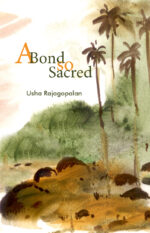
A Bond So Sacred
₹450.00A Bond So Sacred tells the story of Raman, a satyagrahi, who adopts Kokila, an orphan. He leaves the five year old in the care of his mother while he plunges into the freedom struggle. His nationalist fervour, however, clashes with his love for Amina, his charming neighbour who wants parental approval to their marriage. Raman’s mother is as staunch a Brahmin as Amina’s father is a Muslim. Will Raman be able to get their consent. The joy of India becoming an independent nation is marred by Gandhiji’s death. Raman’s fellow satyagrahis have gone their ways and he finds himself with no role to play in a rapidly changing country. Meanwhile, Kokila, his protégée, has her own battles to fight. As the years bring them together again, Kokila discovers truths about Raman that she would never have imagined. She is forced to confront the ghosts of the past, his and hers.
Interested readers may write to us at mup@manipal.edu about purchasing the book.
Also available on
-
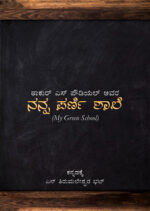
Nanna Parni Shaale
₹290.00Author: Thakur S Powdyel Translator: N T Bhat
ನನ್ನ ಪರ್ಣ ಶಾಲೆ ಠಾಕೂರ್ ಎಸ್ ಪಡೆಯಲು ಅವರು ಇಂಗ್ಲಿಷಿನಲ್ಲಿ ರಚಿಸಿದ ಪುಸ್ತಕದ ಕನ್ನಡ ಅನುವಾದ, ಭೂತಾನ್ ರಾಜ್ಯದಲ್ಲಿ ರಾಷ್ಟ್ರವ್ಯಾಪಿಯಾಗಿ ಅಳವಡಿಸಲಾದ ಶಿಕ್ಷಣ ಯೋಜನೆಯನ್ನು ಪೌಡಿಯಲ್ “ಮೈ ಗ್ರೀನ್ ಸ್ಕೂಲ್” ಎಂಬ ಹೆಸರಿನಲ್ಲಿ ವಿವರಿಸಿದ್ದಾರೆ. ಮೂಲದ ಇಂಗ್ಲಿಷ್ ಶೀರ್ಷಿಕೆ ಹೊಂದಿಕೊಳ್ಳುವಂತ ಈ ಅನುವಾದಕ್ಕೆ ಪರ್ಣ ಶಾಲೆ ಎಂಬ ಶೀರ್ಷಿಕೆಯನ್ನು ನೀಡಲಾಗಿದೆ. ವಿದ್ಯಾರ್ಥಿ ವ್ಯಕ್ತಿತ್ವ ವನ್ನು ಸರ್ವಾಂಗೀಣ ವಾಗಿ ರೂಪಿಸುವ ಉದಾತ್ತ ಧೈರ್ಯವನ್ನು ಶಿಕ್ಷಣವು ಹೊಂದಿರಬೇಕೆಂಬುದನ್ನು ಈ ಪುಸ್ತಕದಲ್ಲಿ ಗಂಭೀರವಾಗಿ ಪ್ರತಿ ಪಾದಿಸುತ್ತಾರೆ. ಮನುಷ್ಯನು ಪ್ರಕೃತಿಯೊಂದಿಗೆ ತಾದಾತ್ಮ್ಯ ಭಾವವನ್ನು ಹೊಂದಿಕೊಳ್ಳುವುದು ಸರ್ವಾಂಗೀಣ ವ್ಯಕ್ತಿತ್ವದಲ್ಲಿ ಆಂತರ್ಗತವಾಗಿದೆ. ಶಿಕ್ಷಣಕ್ಕೆ, ಶಿಕ್ಷಣ ಸಂಸ್ಥೆಗಳಿಗೆ ಈ ಲಕ್ಷ್ಯವೂ ಇರಬೇಕೆಂಬುದು ಸ್ವತಸ್ಸಿದ್ದ. ಈ ನಿಟ್ಟಿನಲ್ಲಿ ಉದಾತ್ತ ಶಿಕ್ಷಣ ನೀಡುವ ಶಾಲೆಯನ್ನು ಗ್ರೀನ್ ಸ್ಕೂಲ್ ಎಂದು ಕರೆಯುವುದು ಸರ್ವಥಾ ಸ ರಿ. ಅಂತೆಯೇ ಈ ಶಿಕ್ಷಣ ನೀತಿಯನ್ನು ಭಾರತದಲ್ಲೂ ವ್ಯಾಪಕವಾಗಿ ಅಳವಡಿಸುವುದು ಅಪೇಕ್ಷಣೀಯ.
Also available on
eBook available on

-
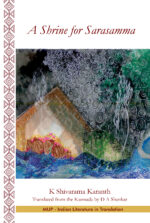
A Shrine for Sarasamma
₹180.00Author: Shivarama Karanth Translator: D A Shankar
A Shrine for Sarasamma is the English translation of Sarasammana Samadhi written by K Shivarama Karanth in 1937, in his early thirties. It offers one of the most authentic and searing accounts of Indian womanhood, which consistently, and through the ages, has suffered deep anguish, humiliation and crushing insult from the oppressive patriarchal culture prevalent in all parts of India and among all castes and classes. The novel is a classic in Kannada and the English translation is an attempt to bring to the English reading audience a taste of the regional classic.
Interested readers may write to us at mup@manipal.edu about purchasing the book.
Also available on
-
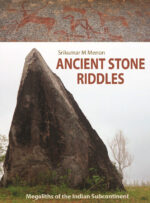
Ancient Stone Riddles: Megaliths of the Indian Subcontinent
₹185.00Ancient Stone Riddles is an introduction to the fascinating but less-known monuments called megaliths in the context of the Indian subcontinent. The book seeks to present the current understanding among archaeologists and other researchers in a lucid manner to the general reader, while stimulating thought on the many questions that linger about these remnants from our distant past and the people and cultures that built them. It also discusses recent research about the knowledge systems possessed by the megalith builders, including the possibility that some of these monuments were erected to observe celestial cycles.
Interested customers may write to us at mup@manipal.edu about purchasing the book.
Also available on
Be the first to review “Unheard Sounds Flow On”
You must be logged in to post a review.