
Sringara in Subandhu and Nemichandra
₹430.00
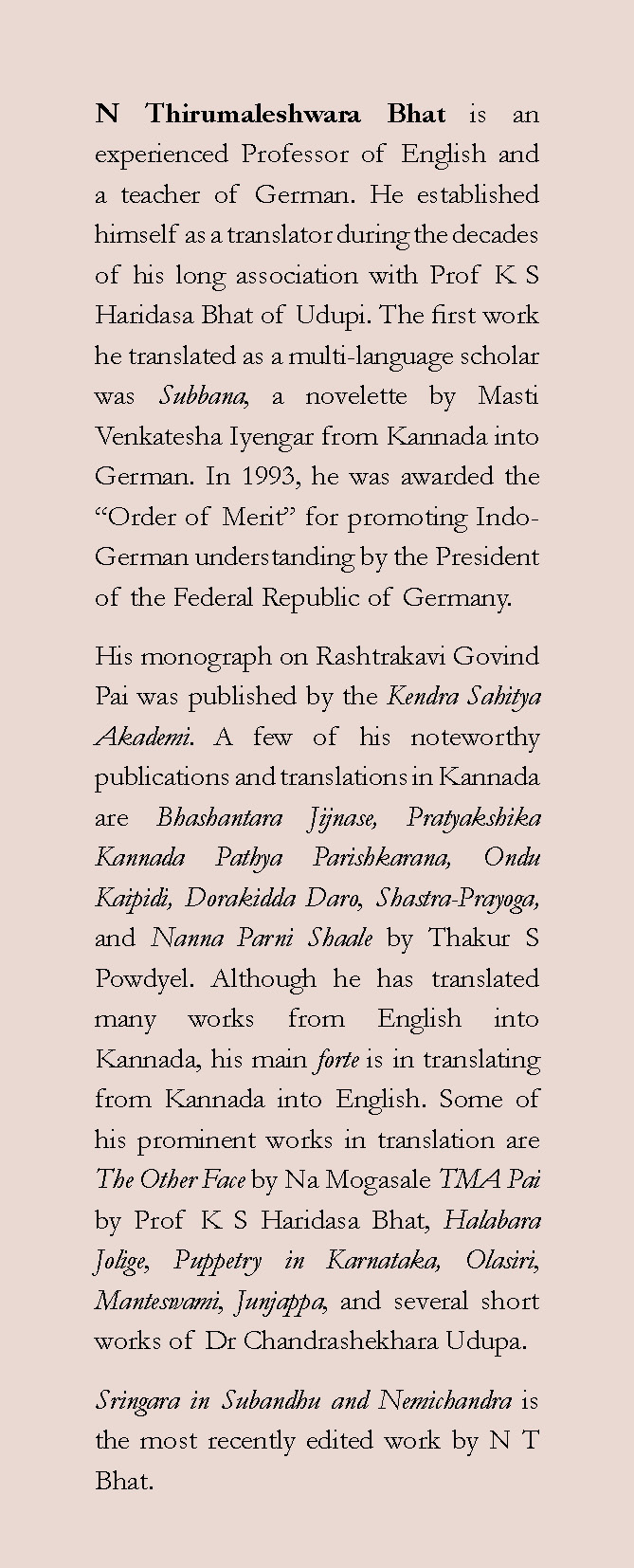
Author: Mahaling Bhat, Editor: N Thirumaleshwara Bhat
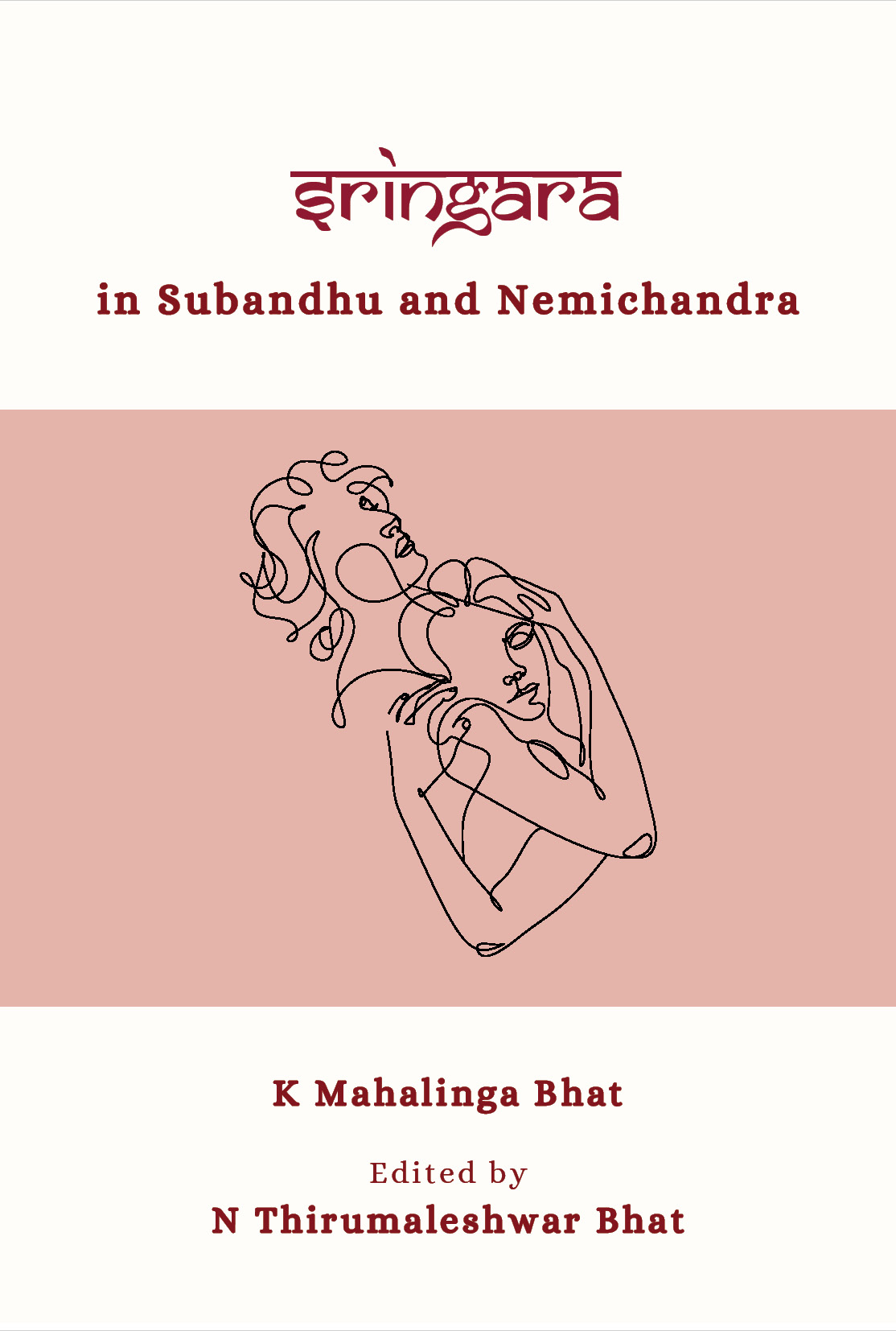
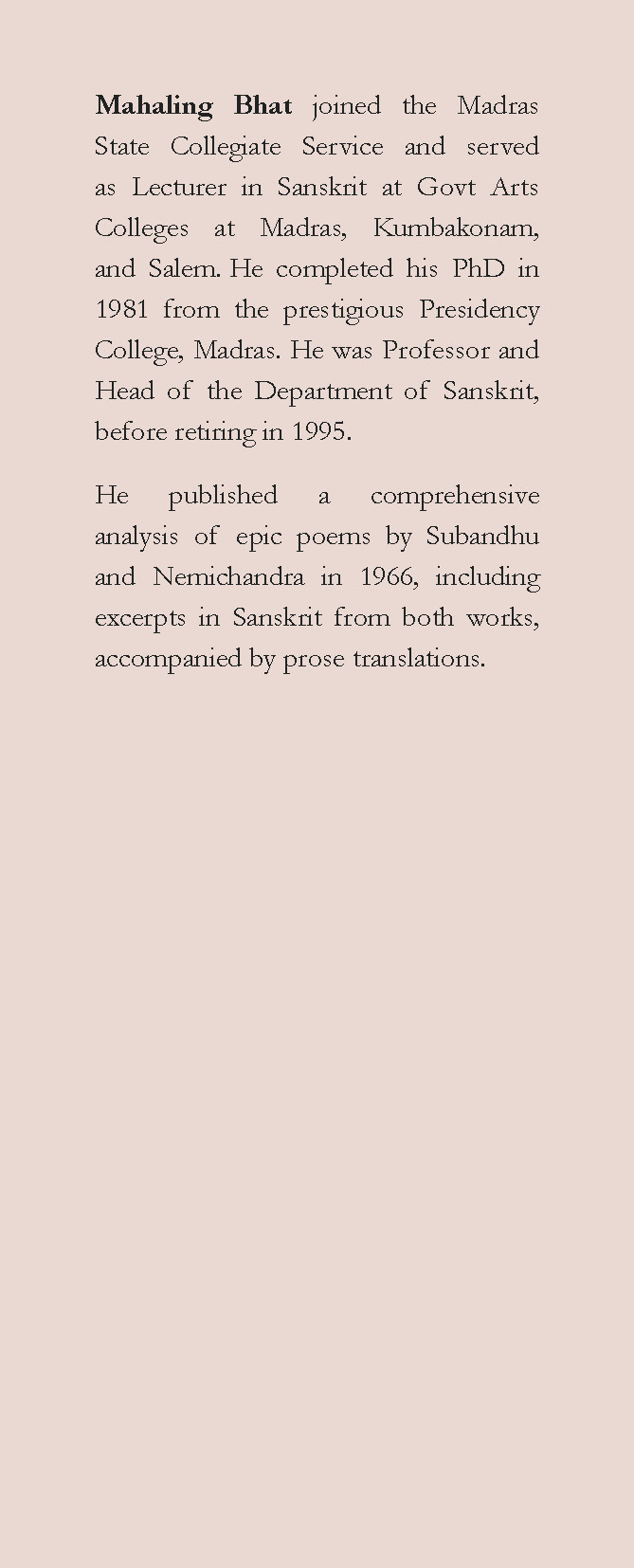
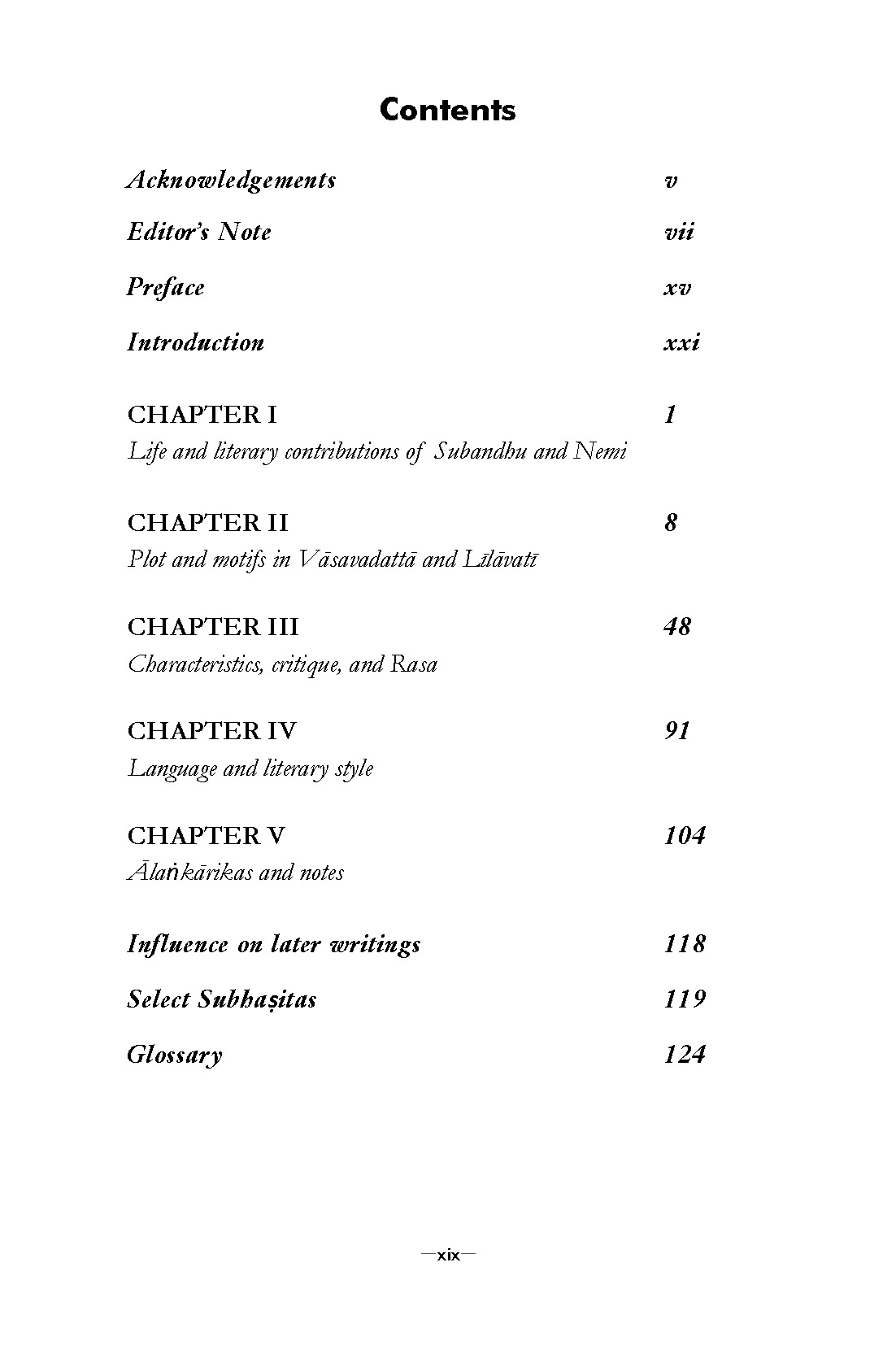
The Vāsavadattā by Subandhu and the Līlāvati Prabandham by Nēmicandra are two renowned Campū Kāvyas (epic poem) in Kannada, which can be traced back to the early half of 700 BCE. K Mahalinga Bhat published a comprehensive analysis of the epic poems in 1966, situating the original works in their cultural and historical contexts. This book highlights the folk-tale motifs, the characterization and delineation of various Rasas, and analyzes the language of the epics. It also includes excerpts in Sanskrit from both works, accompanied by prose translations.
The original stories are characterized by the element of Śṙṅgāra (Romance). In this book, the aspect of romance in the narratives and the lives of the protagonists is seen through a contemporary lens. It highlights societal conditions and norms prevalent between 700 to 600 BCE in Vāsavadattā and Līlāvati Prabandham in a different light. This new edition compiled by N Thirumaleshwara Bhat draws attention to the relevance of epic poems today and the universality of their narrative.
Interested readers may write to us at mup@manipal.edu about purchasing the book.
Also available on

| Author | |
|---|---|
| Editor | |
| Format |
Related products
-
A Handful of Sesame
₹310.00Author: Srinivas B Vaidya, Translator: Maithreyi Karnoor
With a captivating start, A Handful of Sesame plunges us into the heart of the dying years of the 1857 mutiny. But the mutiny is largely a backdrop to the novel. When Kamalanabh of Kashi is manipulated by an impoverished Brahmin of Navalgund into marrying his daughter, the novel becomes basically the story of an internal migration. This is rare, and it remains one of the strengths of the novel. We are so used to speaking of migration across the postcolonial bridge and accredited national borders that we forget that India is a country of endless internal migrations – in the past and the present.
Interested readers may write to us at mup@manipal.edu about purchasing the book.
Also available on
-
Two Plays – The Sahyadri Saga and The World of Swayamvara
₹199.00Author: Akshara K V Translator: Jayanth Kodkani
These two plays negotiate with the real problems of contemporary India. If Sahyadri Kanda is about the ripples caused in the life of the people in a village on the Western Coast which will soon have a nuclear plant, Swayamvaraloka, is an allegorical narrative set in a small village that extends to include the larger contemporary world. Both the plays dwell on the seeming binaries of village-city, success-failure, modern-traditional while examining the nature of human relationships in the changing world. These plays also reflect an ambition to elevate the real experience to a mythical level. While most playwrights attempt to echo contemporary concerns by reinterpreting history and mythology, for these plays, the epics, their grandeur, the struggle, the wars are not episodes that happen in kingdoms and palaces and battlefields, they are also that which takes place in the microworld of one’s consciousness. Each character in these plays find their own dharma, yet it offers no model for the reader, and remains only a pointer to the complex process of finding it.
Interested readers may write to us at mup@manipal.edu about purchasing the book.
Also available on
eBook available on

-
Sümi and the Dance of the Dark Spirits
₹199.00Author: Toinali Sema
Join the shy Moi, spirited Sumi and brave Vikai in this folk-fantasy adventure of self-discovery, bravery, mystery, and above all loyalty and friendship as they embark on a journey into unfamiliar territories and encounter supernatural beings, get chased by spirits, befriend dragonflies, meets the wind family, and fight the dark spirits.
Interested customers may write to us at mup@manipal.edu about purchasing the book.
Also available on
-
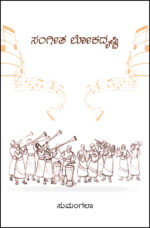
Sangita Lokadrishti
₹295.00Author: Sumangala
ತಂದೆ-ಮಗಳ ಸುರಬಹಾರಿನ ಸಂಗೀತಬಂಧದ ಚಿತ್ರಣದಿಂದ ಆರಂಭಗೊಳ್ಳುವ ಈ ಕಿರುಕೃತಿಯು ಸಾಗರ ವೀಣೆ ರೂಪುಗೊಳಿಸಿದ ಇನ್ನೊಂದು ತಂದೆ-ಮಗಳ ಸಂಗೀತಬಂಧದ ಚಿತ್ರಣದೊಂದಿಗೆ ಮುಕ್ತಾಯವಾಗುತ್ತದೆ. ಇಲ್ಲಿ ನಾಲ್ವರು ಸಂಗೀತಗಾರರ ಬದುಕಿನ ಕೆಲವು ಸನ್ನಿವೇಶಗಳು, ಸಂಗೀತಪಯಣದಲ್ಲಿ ಅವರು ಸಾಗಿದ ಹಾದಿ, ಕಠಿಣ ಸಂದರ್ಭಗಳು, ಅವರ ಸಾಂಗೀತಿಕ ಮನೋಧರ್ಮ, ರಾಗರೂಪದ ಕುರಿತ ದೃಷ್ಟಿಕೋನ, ಇತ್ಯಾದಿ ಅಂಶಗಳ ಸ್ಥೂಲ ಚಿತ್ರಣವಿದೆ.
ಸುರಬಹಾರಿನ ದಂತಕಥೆಯೆಂದೇ ಹೇಳಬಹುದಾದ ವಿದುಷಿ ಅನ್ನಪೂರ್ಣಾ ದೇವಿಯವರ ಖಾಸಗಿ ಬದುಕು, ಏಕಾಂತ ನಿಗೂಢವೆನ್ನಿಸುವ ಹಾಗೆಯೇ ಮೈಹರ್ ಘರಾನೆಯ ಸ್ವರಸಂಪತ್ತನ್ನು ಶಿಷ್ಯರಿಗೆ ಧಾರೆಯೆರೆದು ಕಲಿಸುತ್ತ, ಹಲವರನ್ನು ಮೇರು ಕಲಾವಿದರಾಗಿ ರೂಪುಗೊಳಿಸಿದ ಬಗೆಯೂ ಅನನ್ಯ. ಕೃತಿಯಲ್ಲಿ ಚಿತ್ರಿಸಿದ ಇನ್ನುಳಿದ ಮೂವರು ಸಂಗೀತಗಾರರು ನಮ್ಮ ನೆರೆಯ ಪಾಕಿಸ್ತಾನದ ಶಾಸ್ತ್ರೀಯ ಸಂಗೀತ ಪರಂಪರೆಯನ್ನು ಇನ್ನಷ್ಟು ಸಮೃದ್ಧಗೊಳಿಸಿದವರು.
“ಏ ದಯ್ಯಾ… ಕಹಾಂ ಗಯೇ ವೇ ಲೋಗ್… ಬ್ರಿಜ ಕೆ ಬಸಯ್ಯಾ…”
ಮನುಷ್ಯರ ನಡುವೆ ಹತ್ತುಹಲವು ಬಗೆಯ ದ್ವೇಷದ ಗೋಡೆಗಳು ಎದ್ದು ನಿಂತಿರುವ ಇಂದಿನ ದಿನಮಾನದಲ್ಲಿ ಭಿನ್ನತೆಗಳಿದ್ದರೂ ಪರಸ್ಪರ ಸಂವಾದ ನಡೆಸುತ್ತಿದ್ದ ಆ ಜನರನ್ನು, ಆ ಕಾಲಘಟ್ಟವನ್ನು ಮತ್ತೆ ಕಂಡುಕೊಳ್ಳಲು ಬಹುಶಃ ಇಂತಹ ಸಂಗೀತಗಾರರ ಕೊರಳೊಳಗಿನ, ಬೆರಳೊಳಗಿನ ಸ್ವರಗಳೇ ನಮ್ಮ ಕೈಹಿಡಿದು ಮುನ್ನಡೆಸಬೇಕಿದೆ.
Interested readers may write to us at mup@manipal.edu about purchasing the book.
Also available on
-
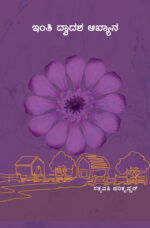
Inti Dvadasha Akhyana
₹120.00Author: Sathyavathi Harikrishnan
ಸತ್ಯವತಿ ಹರಿಕೃಷ್ಣನ್ ಹಾಸ್ಯಬರವಣಿಗೆಯಲ್ಲಿ ಸುಮಾರು ಎರಡು ದಶಕಗಳಿಂದ ತನ್ನನ್ನು ತೊಡಗಿಸಿಕೊಂಡಿರುವ ಕವಯಿತ್ರಿ. ಇವರ ಹಾಸ್ಯಲೇಖನಗಳು ತರಂಗ, ತುಷಾರ, ಮಯೂರ, ಕರ್ಮವೀರದಂಥ ನಿಯತಕಾಲಿಕಗಳಲ್ಲಿ, ಉದಯವಾಣಿ, ಪ್ರಜಾವಾಣಿ ಮುಂತಾದವುಗಳಲ್ಲಿಯೂ ಪ್ರಕಟಗೊಂಡಿವೆ. 2002ರಲ್ಲಿ ಡೆಟ್ರಾಯಿಟ್ ನಲ್ಲಿ ನಡೆದ “ಅಕ್ಕ” ವಿಶ್ವ ಕನ್ನಡ ಸಮ್ಮೇಳನದ ಸ್ಮರಣ ಸಂಚಿಕೆಯಲ್ಲಿ ಇವರ “ಗುಂಡ್ರಾಮನ ಚಿಕಿತ್ಸಾಯಣ’ ಎಂಬ ಕೃತಿ ಪ್ರಕಟವಾಗಿದೆ. ಸನ್ಮಾನ್ಯರಾದ ದೇಜಗೌ ಮತ್ತು ಜಿಟಿನಾರವರ ಸಂಪಾದಕತ್ವದಲ್ಲಿ ಪ್ರಕಟವಾದ “ಪುಸ್ತಕ ಪ್ರಪಂಚ’ದಲ್ಲಿ ಇವರ ಅನುವಾದಿತ ಲೇಖನಗಳು ಪಡಿಮೂಡಿವೆ. “ಕುಂಬಾಸ’, “ನುಗ್ಗೇಹಳ್ಳಿ ಪಂಕಜ’ವೇ ಮೊದಲಾದ ಪ್ರಶಸ್ತಿಗಳನ್ನು ಪಡೆದಿರುವ ಸತ್ಯವತಿಯವರು ಈಗಾಗಲೇ ಐದು ಹಾಸ್ಯ ಸಂಕಲನಗಳನ್ನು ರಚಿಸಿದ್ದಾರೆ. ಅವರ ಆರನೆಯ ಹಾಸ್ಯ ಸಂಕಲನವೇ – “ಇಂತಿ ದ್ವಾದಶ ಆಖ್ಯಾನ’. ಹಾಸ್ಯದಲ್ಲಿ ಅಪಹಾಸ್ಯ, ತಿಳಿಹಾಸ್ಯ, ವ್ಯಂಗ್ಯ ಮುಂತಾದ ಪ್ರಭೇದಗಳಿವೆ. ವ್ಯಂಗ್ಯಮಿಶ್ರಿತವಾದ ತಿಳಿಹಾಸ್ಯ ಒಂದೇ ಕಾಲದಲ್ಲಿ ಎರಡು ಉದ್ದೇಶಗಳನ್ನು ಹೊಂದಿರುತ್ತವೆ. ಅದು ಮೇಲ್ನೋಟಕ್ಕೆ ಮನೋರಂಜನೆಯಾಗಿ ಕಂಡರೂ, ಅದರ ಇಂಗಿತ ಓದುಗರನ್ನು ಗಂಭೀರ ಚಿಂತನೆಗೆ ತೊಡಗುವಂತೆ ಮಾಡುವುದಾಗಿರುತ್ತದೆ. ವ್ಯಕ್ತಿಯನ್ನು ನೋಯಿಸದೇ ಲಘುಹಾಸ್ಯ-ವ್ಯಂಗ್ಯಗಳಿಂದ ಸ್ವವಿಮರ್ಶೆ ಮಾಡಿಕೊಳ್ಳುವಂತೆ ಪ್ರೇರೇಪಿಸುವುದು ಹಾಸ್ಯದ ಕಲಾತ್ಮಕ ಪ್ರಕ್ರಿಯೆ. ಶ್ರೀಮತಿ ಸತ್ಯವತಿಯವರ ಈ ಕೃತಿಯಲ್ಲಿ ಇಂತಹ ಒಂದು ಪ್ರಯತ್ನವನ್ನು ನಾವು ಕಾಣಬಹುದು. “ಇಂತಿ ದ್ವಾದಶ ಆಖ್ಯಾನ’ದಲ್ಲಿ ಹನ್ನೆರಡು ವೈವಿಧ್ಯಮಯ ಸಣ್ಣ ಹಾಸ್ಯಲೇಖನಗಳಿವೆ. ಸತ್ಯವತಿಯವರು ನಮ್ಮ ಜೀವನದ ಸಾಮಾನ್ಯ ಘಟನೆಗಳನ್ನೇ ರಂಗುರಂಗಾಗಿ ತಿಳಿಹಾಸ್ಯದ ಮೂಲಕ ಈ ಕೃತಿಯಲ್ಲಿ ತೋರಿಸಿದ್ದಾರೆ. ಕಾಲ್ಪನಿಕ ಘಟನೆಗಳಲ್ಲಿ ಹಾಸ್ಯದ ಪಾತ್ರಗಳನ್ನು ಸೃಷ್ಟಿಸಿ, ಗಂಭೀರ ವಿಚಾರಗಳನ್ನು ಮನಮುಟ್ಟುವಂತೆ ನಿರೂಪಿಸುವ ಲೇಖಕಿಯ ಶೈಲಿಯು ಅಪೂರ್ವವಾದದ್ದು. ಪ್ರತಿ ಕತೆಯ ಶೀರ್ಷಿಕೆಯಲ್ಲೇ ಹಾಸ್ಯ ತುಂಬಿರುವ ಈ ಕೃತಿಯು ಓದುಗರನ್ನು ನಗಿಸುವಲ್ಲಿ ಯಶಸ್ವಿಯಾಗುತ್ತದೆ.
Interested customers may write to us at mup@manipal.edu about purchasing the book.
Also available on
-
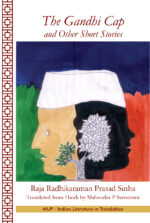
The Gandhi Cap and Other Short Stories
₹345.00Author: Raja Radhikaraman Prasad Sinha, Translator: Mahendra P Srivastava
The book The Gandhi Cap and Other Short Stories offers a glimpse into the lifetime of work of a forgotten pioneer of Hindi fiction, Raja Radhikaraman Prasad Sinha. It is ironic that one cannot find a single book by this author who was so dedicated to Hindi literature. The stories in this collection are a testament not only to the contributions of Sinha to Hindi fiction but also, reflect the depth of political and social milieu of the times. Many readers will be moved by the elements patriotism, feminism, secularism, and spiritualism in these stories. Strong female characters are common in most of these stories. These characters provide both a moral fulcrum to the stories as well as reflect the struggle of women to balance prevailing customs with modernity. Some of these stories provide sharp political and social commentary that still have currency (The Gandhi Cap). Sinha incorporates a unique style of writing that uses lyrical prose and poetry together. He even employs a dialogue between the storyteller and a social gathering in the form of an epilogue, to offer a discourse on social dilemma about women’s plight to become modern while admonishing them to retain their Indian essence (An Expensive Bargain). We hope the readers will enjoy this wonderful collection.
Interested readers may write to us at mup@manipal.edu about purchasing the book.
Also available on
-
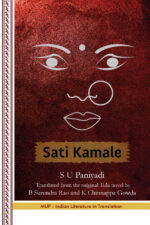
Sati Kamale
₹240.00Author: S U Paniyadi Translators: B Surendra Rao, K Chinnappa Gowda
This eponymous novel is centred on Kamale, who is an embodiment of wifely virtue. For fifteen long years Kamale lives the life of a widow to the outside world, nurturing the hopes of reuniting with the husband one day. Alone in the room, each night she wears her marks of a married woman with the dagger gifted by Umesha next to her. It could be seen as an exposition on the then existing indigenous discourse in India in the 19th century and early 20th century. Kamale, in her rigorous commitment and in retrieving her husband from ‘death’, is fashioned after Savithri in an intertextual reference to Mahabharata’s episode of “Satyavan and Savithri”. The novel might look conservative for the present-day reader, but it is a representative literary work of the time when Paniyadi, among many others, wanted to regain the independent status of the Tulu language which had somehow slipped out of its pedestal.
Interested readers may write to us at mup@manipal.edu about purchasing the book.
Also available on
-
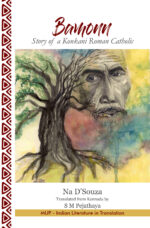
Bamonn: Story of a Konkani Roman Catholic
₹255.00Author: Na D’Souza Translator: S M Pejathaya
Konkani Roman Catholic Christians were converted from other groups by Goan Missionaries long back, keeping the caste system tradition to a large extent in layers such as the Bamonn, the Charodi, the Gawdi, the Nendar, the Shudra, etc. At the time of marriages and other social gatherings they continue to consider caste system norms and customs in the community. Caste system in Indian Christians is vividly described in the novel Bamonn. Christopher Pai of Kalyanpura hails from a Bamonn family and takes great pride in his ancestry. He believes in the stories about his Konkani Roman Catholic ancestors from his elders and about their being true Christians, holding on to their faith despite tremendous pressure to convert to Islam during Tipu Sultan’s regime. He also believes Bamonns are superior to other Christians in the community. After retiring from his job of a Headmaster, he refuels his obsession to retrace his roots and find out the truth about his ancestors. In his journey of self-assurance and faith, will he succeed in his mission to convince his family, his children and the community at large of his glorious ancestry and in still pride in the next generation? . . .
Interested readers may write to us at mup@manipal.edu about purchasing the book.
Also available on