

Post Googlism and Other Short Stories
₹350.00
Author: R C Natarajan
This collection of short stories is for the fast-paced millennials, whom the author calls “The Post Googlist Generation” who want everything hastily, at their finger-tips and on the go. The language has also shrunk in size to allow the pace. The world-view of this generation is that what cannot be done through an app cannot and should not be done. Their expectations of a story are a striking start, a quickly built middle and an interesting end. Stories in the collection seek to meet these expectations of this generation talking to them in their own language. They also echo the changing lives and changing aspirations of the time.
Interested readers may write to us at mup@manipal.edu about purchasing the book.

| Author | |
|---|---|
| Format |
Related products
-
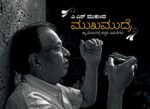
Mukha Mudre – Kyamaradalli Kannada Saahitigalu
₹690.00Author: A N Mukunda
ಪೋರ್ಟ್ರೇಟ್ ಅಂದರೆ ಕೇವಲ ಭಾವಚಿತ್ರವಲ್ಲ, ಅದೊಂದು ‘ವಿಶಿಷ್ಟ ಭಾವಚಿತ್ರ’ ಅಥವಾ ‘ವ್ಯಕ್ತಿತ್ವ ಚಿತ್ರ’ ಎನ್ನುವ ಮುಕುಂದರ ನಿಲುವು ಈ ಛಾಯಾಚಿತ್ರಗಳಲ್ಲಿ ಮೂರ್ತವಾಗಿ ವ್ಯಕ್ತವಾಗಿದೆ. ವ್ಯಕ್ತಿಯ ಮುಖವೇ ಅವನ ವ್ಯಕ್ತಿತ್ವದ ಸಮರ್ಪಕ ಅಭಿವ್ಯಕ್ತಿ ಎಂಬ ಪ್ರಬಲವಾದ ನಂಬಿಕೆ ಹಾಗೂ ವಿಶ್ವಾಸಗಳನ್ನು ಇಟ್ಟುಕೊಂಡಿರುವ ಮುಕುಂದರು ಅತ್ಯಂತ ಸಂಯಮದಿಂದ ಏಕಾಗ್ರತೆಯಿಂದ ಕಾದು ಸೆರೆಹಿಡಿದ ‘ಮಾಂತ್ರಿಕ ಕ್ಷಣ’ಗಳಿಂದಾಗಿ ಈ ಎಲ್ಲ ಭಾವಚಿತ್ರಗಳಿಗೆ ಏಕಕಾಲಕ್ಕೆ ಅಧಿಕೃತತೆ ಮತ್ತು ಆಪ್ತತೆ ಲಭ್ಯವಾಗಿವೆ. ಇಂತಹ ‘ಫೋಟೋ ಪುಸ್ತಕ’ವೊಂದು ಕನ್ನಡದಲ್ಲಿ ಪ್ರಕಟವಾಗುತ್ತಿರುವುದು ಇದೇ ಮೊದಲು.
Interested readers may write to us at mup@manipal.edu about purchasing the book.
Also available on
-

The Practice of Geopolitics
₹850.00Author: M D Nalapat
Intended to be a Practioner’s Guide to Geopolitics, the book provides a look into the thought processes that generate correct and timely analysis of global events. Geopolitics needs to weave within its analytical grasp economics, society, strategy and even culture, as the science deals with overall national capabilities as well as the mutal synergy and frictions between nations. Although a broad range of subjects has been covered in the book, each is anchored in the ground reality of events having a profound impact on the lives of citizens and on world events. The growing interconnectedness of the globe has resulted in a need to do away with the popular west centric models of international relations and to view events not through that single prism but from a holistic viewpoint that accepts the relevance and maturity of different histories and geographies. What the book provides is an alternative Weltanschauung to the dominant models of geopolitical analysis, so that the science is enabled to cross beyond the narrow boundaries which have confined. The scope and applicability of its analysis. The rise of Asia needs a geopolitical vision unique to the continent, and this is what has been provided by Professor Nalapat.
Interested readers may write to us at mup@manipal.edu about purchasing the book.
Also available on
-
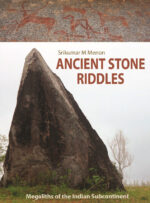
Ancient Stone Riddles: Megaliths of the Indian Subcontinent
₹185.00Ancient Stone Riddles is an introduction to the fascinating but less-known monuments called megaliths in the context of the Indian subcontinent. The book seeks to present the current understanding among archaeologists and other researchers in a lucid manner to the general reader, while stimulating thought on the many questions that linger about these remnants from our distant past and the people and cultures that built them. It also discusses recent research about the knowledge systems possessed by the megalith builders, including the possibility that some of these monuments were erected to observe celestial cycles.
Interested customers may write to us at mup@manipal.edu about purchasing the book.
Also available on
-
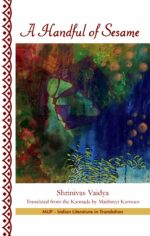
A Handful of Sesame
₹310.00Author: Srinivas B Vaidya, Translator: Maithreyi Karnoor
With a captivating start, A Handful of Sesame plunges us into the heart of the dying years of the 1857 mutiny. But the mutiny is largely a backdrop to the novel. When Kamalanabh of Kashi is manipulated by an impoverished Brahmin of Navalgund into marrying his daughter, the novel becomes basically the story of an internal migration. This is rare, and it remains one of the strengths of the novel. We are so used to speaking of migration across the postcolonial bridge and accredited national borders that we forget that India is a country of endless internal migrations – in the past and the present.
Interested readers may write to us at mup@manipal.edu about purchasing the book.
Also available on
-
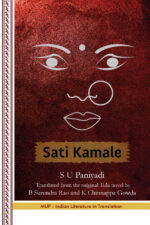
Sati Kamale
₹240.00Author: S U Paniyadi Translators: B Surendra Rao, K Chinnappa Gowda
This eponymous novel is centred on Kamale, who is an embodiment of wifely virtue. For fifteen long years Kamale lives the life of a widow to the outside world, nurturing the hopes of reuniting with the husband one day. Alone in the room, each night she wears her marks of a married woman with the dagger gifted by Umesha next to her. It could be seen as an exposition on the then existing indigenous discourse in India in the 19th century and early 20th century. Kamale, in her rigorous commitment and in retrieving her husband from ‘death’, is fashioned after Savithri in an intertextual reference to Mahabharata’s episode of “Satyavan and Savithri”. The novel might look conservative for the present-day reader, but it is a representative literary work of the time when Paniyadi, among many others, wanted to regain the independent status of the Tulu language which had somehow slipped out of its pedestal.
Interested readers may write to us at mup@manipal.edu about purchasing the book.
Also available on
-
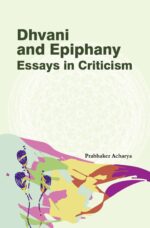
Dhvani and Epiphany: Essays in Criticism
₹270.00Author: Prabhaker Acharya
Dhvani and Epiphany examines the work of major Indian poets like Nissim Ezekiel and Arun Kolatkar; the struggle of young poets to find an audience; and the art of fiction. But its main focus is on the nature of creativity. How does an artist communicate his meaning? What makes a work genuinely creative? Through a sensitive exploration of poetry- ranging from the simple poems of a child, Poorna Prajna, to the complex “Byzantium Poems” of Yeats- the first seven essays try to show how a poem comes to life when it speaks to us and we listen to its dhvani and respond.
Even in fiction, it is not all realism. There is irony in exploring the paradoxical nature of reality; events taking on symbolic overtones; and epiphany, moments of illumination and insights – when surprising correspondences are seen. Writers cannot surprise and delight their audience if they themselves are not surprised and delighted by such insights.
Interested readers may write to us at mup@manipal.edu about purchasing the book.
Also available on
-
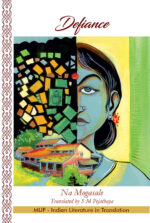
Defiance
₹495.00Defiance is a captivating tale of the march of globalization and its impact on the lives and times of the Santher Guthu family in Ombathkere, a village located between Mangaluru and Kasaragodu. Set in the picturesque Malabar coast of Karnataka in the late 20th Century, the novel takes the reader through four generations of the family. Ambakke, the protagonist, along with her brother Sankappa Hegde, the third-generation descendants of the family form the lifeblood of this story of human relationships in the midst of time and change. The novel is born out of deep contemplation of a community in the face of transition. There is anxiety that grips this part of Karnataka in the wake of modernity. The vast canvas of the novel and the depiction of folk culture provides a unique touch to the saga of the community. Defiance is a novel about traditions and the fear of losing out to modernity. It is about change and the desire to remain rooted.
Interested readers may write to us at mup@manipal.edu about purchasing the book.
Also available on
-
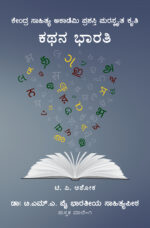
Kathana Bharathi
₹300.00Author: T P Ashoka
ಕಥನ ಭಾರತಿಯು ವಿವಿಧ ಭಾರತೀಯ ಭಾಷೆಗಳಾದ ಕನ್ನಡ, ಹಿಂದಿ, ಬೆಂಗಾಲಿ, ಗುಜರಾತಿ, ಮಲಯಾಳಂ, ಮರಾಠಿ, ಒರಿಯಾ, ಪಂಜಾಬಿ ಮತ್ತು ಉರ್ದುಗಳಲ್ಲಿ ಬರೆಯಲಾದ ಆಧುನಿಕ ಶ್ರೇಷ್ಠ ಸಾಹಿತ್ಯದ ಇಪ್ಪತ್ತು ಸಾಹಿತ್ಯ ವಿಮರ್ಶಾತ್ಮಕ ಪ್ರಬಂಧಗಳ ಸಂಗ್ರಹವಾಗಿದೆ. ಪುಸ್ತಕದಲ್ಲಿ ಚರ್ಚಿಸಲಾದ ಭಾರತೀಯ ಲೇಖಕರಲ್ಲಿ ಜನಪ್ರಿಯ ಲೇಖಕರಾದ ಅಲೋಕ್ ಭಲ್ಲಾ, ಅಮೃತಾ ಪ್ರೀತಮ್, ಬೇಗಂ ರೋಕ್ವಿಯಾ ಸಖಾವತ್ ಹುಸೇನ್, ಭೀಮರಾವ್ ರಾಮ್ಜಿ ಅಂಬೇಡ್ಕರ್, ಭೀಶಮ್ ಸಾಹ್ನಿ, ಚಂದ್ರಶೇಖರ ಕಂಬಾರ, ಗಿರೀಶ್ ರಘುನಾಥ್ ಕಾರ್ನಾಡ್, ಗೋಪಿನಾಥ್ ಮೊಹಾಂತಿ, ಜಾನಕಿ ಶ್ರೀನಿವಾಸ ಮೂರ್ತಿ (ವೈದೇಹಿ, ಕೋತಾ ಸುನಿವಾಸ ಮೂರ್ತಿ) ಸೇರಿದ್ದಾರೆ. ಶಿವರಾಮ ಕಾರಂತ್, ಲಕ್ಷ್ಮಣ ಮಾನೆ, ಮಹಾಶ್ವೇತಾದೇವಿ, ಮಾಸ್ತಿ ವೆಂಕಟೇಶ ಅಯ್ಯಂಗಾರ್, ಮೋಹನ್ದಾಸ್ ಕರಮಚಂದ್ ಗಾಂಧಿ, ಮುನ್ಷಿ ಪ್ರೇಮಚಂದ್, ಪನ್ನಾಲಾಲ್ ನಾನಾಲಾಲ್ ಪಟೇಲ್, ರವೀಂದ್ರನಾಥ ಠಾಗೋರ್, ಸಾದತ್ ಹಸನ್ ಮಂಟೋ, ತಕಳಿ ಶಿವಶಂಕರ ಪಿಳ್ಳೈ, ಉಡುಪಿ ರಾಜಗೋಪಾಲಾಚಾರ್ಯ ಅನಂತಮೂರ್ತಿ ಮತ್ತು ಯಶಪಾಲ. ಇಪ್ಪತ್ತು ಸಾಹಿತ್ಯ ವಿಮರ್ಶಾತ್ಮಕ ಪ್ರಬಂಧಗಳು ತಮ್ಮ ಆಯ್ದ ಬರಹಗಳನ್ನು ಪರಿಶೀಲಿಸುತ್ತವೆ, ಪರಿಚಯಿಸುತ್ತವೆ, ಚರ್ಚಿಸುತ್ತವೆ ಮತ್ತು ವ್ಯಾಖ್ಯಾನಿಸುತ್ತವೆ. ಕಳೆದ ನೂರೈವತ್ತು ವರ್ಷಗಳಲ್ಲಿ ಭಾರತೀಯ ಶ್ರೇಷ್ಠ ಲೇಖಕರು ತಮ್ಮ ಸಮಯ ಮತ್ತು ಜಾಗಕ್ಕೆ ಹೇಗೆ ಪ್ರತಿಕ್ರಿಯಿಸಿದ್ದಾರೆ ಮತ್ತು ಪ್ರತಿಕ್ರಿಯಿಸಿದ್ದಾರೆ ಎಂಬುದನ್ನು ಈ ಲೇಖನಗಳು ಪರಿಶೀಲಿಸುತ್ತವೆ. ವಸಾಹತುಶಾಹಿ ಅನುಭವ, ವಿಭಜನೆಯ ಆಘಾತ ಮತ್ತು ಸ್ವಾತಂತ್ರ್ಯಾನಂತರದ ಸಾಮಾಜಿಕ ರಾಜಕೀಯ ಬೆಳವಣಿಗೆಗಳು ಈ ಬರಹಗಾರರ ಬರಹಗಳಲ್ಲಿ ಪ್ರಬಲ ನಿರೂಪಣೆಗಳು ಮತ್ತು ರೂಪಕಗಳ ರೂಪದಲ್ಲಿ ಅಭಿವ್ಯಕ್ತಿಯನ್ನು ಕಂಡುಕೊಂಡಿವೆ. ಟಿ ಪಿ ಅಶೋಕ ಅವರ ಕಥನ ಭಾರತಿ ಈ ಬರಹಗಳ ವಿಮರ್ಶೆ. ಆಧುನಿಕ ಭಾರತೀಯ ಸಾಹಿತ್ಯದಲ್ಲಿನ ಈ ಅಧ್ಯಯನಗಳು ಆಧುನಿಕ ಭಾರತೀಯ ಸಾಹಿತ್ಯ ವಿಮರ್ಶೆಗೆ ಅಮೂಲ್ಯ ಕೊಡುಗೆಯಾಗಿದೆ. ಪುಸ್ತಕವು ಸಾಹಿತ್ಯದ ವಿದ್ಯಾರ್ಥಿಗಳು, ಸಂಶೋಧಕರು ಮತ್ತು ಶಿಕ್ಷಕರಿಗೆ ಆಸಕ್ತಿದಾಯಕ ಓದುವಿಕೆಯನ್ನು ಒದಗಿಸುತ್ತದೆ ಆದರೆ ಸಾಮಾನ್ಯ ಓದುಗರನ್ನೂ ಆಕರ್ಷಿಸುತ್ತದೆ.
Interested readers may write to us at mup@manipal.edu about purchasing the book.Also available on