
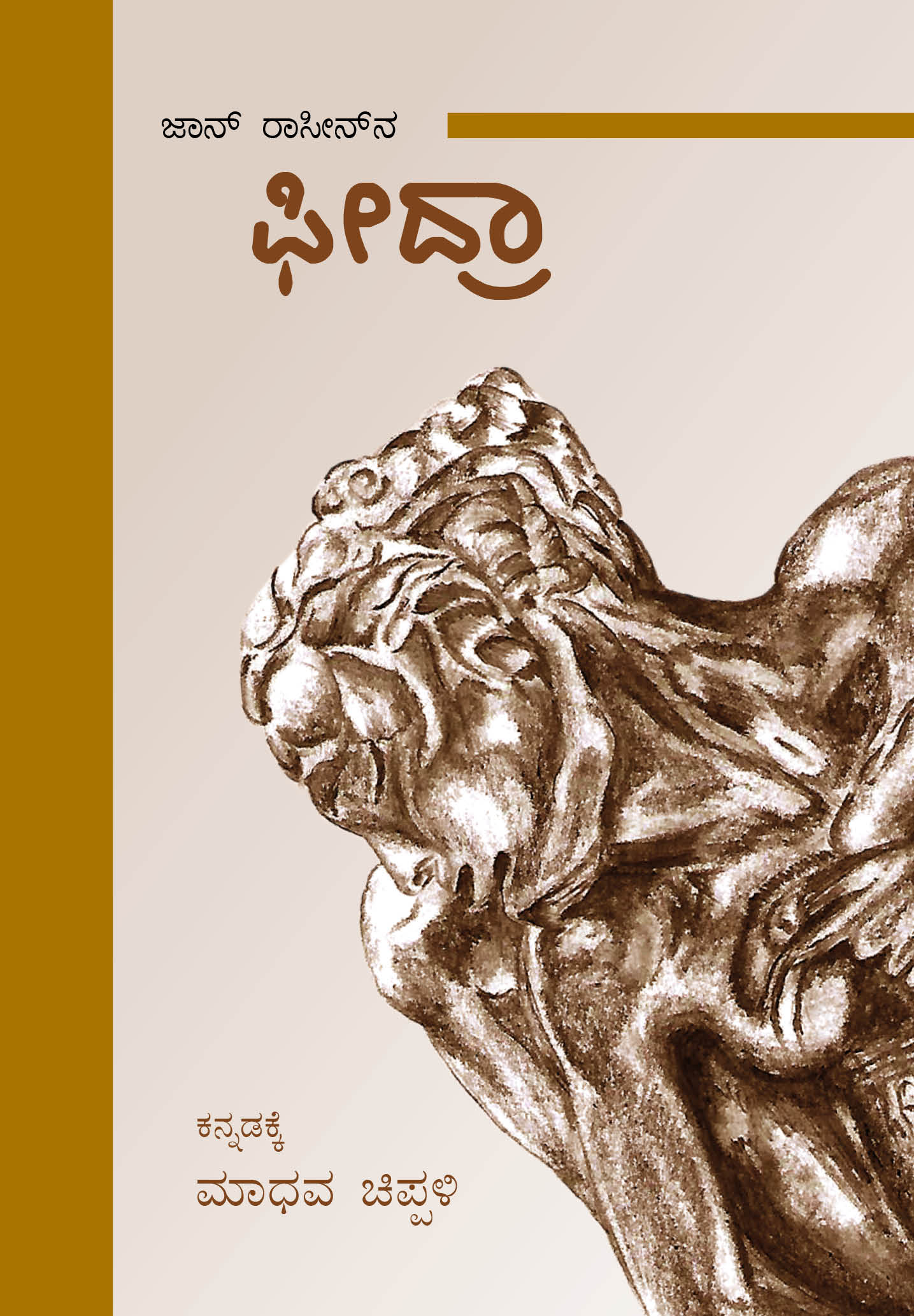
Phedra
₹180.00
Translator: Madhava Chippalli
ರಾಸೀನ್ನ ಫೀದ್ರಾ ನಾಟಕವು ಪಾಶ್ಚಿಮಾತ್ಯ ನಾಟಕ ಸಾಹಿತ್ಯದಲ್ಲೇ ಒಂದು ಆಯಕಟ್ಟಿನ ಕೃತಿ. ಗ್ರೀಕ್ ಮತ್ತು ಎಲಿಜಬೆಥನ್ ನಾಟಕಗಳಲ್ಲಿ ಕಾಣಸಿಗದ ಹೊಸ ಬಗೆಯ ಮನೋಲೋಕವೊಂದನ್ನು ತನ್ನ ಪಾತ್ರಗಳಿಗೆ ಧಾರಣೆ ಮಾಡಿಸಿದ ಈ ನಾಟಕವು ಆ ಮೂಲಕವೇ ಈ ಪರಂಪರೆಯಲ್ಲಿ ಮನೋವಿಜ್ಞಾನಕ್ಕೆ ಒಂದು ಖಾಯಂ ಸ್ಥಾನವನ್ನು ಒದಗಿಸಿಕೊಟ್ಟಿತು. ಮುಂದೆ ಬಹುತೇಕ ಪಾಶ್ಚಿಮಾತ್ಯ ನಾಟಕಗಳು ಈ ಪರಂಪರೆಯನ್ನು ಮುಂದುವರಿಸಿದವು; ರಂಗಭೂಮಿಯಲ್ಲೂ ಮನೋಲೋಕವನ್ನು ಮುಂದಕ್ಕೆ ತರುವ ವಿಭಿನ್ನ ಪ್ರಯೋಗಗಳಿಗೆ ಈ ಪರಂಪರೆಯು ಚಾಲ್ತಿ ನೀಡಿತು. ಈ ಸಂಪ್ರದಾಯಕ್ಕೆ ವಿರೋಧಿಯಾದ ಫ್ರಾನ್ಸಿನ ಪ್ರಸಿದ್ಧ ರಂಗಕರ್ಮಿ ಆಂತೋನಿನ್ ಆರ್ತೋನ ಮಾತುಗಳನ್ನು ಕೇಳುವುದಾದರೆ, ಪಾಶ್ಚಿಮಾತ್ಯ ರಂಗಭೂಮಿಯಲ್ಲಿ ‘ಸೈಕಾಲಜಿಯ ದುರ್ಬೀಜ’ ಬಿತ್ತಿದ ಕೃತಿ ಇದು! ಹಾಗಿರುವುದರಿಂದ, ನಾವು ಈ ನಾಟಕವನ್ನು ಹೇಗೇ ಓದಲಿ, ಓದದೆ ಇದ್ದರೆ ಅಷ್ಟರ ಮಟ್ಟಿಗೆ ಪಾಶ್ಚಾತ್ಯ ನಾಟಕ ಸಂಪ್ರದಾಯದ ಅರಿವು ಅಪೂರ್ಣ. ಅಂಥ ಪ್ರಮುಖ ನಾಟಕವೊಂದು ಇನ್ನೂ ಕನ್ನಡಕ್ಕೆ ಬಾರದೆ ಉಳಿದಿತ್ತು; ಆ ಲೋಪವನ್ನು ಈ ಅನುವಾದವು ಸಮರ್ಥವಾಗಿಯೇ ತುಂಬಿಸಿದೆ. ಮೂಲದ ನಿಷ್ಠೆಯೊಂದಿಗೆ ಭಾಷಾಗಾಂಭೀರ್ಯ ಮತ್ತು ಮಾತಿನ ಸುಭಗತೆ ಎರಡನ್ನೂ ಒಟ್ಟಿಗೇ ಹಿಡಿಯಲು ಯತ್ನಿಸಿರುವ ಈ ಅನುವಾದವನ್ನು ನಾನು ತುಂಬು ಮನಸ್ಸಿನಿಂದ ಸ್ವಾಗತಿಸುತ್ತೇನೆ.
Interested readers may write to us at mup@manipal.edu about purchasing the book.
|
Also available on |
| Format |
|---|
Customer Reviews
There are no reviews yet.
Related products
-
Gombi Maduvi
₹130.00Author: Revati Nadgir
ಉತ್ತರ ಕರ್ನಾಟಕದ ಸಂಸ್ಕೃತಿಗೆ ಕನ್ನಡಿ ಹಿಡಿಯುವ ಈ ಕೃತಿಯಲ್ಲಿ ಬಡ, ಮುಗ್ಧ ಹುಡುಗಿಯೊಬ್ಬಳ ಕನಸುಗಳು, ಮಾನವೀಯತೆಯನ್ನು ಮೆರೆಯುವ ಹಲವು ಪಾತ್ರಗಳ ನಡುವೆ ವಿಧಿಯ ಕೈವಾಡದಿಂದ ಚದುರಿ ಹೋಗುವ, ಅಂತಃಕರಣವನ್ನು ಕಲಕುವ ಚಿತ್ರಣವಿದೆ. ಸ್ಥಳೀಯ ನಂಬಿಕೆ-ಆಚರಣೆ, ಆಶೋತ್ತರಗಳನ್ನು ದಟ್ಟವಾಗಿ ಹೆಣೆದುಕೊಳ್ಳುತ್ತ ಒಂದು ಪುಟ್ಟ ವಿಶ್ವವನ್ನೇ ಈ ನಾಟಕ ಸೃಷ್ಟಿಸುತ್ತದೆ. ರೇವತಿ ನಾಡಗೀರ ಅವರ ಚೊಚ್ಚಲ ಕೃತಿಯಾದ ಇದರಲ್ಲಿ, ಅವರ ಸಹೃದಯತೆ, ಉತ್ತರ ಕರ್ನಾಟಕದ ಸಂಸ್ಕೃತಿಯ ಅನುಭವ ಎದ್ದು ಕಾಣುತ್ತದೆ.
Interested customers may write to us at mup@manipal.edu about purchasing the book.
Also available on

-

U-Turn
₹180.00Author: Anand Mhasvekar, Translator: Neeta Inamdar
ಮರಾಠಿ ನಾಟಕ. ಯು-ಟರ್ನ್ ಮಹಾರಾಷ್ಟ್ರ ಮತ್ತು ಅದರಾಚೆಗೆ 585 ಕ್ಕೂ ಹೆಚ್ಚು ಪ್ರದರ್ಶನಗಳೊಂದಿಗೆ ಲಕ್ಷಾಂತರ ಹೃದಯಗಳನ್ನು ಗೆದ್ದಿದೆ. ಗುಜರಾತಿಯಲ್ಲಿ ಇದರ ಅನುವಾದವು 115 ಕ್ಕೂ ಹೆಚ್ಚು ಪ್ರದರ್ಶನಗಳನ್ನು ಕಂಡಿದೆ ಮತ್ತು ಹಿಂದಿಯಲ್ಲಿ 50 ಕ್ಕೂ ಹೆಚ್ಚು ಪ್ರದರ್ಶನಗಳನ್ನು ಕಂಡಿದೆ. ಈ ಯಶಸ್ಸು ಶ್ರೀಮತಿ ಸವಿತಾ ಶಾಸ್ತ್ರಿಯವರ ಬೆಂಬಲದೊಂದಿಗೆ ಕನ್ನಡದಲ್ಲಿ ಈ ಕೃತಿಯನ್ನು ಅನುವಾದಿಸಲು ಪ್ರೊ.ನೀತಾ ಇನಾಮದಾರ್ ಅವರನ್ನು ಪ್ರೋತ್ಸಾಹಿಸಿತು. ನಾಟಕವು ಉದ್ದಕ್ಕೂ ಕೇವಲ ಎರಡು ಪಾತ್ರಗಳನ್ನು ಹೊಂದಿದೆ ಮತ್ತು ಇಡೀ ಅವಧಿಗೆ ವೇದಿಕೆಯ ಮೇಲಿರುವ ಇಬ್ಬರನ್ನು ಹೊರತುಪಡಿಸಿ ಒಂದೆರಡು ಧ್ವನಿಗಳನ್ನು ಹೊಂದಿದೆ. ನಾಟಕದ ಕೇಂದ್ರ ಕಲ್ಪನೆಯು ಆಧುನಿಕತೆಯನ್ನು ಒಪ್ಪಿಕೊಳ್ಳುವಲ್ಲಿನ ವ್ಯತ್ಯಾಸಗಳು ಮತ್ತು ಎರಡು ವಿಭಿನ್ನ ತಲೆಮಾರುಗಳಲ್ಲಿ ಇದಕ್ಕೆ ಸಂಬಂಧಿಸಿದ ಸಂಘರ್ಷಗಳು. ವಿಚ್ಛೇದಿತ ಸೇನೆಯ ಮೇಜರ್ ಮತ್ತು 50 ರ ದಶಕದ ಅಂತ್ಯದಲ್ಲಿರುವ ವಿಧವೆಯ ನಡುವಿನ ಒಡನಾಟವನ್ನು ಅವರ ಮಕ್ಕಳು ವಿರೋಧಿಸುತ್ತಾರೆ ಮತ್ತು ಅವರು ತಮ್ಮನ್ನು ತಾವು ಆಧುನಿಕತೆಯನ್ನು ಅಳವಡಿಸಿಕೊಂಡರೂ ವಿಭಿನ್ನ ರೀತಿಯಲ್ಲಿ ವ್ಯಕ್ತಪಡಿಸುತ್ತಾರೆ. ನೀತಾ ಇನಾಮದಾರ್ ಅವರು ಮಣಿಪಾಲ್ ವಿಶ್ವವಿದ್ಯಾನಿಲಯದಲ್ಲಿ (MU) ಯುರೋಪಿಯನ್ ಅಧ್ಯಯನ ವಿಭಾಗದ (DES) ಮುಖ್ಯಸ್ಥರಾಗಿದ್ದಾರೆ ಮತ್ತು ಮಣಿಪಾಲ್ ಯೂನಿವರ್ಸಲ್ ಪ್ರೆಸ್ ನ (MUP) ಮುಖ್ಯ ಸಂಪಾದಕರಾಗಿದ್ದಾರೆ. ಸಂಗೀತ ಮತ್ತು ರಂಗಭೂಮಿ ಅವರ ಆಸಕ್ತಿಗಳಾಗಿದ್ದು, ಶ್ರೀಮತಿ ಸವಿತಾ ಶಾಸ್ತ್ರಿ ಅವರ ನೆರವಿನೊಂದಿಗೆ ಈ ಕೆಲಸವನ್ನು ಕೈಗೊಳ್ಳುವಂತೆ ಮಾಡಿತು. ಸವಿತಾ ಶಾಸ್ತ್ರಿ ಅವರು ಮಣಿಪಾಲದ ಮಹಿಳಾ ಉದ್ಯಮಿಯಾಗಿದ್ದು, ಅವರು ಬಾಬಾ ಆಮ್ಟೆ ಅವರ ಆನಂದವನಕ್ಕೆ ಧನಸಹಾಯವನ್ನೂ ಮಾಡುತ್ತಾರೆ. ಅವರು ಮರಾಠಿ, ಹಿಂದಿ ಮತ್ತು ಇಂಗ್ಲಿಷ್ನಲ್ಲಿ ಪುಸ್ತಕಗಳು ಮತ್ತು ನಾಟಕಗಳ ಓದುಗರಾಗಿದ್ದಾರೆ, ಅವರು ಈ ಅನುವಾದ ಯೋಜನೆಗೆ ತಮ್ಮ ಬೆಂಬಲವನ್ನು ನೀಡಿದರು.
Interested readers may write to us at mup@manipal.edu about purchasing the book.
Also available on
-
Kempu Kanagile and Chitra
₹160.00Author: Rabindranath Tagore, Translator: Sudha Adukkala
ಕೆಂಪು ಕಣಗಿಲೆ: ಅದೆಂಥ ಗಾಢಾಂಧಕಾರವೇ ಇರಲಿ, ಪುಟ್ಟ ಹಣತೆಯೊಂದು ಅದನ್ನು ತೊಡೆಯಬಲ್ಲುದೆಂಬುದು ಸಾರ್ವಕಾಲಿಕ ಸತ್ಯ. ಅಂಥದೊAದು ಸಂಘರ್ಷದ ಕಥನವನ್ನು ಗುರುದೇವ ರವೀಂದ್ರರು ತಮ್ಮ ಈ ನಾಟಕದಲ್ಲಿ ಹೇಳಿದ್ದಾರೆ. ‘ಕೆಂಪು ಕಣಗಿಲೆ’ ತೆರೆದಿಡುವ ಕೌರ್ಯದ ಜಗತ್ತು ಇಂದು ಈ ಕಾಲಘಟ್ಟದಲ್ಲಿ ನಿಂತು ಬರೆದರೇನೋ ಎಂಬಷ್ಟು ತಾಜಾ ಆಗಿದೆ. ಇಲ್ಲಿಯ ರಂಜನ ಕೇವಲ ಒಂದು ಪಾತ್ರವಲ್ಲ; ನಾವೆಲ್ಲರೂ ನಮ್ಮೊಳಗೆ ತುಂಬಿಸಿಕೊಳ್ಳಬೇಕಾದ ಜೀವನ ಪ್ರೀತಿಯ ವಿವಿಧ ಆಯಾಮಗಳ ಪ್ರತಿನಿಧಿ. ಇಲ್ಲಿಯ ನಂದಿನಿ ಇಂದು ಜಗವ ಸಂತೈಸಬೇಕಾದ ತಾಯಿಹೃದಯದ ಪ್ರತೀಕವಾಗಿದ್ದಾಳೆ.
ಚಿತ್ರಾ: ಪೌರಾಣಿಕ ಕಥಾನಕವೊಂದರ ಪುನರ್ಲೇಖನದ ಈ ನಾಟಕವು ಹೆಣ್ಣು ಮತ್ತು ರಾಷ್ಟçವನ್ನು ಒಂದು ಸಂಕಥನವನ್ನಾಗಿ ಚರ್ಚಿಸುತ್ತದೆ. ಹೆಣ್ಣು-ಗಂಡಿನ ಘನತೆಯ ಬದುಕನ್ನು ಕನಸುವ ನಿರೂಪಣೆ ನಾವು ಕಟ್ಟಬೇಕಾಗಿರುವ ರಾಷ್ಟçದ ರೂಪುರೇಷೆಗಳನ್ನೂ ತನ್ನೊಳಗೆ ಆಡಕ ಮಾಡಿಕೊಂಡಿದೆ. ನಮ್ಮ ಅನನ್ಯತೆಯನ್ನು ಉಳಿಸಿಕೊಳ್ಳುತ್ತಲೇ ಇನ್ನೊಬ್ಬರೊಂದಿಗೆ ಸಹಬಾಳ್ವೆಯನ್ನು ನಡೆಸುವ ಬಗೆಯನ್ನು ಮಂಡಿಸುತ್ತದೆ. ತಾನು ಆರೋಪಿಸಿಕೊಂಡ ಕೃತಕ ತೆರೆಯನ್ನು ಸರಿಸುವ ಚಿತ್ರಾ ನಮ್ಮೊಳಗಿನ ಅರಿವಿಗೆ ತೊಡಕಾಗಿರುವ ಸಂಕುಚಿತತೆಯ ಪರದೆಯನ್ನೂ ಸರಿಸುತ್ತಾಳೆ.
Interested overseas readers may write to us at mup@manipal.edu about purchasing the book.Also available on
-
Humanitarianism and Democracy (Maanava Dharmah – Prajaaprabhutvam Cheti Shatakadvayam)
₹240.00Author: M V Nadkarni
These Satkarnas are Prof Nadkarni’s passionate plea for an authentic democratic order which guarantees the rights of every citizen while each citizen participates in it being fully aware of his / her duties. The complementarity of rights and duties is shown to be the essence of genuine democracy.
Interested customers may write to us at mup@manipal.edu about purchasing the book.
Also available on
-
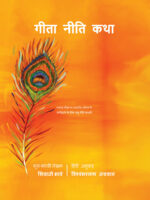
Geeta Niti Katha
₹850.00Author: Shivaji Bhave, Translator: Vishambharnath Agarwal
यह पुस्तक भगवद् गीता के प्रत्येक श्लोक पर आधारित लघुकथाओं का संकलन है। ये कथाएँ श्री शिवाजी भावे (आचार्य विनोबा भावे के छोटे भाई) ने 1950 के दशक में मराठी में लिखी। इन कथाओं की परम्परा पंचतंत्र और Aesop’s Fables से शुरू होती है।
कथाएँ बहुत ही रोचक और सरल हैं एवं गीता के गहन विषय को सुगमता से समझने में सहायक भी। जीवन के मूल्यों को बहुत ही सरल भाषा में समझाती है जिससे बच्चे बूढ़े और युवा सभी कुछ न कुछ ग्रहण कर सकते हैं।
Interested customers may write to us at mup@manipal.edu about purchasing the book.
Also available on
-
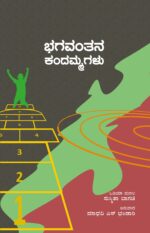
Bhagavantana Kandammagalu
₹190.00Author: Susmita Bagchi, Translator: Madhavi S Bhandary
ಅನುಪೂರ್ವಾ ಒಲ್ಲದ ಮನಸ್ಸಿನಿಂದ ಅನಿವಾರ್ಯವಾಗಿ ಅಮೇರಿಕಾ ಬಿಟ್ಟು ಭಾರತಕ್ಕೆ ಬರಬೇಕಾಯಿತು. ಕಲಾಶಿಕ್ಷಕಿಯಾಗಿ ಅಲ್ಲವಳ ಜೀವನ ಸುವ್ಯವಸ್ಥಿತವಾಗಿ ಸಾಗುತ್ತಿತ್ತು. ಭಾರತಕ್ಕೆ ಹಿಂದಿರುಗಿದ ನಂತರ ಅವಳ ಬದುಕು ಆಮೂಲಾಗ್ರವಾಗಿ ಬದಲಾಯಿಸಬಹುದೆಂದು ಅವಳು ಕನಸು-ಮನಸಲ್ಲೂ ಎಣಿಸಿರಲಿಲ್ಲ. ಒಮ್ಮೆ ಅವಳ ಕಾಲೇಜಿನ ಗೆಳತಿಯೊಬ್ಬಳು ಸೆರೆಬ್ರಲ್ ಪಾಲ್ಸಿ (ಮೆದುಳಿನ ಲಕ್ವ)ಯಿಂದ ಬಳಲುತ್ತಿರುವ ಮಕ್ಕಳ ಶಾಲೆ ‘ಆಶಾಜ್ಯೋತಿ’ಯ ಪರಿಚಯ ಮಾಡಿಸಿದಳು. ಅಲ್ಲಿಯೇ ಸ್ವಲ್ಪಕಾಲ ಆರ್ಟ್ ಟೀಚರ್ ರೂಪದಲ್ಲಿ ಸ್ವಯಂಸೇವಕಿಯಾಗಿ ಕೆಲಸ ಮಾಡುವ ಅವಕಾಶವೂ ದೊರೆಯಿತು. ಚಿತ್ರಗಳನ್ನು ಬಿಡಿಸುವುದು ಹೇಗೆ, ಅದಕ್ಕೆ ಹೇಗೆ ಬಣ್ಣ ತುಂಬಬೇಕು ಇತ್ಯಾದಿ ವಿಷಯಗಳನ್ನು ಅಲ್ಲಿಯ ಮಕ್ಕಳಿಗೆ ಹೇಳಿಕೊಡಲಾರಂಭಿಸಿದಳು. ಆದರೆ ಆ ಮಕ್ಕಳು ಅವಳಿಗರಿವಿಲ್ಲದಂತೆ ಗೆಳೆತನದ, ಪ್ರೇಮದ, ನಗುವಿನ, ಎಲ್ಲಕ್ಕಿಂತಲೂ ಮಿಗಿಲಾಗಿ ರೋಗದೊಂದಿಗೆ ಹೋರಾಡುವ ಪಾಠ ಅರ್ಥಾತ್ ಬದುಕಿನ ವಾಸ್ತವಿಕತೆಯ ಪಾಠ ಕಲಿಸಬಹುದೆಂದು ಅವಳಿಗೇನು ಗೊತ್ತಿತ್ತು! ಹೊರಜಗತ್ತು ಅವರನ್ನು ಶಾರೀರಿಕ ಅಥವಾ ಮಾನಸಿಕ ದೃಷ್ಟಿಯಿಂದ ದುರ್ಬಲರೆಂದು ತಿಳಿದುಕೊಳ್ಳಲಿ! ಆದರೆ ಅವರ ಅಂತರಂಗದಲ್ಲಿ ಏನನ್ನಾದರೂ ಸಾಧಿಸಬೇಕೆಂಬ ಅಪಾರ ಕ್ಷಮತೆ ಅಡಗಿದೆ ಎಂಬುದು ಅವಳ ಅರಿವಿನ ಕ್ಷಿತಿಜವನ್ನೇ ವಿಸ್ತರಿಸಿತು. ಅನುಪೂರ್ವಾ ಮತ್ತಾರೂ ಅಲ್ಲ, ಸ್ವಯಂ ಲೇಖಕಿಯೇ! ಈ ಮಕ್ಕಳ ಅಂತರಂಗದ ಪುಟಗಳನ್ನು ಅತ್ಯಂತ ಹತ್ತಿರದಿಂದ ನೋಡಿದ್ದಾರೆ; ತಿಳಿದಿದ್ದಾರೆ; ಮತ್ತದನ್ನು ಶಬ್ದಗಳ ಮೂಲಕ ಕಾದಂಬರಿಯ ರೂಪದಲ್ಲಿ ಜೋಡಿಸಿದ್ದಾರೆ. ಈ ಒಂದು ರೋಚಕವಾದ ಕಥೆ ಒಡಿಯಾದಲ್ಲಿ ‘ದೇಬಶಿಶು’ವಾಗಿದ್ದುದು, ಅಜಯ್ ಪಟ್ನಾಯಕ್ರು ಅದನ್ನು ‘ದೇವಶಿಶು’ ವಾಗಿ ಹಿಂದಿಗೆ ಅನುವಾದಿಸಿದರು. ಆ ಹಿಂದಿ ಅನುವಾದವು ಜ್ಞಾನಪೀಠ ಪ್ರಕಾಶನದಿಂದ ಪ್ರಕಟಗೊಂಡಿದೆ. ಈ ಕೃತಿಯು ಬಿಕ್ರಮ್ ಕೆ. ದಾಸ್ರಿಂದ ‘Children of Better God’ ಎಂಬ ಹೆಸರಿನಲ್ಲಿ ಆಂಗ್ಲ ಭಾಷೆಗೂ ಅನುವಾದಗೊಂಡಿದೆ. ಇದೀಗ ‘ಭಗವಂತನ ಕಂದಮ್ಮಗಳು’ ರೂಪದಲ್ಲಿ ಕನ್ನಡದ ಓದುಗರ ಮುಂದಿದೆ.
Interested customers may write to us at mup@manipal.edu about purchasing the book.
Also available on
-
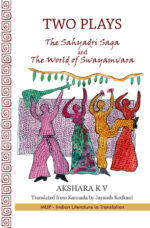
Two Plays – The Sahyadri Saga and The World of Swayamvara
₹199.00Author: Akshara K V Translator: Jayanth Kodkani
These two plays negotiate with the real problems of contemporary India. If Sahyadri Kanda is about the ripples caused in the life of the people in a village on the Western Coast which will soon have a nuclear plant, Swayamvaraloka, is an allegorical narrative set in a small village that extends to include the larger contemporary world. Both the plays dwell on the seeming binaries of village-city, success-failure, modern-traditional while examining the nature of human relationships in the changing world. These plays also reflect an ambition to elevate the real experience to a mythical level. While most playwrights attempt to echo contemporary concerns by reinterpreting history and mythology, for these plays, the epics, their grandeur, the struggle, the wars are not episodes that happen in kingdoms and palaces and battlefields, they are also that which takes place in the microworld of one’s consciousness. Each character in these plays find their own dharma, yet it offers no model for the reader, and remains only a pointer to the complex process of finding it.
Interested readers may write to us at mup@manipal.edu about purchasing the book.
Also available on
eBook available on

-
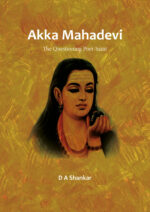
Akka Mahadevi, the questioning poet-saint
₹255.00Author: D A Shankar
This book presents the mystical ruminations and literary excellence of Akka Mahadevi, the earliest example of a gender-liberated woman writer, credited with the composition of over four hundred and forty remarkably self-explorative Vachanas. Akka Mahadevi represents a powerfully authentic female voice of the radical, egalitarian Sharana Movement, which questioned the socially established barrier between genders and ushered in a world of socio-cultural equality.
In this book, the author explores the questioning spirit intrinsic to Akka Mahadevi’s life and writings, as she questions the widely held conventional norms: the traditional husband-wife relationship, her parents, elders; she questions Basavanna and Allama for their habituated patriarchal manner of speaking, and she bravely questions her personal deity whom she loves and adores. Apart from discerning a credible ‘history’ and background to Akka’s works, this book makes available a rendition of her selectively profound and memorable Vachana in modern English, that crosses the ?the gulf of language and the gulf of time.
Interested readers may write to us at mup@manipal.edu about purchasing the book.
Also available on
Be the first to review “Phedra”
You must be logged in to post a review.