
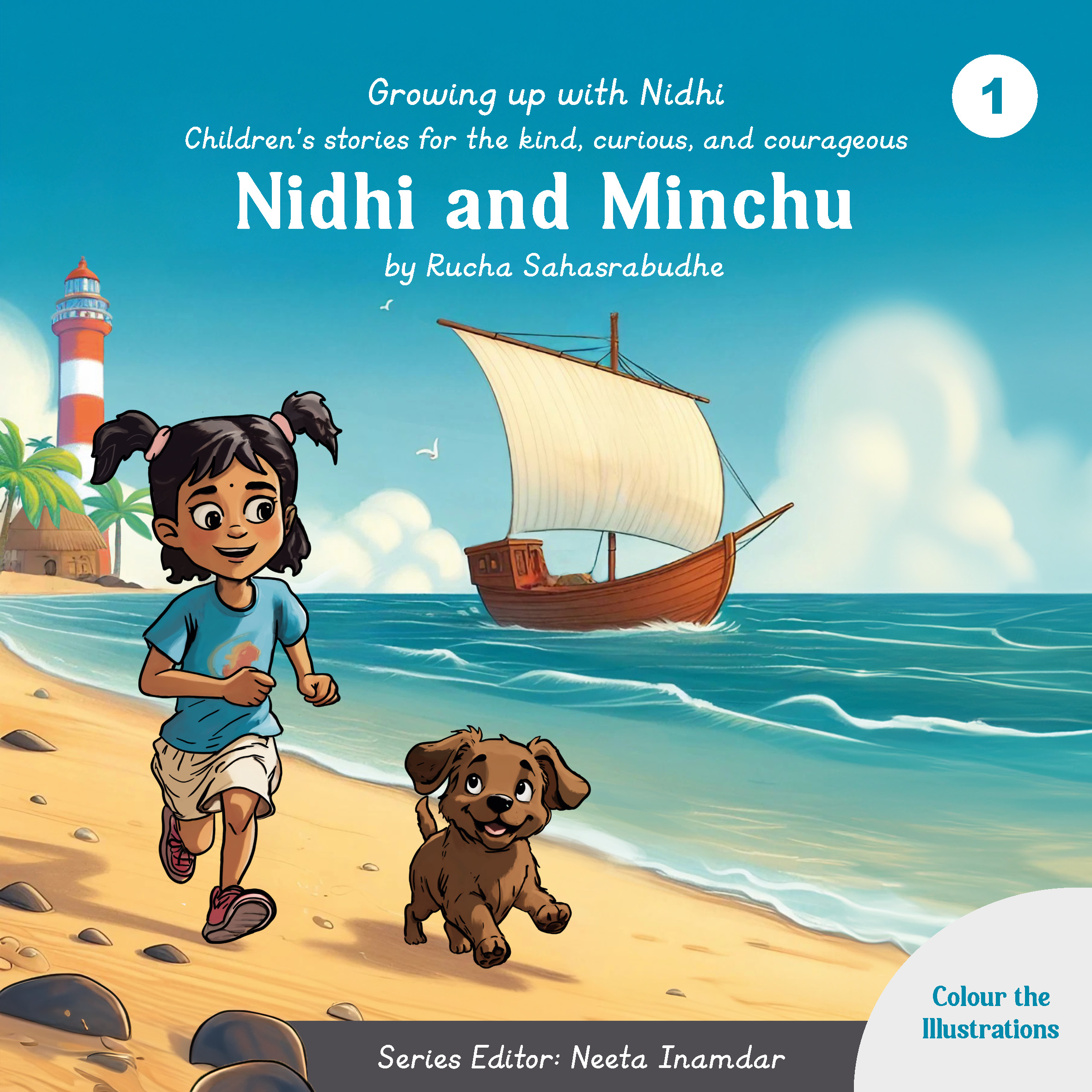
Growing up with Nidhi: Book 1 – Nidhi and Minchu
₹280.00
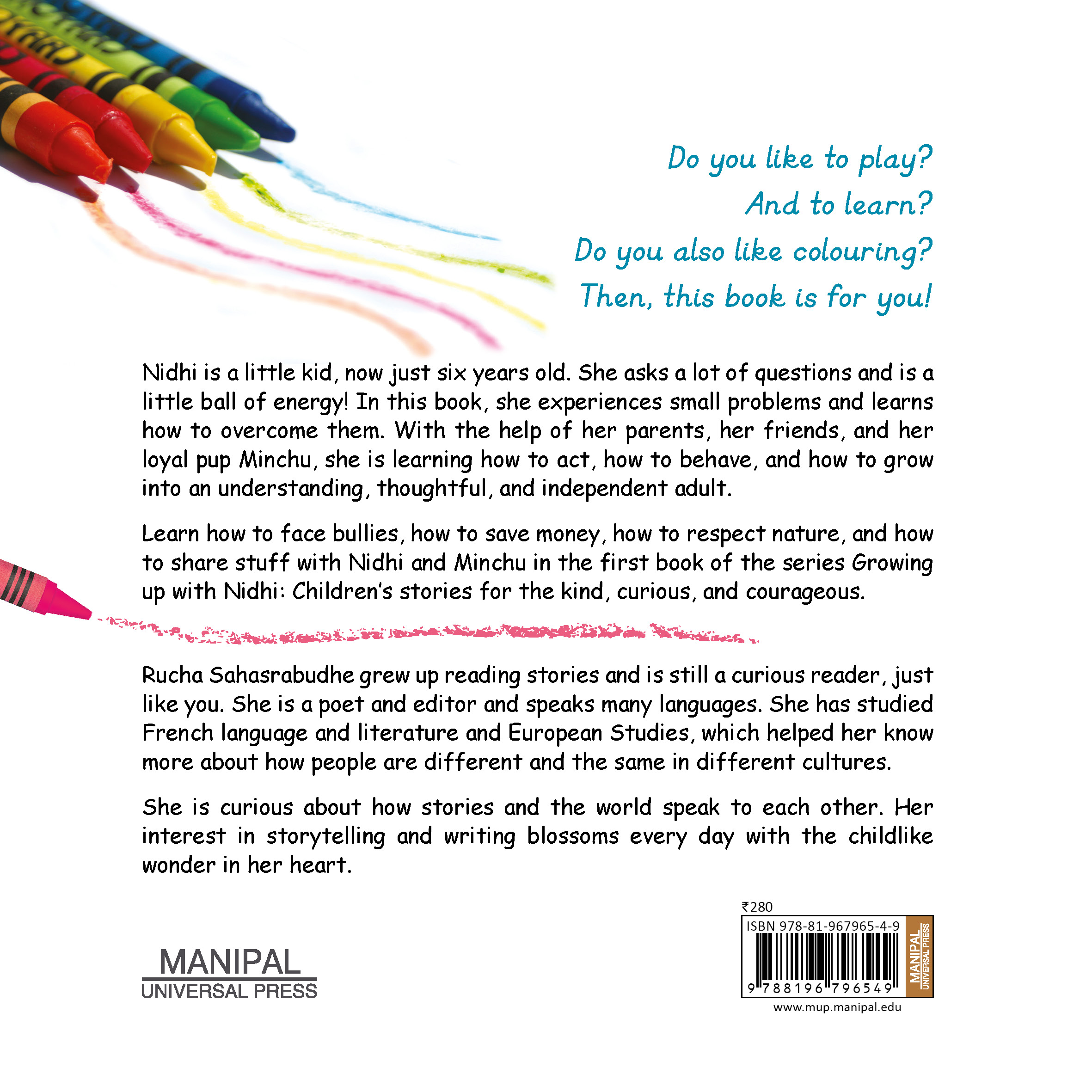
Do you like to play?
And to learn?
Do you also like colouring?
Then, this book is for you!
Nidhi is a little kid, now just six years old. She asks a lot of questions and is a little ball of energy! In this book, she experiences small problems and learns how to overcome them. With the help of her parents, her friends, and her loyal pup Minchu, she is learning how to act, how to behave, and how to grow into an understanding, thoughtful, and independent adult.
Interested readers may write to us at mup@manipal.edu about purchasing the book.
|
Also available on |
| Format |
|---|
Customer Reviews
There are no reviews yet.
Related products
-
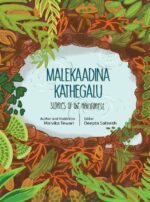
Malekaadina Kathegalu – Stories of the Rainforest
₹450.00Author: Malvika Tewari, Editor: Deepta Sateesh
Malekaadina Kathegalu is a fictional story set in the rich dense rainforest of Agumbe, narrating the journey of Nitya, a young girl who travels to the small village with her father, a conservationist. This book is the result of a research experiment responding to and reimagining the People’s Biodiversity Register (PBR), a tool used to document biological diversity of local communities. Set in the Western Ghats, the story weaves popular references like Malgudi Days in the narrative with the experiences of the people living in Agumbe, Karnataka.
To most people, the Western Ghats is a range of hills on the west coast of India with lush forests in the monsoon and a repository of minerals. It is also a UNESCO World Heritage site and a biodiversity hotspot. To the residents of Agumbe, it is much more: cultural relations, ritual practices, and connections with other-than-human sentient beings. The nature-culture understandings, which comprise of everyday practices of food, kitchen gardens, and medicinal practices, and wandering on foot are experienced by Nitya throughout the story.
Malekaadina Kathegalu reflects the realities and complexities surrounding countless changes in ancient ecologies due to pressures of rapid development, and the diverse aspirations of new generations in a time of environmental crisis. It records the rich diversity of other-than-human beings and material and atmospheric changes across time through primary research using creative mixed methods.
Interested customers may write to us at mup@manipal.edu about purchasing the book.
Also available on

-
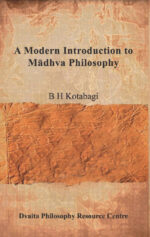
A Modern Introduction to Madhva Philosophy
₹475.00The author has made this treatise on Madhva’s realistic school of Vedānta philosophy convincing to the modern mind by employing western logical apparatus in substantiating Madhva’s ideas. Following the Indian classical tradition, the author has examined the validity of Advaitavedānta, the Absolute Monism of Śaṅkara and Bhāskara as Pūrvapakṣa, and logically proved its inconsistencies. He has then established the Dvaitasiddhānta i.e., the Monotheistic Dualism of Madhva. He has successfully brought out the nuances of the realistic school of Indian philosophical thought in this work. A Modern Introduction to Mādhva Philosophy is Prof B H Kotabagi’s posthumous publication.
Interested customers may write to us at mup@manipal.edu about purchasing the book.
Also available on
-
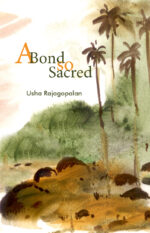
A Bond So Sacred
₹450.00A Bond So Sacred tells the story of Raman, a satyagrahi, who adopts Kokila, an orphan. He leaves the five year old in the care of his mother while he plunges into the freedom struggle. His nationalist fervour, however, clashes with his love for Amina, his charming neighbour who wants parental approval to their marriage. Raman’s mother is as staunch a Brahmin as Amina’s father is a Muslim. Will Raman be able to get their consent. The joy of India becoming an independent nation is marred by Gandhiji’s death. Raman’s fellow satyagrahis have gone their ways and he finds himself with no role to play in a rapidly changing country. Meanwhile, Kokila, his protégée, has her own battles to fight. As the years bring them together again, Kokila discovers truths about Raman that she would never have imagined. She is forced to confront the ghosts of the past, his and hers.
Interested readers may write to us at mup@manipal.edu about purchasing the book.
Also available on
-
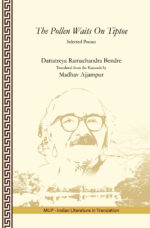
The Pollen Waits on Tiptoe- Selected Poems
₹310.00Author: Dattatreya Ramachandra Bendre, Translator: Madhav Ajjampur
The book presents English translations of 26 selected poems of 20th-century Kannada literature’s varakavi (heaven-touched poet) and one of the greatest lyric poets to have lived: Dattatreya Ramachandra Bendre.
Although no selection of Bendre’s poems, even in the original Kannada, can ever be representative of the astonishing range of his poetry, the poems in this book give the reader a sampling of some of the different types of poems Bendre wrote – including the blank verse of his sonnets, the free verse of some of his later poetry, and the overwhelmingly-euphonic lyric poems of his first period. Several of the included poems are also acknowledged classics.
A standout feature of this book is its character as a multimedia presentation. Given the exceptional aural quality of Bendre’s poetry, a provision has been made for the reader to listen to audio recordings of each poem, in both its original and translated forms. Also included are Afterwords which, among other things, contain stories about Bendre, interesting anecdotes related to the poems, and reflections on the process of translation.
Interested overseas customers may write to us at mup@manipal.edu about purchasing the book.
Also available on
eBook available on

-
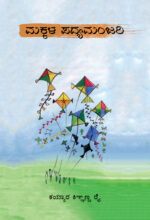
Makkala Padyamanjari
₹180.00Author: Kayyara Kinhanna Rai
ಮಕ್ಕಳ ಪದ್ಯಮಂಜಿರಿ ಶ್ರೀ ಕಯ್ಯಾರ ಕಿಞ್ಞಣ್ಣ ರೈ ಅವರಿಂದ ಮಕ್ಕಳಿಗಾಗಿ ಕವನಗಳ ಪುಸ್ತಕ. ಶ್ರೀ ಕಯ್ಯಾರರ ಕವನಗಳು ಎಲ್ಲಾ ಹಿನ್ನೆಲೆಯ ಜನರನ್ನು ತಲುಪುವುದರಿಂದ ಹೆಚ್ಚಿನ ಕನ್ನಡಿಗರು ಕಾವ್ಯವನ್ನು ಓದುವ ಬೆಳವಣಿಗೆಯನ್ನು ಹೊಂದಿದ್ದಾರೆ. ಗ್ರಾಮೀಣ ಅಥವಾ ನಗರ, ಶ್ರೀಮಂತ ಅಥವಾ ಬಡ. ಈ ಕವಿತೆಗಳಲ್ಲಿ ಬಾಲ್ಯದ ಸವಿನೆನಪುಗಳು ಅಡಗಿದ್ದು, ಓದುವಾಗ ಓದುಗರಿಗೆ ನಾಸ್ಟಾಲ್ಜಿಕ್ ಆಗುವುದರಿಂದ ಅವು ದೊಡ್ಡವರಲ್ಲಿಯೂ ಜನಪ್ರಿಯವಾಗಿವೆ. ಕಲಾವಿದ ಪ್ರಸಾದ್ ರಾವ್ ಜಿ ಅವರು ಚಿತ್ರಿಸಿದ ಚಿತ್ರಗಳೊಂದಿಗೆ ಪ್ರಸ್ತುತ ಪುಸ್ತಕವು ಓದುವಿಕೆಯನ್ನು ಇನ್ನಷ್ಟು ಆಸಕ್ತಿದಾಯಕವಾಗಿಸುತ್ತದೆ. ಇದು ಶ್ರೇಷ್ಠ ಕವಿ, ಬರಹಗಾರ ಕಯ್ಯಾರ ಅವರ ಶತಮಾನೋತ್ಸವ ವರ್ಷದಲ್ಲಿ ಹೊರತರಲಾದ MUP ಯ 50 ನೇ ಪ್ರಕಟಣೆಯಾಗಿದೆ.
Interested readers may write to us at mup@manipal.edu about purchasing the book.
Also available on
-
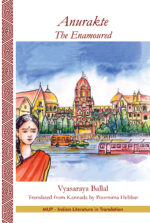
Anurakte- The Enamoured
₹390.00Author: Vyasaraya Ballal Translator: Poornima Hebbar
There are many rags-to-riches stories around the city of Mumbai. However, here is a story of transformation of a woman and her true self in the city of dreams. Set in Mangalore and Mumbai of the late 1940s, Anurakte- The Enamoured is an elegantly written story of a woman and her changing worldview over a period of time. Sumithra, a young woman with ordinary dreams and aspirations, comes to the then Bombay in search of livelihood. Little did she know that her experiences in the city and her zest for an independent life would transform her into a different person. She breaks the shell and resolves not to look back. The book is a poignant tale of love, loss, betrayal, family, relationships and traditions. The culturescape of Mumbai beautifully intertwines with her dreams. It is as much a story of the vibrancy of Mumbai as it is about Sumithra’s journey towards freedom.
Interested readers may write to us at mup@manipal.edu about purchasing the book.
Also available on
-
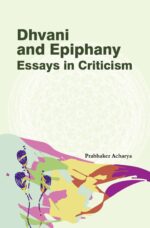
Dhvani and Epiphany: Essays in Criticism
₹270.00Author: Prabhaker Acharya
Dhvani and Epiphany examines the work of major Indian poets like Nissim Ezekiel and Arun Kolatkar; the struggle of young poets to find an audience; and the art of fiction. But its main focus is on the nature of creativity. How does an artist communicate his meaning? What makes a work genuinely creative? Through a sensitive exploration of poetry- ranging from the simple poems of a child, Poorna Prajna, to the complex “Byzantium Poems” of Yeats- the first seven essays try to show how a poem comes to life when it speaks to us and we listen to its dhvani and respond.
Even in fiction, it is not all realism. There is irony in exploring the paradoxical nature of reality; events taking on symbolic overtones; and epiphany, moments of illumination and insights – when surprising correspondences are seen. Writers cannot surprise and delight their audience if they themselves are not surprised and delighted by such insights.
Interested readers may write to us at mup@manipal.edu about purchasing the book.
Also available on
-

Boatman! – Take these songs from me
₹1,800.00Authors: Gabriel Rosenstock, Masood Hussain
Boatman! take these songs from me is a compilation of mesmerizing artwork coupled with tankas. A tanka is an ancient Japanese form of poetry written in short five-line verses, with a total of 31 syllables. The painted reliefs are an aesthetic creation by Masood Hussain, who bases his artwork in this book on Mirza Ghalib’s couplets on the inevitability of grief. These works explore human suffering, the melancholy of life, and the visceral struggle against oppression..
These themes are contextualized in the poems, written by Gabriel Rosenstock, which speak of love, sacrifice, longing, and freedom. His poems also comprise an interesting orthographical inversion of the capital Y in ‘You’ and the lower case ‘i’, which subjectifies the reading experience through an outward focal lens, reflected in the play of light and hue in the paintings. The bilingual poems in Irish and English capture the essence of the paintings, ferrying the collection across to the reader. This poetically painted coffee table book is a ‘Boatman’ unto itself.Interested readers may write to us at mup@manipal.edu about purchasing the book.
Also available on
Be the first to review “Growing up with Nidhi: Book 1 – Nidhi and Minchu”
You must be logged in to post a review.