

Lotus Pond
₹210.00
Author: K Tara Bhat, Translator: Geetha Sreenivasan
Lotus Pond explores women’s plight beyond the emotional level; it is evident that the author is immensely intrigued by the feminist ideals.
The novel potently depicts how each woman is restrained by her own body; she is compelled to safeguard it at all costs. This becomes her inescapable destiny. It is ironical that the elite colony- Garden view, shares this helplessness with the neighbouring slums. Whether it is the attack on the composure of a rich woman- Krupa, or the inhuman exploitation of poor Chami’s infant, the common source of torment remains- patriarchal cruelty.
The entity which reigns supreme in the Garden View colony is money- a weapon wielded by men. In the grand houses of the colony, there are all the commodities that money can buy; still, the grandeur of these houses is incomplete, empty; devoid of sounds of joy. The residents think no more of love and compassion. Hence, they receive only these- a wealth which fails to bring love and contentment. Ayesha, who endures in this environment like a shadow, is a witness to this hypocritical way of life.
Tara Bhat gained prominence with her first novel Avyakta and continued to make valuable contribution to the Kannada literary world with her second endeavour- Lotus Pond.
Interested customers may write to us at mup@manipal.edu about purchasing the book.
Also available on |
| Format |
|---|
Customer Reviews
There are no reviews yet.
Related products
-
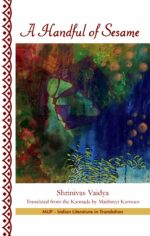
A Handful of Sesame
₹310.00Author: Srinivas B Vaidya, Translator: Maithreyi Karnoor
With a captivating start, A Handful of Sesame plunges us into the heart of the dying years of the 1857 mutiny. But the mutiny is largely a backdrop to the novel. When Kamalanabh of Kashi is manipulated by an impoverished Brahmin of Navalgund into marrying his daughter, the novel becomes basically the story of an internal migration. This is rare, and it remains one of the strengths of the novel. We are so used to speaking of migration across the postcolonial bridge and accredited national borders that we forget that India is a country of endless internal migrations – in the past and the present.
Interested readers may write to us at mup@manipal.edu about purchasing the book.
Also available on
-
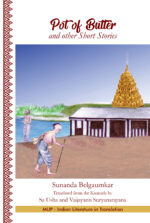
Pot of Butter and other short stories
₹250.00Author: Sunanda Belgaumkar Translator: Sa Usha, Vaijayanti Suryanarayana
Pot of Butter and other Short Stories is a collection of nine short stories, originally composed by Sunanda Belgaumkar in Kannada, handpicked and translated from her collections – Kajjaya and Koduvudenu Kombudenu. The bulk of her literary work including the stories in this book are inspired by the experiences in her early life, in the rustic and robust atmosphere of Dharwad. Her stories are predominantly semiautobiographical, laced with a liberal dose of artistic freedom.
This collection weaves together her writings on the underprivileged and marginalized as seen from the comfort of her palatial home, but rendered with compassion and empathy. Often, we find her narrative infused with self-directed questions such as, “What if I was in her shoes? ” or “Could that have been me? ” These stories are reflections on human nature, suffering, and destiny. There is hope, there is despair. There is love, there is longing. There is defeat, and there is triumph. In her stories, an oft-recurring metaphor for picking up one’s life after loss is a scorching summer followed by a torrential downpour and subsequently a plant springing to life.
As a translation, this book attempts to introduce Sunanda Belgaumkar’s literary and artistic creations to the non-Kannada reader, retaining as much of the indigenous elements of the original writings as possible. In doing so, it seeks to preserve the cultural climate of North Karnataka as it was around fifty years ago.
Interested readers may write to us at mup@manipal.edu about purchasing the book.
Also available on
-
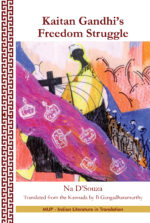
Kaitan Gandhi’s Freedom Struggle
₹280.00Author: Na D’Souza Translator: B Gangadharamurthy
Kaitan Gandhiya Swatantrya Horata is one of the very few novels written in Kannada on the Gandhian phase of the Indian freedom struggle. It is not globally unknown that Gandhi not only changed the idiom of the struggle and successfully experimented his lifetime-belief in non-violence on the vast canvas but also made it decisively inclusive. Kaitan Gandhi’s Freedom Struggle thematically illuminates these two crucial aspects of the great struggle and grapples with the naked truth as Charles, the priest in the novel revealingly says,The rulers, whosoever it is, are rulers. Caste, colour, or country does not matter to them. All are wicked. Like in all true works of realist literature, the author, here too, creatively blends the individual, the social, and the historical in such a way that the novel poignantly unfolds the true spirit of quest for freedom and humanity.
Interested readers may write to us at mup@manipal.edu about purchasing the book.
Also available on
-
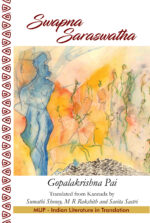
Swapna Saraswatha
₹530.00Author: Gopalakrishna Pai Translator: Sumathi Shenoy, M R Rakshith, Savita Sastri
Swapna Saraswatha is the saga of migration of a community called Saraswaths in the west coast of India, extending from Goa to the south of Mangalore. It captures the dominance of a colonial power over the region that began with the entry of the Portuguese about four hundred years ago. The novel is a graphic description of the displacement of this strongly-rooted community which saw its resurrection in a new area. In the course of its narrative, the novel traces the gradual changes in the structure of the family that moved from a closely knit joint family of the bygone era to the nuclear family. It also deals with the factors that are responsible for the change in value systems of individuals in the wake of such paradigm shifts. With its vast canvas, it remarkably weaves fiction with myth and history, peppered with cultural details and linguistic nuances. The narration in Swapna Saraswatha progresses in the form of an epic detailing the story of nine generations spread over a period of two hundred and fifty years from 1510 to about 1760. It encompasses more than a hundred and fifty characters which include Hindus, Muslims, Christians, chieftains, traders, farmers, priests and black magicians, and covers a range of themes spread across folk tales, legends, armies, myths and a sprinkling of history.
-
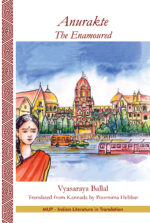
Anurakte- The Enamoured
₹390.00Author: Vyasaraya Ballal Translator: Poornima Hebbar
There are many rags-to-riches stories around the city of Mumbai. However, here is a story of transformation of a woman and her true self in the city of dreams. Set in Mangalore and Mumbai of the late 1940s, Anurakte- The Enamoured is an elegantly written story of a woman and her changing worldview over a period of time. Sumithra, a young woman with ordinary dreams and aspirations, comes to the then Bombay in search of livelihood. Little did she know that her experiences in the city and her zest for an independent life would transform her into a different person. She breaks the shell and resolves not to look back. The book is a poignant tale of love, loss, betrayal, family, relationships and traditions. The culturescape of Mumbai beautifully intertwines with her dreams. It is as much a story of the vibrancy of Mumbai as it is about Sumithra’s journey towards freedom.
Interested readers may write to us at mup@manipal.edu about purchasing the book.
Also available on
-
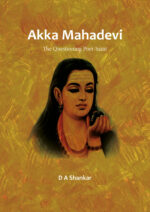
Akka Mahadevi, the questioning poet-saint
₹255.00Author: D A Shankar
This book presents the mystical ruminations and literary excellence of Akka Mahadevi, the earliest example of a gender-liberated woman writer, credited with the composition of over four hundred and forty remarkably self-explorative Vachanas. Akka Mahadevi represents a powerfully authentic female voice of the radical, egalitarian Sharana Movement, which questioned the socially established barrier between genders and ushered in a world of socio-cultural equality.
In this book, the author explores the questioning spirit intrinsic to Akka Mahadevi’s life and writings, as she questions the widely held conventional norms: the traditional husband-wife relationship, her parents, elders; she questions Basavanna and Allama for their habituated patriarchal manner of speaking, and she bravely questions her personal deity whom she loves and adores. Apart from discerning a credible ‘history’ and background to Akka’s works, this book makes available a rendition of her selectively profound and memorable Vachana in modern English, that crosses the ?the gulf of language and the gulf of time.
Interested readers may write to us at mup@manipal.edu about purchasing the book.
Also available on
-
Inti Dvadasha Akhyana
₹120.00Author: Sathyavathi Harikrishnan
ಸತ್ಯವತಿ ಹರಿಕೃಷ್ಣನ್ ಹಾಸ್ಯಬರವಣಿಗೆಯಲ್ಲಿ ಸುಮಾರು ಎರಡು ದಶಕಗಳಿಂದ ತನ್ನನ್ನು ತೊಡಗಿಸಿಕೊಂಡಿರುವ ಕವಯಿತ್ರಿ. ಇವರ ಹಾಸ್ಯಲೇಖನಗಳು ತರಂಗ, ತುಷಾರ, ಮಯೂರ, ಕರ್ಮವೀರದಂಥ ನಿಯತಕಾಲಿಕಗಳಲ್ಲಿ, ಉದಯವಾಣಿ, ಪ್ರಜಾವಾಣಿ ಮುಂತಾದವುಗಳಲ್ಲಿಯೂ ಪ್ರಕಟಗೊಂಡಿವೆ. 2002ರಲ್ಲಿ ಡೆಟ್ರಾಯಿಟ್ ನಲ್ಲಿ ನಡೆದ “ಅಕ್ಕ” ವಿಶ್ವ ಕನ್ನಡ ಸಮ್ಮೇಳನದ ಸ್ಮರಣ ಸಂಚಿಕೆಯಲ್ಲಿ ಇವರ “ಗುಂಡ್ರಾಮನ ಚಿಕಿತ್ಸಾಯಣ’ ಎಂಬ ಕೃತಿ ಪ್ರಕಟವಾಗಿದೆ. ಸನ್ಮಾನ್ಯರಾದ ದೇಜಗೌ ಮತ್ತು ಜಿಟಿನಾರವರ ಸಂಪಾದಕತ್ವದಲ್ಲಿ ಪ್ರಕಟವಾದ “ಪುಸ್ತಕ ಪ್ರಪಂಚ’ದಲ್ಲಿ ಇವರ ಅನುವಾದಿತ ಲೇಖನಗಳು ಪಡಿಮೂಡಿವೆ. “ಕುಂಬಾಸ’, “ನುಗ್ಗೇಹಳ್ಳಿ ಪಂಕಜ’ವೇ ಮೊದಲಾದ ಪ್ರಶಸ್ತಿಗಳನ್ನು ಪಡೆದಿರುವ ಸತ್ಯವತಿಯವರು ಈಗಾಗಲೇ ಐದು ಹಾಸ್ಯ ಸಂಕಲನಗಳನ್ನು ರಚಿಸಿದ್ದಾರೆ. ಅವರ ಆರನೆಯ ಹಾಸ್ಯ ಸಂಕಲನವೇ – “ಇಂತಿ ದ್ವಾದಶ ಆಖ್ಯಾನ’. ಹಾಸ್ಯದಲ್ಲಿ ಅಪಹಾಸ್ಯ, ತಿಳಿಹಾಸ್ಯ, ವ್ಯಂಗ್ಯ ಮುಂತಾದ ಪ್ರಭೇದಗಳಿವೆ. ವ್ಯಂಗ್ಯಮಿಶ್ರಿತವಾದ ತಿಳಿಹಾಸ್ಯ ಒಂದೇ ಕಾಲದಲ್ಲಿ ಎರಡು ಉದ್ದೇಶಗಳನ್ನು ಹೊಂದಿರುತ್ತವೆ. ಅದು ಮೇಲ್ನೋಟಕ್ಕೆ ಮನೋರಂಜನೆಯಾಗಿ ಕಂಡರೂ, ಅದರ ಇಂಗಿತ ಓದುಗರನ್ನು ಗಂಭೀರ ಚಿಂತನೆಗೆ ತೊಡಗುವಂತೆ ಮಾಡುವುದಾಗಿರುತ್ತದೆ. ವ್ಯಕ್ತಿಯನ್ನು ನೋಯಿಸದೇ ಲಘುಹಾಸ್ಯ-ವ್ಯಂಗ್ಯಗಳಿಂದ ಸ್ವವಿಮರ್ಶೆ ಮಾಡಿಕೊಳ್ಳುವಂತೆ ಪ್ರೇರೇಪಿಸುವುದು ಹಾಸ್ಯದ ಕಲಾತ್ಮಕ ಪ್ರಕ್ರಿಯೆ. ಶ್ರೀಮತಿ ಸತ್ಯವತಿಯವರ ಈ ಕೃತಿಯಲ್ಲಿ ಇಂತಹ ಒಂದು ಪ್ರಯತ್ನವನ್ನು ನಾವು ಕಾಣಬಹುದು. “ಇಂತಿ ದ್ವಾದಶ ಆಖ್ಯಾನ’ದಲ್ಲಿ ಹನ್ನೆರಡು ವೈವಿಧ್ಯಮಯ ಸಣ್ಣ ಹಾಸ್ಯಲೇಖನಗಳಿವೆ. ಸತ್ಯವತಿಯವರು ನಮ್ಮ ಜೀವನದ ಸಾಮಾನ್ಯ ಘಟನೆಗಳನ್ನೇ ರಂಗುರಂಗಾಗಿ ತಿಳಿಹಾಸ್ಯದ ಮೂಲಕ ಈ ಕೃತಿಯಲ್ಲಿ ತೋರಿಸಿದ್ದಾರೆ. ಕಾಲ್ಪನಿಕ ಘಟನೆಗಳಲ್ಲಿ ಹಾಸ್ಯದ ಪಾತ್ರಗಳನ್ನು ಸೃಷ್ಟಿಸಿ, ಗಂಭೀರ ವಿಚಾರಗಳನ್ನು ಮನಮುಟ್ಟುವಂತೆ ನಿರೂಪಿಸುವ ಲೇಖಕಿಯ ಶೈಲಿಯು ಅಪೂರ್ವವಾದದ್ದು. ಪ್ರತಿ ಕತೆಯ ಶೀರ್ಷಿಕೆಯಲ್ಲೇ ಹಾಸ್ಯ ತುಂಬಿರುವ ಈ ಕೃತಿಯು ಓದುಗರನ್ನು ನಗಿಸುವಲ್ಲಿ ಯಶಸ್ವಿಯಾಗುತ್ತದೆ.
Interested customers may write to us at mup@manipal.edu about purchasing the book.
Also available on
-
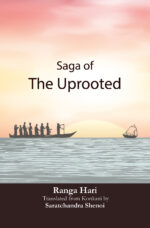
Saga of The Uprooted
₹95.00Author: Ranga Hari, Translator: Saratchandra Shenoi
This English translation of Visthapanachi Katha, a Konkani Khanda Kavya, depicts the saga of the migration of the Konkani community from Goa to a land far away from home. This collection of poems encapsulates the reign of a colonial power over the region of Goa that began with the entry of the Portuguese in the 16th century. It illustrates the displacement of the Konkani people and their resurgence at Cochin port. The poems describe the transformation of Goa – both culturally and topographically – and the people of Goa who were plundered, displaced, uprooted, and were forced to strip off their culture and identity. The poet is unfolding the tale of his very own ancestors by tracing out these events and graphically portraying the plight of the Konkani people. Saratchandra Shenoi, the author of this English translation, is a multilingual translator and a Sahitya Akademi Award winning (Antarnad – 1999) Konkani poet based in Kochi. He has over twenty books to his credit which include collections of poetry, works of fiction and non-fiction, translations, edited anthologies and language guides. Ranga Hari is the author of the Konkani original text titled Visthapanachi Katha. He has written more than twenty-five books in different languages, and was associated with Bharatiya Sikshan Mandal and Vidya Bharati.
Interested readers may write to us at mup@manipal.edu about purchasing the book.
Also available on
Be the first to review “Lotus Pond”
You must be logged in to post a review.