
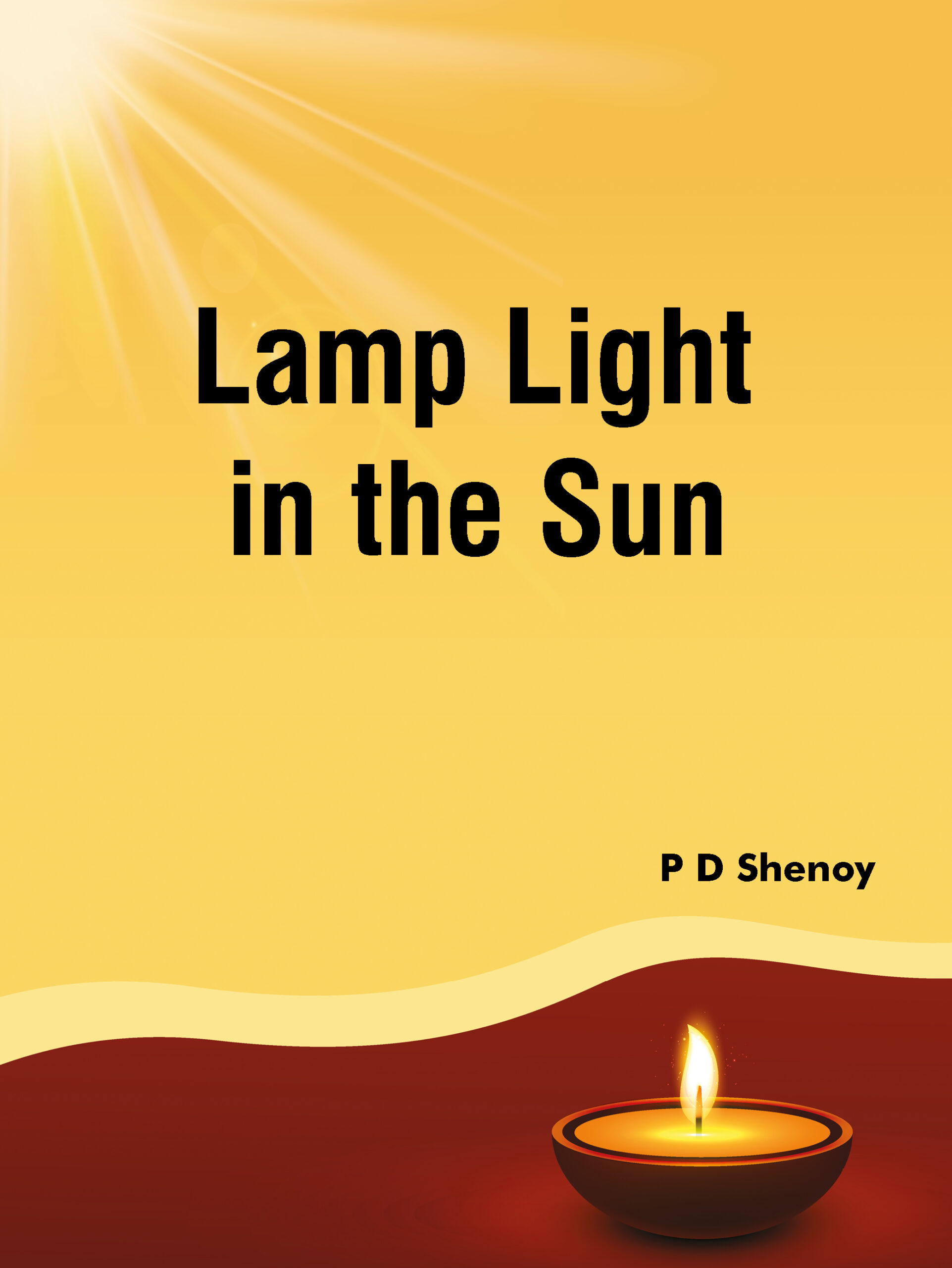
Lamp Light in the Sun
₹300.00
Author: P D Shenoy
A witty and fascinating account of the life of a civil servant, this book is a candid memoir of a life well-lived and a career well-accomplished. The career of Dr P D Shenoy, an IAS officer of the 1967 Karnataka cadre, spans some of the most interesting and significant periods in the Indian political scenario. Thus, this book is an observation of individuals, events and administrative affairs of changing times and politics. Along with narratives on family and friends, humorous anecdotes on famous personalities mingle with matters of bureaucracy in this book. In the end, this is also the story of small-town dreams, of aspirations and desires.
Interested customers may write to us at mup@manipal.edu about purchasing the book.
Also available on |
| Author | |
|---|---|
| Format |
Related products
-
Bamonn: Story of a Konkani Roman Catholic
₹255.00Author: Na D’Souza Translator: S M Pejathaya
Konkani Roman Catholic Christians were converted from other groups by Goan Missionaries long back, keeping the caste system tradition to a large extent in layers such as the Bamonn, the Charodi, the Gawdi, the Nendar, the Shudra, etc. At the time of marriages and other social gatherings they continue to consider caste system norms and customs in the community. Caste system in Indian Christians is vividly described in the novel Bamonn. Christopher Pai of Kalyanpura hails from a Bamonn family and takes great pride in his ancestry. He believes in the stories about his Konkani Roman Catholic ancestors from his elders and about their being true Christians, holding on to their faith despite tremendous pressure to convert to Islam during Tipu Sultan’s regime. He also believes Bamonns are superior to other Christians in the community. After retiring from his job of a Headmaster, he refuels his obsession to retrace his roots and find out the truth about his ancestors. In his journey of self-assurance and faith, will he succeed in his mission to convince his family, his children and the community at large of his glorious ancestry and in still pride in the next generation? . . .
Interested readers may write to us at mup@manipal.edu about purchasing the book.
Also available on
-
Reliving the memories of an Indian forester: Memoir of S Shyam Sunder
₹450.00Editor: Shiv Someshwar
Shyam Sunder’s memoir is a series of vignettes, from numerous comedic to a tragic few. The life narrated is varied and never short of excitement – being ten yards from a charging tusker or a foot away from a King Cobra; defying orders of the chief minister; being hauled up for contempt of the high court, and discussing with Indira Gandhi the best way to eat avocados. Possessed of wit and passion, the narration lays bare the hubris of popular discourse on noble forest livelihoods, and unflinchingly narrates neglect of rural communities, as well as of forests, at times by the callous imposition of rules and regulations.
Interested readers may write to us at mup@manipal.edu about purchasing the book.
Also available on
-
Colours of the Rainbow
₹450.00Author: Umesh Bhat
The author, through Colours of the Rainbow, tells us that everyone is destined for his/her own rainbow with a pot of gold at the other end if, one has a will, works hard on it, and with a little bit of luck. The book narrates the dream journey of a village boy.
Interested readers may write to us at mup@manipal.edu about purchasing the book.
Also available on
-
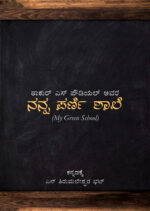
Nanna Parni Shaale
₹290.00Author: Thakur S Powdyel Translator: N T Bhat
ನನ್ನ ಪರ್ಣ ಶಾಲೆ ಠಾಕೂರ್ ಎಸ್ ಪಡೆಯಲು ಅವರು ಇಂಗ್ಲಿಷಿನಲ್ಲಿ ರಚಿಸಿದ ಪುಸ್ತಕದ ಕನ್ನಡ ಅನುವಾದ, ಭೂತಾನ್ ರಾಜ್ಯದಲ್ಲಿ ರಾಷ್ಟ್ರವ್ಯಾಪಿಯಾಗಿ ಅಳವಡಿಸಲಾದ ಶಿಕ್ಷಣ ಯೋಜನೆಯನ್ನು ಪೌಡಿಯಲ್ “ಮೈ ಗ್ರೀನ್ ಸ್ಕೂಲ್” ಎಂಬ ಹೆಸರಿನಲ್ಲಿ ವಿವರಿಸಿದ್ದಾರೆ. ಮೂಲದ ಇಂಗ್ಲಿಷ್ ಶೀರ್ಷಿಕೆ ಹೊಂದಿಕೊಳ್ಳುವಂತ ಈ ಅನುವಾದಕ್ಕೆ ಪರ್ಣ ಶಾಲೆ ಎಂಬ ಶೀರ್ಷಿಕೆಯನ್ನು ನೀಡಲಾಗಿದೆ. ವಿದ್ಯಾರ್ಥಿ ವ್ಯಕ್ತಿತ್ವ ವನ್ನು ಸರ್ವಾಂಗೀಣ ವಾಗಿ ರೂಪಿಸುವ ಉದಾತ್ತ ಧೈರ್ಯವನ್ನು ಶಿಕ್ಷಣವು ಹೊಂದಿರಬೇಕೆಂಬುದನ್ನು ಈ ಪುಸ್ತಕದಲ್ಲಿ ಗಂಭೀರವಾಗಿ ಪ್ರತಿ ಪಾದಿಸುತ್ತಾರೆ. ಮನುಷ್ಯನು ಪ್ರಕೃತಿಯೊಂದಿಗೆ ತಾದಾತ್ಮ್ಯ ಭಾವವನ್ನು ಹೊಂದಿಕೊಳ್ಳುವುದು ಸರ್ವಾಂಗೀಣ ವ್ಯಕ್ತಿತ್ವದಲ್ಲಿ ಆಂತರ್ಗತವಾಗಿದೆ. ಶಿಕ್ಷಣಕ್ಕೆ, ಶಿಕ್ಷಣ ಸಂಸ್ಥೆಗಳಿಗೆ ಈ ಲಕ್ಷ್ಯವೂ ಇರಬೇಕೆಂಬುದು ಸ್ವತಸ್ಸಿದ್ದ. ಈ ನಿಟ್ಟಿನಲ್ಲಿ ಉದಾತ್ತ ಶಿಕ್ಷಣ ನೀಡುವ ಶಾಲೆಯನ್ನು ಗ್ರೀನ್ ಸ್ಕೂಲ್ ಎಂದು ಕರೆಯುವುದು ಸರ್ವಥಾ ಸ ರಿ. ಅಂತೆಯೇ ಈ ಶಿಕ್ಷಣ ನೀತಿಯನ್ನು ಭಾರತದಲ್ಲೂ ವ್ಯಾಪಕವಾಗಿ ಅಳವಡಿಸುವುದು ಅಪೇಕ್ಷಣೀಯ.
Also available on
eBook available on

-
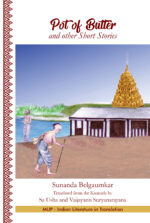
Pot of Butter and other short stories
₹250.00Author: Sunanda Belgaumkar Translator: Sa Usha, Vaijayanti Suryanarayana
Pot of Butter and other Short Stories is a collection of nine short stories, originally composed by Sunanda Belgaumkar in Kannada, handpicked and translated from her collections – Kajjaya and Koduvudenu Kombudenu. The bulk of her literary work including the stories in this book are inspired by the experiences in her early life, in the rustic and robust atmosphere of Dharwad. Her stories are predominantly semiautobiographical, laced with a liberal dose of artistic freedom.
This collection weaves together her writings on the underprivileged and marginalized as seen from the comfort of her palatial home, but rendered with compassion and empathy. Often, we find her narrative infused with self-directed questions such as, “What if I was in her shoes? ” or “Could that have been me? ” These stories are reflections on human nature, suffering, and destiny. There is hope, there is despair. There is love, there is longing. There is defeat, and there is triumph. In her stories, an oft-recurring metaphor for picking up one’s life after loss is a scorching summer followed by a torrential downpour and subsequently a plant springing to life.
As a translation, this book attempts to introduce Sunanda Belgaumkar’s literary and artistic creations to the non-Kannada reader, retaining as much of the indigenous elements of the original writings as possible. In doing so, it seeks to preserve the cultural climate of North Karnataka as it was around fifty years ago.
Interested readers may write to us at mup@manipal.edu about purchasing the book.
Also available on
-
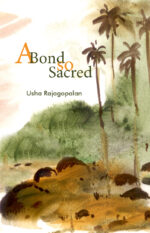
A Bond So Sacred
₹450.00A Bond So Sacred tells the story of Raman, a satyagrahi, who adopts Kokila, an orphan. He leaves the five year old in the care of his mother while he plunges into the freedom struggle. His nationalist fervour, however, clashes with his love for Amina, his charming neighbour who wants parental approval to their marriage. Raman’s mother is as staunch a Brahmin as Amina’s father is a Muslim. Will Raman be able to get their consent. The joy of India becoming an independent nation is marred by Gandhiji’s death. Raman’s fellow satyagrahis have gone their ways and he finds himself with no role to play in a rapidly changing country. Meanwhile, Kokila, his protégée, has her own battles to fight. As the years bring them together again, Kokila discovers truths about Raman that she would never have imagined. She is forced to confront the ghosts of the past, his and hers.
Interested readers may write to us at mup@manipal.edu about purchasing the book.
Also available on
-
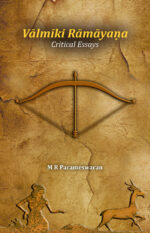
Valmiki Ramayana – Critical Essays
₹250.00Author: M R Parameswaran
This book critically engages with several important events and statements found in Valmiki’s epic poem, the Ramayana composed over 2500 years ago. Though certain methods were followed to preserve the Vedic texts, no serious methods were adopted to preserve the text of Ramayana. The poem spread to all parts of India and beyond through narrators of the epic who sometimes added their own explanatory verses to conform to local customs and traditions. In the second half of the 20th century, scholars at the Baroda Oriental Research Institute, after many years of labour and examination of over 2000 different manuscripts, compiled what is now accepted as the most reliable version of the poem. Based on this critical edition, a condensed English version by Dr Parameswaran was earlier published by the Manipal University Press. In the present book, Dr Parameswaran reviews the critical interpretations of scholars like Sheldon Pollock, R P Goldman and Wendy Doniger and has analytic responses to many unanswered questions. About the book: Dr M R Parameswaran has taught Mathematics as well as Sanskrit at the University of Manitoba in Winnipeg, Canada. His work Studies in Srivaishnavism, has been well received by academic scholars and Srivaishnavas.
Interested readers may write to us at mup@manipal.edu about purchasing the book.Also available on
-
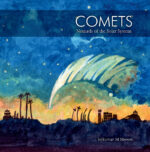
Comets – Nomads of the Solar System
₹290.00This book introduces the general reader to the world of comets – those celestial visitors from the outer Solar System that occasionally visit the Earth’s neighbourhood and put up spectacular shows in the night sky. The world had geared up for just such a show at the end of 2013, when Comet ISON was expected to light up the night sky. Using the occasion to bring the world of comets to those interested, this book is a delightful read about the quirky world of these unpredictable visitors. Apart from lucidly and accurately updating the reader about what comets are, where they come from, why is it that they assume the fantastic shapes they do etc. “Comets” also regales the reader with myths about comets in various cultural contexts, snippets about famous comets in the history of mankind, anecdotes on comet discoveries and discoverers, the bewildering procedures followed while naming comets and much more. The book takes a hard look at the hype surrounding the fiery expectations about Comet ISON an cautions the reader that, while there was a good chance of the comet blazing forth in the skies of December 2013, there was a realistic chance that the comet would not survive its close encounter with the Sun. Sadly, the pessimistic predictions came true and the comet disintegrated as it went around the Sun. As we wait for chance to throw us a Great Comet to gaze at in the future, “Comets: Nomads of the Solar System” is an excellent guide to prepare for the event!
Interested customers may write to us at mup@manipal.edu about purchasing the book.
Also available on