
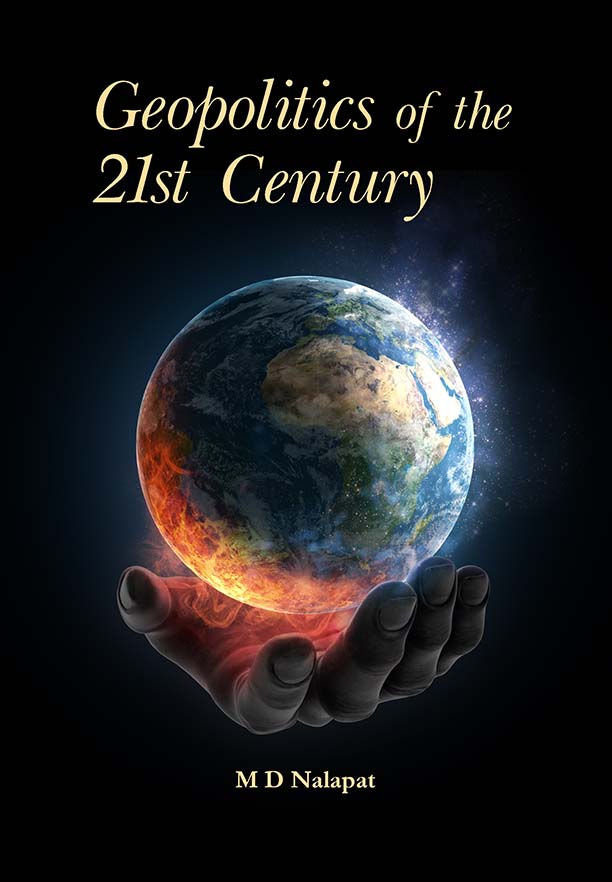
Geopolitics of the 21st Century
₹1,900.00
Author: M D Nalapat
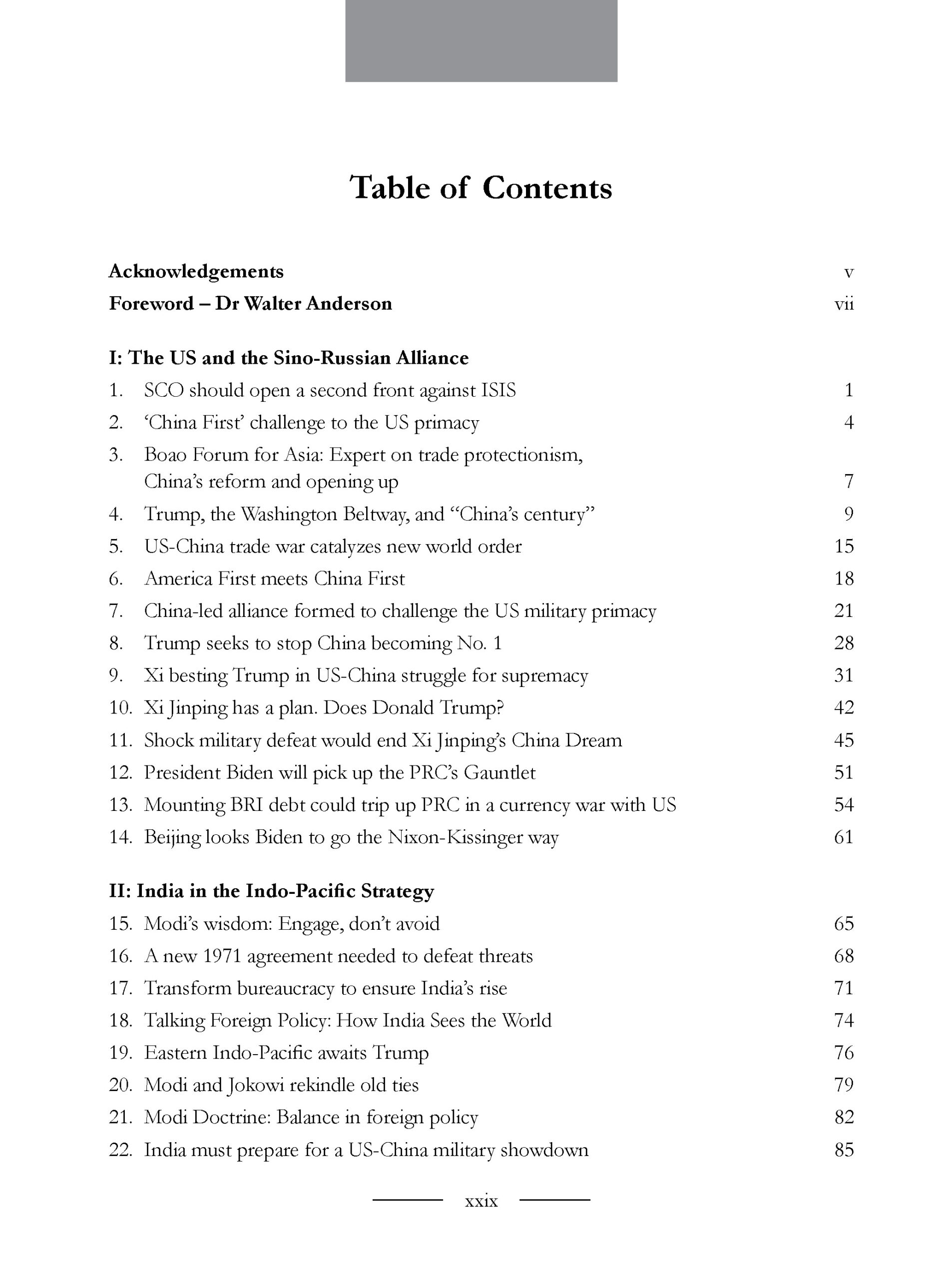
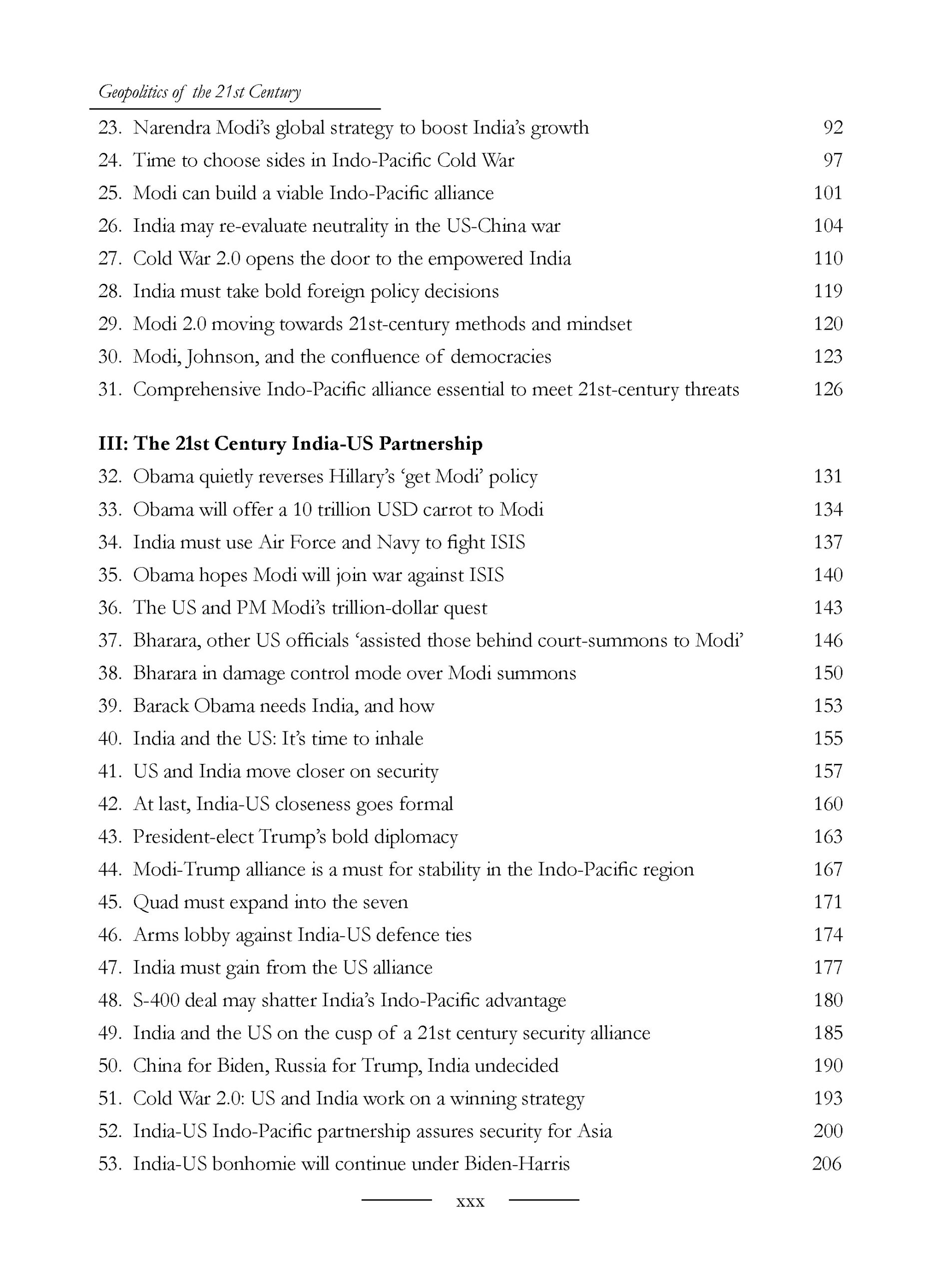
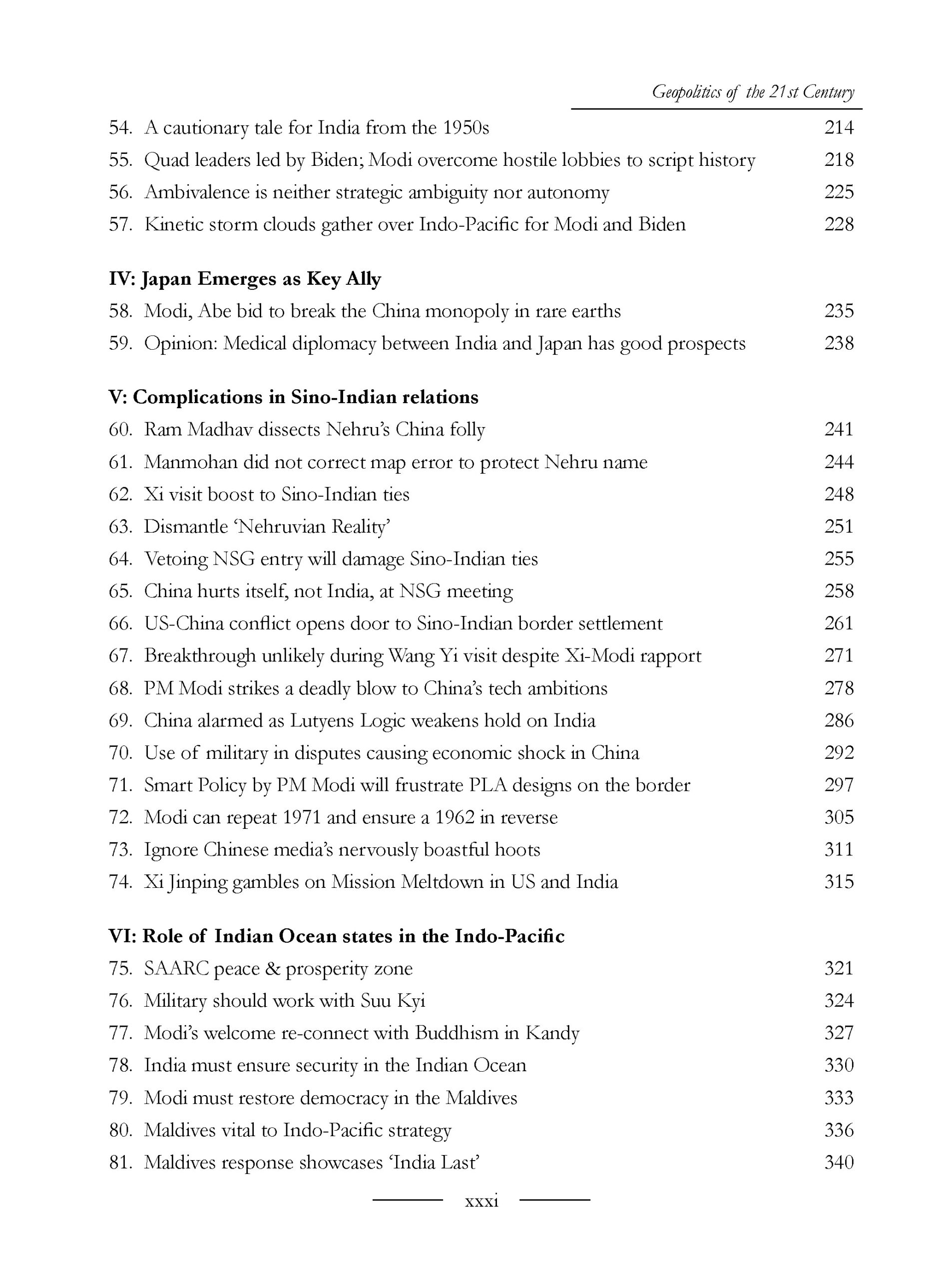
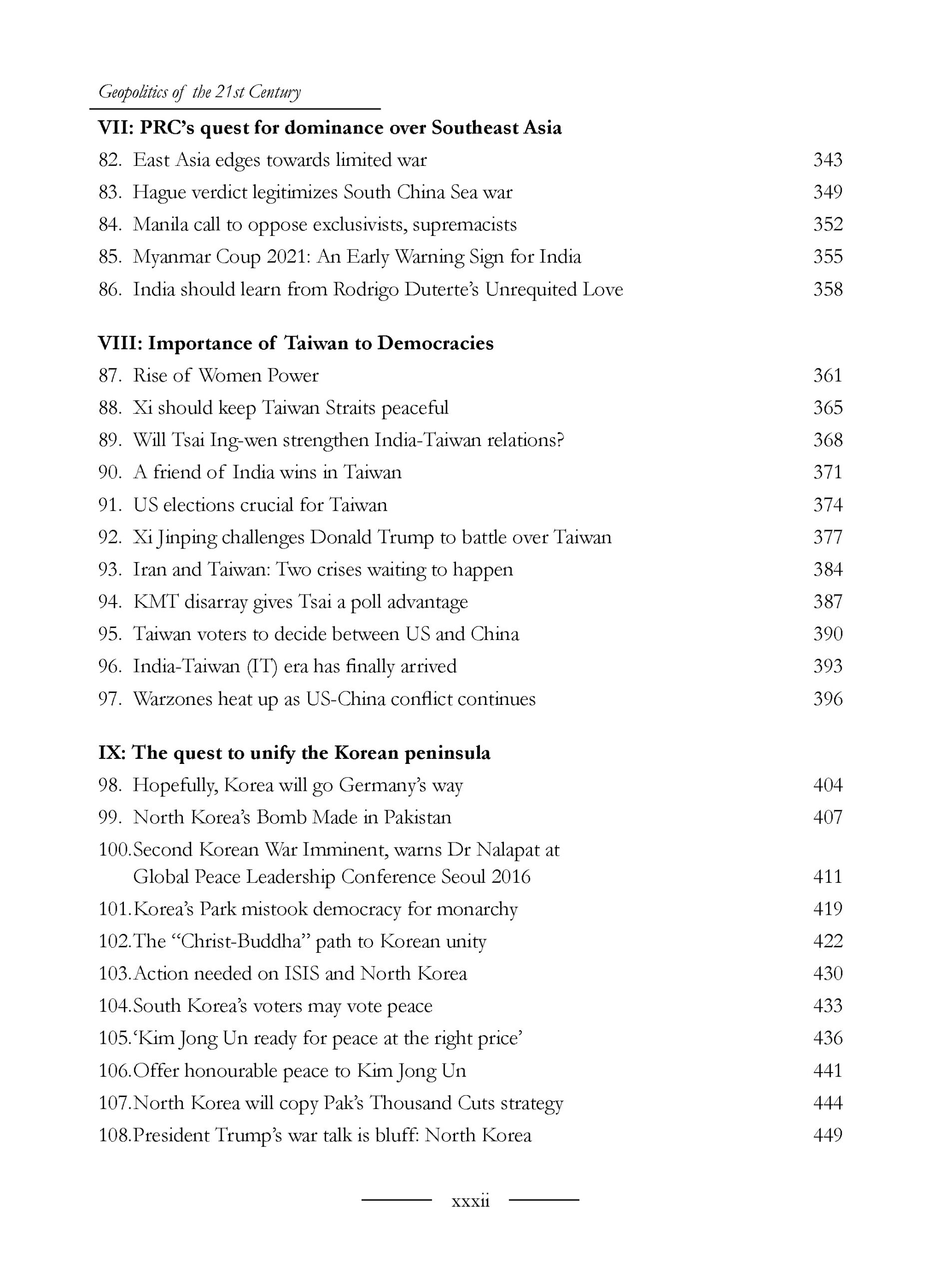
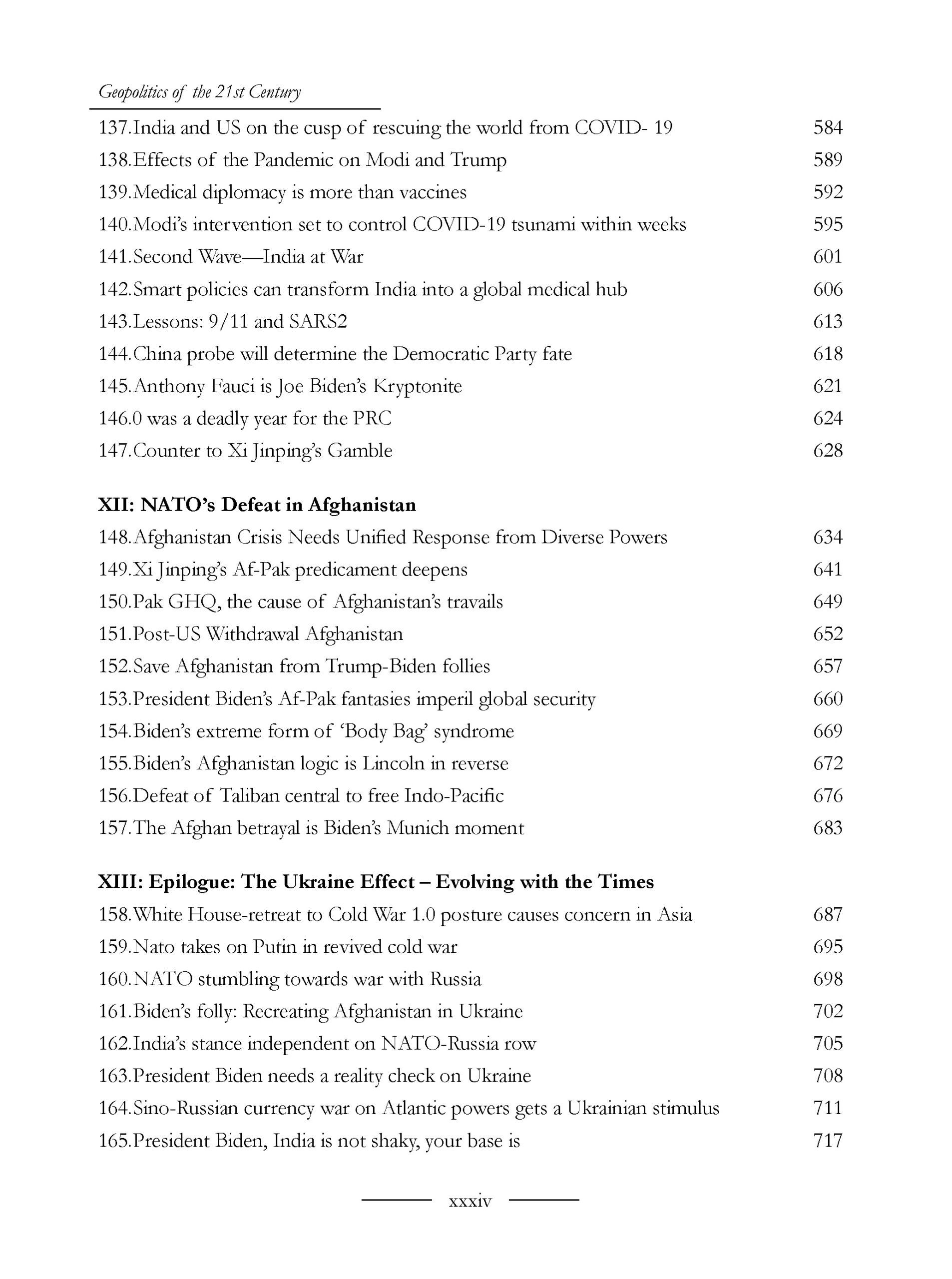
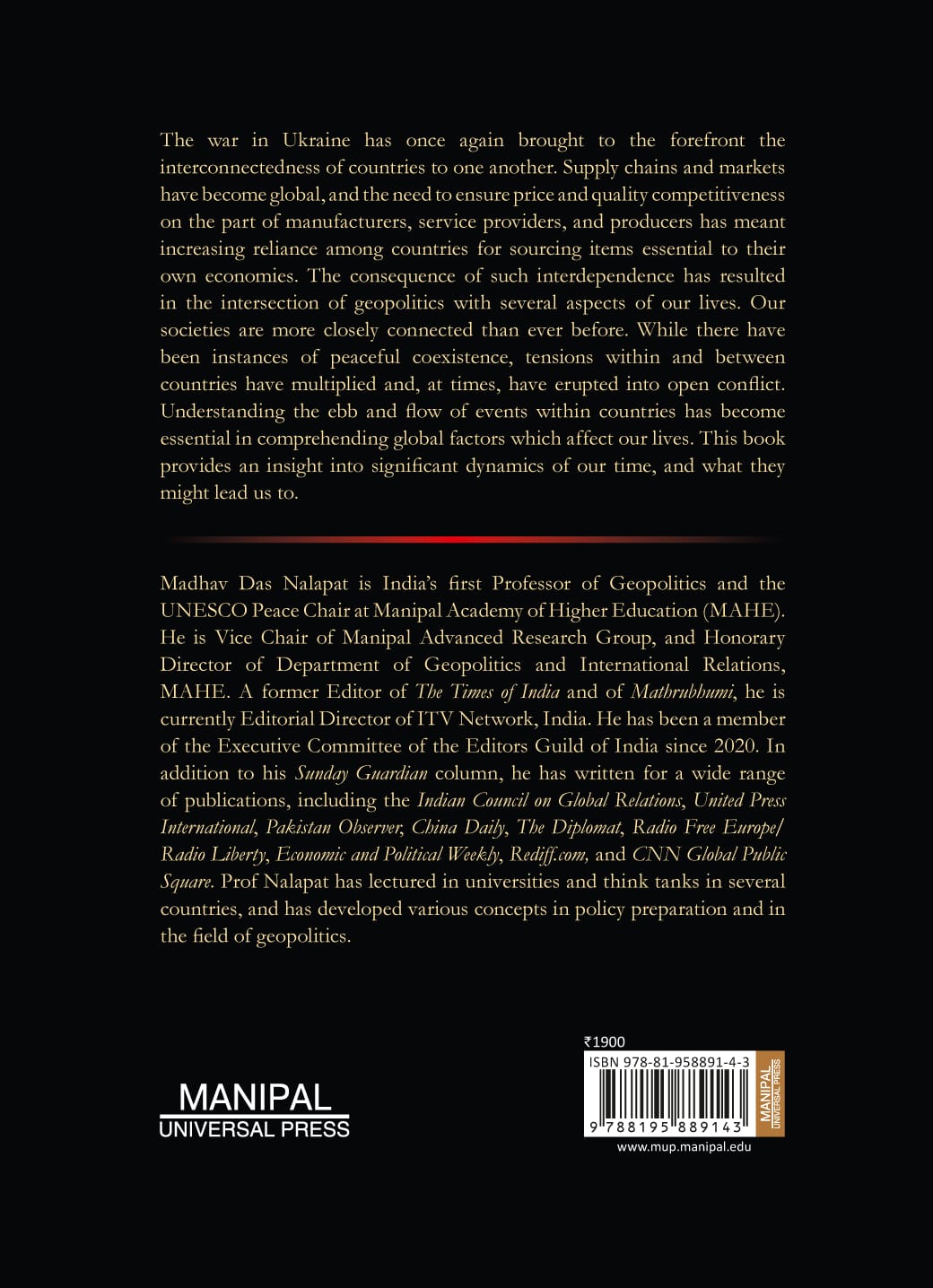
The war in Ukraine has once again brought to the forefront the interconnectedness of countries to one another. Supply chains and markets have become global, and the need to ensure price and quality competitiveness on the part of manufacturers, service providers, and producers has meant increasing reliance among countries for sourcing items essential to their own economies. The consequence of such interdependence has resulted in the intersection of geopolitics with several aspects of our lives. Our societies are more closely connected than ever before. While there have been instances of peaceful coexistence, tensions within and between countries have multiplied and, at times, have erupted into open conflict. Understanding the ebb and flow of events within countries has become essential in comprehending global factors which affect our lives. This book provides an insight into significant dynamics of our time, and what they might lead us to.
Interested overseas customers may write to us at mup@manipal.edu about purchasing the book.
|
Also available on |
| Format |
|---|
Customer Reviews
There are no reviews yet.
Related products
-
Comets – Nomads of the Solar System
₹290.00This book introduces the general reader to the world of comets – those celestial visitors from the outer Solar System that occasionally visit the Earth’s neighbourhood and put up spectacular shows in the night sky. The world had geared up for just such a show at the end of 2013, when Comet ISON was expected to light up the night sky. Using the occasion to bring the world of comets to those interested, this book is a delightful read about the quirky world of these unpredictable visitors. Apart from lucidly and accurately updating the reader about what comets are, where they come from, why is it that they assume the fantastic shapes they do etc. “Comets” also regales the reader with myths about comets in various cultural contexts, snippets about famous comets in the history of mankind, anecdotes on comet discoveries and discoverers, the bewildering procedures followed while naming comets and much more. The book takes a hard look at the hype surrounding the fiery expectations about Comet ISON an cautions the reader that, while there was a good chance of the comet blazing forth in the skies of December 2013, there was a realistic chance that the comet would not survive its close encounter with the Sun. Sadly, the pessimistic predictions came true and the comet disintegrated as it went around the Sun. As we wait for chance to throw us a Great Comet to gaze at in the future, “Comets: Nomads of the Solar System” is an excellent guide to prepare for the event!
Interested customers may write to us at mup@manipal.edu about purchasing the book.
Also available on

-

Pharmaceutical Consumer Complaints: A Guide to Academia and Pharmaceutical Industry
₹795.00Editors: Girish Pai Kulyadi, Muddukrishna B S, Richa Ajay Dayaramani
This book is an excellent guide in analyzing consumer complaints and will aid the students who are yet to gain industry experience. It is necessary for resolving consumer complaints in pharmaceutical industry where such concerns are frequently received. The case studies provide a vivid description of defects that will help identify the nature of the issue, possible root cause of such complaints, and subsequent remediation.
Interested readers may write to us at mup@manipal.edu about purchasing the book.
Also available on
-
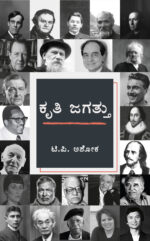
Kriti Jagattu
₹310.00Author: T P Ashok
ಪ್ರೊ. ಟಿ. ಪಿ. ಅಶೋಕ ಅವರ ಇತ್ತೀಚಿನ ಕೃತಿ ಕೃತಿ ಜಗತ್ತು ಇಪ್ಪತ್ತಾರು ಪ್ರಬಂಧಗಳನ್ನು ಒಳಗೊಂಡ ಪುಸ್ತಕವಾಗಿದ್ದು, ವಿವಿಧ ದೇಶಗಳು, ಭಾಷೆಗಳು, ಸಂಪ್ರದಾಯಗಳು, ಪ್ರಕಾರಗಳು ಇತ್ಯಾದಿಗಳಿಗೆ ಸಂಬಂಧಿಸಿದ ಕೃತಿಗಳನ್ನು ಪರಿಚಯಿಸುವ, ವಿಶ್ಲೇಷಿಸುವ, ವಿಮರ್ಶಿಸುವ ಮತ್ತು ಸ್ಪಷ್ಟಪಡಿಸುವ ಮತ್ತು ಸಾಹಿತ್ಯದ ಒಂದು ನೋಟವನ್ನು ನೀಡುತ್ತದೆ. ಇಡೀ ಪ್ರಪಂಚ. ಪ್ರಬಂಧಗಳು ಸಾಮಾಜಿಕ, ಸಾಂಸ್ಕೃತಿಕ ಮತ್ತು ರಾಜಕೀಯ ಘಟನೆಗಳಿಗೆ ಮತ್ತು ಕಳೆದ ಐನೂರು ವರ್ಷಗಳಲ್ಲಿ ನೈತಿಕ, ಮಾನಸಿಕ ಮತ್ತು ಆಧ್ಯಾತ್ಮಿಕ ಬಿಕ್ಕಟ್ಟುಗಳಿಗೆ ಪ್ರಪಂಚದಾದ್ಯಂತದ ಶ್ರೇಷ್ಠ ಬರಹಗಾರರ ಪ್ರತಿಕ್ರಿಯೆಯನ್ನು ಪರಿಣಾಮಕಾರಿಯಾಗಿ ಪ್ರಸ್ತುತಪಡಿಸುತ್ತವೆ. ಈ ಕೃತಿ ಪ್ರಪಂಚವು ಕನ್ನಡ ಸಾಹಿತ್ಯ ಪ್ರಪಂಚದೊಂದಿಗೆ ಸಂಬಂಧವನ್ನು ಸ್ಥಾಪಿಸುತ್ತದೆ ಮತ್ತು ಆದ್ದರಿಂದ ಪುಸ್ತಕದ ವಿಶೇಷ ಮಹತ್ವವನ್ನು ಹೊಂದಿದೆ.
Interested readers may write to us at mup@manipal.edu about purchasing the book.
Also available on
-
Writing the self in Illness: Reading the Experiential through the Medical Memoir
₹240.00Author: Amala Poli
Writing the Self in Illness: Reading the Experiential Through the Medical Memoir is MUP’s refreshing venture into the developing fields of Medical and Health Humanities with an aim to consider the necessity of the narrative knowledge as complementary to the contemporary notions of well-being, illness, and healthcare.
Is individual happiness contingent on health and well-being “How does one find happiness in the throes of illness” In the present-day scenario, wherein medical practice is largely dominated by evidence-based understanding, diagnostic language, and problem-solving methods, the discipline of Medical Humanities emerges with a reciprocal dialogue between Humanities, Social Sciences, Health, and Medicine. The study of varied experiential narratives – literary works and unmediated accounts of patients and healthcare professionals, is foregrounded in Medical Humanities to amplify knowledge and understanding about the complexity of encounters with illness and their transformational quality in a nuanced manner. Both thought-provoking and informative, this publication brings about the anecdotal form of personal narratives in the light of medical discourses along with the specific cultural context of the narrative.
The present publication seeks to be an important reading for students and academics in the field of medical humanities, health professionals or medical practitioners, as well as scholars aspiring to venture into this flourishing field.Interested readers may write to us at mup@manipal.edu about purchasing the book.
Also available on
-
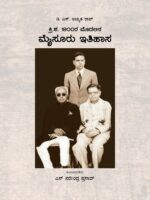
Christa Shaka 1800 Ra Modalina Mysooru ithihaasa
₹295.00Author: D S Achuta Rao Translator: S Narendra Prasad
೧೮೦೦ ಕ್ರಿ. ಶ. ದ ಹಿಂದಿನ ಮೈಸೂರು ಇತಿಹಾಸವು ಪ್ರೊ. ಡಿ ಎಸ್ ಅಚ್ಯುತ ರಾವ್ ಅವರ ಜೀವನ ಮತ್ತು ಕೆಲಸದ ಬಗ್ಗೆ. ಮೈಸೂರು ಇತಿಹಾಸದ ಕುರಿತಾದ ಅವರ ಸಂಶೋಧನೆಯು 1940-65ರ ಅವಧಿಯಲ್ಲಿ ಅವರು ಪ್ರಕಟಿಸಿದ ಹತ್ತು ಸೂಚ್ಯಂಕ ಲೇಖನಗಳಿಂದ ಪ್ರತಿನಿಧಿಸುತ್ತದೆ. ಅವರು ಭಾರತದ ಇತಿಹಾಸ ಮತ್ತು ಅದರ ಅದ್ಭುತ ಭೂತಕಾಲವನ್ನು ಸಕ್ರಿಯವಾಗಿ ಜನಪ್ರಿಯಗೊಳಿಸಿದರು. ಮಹಾರಾಜಾಸ್ ಕಾಲೇಜ್ ಹಿಸ್ಟರಿ ಸೊಸೈಟಿ, ಭಾರತದ ವಸಾಹತು ಸಂಶೋಧಕರು ಮತ್ತು ಕನ್ನಡ ವಿಶ್ವಕೋಶದಲ್ಲಿ ಮೈಸೂರು ಸರ್ಕಾರದ ಉಪಕ್ರಮದಿಂದ ಭಾರತೀಯ ಇತಿಹಾಸದಲ್ಲಿ ಉಪಕ್ರಮಗಳನ್ನು ಪ್ರಸ್ತುತಪಡಿಸುವುದರಿಂದ ಅಂತಹ ಮೂರು ಲೇಖನಗಳನ್ನು ಸೇರಿಸಲಾಗಿದೆ. ಎರಡನೇ ಭಾಗದಲ್ಲಿ ಅವರ ಜೀವನಚರಿತ್ರೆಯಲ್ಲಿ, ಅವರ ವಿದ್ಯಾರ್ಥಿಗಳು ಮತ್ತು ಮಕ್ಕಳು ಶಿಕ್ಷಕ ಮತ್ತು ತಂದೆಯಾಗಿ ಅವರ ಜೀವನದ ಬಗ್ಗೆ ಬರೆದಿದ್ದಾರೆ, ಅವರ ಅವಧಿಯ ಸಂದರ್ಭವನ್ನು ಒದಗಿಸಿದ್ದಾರೆ. ಪುಸ್ತಕವು ಕಳೆದ ಶತಮಾನದ ಮಧ್ಯದಲ್ಲಿ ಇತಿಹಾಸ ಸಂಶೋಧನೆಗೆ ಆಸಕ್ತಿದಾಯಕ ವಿಂಡೋವನ್ನು ಪ್ರಸ್ತುತಪಡಿಸುತ್ತದೆ.
Interested readers may write to us at mup@manipal.edu about purchasing the book.
Also available on
-
Early Buddhist Artisans and their Architectural Vocabulary
₹1,600.00Author: S Settar
The early Buddhist architectural vocabulary, being the first of its kind, maintained its monopoly for about half a millennium, beginning from the third century BCE. To begin with, it was oral, not written. The Jain, Hindu, and other Indian sectarian builders later developed their vocabulary on this foundation, though not identically. An attempt is made here to understand this vocabulary and the artisans who first made use of it.
In the epigraphic ledger, the first reference to the mythical creator of the universe, the Visvakarma (Visakama), is made on the thupas at Sanchi and Kanaganahalli; the earliest excavators of cave temples, comprising five specialists – selavdhaki, nayikamisa, kadhicaka, mahakataka and mithaka – as well as a team of master-architects and supervisors, called the navakamis, appear at Kanheri. Besides these, there were also others called avesanis, atevasinas, acaryas, and upajjhayas all over the Buddhist world. The list does not end with these, because there were yet others called vadhakis (carpenters), seli-vadhakis (stonecutters), sela-rupakas (stone sculptors), mithakas (polishers), and so on. All these artisans who have recorded their life stories on the stone surface are identified, and their professional contributions evaluated here for the first time.
Interested readers may write to us at mup@manipal.edu about purchasing the book.
International Edition available on

South Asia Edition available on
-
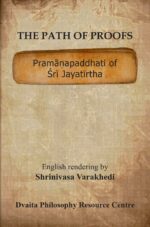
The Path of Proofs – Pramanapaddhati of Sri Jayatirtha
₹250.00Author: Shrinivasa Varakhedi
Epistemology of the Dvaita school of thought is presented in this short monograph Pramāṇapaddhati – the Path of Proofs, authored by Śrī Jayatīrtha. Epistemology is the science of knowledge that deals with the origin and nature of cognitive events and their means.
Ācārya Madhva, the proponent of the Dvaita school, has explained about the epistemology of this new school in his works. Since Madhva’s language is profound and the elucidations are scattered over his several works, it is difficult to comprehend for a novice. Hence, Pramāṇapaddhati was composed by his successor of third generation Śrī Jayatīrtha. The simple and captivating
style of this work is sure to ignite the interest in the readers to conduct further study in detail. This work is not only regarded as a standard textbook of Dvaita studies, but also considered as a basic authentic work in the Dvaita dialectic literature.This work is rendered into English by Prof Shrinivasa Varakhedi adopting the mirror-translation method.
Interested readers may write to us at mup@manipal.edu about purchasing the book.Also available on
-

A Concise Textbook of Drug Regulatory Affairs
₹290.00This book has 12 chapters covering nearly all the areas of Drug Regulatory Affairs. Various aspects of Drug Regulatory Affairs such as new drug approval procedure, pharmacovigilance, product recall, evolution of drug regulations in the United States of America (USA) and process of drug approval in the USA and European Union, bioequivalence regulations, electronic Common Technical Documents (eCTD), environmental regulations, orphan drugs pharmaceutical pricing and control policy, Pharmacovigilance system in India and the USA, Product Recall, regulations of pharmaceutical drug promotion and Pharmacy Practice regulations are covered in this book. As a whole, the book is a comprehensive reference book on regulatory affairs and will be very useful for the practicing professionals and students alike.
Interested readers may write to us at mup@manipal.edu about purchasing the book.
Also available on
Be the first to review “Geopolitics of the 21st Century”
You must be logged in to post a review.