
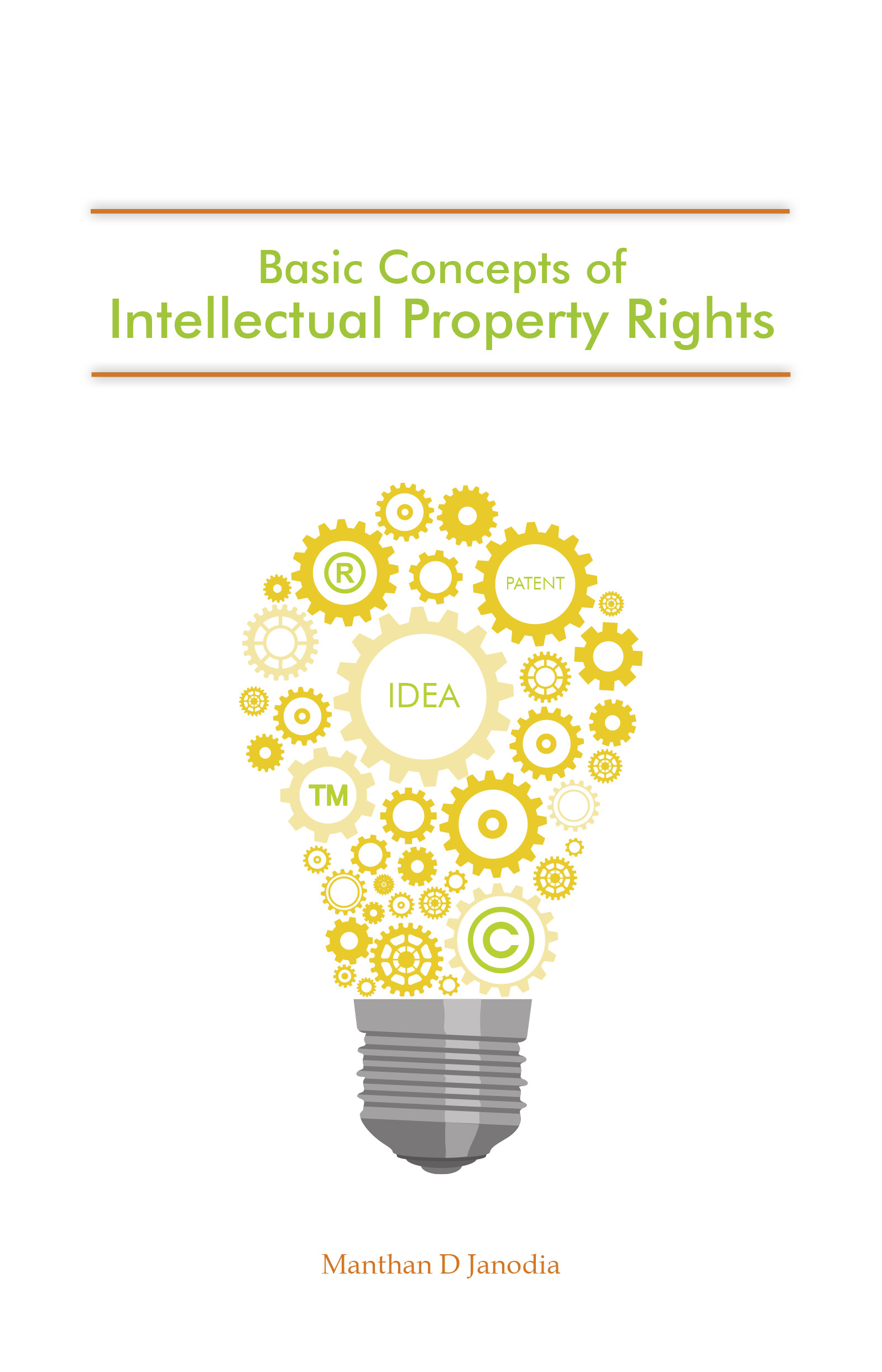
Basic Concepts of Intellectual Property Rights
₹190.00
This book on Intellectual Property Rights (IPRs) is aimed at undergraduate and post graduate students, research scholars and faculty members. The objective is to sensitize undergraduate and post graduate students regarding various aspects of IPRs, provide guidance to research scholars regarding safeguards to put in place for potentially patentable research and serve as a ready reckoner to faculty members interested to apply for patents but do not have a comprehensive information in various aspects of filing a patent application.
The book aims to simplify the complex issue of patent through hypothetical examples. This will help readers comprehend subject in an easy way. The book deliberately avoids the discussion on history of IPRs, General Agreement on Tariffs and Trade (GATT) negotiations and its background, culmination of GATT round of negotiations into World Trade Organization (WTO). These issues need a comprehensive discussion and are not the objectives of the book. The book is divided into eight short and simple chapters. At the end of the chapter a few Self Study Exercises are given for readers to recapitulate what they have read in that chapter. This may provide required foundation in understanding what is commonly referred to as “dry subject” of IPR. Overall, the book aims to provide required information regarding Intellectual Property Rights, focusing on patents, in simple and easily understandable language.
Interested customers may write to us at mup@manipal.edu about purchasing the book.
Also available on |
Out of stock
Customer Reviews
There are no reviews yet.
Related products
-
Christa Shaka 1800 Ra Modalina Mysooru ithihaasa
₹295.00Author: D S Achuta Rao Translator: S Narendra Prasad
೧೮೦೦ ಕ್ರಿ. ಶ. ದ ಹಿಂದಿನ ಮೈಸೂರು ಇತಿಹಾಸವು ಪ್ರೊ. ಡಿ ಎಸ್ ಅಚ್ಯುತ ರಾವ್ ಅವರ ಜೀವನ ಮತ್ತು ಕೆಲಸದ ಬಗ್ಗೆ. ಮೈಸೂರು ಇತಿಹಾಸದ ಕುರಿತಾದ ಅವರ ಸಂಶೋಧನೆಯು 1940-65ರ ಅವಧಿಯಲ್ಲಿ ಅವರು ಪ್ರಕಟಿಸಿದ ಹತ್ತು ಸೂಚ್ಯಂಕ ಲೇಖನಗಳಿಂದ ಪ್ರತಿನಿಧಿಸುತ್ತದೆ. ಅವರು ಭಾರತದ ಇತಿಹಾಸ ಮತ್ತು ಅದರ ಅದ್ಭುತ ಭೂತಕಾಲವನ್ನು ಸಕ್ರಿಯವಾಗಿ ಜನಪ್ರಿಯಗೊಳಿಸಿದರು. ಮಹಾರಾಜಾಸ್ ಕಾಲೇಜ್ ಹಿಸ್ಟರಿ ಸೊಸೈಟಿ, ಭಾರತದ ವಸಾಹತು ಸಂಶೋಧಕರು ಮತ್ತು ಕನ್ನಡ ವಿಶ್ವಕೋಶದಲ್ಲಿ ಮೈಸೂರು ಸರ್ಕಾರದ ಉಪಕ್ರಮದಿಂದ ಭಾರತೀಯ ಇತಿಹಾಸದಲ್ಲಿ ಉಪಕ್ರಮಗಳನ್ನು ಪ್ರಸ್ತುತಪಡಿಸುವುದರಿಂದ ಅಂತಹ ಮೂರು ಲೇಖನಗಳನ್ನು ಸೇರಿಸಲಾಗಿದೆ. ಎರಡನೇ ಭಾಗದಲ್ಲಿ ಅವರ ಜೀವನಚರಿತ್ರೆಯಲ್ಲಿ, ಅವರ ವಿದ್ಯಾರ್ಥಿಗಳು ಮತ್ತು ಮಕ್ಕಳು ಶಿಕ್ಷಕ ಮತ್ತು ತಂದೆಯಾಗಿ ಅವರ ಜೀವನದ ಬಗ್ಗೆ ಬರೆದಿದ್ದಾರೆ, ಅವರ ಅವಧಿಯ ಸಂದರ್ಭವನ್ನು ಒದಗಿಸಿದ್ದಾರೆ. ಪುಸ್ತಕವು ಕಳೆದ ಶತಮಾನದ ಮಧ್ಯದಲ್ಲಿ ಇತಿಹಾಸ ಸಂಶೋಧನೆಗೆ ಆಸಕ್ತಿದಾಯಕ ವಿಂಡೋವನ್ನು ಪ್ರಸ್ತುತಪಡಿಸುತ್ತದೆ.
Interested readers may write to us at mup@manipal.edu about purchasing the book.
Also available on
-
Capturing the Cosmic Light – A Handbook of Astrophotography
₹670.00Author: Sathyakumar P M Sharma
The Handbook of Astrophotography is the first book dedicated to Astronomical Imaging through modest equipment, and the first to be published in India. It is a chronicle of the techniques learnt and employed by the author and is by no means proprietary. It is assumed that the reader is equipped with the basic knowledge to use a digital camera. After showing the many methods to capture the Cosmos, the book shows how to process these images. It is designed to be a handbook and not a user manual. The author hopes that the reader will be confident in astronomical imaging and develop his/her own techniques after reading the book. Sathyakumar started Astrophotography in January 2006 with a homemade wooden star-tracking mount and a camera borrowed from a friend. He later used his homemade Newtonian reflector telescope and an inexpensive digital camera to capture photos of the Moon. With an MSc in Aerospace engineering from the University of Salford, Manchester, he joined Opticstar Ltd, as a design engineer. There he was trained on the latest of astronomical instruments available for the amateur astrophotographer and eventually purchased the Celestron C8 Schmidt cassegrain telescope and the CG-5 Equatorial mount. Currently, he uses a GSO 6 inch RC telescope and an HEQ5-PRO computerized mount as well as an Orion 80ED Apochromatic telescope for astrophotography. He also owns an Astrotrac to take wide field vistas of the Cosmos. He is now employed as a Scientific Officer at Karnataka Science and Technology Promotion Society, Department of Science and Technology, Govt. of Karnataka.
Interested readers may write to us at mup@manipal.edu about purchasing the book.
Also available on
-
Performing Self, Performing Gender: Reading the lives of Women Performers in Colonial India
₹299.00Author: Sheetala Bhat
This book explores the shifting identity of the female performer in India, starting from the late 19th century to the early years of independence, through the study of autobiographies and memoirs. It attempts to make visible the actress figure by entering the history of performance, guided by the voice of the female performer. The discussion on performing woman in this book spans across the performing traditions of the tawaif, actresses in public theatre, early Indian film actresses, and actresses in the Indian People?s Theatre and the Prithvi Theatre. Sheetala Bhat is an actress and a writer from Sirsi, a small town in the Western Ghats of Karnataka. She holds an MA in English Literature from Manipal Centre for Philosophy and Humanities, Manipal University, Manipal. She worked with Chintana repertory, exploring the possibilities of theatre in education in government schools in Karnataka. She writes short stories and poetry in Kannada. Being a reclusive reader and an enthusiastic actress, she often finds herself rummaging and weaving in between the fields of theatre and Indian literature, with an emphasis on the gender concerns in these areas. Performing Self, Performing Gender: Reading the Lives of Women Performers in Colonial India is her first book.
Interested readers may write to us at mup@manipal.edu about purchasing the book.
Also available on
-
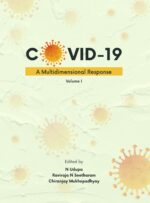
COVID19: A Multidimensional Response
₹2,200.00Editors: N Udupa, Raviaraja NS, Chiranjay Mukhopadhya,
COVID-19 disease is caused by the SARS-CoV-2 virus, first detected in November-December 2019 in Wuhan, China. Thus far, more than 7 million people have been infected with the novel coronavirus across the globe, and the count is increasing with every passing day. Even though it causes severe respiratory problems, the majority of patients show mild symptoms, and pathogenesis is under investigation. Although several drugs are being developed and many of them are undergoing clinical trials, currently there are no approved drugs/vaccines to cure this disease. Personal hygiene and social distancing are important means to prevent the spread of this disease. With the advancements in scientific research, humankind is hoping to find a potent drug/vaccine for this disease at the earliest. The health care professionals and scientific community are at their maximum in combating this viral infection. In this book, an attempt is made to compile various aspects of COVID-19 in a single platform, which include aetiology, epidemiology, its clinical manifestations, diagnosis, pathological, clinical and therapeutic facets, comorbidities, risk factors, and the essential precautionary measures. This book comprises around 29 chapters contributed by various experts from research and clinical backgrounds.
Interested readers may write to us at mup@manipal.edu about purchasing the book.
Also available on
-

Childhood Cancer
₹185.00Authors: H S Ballal, P D Gupta
Childhood Cancer is a major medical problem in most of the societies of the modern world. Though enough literature is available on the subject, it is not easily intelligible to common people. An ordinary parent whose ward is affected by any form of childhood cancer would beat a loss without the basic information. This book is aimed at educating a non-professional who wishes to grasp the problem in detail and in a simple way. The book primarily deals with the signs and symptoms of cancer in children which enable early detection. It is written in a lucid manner to remove the myth among parents that diagnosis of cancer in children amounts to a death sentence. Many of the childhood cancers, if detected early, can be cured completely, and the patients can live the rest of their lives like any other normal people. The book is an attempt to create this awareness among parents through proper information about the disease. Further, the book would also serve as a manual for MBBS students and professionals in other fields for primary treatment and management of the childhood cancer patients.
Interested customers may write to us at mup@manipal.edu about purchasing the book.
Also available on
-
Journalism and Journalism Education in Developing Countries
₹550.00Editors: Beate Illg, Beatrice Dernbach
Free and fair media are at the heart of any democratic set up. A thriving field of journalism and zealous and ethical journalists in that sense become torch bearers of a brighter and promising tomorrow. In this light, the status of journalists, the most important actors in the field becomes increasingly important as a matter of study. They act as gatekeepers of information that is flooding in the era of new media, a wave that is not so new anymore. Their roles remain intact and even becomes prominent in the chaos of many-to-many communication.
Not concentrating on specific countries, selected contributions in the book reflect on the developments of media and journalism education across different countries. Introducing the book with an overview about the state-of-the-art of journalism education and the research on a meta level, the book moves on to talk about media studies in the Asian countries and in Arab world, the African States and Brazil.
The recent economic and social developments present both opportunities and risks for journalism. Freedom of expression and freedom of press, even in democratic countries, are under pressure. This book provides an international perspective on the different aspects of journalism – the situation in which journalists work, their working conditions, educational backgrounds, struggles and successes. It is aimed at an international public interested in the field of journalism and freedom of speech. It addresses journalists, trainers and academics. Furthermore, institutions in the field of development cooperation, education or cultural policy and cultural education are the focus of this work. Though the book is focused on journalism and journalism education in developing countries, contributions are from across the globe. This book is an interesting read for all those who care about a vital media landscape and an open democratic society.Interested readers may write to us at mup@manipal.edu about purchasing the book.
Also available on
-
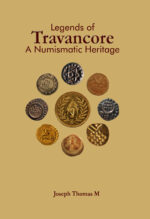
Legends of Travancore – A Numismatic Heritage
₹1,250.00The Kingdom of Travancore in the Southern part of India was a native state in British India which was well known for its progressive outlook. Its enlightened royalty ruled the country as Sree Padmanabha Dasa. They had in place a well oiled administrative mechanism that implemented various programs and reforms, resulting in an overall development of Travancore. Though Travancore was under the colonial rulers, there was a well-orchestrated administrative machinery for coinage. Coins were minted as per the specifications ordered by the periodically issued Royal Proclamations. It is creditable that Travancore retained its independence in its functioning to a large extent. This book is an insight into the coins of Modern Travancore (from 1729 AD) which not only reflects the religious beliefs of the rulers, but also sketches the socio-political atmosphere of the period. Dr Joseph Thomas hailing from Thiruvananthapuram, is a Professor of Urology at Manipal University in India. His passion for collecting coins developed into a serious numismatic pursuit. His special area of interest is the study of the history of Venad and Travancore. His detailed study of the Travancore coins and the various related issues give an insight into the rich numismatic heritage of modern Travancore. He is a Life Member of the Philatelic and Numismatic Association of Thiruvananthapuram and a Life Member of the South Indian Numismatic Society, Chennai.
Interested readers may write to us at mup@manipal.edu about purchasing the book.
Also available on
-

Pharmaceutical Consumer Complaints: A Guide to Academia and Pharmaceutical Industry
₹795.00Editors: Girish Pai Kulyadi, Muddukrishna B S, Richa Ajay Dayaramani
This book is an excellent guide in analyzing consumer complaints and will aid the students who are yet to gain industry experience. It is necessary for resolving consumer complaints in pharmaceutical industry where such concerns are frequently received. The case studies provide a vivid description of defects that will help identify the nature of the issue, possible root cause of such complaints, and subsequent remediation.
Interested readers may write to us at mup@manipal.edu about purchasing the book.
Also available on
Be the first to review “Basic Concepts of Intellectual Property Rights”
You must be logged in to post a review.