
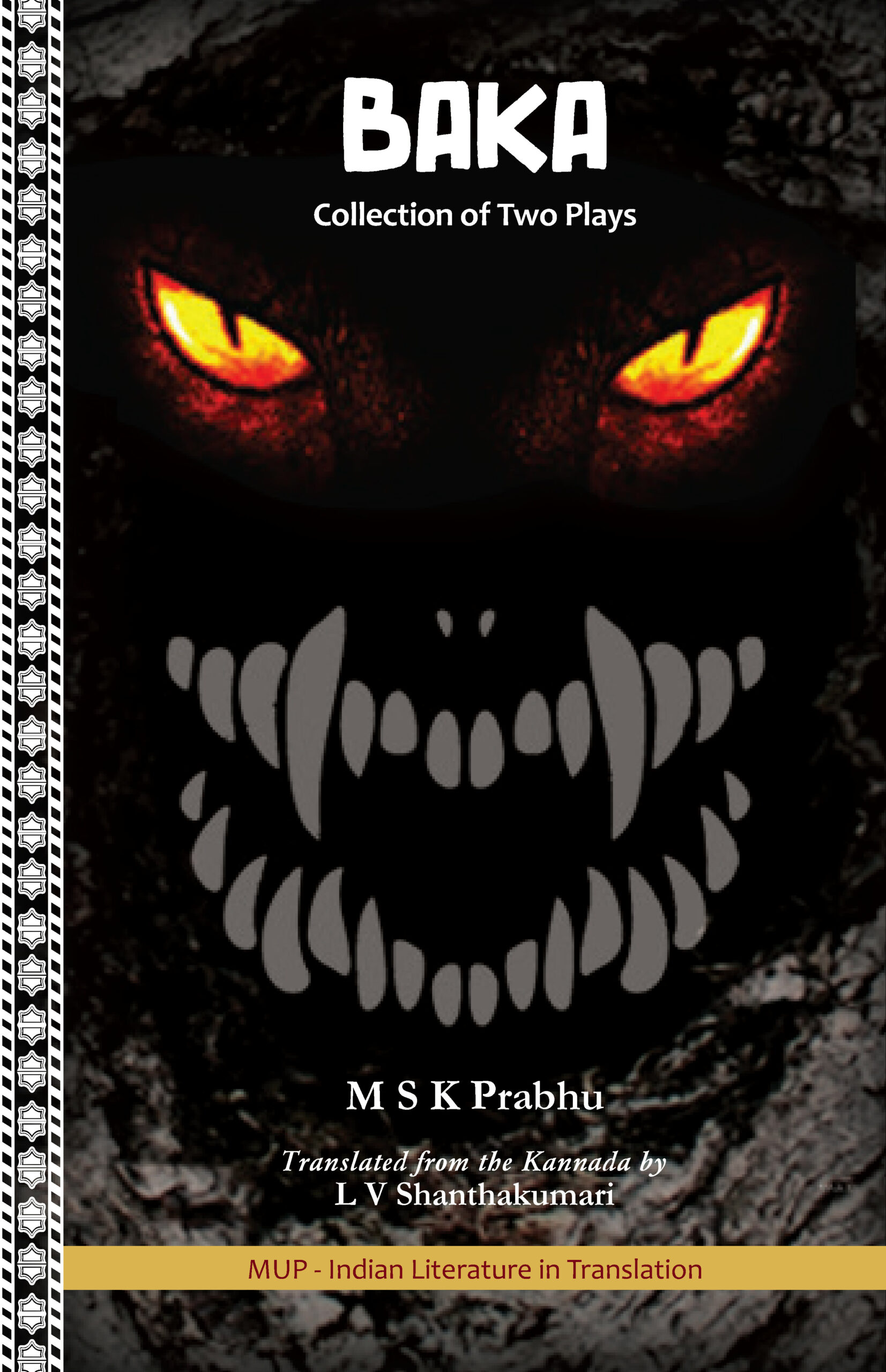
BAKA – Collection of Two Plays
₹340.00
Author: M S Keshava Prabhu, Translator: L V Shantakumari
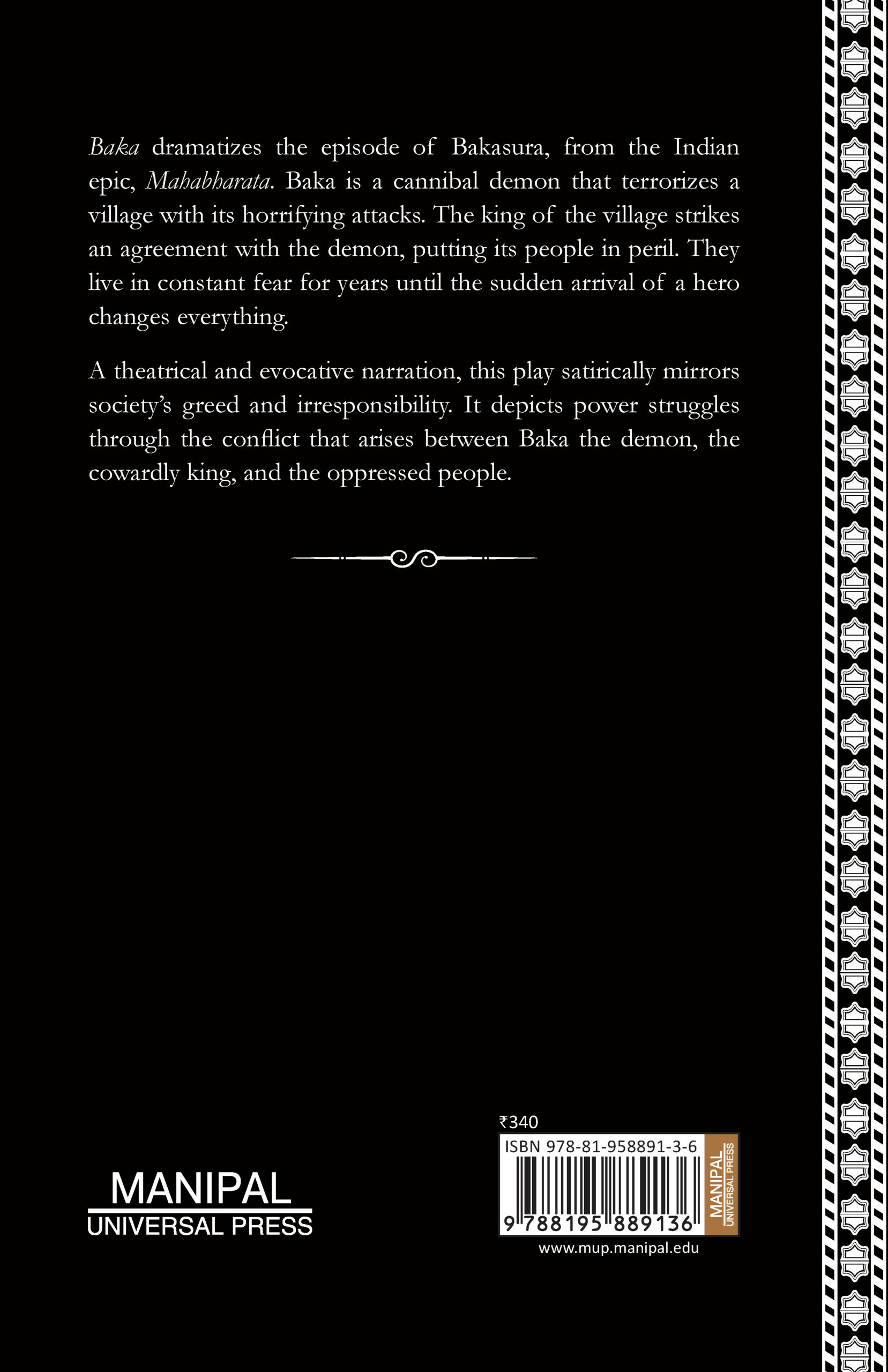
Baka dramatizes the episode of Bakasura, from the Indian epic, Mahabharata. Baka is a cannibal demon that terrorizes a village with its horrifying attacks. The king of the village strikes an agreement with the demon, putting its people in peril. They live in constant fear for years until the sudden arrival of a hero changes everything.

| Author | |
|---|---|
| Translator |
Related products
-
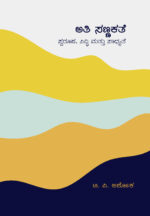
Ati Sannakathe: Swarupa, Siddhi Mattu Sadhyate
₹160.00Author: T P Ashoka
ಕಲ್ಪನೆ ಎಂಬುದು ಸತ್ಯಕ್ಕಿಂತ ಹೆಚ್ಚು ಸತ್ಯ, ಕನಸು ಎಂಬುದು ವಾಸ್ತವಕ್ಕಿಂತ ಹೆಚ್ಚು ವಾಸ್ತವ ಎಂಬುದು ಅತಿ ಸಣ್ಣಕತೆಗಳು ನಮಗೆ ಮನದಟ್ಟು ಮಾಡಿಕೊಡುವಂತೆ ಕಾಣುತ್ತವೆ. ಹೆಚ್ಚಿನ ಅತಿ ಸಣ್ಣಕತೆಗಳು ವಾಸ್ತವವಾದೀ ಮಾರ್ಗವನ್ನು ಬಿಟ್ಟುಕೊಟ್ಟಿರುವುದಕ್ಕೆ ಪ್ರಾಯಶಃ ಇದೇ ಕಾರಣ. ವಿವರಣೆ-ವರ್ಣನೆಗಳ ಹಂಗು ಇಲ್ಲದಿರುವುದರಿಂದ ಸಂಕ್ಷಿಪ್ತತೆ ಮತ್ತು ಸಾಂದ್ರತೆಗಳು ಇವುಗಳ ಸಹಜ ಲಕ್ಷಣಗಳಾಗಿವೆ. ಅಂತರಂಗದ ಆಳವನ್ನು, ಅಮೂರ್ತವನ್ನು, ಸಾಂಕೇತಿಕವಾದುದದ್ದನ್ನು ಮತ್ತೊಂದೇ ಸ್ತರದಲ್ಲಿ ಗ್ರಹಿಸಿ ಅಭಿವ್ಯಕ್ತಿಸಲು ಲೇಖಕರಿಗೆ ಈ ಪ್ರಕಾರ ಹೇಳಿ ಮಾಡಿಸಿದಂತಿದೆ. ಹಾಗಾಗಿ ಜಗತ್ತಿನ ಎಲ್ಲ ಭಾಷೆಗಳ ದೊಡ್ಡ ಲೇಖಕರು, ದೀರ್ಘವಾದ ಕತೆ-ಕಾದಂಬರಿಗಳನ್ನು ಬರೆದವರನ್ನೂ ಸೇರಿಸಿಕೊಂಡು, ಈ ಪ್ರಕಾರದಲ್ಲಿ ಕೃಷಿಮಾಡಿದ್ದಾರೆ. ತುಂಬ ಸೂಕ್ಷ್ಮವಾದ, ನಾಜೂಕಾದ ಸಂಗತಿಗಳನ್ನು ಸೂಚ್ಯವಾಗಿ, ಕೆಲವೊಮ್ಮೆ ಪರೋಕ್ಷವಾಗಿ, ಇನ್ನೂ ಕೆಲವು ವೇಳೆ ಮುಚ್ಚಿಟ್ಟು ಹೇಳಲು ಈ ಪ್ರಕಾರವು ತನ್ನ ಸ್ವರೂಪದ ಕಾರಣದಿಂದಲೇ ಅನುವು ಮಾಡಿಕೊಡುತ್ತದೆ. ಇದು ಆಧುನಿಕ ಪೂರ್ವದ ದಂತಕತೆ, ನೀತಿಕತೆ, ದೃಷ್ಟಾಂತ ಕತೆಗಳ ಆಧುನಿಕ ರೂಪವಾಗಿ ಕಂಡರೂ ಆಶ್ಚರ್ಯವಿಲ್ಲ.
Also available on
eBook available on

-
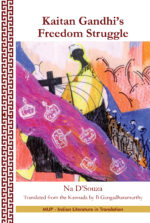
Kaitan Gandhi’s Freedom Struggle
₹280.00Author: Na D’Souza Translator: B Gangadharamurthy
Kaitan Gandhiya Swatantrya Horata is one of the very few novels written in Kannada on the Gandhian phase of the Indian freedom struggle. It is not globally unknown that Gandhi not only changed the idiom of the struggle and successfully experimented his lifetime-belief in non-violence on the vast canvas but also made it decisively inclusive. Kaitan Gandhi’s Freedom Struggle thematically illuminates these two crucial aspects of the great struggle and grapples with the naked truth as Charles, the priest in the novel revealingly says,The rulers, whosoever it is, are rulers. Caste, colour, or country does not matter to them. All are wicked. Like in all true works of realist literature, the author, here too, creatively blends the individual, the social, and the historical in such a way that the novel poignantly unfolds the true spirit of quest for freedom and humanity.
Interested readers may write to us at mup@manipal.edu about purchasing the book.
Also available on
-
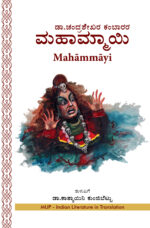
Mahāmmāyi
₹195.00Author: Chandrasekhara Kambara, Translator: Kathyayini Kunjibettu
Mahāmmāyi is the story of the legend of Shatavithaayi – the Goddess of death, and her adopted son Sambhashiva. Out of affection for her son, Goddess Shatavithaayi blesses him with the “power of life”. The blessing was that death will evade the people who are treated by Sambashiva. But a certain condition set by Shatavithaayi forbade him from healing every ill man. The condition was that, if Shatavithaayi stood on the right side of the patient, Sambhashiva could treat that person and he would live; but, if she stood on the left side of the patient, he should not treat that person as his death was inevitable. Through a distinct method of story-telling, the story follows the life of Sambhashiva as he begins to question the ideas of fate and destiny. Thus, the conflict between fate and human efforts to change that fate is vividly described in this play.Interested readers may write to us at mup@manipal.edu about purchasing the book.
Also available on
-
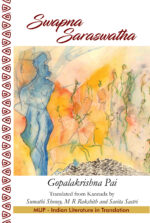
Swapna Saraswatha
₹530.00Author: Gopalakrishna Pai Translator: Sumathi Shenoy, M R Rakshith, Savita Sastri
Swapna Saraswatha is the saga of migration of a community called Saraswaths in the west coast of India, extending from Goa to the south of Mangalore. It captures the dominance of a colonial power over the region that began with the entry of the Portuguese about four hundred years ago. The novel is a graphic description of the displacement of this strongly-rooted community which saw its resurrection in a new area. In the course of its narrative, the novel traces the gradual changes in the structure of the family that moved from a closely knit joint family of the bygone era to the nuclear family. It also deals with the factors that are responsible for the change in value systems of individuals in the wake of such paradigm shifts. With its vast canvas, it remarkably weaves fiction with myth and history, peppered with cultural details and linguistic nuances. The narration in Swapna Saraswatha progresses in the form of an epic detailing the story of nine generations spread over a period of two hundred and fifty years from 1510 to about 1760. It encompasses more than a hundred and fifty characters which include Hindus, Muslims, Christians, chieftains, traders, farmers, priests and black magicians, and covers a range of themes spread across folk tales, legends, armies, myths and a sprinkling of history.
-
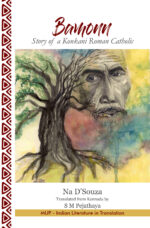
Bamonn: Story of a Konkani Roman Catholic
₹255.00Author: Na D’Souza Translator: S M Pejathaya
Konkani Roman Catholic Christians were converted from other groups by Goan Missionaries long back, keeping the caste system tradition to a large extent in layers such as the Bamonn, the Charodi, the Gawdi, the Nendar, the Shudra, etc. At the time of marriages and other social gatherings they continue to consider caste system norms and customs in the community. Caste system in Indian Christians is vividly described in the novel Bamonn. Christopher Pai of Kalyanpura hails from a Bamonn family and takes great pride in his ancestry. He believes in the stories about his Konkani Roman Catholic ancestors from his elders and about their being true Christians, holding on to their faith despite tremendous pressure to convert to Islam during Tipu Sultan’s regime. He also believes Bamonns are superior to other Christians in the community. After retiring from his job of a Headmaster, he refuels his obsession to retrace his roots and find out the truth about his ancestors. In his journey of self-assurance and faith, will he succeed in his mission to convince his family, his children and the community at large of his glorious ancestry and in still pride in the next generation? . . .
Interested readers may write to us at mup@manipal.edu about purchasing the book.
Also available on
-

If we meet again we shall smile
₹199.00Author: Anushua Chakrabarti
People leave our lives. Some simply walk away from our world while some leave this world altogether. Through visuals, poetry and short stories, the author has a dialogue with the reader that takes them both through a journey full of characters that are no more, and yet have shaped the story. This fictional dialogue is a short trip down memory lane that visits the relationships one keeps hidden beneath.
Anushua Chakrabarti, originally from Kolkata, is a wandering minstrel. She lives on travel and music. Anushua has completed her MBA from TAPMI, Manipal, India, post which she worked in top technology brands like HP and Microsoft. She is presently back in Kolkata, driving social service through her acquired experience. Anushua has faced several childhood traumas but she believes she is what she is today, not in spite of it; but because of it.
Interested readers may write to us at mup@manipal.edu about purchasing the book.
Also available on
-
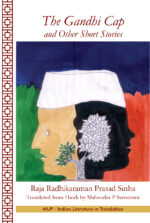
The Gandhi Cap and Other Short Stories
₹345.00Author: Raja Radhikaraman Prasad Sinha, Translator: Mahendra P Srivastava
The book The Gandhi Cap and Other Short Stories offers a glimpse into the lifetime of work of a forgotten pioneer of Hindi fiction, Raja Radhikaraman Prasad Sinha. It is ironic that one cannot find a single book by this author who was so dedicated to Hindi literature. The stories in this collection are a testament not only to the contributions of Sinha to Hindi fiction but also, reflect the depth of political and social milieu of the times. Many readers will be moved by the elements patriotism, feminism, secularism, and spiritualism in these stories. Strong female characters are common in most of these stories. These characters provide both a moral fulcrum to the stories as well as reflect the struggle of women to balance prevailing customs with modernity. Some of these stories provide sharp political and social commentary that still have currency (The Gandhi Cap). Sinha incorporates a unique style of writing that uses lyrical prose and poetry together. He even employs a dialogue between the storyteller and a social gathering in the form of an epilogue, to offer a discourse on social dilemma about women’s plight to become modern while admonishing them to retain their Indian essence (An Expensive Bargain). We hope the readers will enjoy this wonderful collection.
Interested readers may write to us at mup@manipal.edu about purchasing the book.
Also available on
-

Post Googlism and Other Short Stories
₹350.00Author: R C Natarajan
This collection of short stories is for the fast-paced millennials, whom the author calls “The Post Googlist Generation” who want everything hastily, at their finger-tips and on the go. The language has also shrunk in size to allow the pace. The world-view of this generation is that what cannot be done through an app cannot and should not be done. Their expectations of a story are a striking start, a quickly built middle and an interesting end. Stories in the collection seek to meet these expectations of this generation talking to them in their own language. They also echo the changing lives and changing aspirations of the time.
Interested readers may write to us at mup@manipal.edu about purchasing the book.
Also available on