
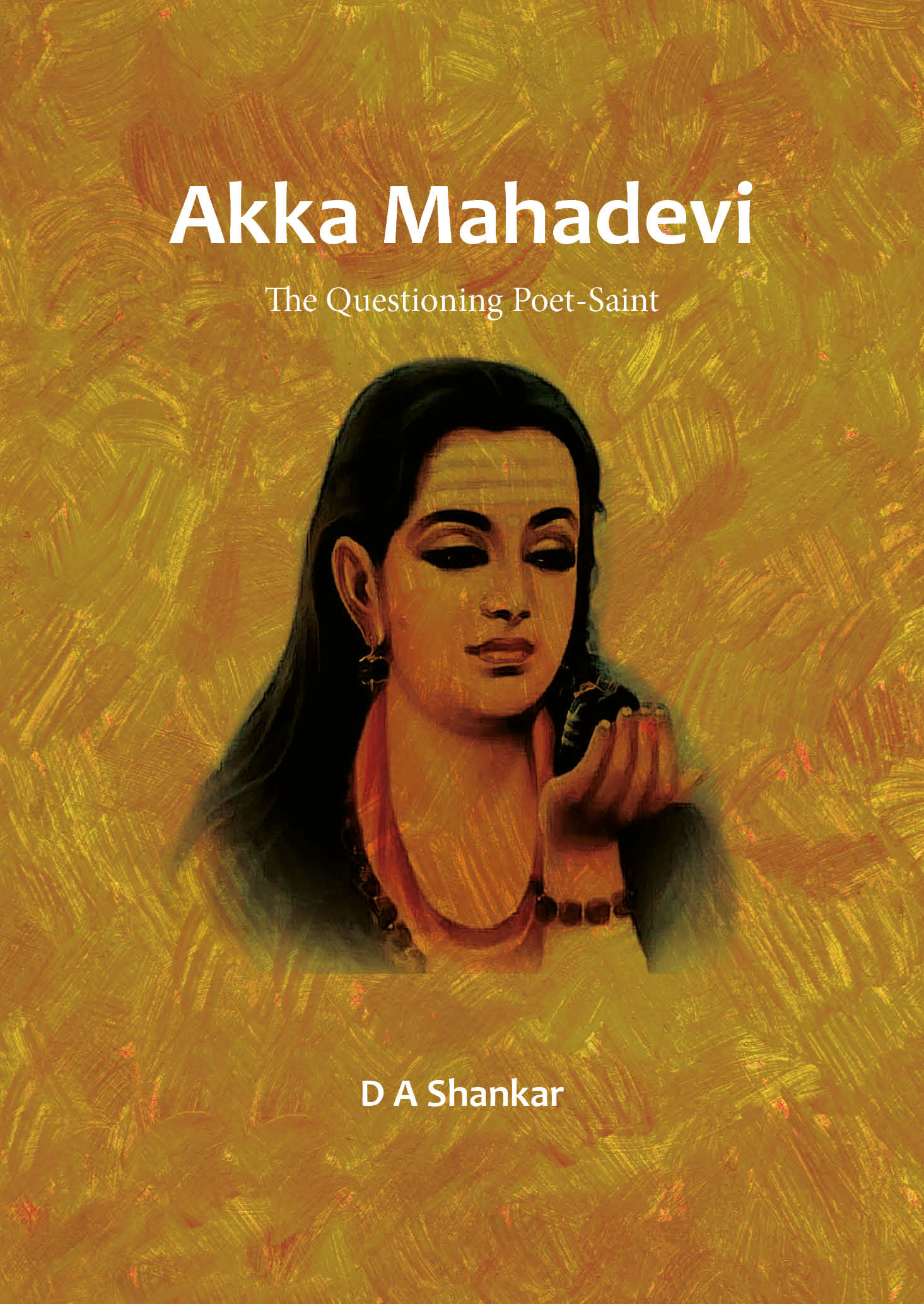
Akka Mahadevi, the questioning poet-saint
₹255.00
Author: D A Shankar
This book presents the mystical ruminations and literary excellence of Akka Mahadevi, the earliest example of a gender-liberated woman writer, credited with the composition of over four hundred and forty remarkably self-explorative Vachanas. Akka Mahadevi represents a powerfully authentic female voice of the radical, egalitarian Sharana Movement, which questioned the socially established barrier between genders and ushered in a world of socio-cultural equality.
In this book, the author explores the questioning spirit intrinsic to Akka Mahadevi’s life and writings, as she questions the widely held conventional norms: the traditional husband-wife relationship, her parents, elders; she questions Basavanna and Allama for their habituated patriarchal manner of speaking, and she bravely questions her personal deity whom she loves and adores. Apart from discerning a credible ‘history’ and background to Akka’s works, this book makes available a rendition of her selectively profound and memorable Vachana in modern English, that crosses the ?the gulf of language and the gulf of time.
Interested readers may write to us at mup@manipal.edu about purchasing the book.
Also available on

| Author | |
|---|---|
| Format |
Related products
-
Sangeetha Lokadrishti
₹295.00Author: Sumangala
ತಂದೆ-ಮಗಳ ಸುರಬಹಾರಿನ ಸಂಗೀತಬಂಧದ ಚಿತ್ರಣದಿಂದ ಆರಂಭಗೊಳ್ಳುವ ಈ ಕಿರುಕೃತಿಯು ಸಾಗರ ವೀಣೆ ರೂಪುಗೊಳಿಸಿದ ಇನ್ನೊಂದು ತಂದೆ-ಮಗಳ ಸಂಗೀತಬಂಧದ ಚಿತ್ರಣದೊಂದಿಗೆ ಮುಕ್ತಾಯವಾಗುತ್ತದೆ. ಇಲ್ಲಿ ನಾಲ್ವರು ಸಂಗೀತಗಾರರ ಬದುಕಿನ ಕೆಲವು ಸನ್ನಿವೇಶಗಳು, ಸಂಗೀತಪಯಣದಲ್ಲಿ ಅವರು ಸಾಗಿದ ಹಾದಿ, ಕಠಿಣ ಸಂದರ್ಭಗಳು, ಅವರ ಸಾಂಗೀತಿಕ ಮನೋಧರ್ಮ, ರಾಗರೂಪದ ಕುರಿತ ದೃಷ್ಟಿಕೋನ, ಇತ್ಯಾದಿ ಅಂಶಗಳ ಸ್ಥೂಲ ಚಿತ್ರಣವಿದೆ.
ಸುರಬಹಾರಿನ ದಂತಕಥೆಯೆಂದೇ ಹೇಳಬಹುದಾದ ವಿದುಷಿ ಅನ್ನಪೂರ್ಣಾ ದೇವಿಯವರ ಖಾಸಗಿ ಬದುಕು, ಏಕಾಂತ ನಿಗೂಢವೆನ್ನಿಸುವ ಹಾಗೆಯೇ ಮೈಹರ್ ಘರಾನೆಯ ಸ್ವರಸಂಪತ್ತನ್ನು ಶಿಷ್ಯರಿಗೆ ಧಾರೆಯೆರೆದು ಕಲಿಸುತ್ತ, ಹಲವರನ್ನು ಮೇರು ಕಲಾವಿದರಾಗಿ ರೂಪುಗೊಳಿಸಿದ ಬಗೆಯೂ ಅನನ್ಯ. ಕೃತಿಯಲ್ಲಿ ಚಿತ್ರಿಸಿದ ಇನ್ನುಳಿದ ಮೂವರು ಸಂಗೀತಗಾರರು ನಮ್ಮ ನೆರೆಯ ಪಾಕಿಸ್ತಾನದ ಶಾಸ್ತ್ರೀಯ ಸಂಗೀತ ಪರಂಪರೆಯನ್ನು ಇನ್ನಷ್ಟು ಸಮೃದ್ಧಗೊಳಿಸಿದವರು.
“ಏ ದಯ್ಯಾ… ಕಹಾಂ ಗಯೇ ವೇ ಲೋಗ್… ಬ್ರಿಜ ಕೆ ಬಸಯ್ಯಾ…”
ಮನುಷ್ಯರ ನಡುವೆ ಹತ್ತುಹಲವು ಬಗೆಯ ದ್ವೇಷದ ಗೋಡೆಗಳು ಎದ್ದು ನಿಂತಿರುವ ಇಂದಿನ ದಿನಮಾನದಲ್ಲಿ ಭಿನ್ನತೆಗಳಿದ್ದರೂ ಪರಸ್ಪರ ಸಂವಾದ ನಡೆಸುತ್ತಿದ್ದ ಆ ಜನರನ್ನು, ಆ ಕಾಲಘಟ್ಟವನ್ನು ಮತ್ತೆ ಕಂಡುಕೊಳ್ಳಲು ಬಹುಶಃ ಇಂತಹ ಸಂಗೀತಗಾರರ ಕೊರಳೊಳಗಿನ, ಬೆರಳೊಳಗಿನ ಸ್ವರಗಳೇ ನಮ್ಮ ಕೈಹಿಡಿದು ಮುನ್ನಡೆಸಬೇಕಿದೆ.
Interested readers may write to us at mup@manipal.edu about purchasing the book.
Also available on
-

The Zoo In My Backyard
₹290.00Author: Usha Rajagopalan
What can you expect in a family of quirky adults, hyperactive children, and an assortment of pets? The author and her siblings shared their childhood with Kesavan, the incorrigibly curious black monkey; Judie, the nimble giant squirrel; Mini, the shy mouse deer that strayed; Psitta, the cackling parakeet; Devil, the runaway hound and many more creatures great and small. The adventures of the children and antics of their pets, together with the adults in the family make for a whole lot of fun and laughter ? not just in the backyard but indoors as well.
Interested readers may write to us at mup@manipal.edu about purchasing the book.
Also available on
-

U-Turn
₹180.00Author: Anand Mhasvekar, Translator: Neeta Inamdar
ಮರಾಠಿ ನಾಟಕ. ಯು-ಟರ್ನ್ ಮಹಾರಾಷ್ಟ್ರ ಮತ್ತು ಅದರಾಚೆಗೆ 585 ಕ್ಕೂ ಹೆಚ್ಚು ಪ್ರದರ್ಶನಗಳೊಂದಿಗೆ ಲಕ್ಷಾಂತರ ಹೃದಯಗಳನ್ನು ಗೆದ್ದಿದೆ. ಗುಜರಾತಿಯಲ್ಲಿ ಇದರ ಅನುವಾದವು 115 ಕ್ಕೂ ಹೆಚ್ಚು ಪ್ರದರ್ಶನಗಳನ್ನು ಕಂಡಿದೆ ಮತ್ತು ಹಿಂದಿಯಲ್ಲಿ 50 ಕ್ಕೂ ಹೆಚ್ಚು ಪ್ರದರ್ಶನಗಳನ್ನು ಕಂಡಿದೆ. ಈ ಯಶಸ್ಸು ಶ್ರೀಮತಿ ಸವಿತಾ ಶಾಸ್ತ್ರಿಯವರ ಬೆಂಬಲದೊಂದಿಗೆ ಕನ್ನಡದಲ್ಲಿ ಈ ಕೃತಿಯನ್ನು ಅನುವಾದಿಸಲು ಪ್ರೊ.ನೀತಾ ಇನಾಮದಾರ್ ಅವರನ್ನು ಪ್ರೋತ್ಸಾಹಿಸಿತು. ನಾಟಕವು ಉದ್ದಕ್ಕೂ ಕೇವಲ ಎರಡು ಪಾತ್ರಗಳನ್ನು ಹೊಂದಿದೆ ಮತ್ತು ಇಡೀ ಅವಧಿಗೆ ವೇದಿಕೆಯ ಮೇಲಿರುವ ಇಬ್ಬರನ್ನು ಹೊರತುಪಡಿಸಿ ಒಂದೆರಡು ಧ್ವನಿಗಳನ್ನು ಹೊಂದಿದೆ. ನಾಟಕದ ಕೇಂದ್ರ ಕಲ್ಪನೆಯು ಆಧುನಿಕತೆಯನ್ನು ಒಪ್ಪಿಕೊಳ್ಳುವಲ್ಲಿನ ವ್ಯತ್ಯಾಸಗಳು ಮತ್ತು ಎರಡು ವಿಭಿನ್ನ ತಲೆಮಾರುಗಳಲ್ಲಿ ಇದಕ್ಕೆ ಸಂಬಂಧಿಸಿದ ಸಂಘರ್ಷಗಳು. ವಿಚ್ಛೇದಿತ ಸೇನೆಯ ಮೇಜರ್ ಮತ್ತು 50 ರ ದಶಕದ ಅಂತ್ಯದಲ್ಲಿರುವ ವಿಧವೆಯ ನಡುವಿನ ಒಡನಾಟವನ್ನು ಅವರ ಮಕ್ಕಳು ವಿರೋಧಿಸುತ್ತಾರೆ ಮತ್ತು ಅವರು ತಮ್ಮನ್ನು ತಾವು ಆಧುನಿಕತೆಯನ್ನು ಅಳವಡಿಸಿಕೊಂಡರೂ ವಿಭಿನ್ನ ರೀತಿಯಲ್ಲಿ ವ್ಯಕ್ತಪಡಿಸುತ್ತಾರೆ. ನೀತಾ ಇನಾಮದಾರ್ ಅವರು ಮಣಿಪಾಲ್ ವಿಶ್ವವಿದ್ಯಾನಿಲಯದಲ್ಲಿ (MU) ಯುರೋಪಿಯನ್ ಅಧ್ಯಯನ ವಿಭಾಗದ (DES) ಮುಖ್ಯಸ್ಥರಾಗಿದ್ದಾರೆ ಮತ್ತು ಮಣಿಪಾಲ್ ಯೂನಿವರ್ಸಲ್ ಪ್ರೆಸ್ ನ (MUP) ಮುಖ್ಯ ಸಂಪಾದಕರಾಗಿದ್ದಾರೆ. ಸಂಗೀತ ಮತ್ತು ರಂಗಭೂಮಿ ಅವರ ಆಸಕ್ತಿಗಳಾಗಿದ್ದು, ಶ್ರೀಮತಿ ಸವಿತಾ ಶಾಸ್ತ್ರಿ ಅವರ ನೆರವಿನೊಂದಿಗೆ ಈ ಕೆಲಸವನ್ನು ಕೈಗೊಳ್ಳುವಂತೆ ಮಾಡಿತು. ಸವಿತಾ ಶಾಸ್ತ್ರಿ ಅವರು ಮಣಿಪಾಲದ ಮಹಿಳಾ ಉದ್ಯಮಿಯಾಗಿದ್ದು, ಅವರು ಬಾಬಾ ಆಮ್ಟೆ ಅವರ ಆನಂದವನಕ್ಕೆ ಧನಸಹಾಯವನ್ನೂ ಮಾಡುತ್ತಾರೆ. ಅವರು ಮರಾಠಿ, ಹಿಂದಿ ಮತ್ತು ಇಂಗ್ಲಿಷ್ನಲ್ಲಿ ಪುಸ್ತಕಗಳು ಮತ್ತು ನಾಟಕಗಳ ಓದುಗರಾಗಿದ್ದಾರೆ, ಅವರು ಈ ಅನುವಾದ ಯೋಜನೆಗೆ ತಮ್ಮ ಬೆಂಬಲವನ್ನು ನೀಡಿದರು.
Interested readers may write to us at mup@manipal.edu about purchasing the book.
Also available on
-
The Gandhi Cap and Other Short Stories
₹345.00Author: Raja Radhikaraman Prasad Sinha, Translator: Mahendra P Srivastava
The book The Gandhi Cap and Other Short Stories offers a glimpse into the lifetime of work of a forgotten pioneer of Hindi fiction, Raja Radhikaraman Prasad Sinha. It is ironic that one cannot find a single book by this author who was so dedicated to Hindi literature. The stories in this collection are a testament not only to the contributions of Sinha to Hindi fiction but also, reflect the depth of political and social milieu of the times. Many readers will be moved by the elements patriotism, feminism, secularism, and spiritualism in these stories. Strong female characters are common in most of these stories. These characters provide both a moral fulcrum to the stories as well as reflect the struggle of women to balance prevailing customs with modernity. Some of these stories provide sharp political and social commentary that still have currency (The Gandhi Cap). Sinha incorporates a unique style of writing that uses lyrical prose and poetry together. He even employs a dialogue between the storyteller and a social gathering in the form of an epilogue, to offer a discourse on social dilemma about women’s plight to become modern while admonishing them to retain their Indian essence (An Expensive Bargain). We hope the readers will enjoy this wonderful collection.
Interested readers may write to us at mup@manipal.edu about purchasing the book.
Also available on
-
Ati Sannakathe: Swarupa, Siddhi Mattu Sadhyate
₹160.00Author: T P Ashoka
ಕಲ್ಪನೆ ಎಂಬುದು ಸತ್ಯಕ್ಕಿಂತ ಹೆಚ್ಚು ಸತ್ಯ, ಕನಸು ಎಂಬುದು ವಾಸ್ತವಕ್ಕಿಂತ ಹೆಚ್ಚು ವಾಸ್ತವ ಎಂಬುದು ಅತಿ ಸಣ್ಣಕತೆಗಳು ನಮಗೆ ಮನದಟ್ಟು ಮಾಡಿಕೊಡುವಂತೆ ಕಾಣುತ್ತವೆ. ಹೆಚ್ಚಿನ ಅತಿ ಸಣ್ಣಕತೆಗಳು ವಾಸ್ತವವಾದೀ ಮಾರ್ಗವನ್ನು ಬಿಟ್ಟುಕೊಟ್ಟಿರುವುದಕ್ಕೆ ಪ್ರಾಯಶಃ ಇದೇ ಕಾರಣ. ವಿವರಣೆ-ವರ್ಣನೆಗಳ ಹಂಗು ಇಲ್ಲದಿರುವುದರಿಂದ ಸಂಕ್ಷಿಪ್ತತೆ ಮತ್ತು ಸಾಂದ್ರತೆಗಳು ಇವುಗಳ ಸಹಜ ಲಕ್ಷಣಗಳಾಗಿವೆ. ಅಂತರಂಗದ ಆಳವನ್ನು, ಅಮೂರ್ತವನ್ನು, ಸಾಂಕೇತಿಕವಾದುದದ್ದನ್ನು ಮತ್ತೊಂದೇ ಸ್ತರದಲ್ಲಿ ಗ್ರಹಿಸಿ ಅಭಿವ್ಯಕ್ತಿಸಲು ಲೇಖಕರಿಗೆ ಈ ಪ್ರಕಾರ ಹೇಳಿ ಮಾಡಿಸಿದಂತಿದೆ. ಹಾಗಾಗಿ ಜಗತ್ತಿನ ಎಲ್ಲ ಭಾಷೆಗಳ ದೊಡ್ಡ ಲೇಖಕರು, ದೀರ್ಘವಾದ ಕತೆ-ಕಾದಂಬರಿಗಳನ್ನು ಬರೆದವರನ್ನೂ ಸೇರಿಸಿಕೊಂಡು, ಈ ಪ್ರಕಾರದಲ್ಲಿ ಕೃಷಿಮಾಡಿದ್ದಾರೆ. ತುಂಬ ಸೂಕ್ಷ್ಮವಾದ, ನಾಜೂಕಾದ ಸಂಗತಿಗಳನ್ನು ಸೂಚ್ಯವಾಗಿ, ಕೆಲವೊಮ್ಮೆ ಪರೋಕ್ಷವಾಗಿ, ಇನ್ನೂ ಕೆಲವು ವೇಳೆ ಮುಚ್ಚಿಟ್ಟು ಹೇಳಲು ಈ ಪ್ರಕಾರವು ತನ್ನ ಸ್ವರೂಪದ ಕಾರಣದಿಂದಲೇ ಅನುವು ಮಾಡಿಕೊಡುತ್ತದೆ. ಇದು ಆಧುನಿಕ ಪೂರ್ವದ ದಂತಕತೆ, ನೀತಿಕತೆ, ದೃಷ್ಟಾಂತ ಕತೆಗಳ ಆಧುನಿಕ ರೂಪವಾಗಿ ಕಂಡರೂ ಆಶ್ಚರ್ಯವಿಲ್ಲ.
Also available on
eBook available on

-
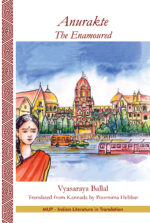
Anurakte- The Enamoured
₹390.00Author: Vyasaraya Ballal Translator: Poornima Hebbar
There are many rags-to-riches stories around the city of Mumbai. However, here is a story of transformation of a woman and her true self in the city of dreams. Set in Mangalore and Mumbai of the late 1940s, Anurakte- The Enamoured is an elegantly written story of a woman and her changing worldview over a period of time. Sumithra, a young woman with ordinary dreams and aspirations, comes to the then Bombay in search of livelihood. Little did she know that her experiences in the city and her zest for an independent life would transform her into a different person. She breaks the shell and resolves not to look back. The book is a poignant tale of love, loss, betrayal, family, relationships and traditions. The culturescape of Mumbai beautifully intertwines with her dreams. It is as much a story of the vibrancy of Mumbai as it is about Sumithra’s journey towards freedom.
Interested readers may write to us at mup@manipal.edu about purchasing the book.
Also available on
-
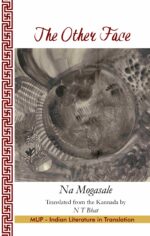
The Other Face
₹550.00Author: Na Mogasale Translator: N T Bhat
Set in a fictitious village called Kanthapura in Kasaragod district, Mukhāntara spans across the life of seven generations of a Havyaka Brahmin family. A story about the realities of living in a society marked by caste distinctions, the desire to find communal harmony and the tribulations of the characters through the entirety of the novel, it is also a tale of changing times and people. After unexpectedly coming into possession of a huge portion of land, Thirumalēshwara Bhat of Īshwarīmūle becomes a satisfied man. But childless, Thirumalēshwara Bhat and his wife Pārvathakka decide to adopt Venkappaiah and also give shelter to his widowed mother, Rathnamma. Venkappaiah is to inherit Thirumalēshwara’s vast wealth but when Krishnaiah, the illegitimate child of Thirumalēshwara and Rathnamma is born, rivalry ensues. Through the overlapping narratives of the characters, we get a glimpse into their journey from tradition to modernity. The characters strive to reshape new values when old values are slowly questioned and erased as they move on and are swept along in the waves of globalization.
Interested readers may write to us at mup@manipal.edu about purchasing the book.
Also available on
eBook available on
-
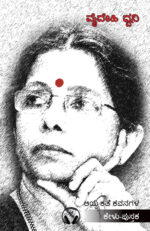
Vaidehi Dhvani
₹275.00Author: Vaidehi
ಪ್ರಸ್ತುತ ಪುಸ್ತಕವು ಮುಂದಿನ ಕಾಲಕ್ಕೆ ವೈದೇಹಿಯವರ ಧ್ವನಿ ಮತ್ತು ನಿರೂಪಣೆಯನ್ನು ದಾಖಲಿಸುವ ಪ್ರಯತ್ನವಾಗಿದೆ. ಅವರ ಕಥೆಗಳ ನಿರೂಪಣೆಯು ಕುಂದಾಪುರದ ಆಡುಭಾಷೆಯ ಶ್ರೀಮಂತಿಕೆಯಲ್ಲಿ ಮತ್ತು ಅದರಾಚೆಗೆ ಕನ್ನಡದ ಸಂಸ್ಕೃತಿಯೊಂದಿಗೆ ಏಕತೆಯ ಭಾವನೆಯೊಂದಿಗೆ ಎತ್ತರದಲ್ಲಿದೆ. ಐದು ಕಥೆಗಳು ಮತ್ತು ಏಳು ಕವಿತೆಗಳ ಈ ಪುಸ್ತಕವನ್ನು ಅವರು ಓದಿದ್ದಾರೆ. ಈ ಆಯ್ದ ಕಥೆಗಳು ಈಗಾಗಲೇ ಪ್ರಕಟವಾದವುಗಳಾಗಿವೆ ಆದರೆ ಅದನ್ನು ವಿಭಿನ್ನವಾಗಿಸುವುದು ಅವುಗಳನ್ನು ಓದುವ ವಿಧಾನವಾಗಿದೆ. ಪ್ರತಿ ಪದ, ಪ್ರತಿ ವಿರಾಮಚಿಹ್ನೆ, ಪ್ರತಿ ವಿರಾಮ, ಅವರ ಧ್ವನಿಯಲ್ಲಿ ತುಂಬಾ ವಿಭಿನ್ನವಾಗಿದೆ. “ವೈದೇಹಿ ಧ್ವನಿ” ಎಂಬ ಹೆಸರನ್ನು ಅವರ ಧ್ವನಿಯ ನಾದದ ಗುಣಮಟ್ಟವನ್ನು ಪ್ರತಿನಿಧಿಸಲು ನೀಡಲಾಗಿದೆ ಆದರೆ ಅದು ಕೇಳುಗ ಅಥವಾ ಓದುಗನಲ್ಲಿ ಹೊಸ ಶಕ್ತಿಯನ್ನು ಹುಟ್ಟುಹಾಕುತ್ತದೆ. ಆಕೆಯ ಕಥೆಗಳನ್ನು ಅಧ್ಯಯನ ಮಾಡಲು ಬಯಸುವವರಿಗೆ ಅನುಕೂಲವಾಗುವಂತೆ ಆಡಿಯೋ ಸಿಡಿಯು ಪಠ್ಯ ರೂಪದಲ್ಲಿ ಪುಸ್ತಕವನ್ನು ಸಹ ಹೊಂದಿದೆ. ವಿವಿಧ ವಿಶ್ವವಿದ್ಯಾನಿಲಯಗಳಲ್ಲಿ ಅನೇಕ ವಿದ್ಯಾರ್ಥಿಗಳು ಅಧ್ಯಯನದ ವಿಷಯವಾಗಿ ತೆಗೆದುಕೊಳ್ಳುತ್ತಾರೆ.
Interested readers may write to us at mup@manipal.edu about purchasing the book.
Also available on