
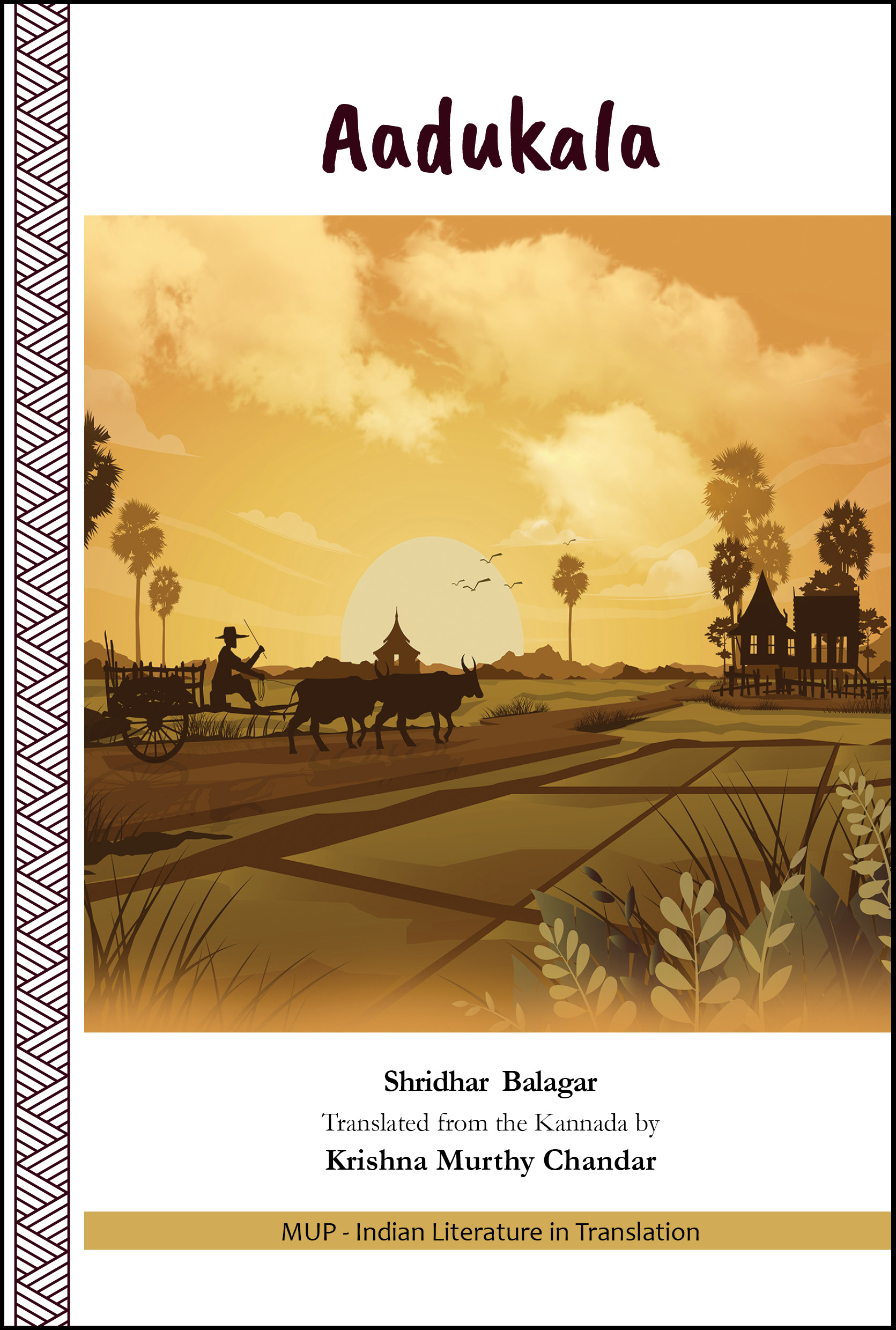
Aadukala
₹300.00
Author: Shridhar Balagar Translator: Krishna Murthy Chandar
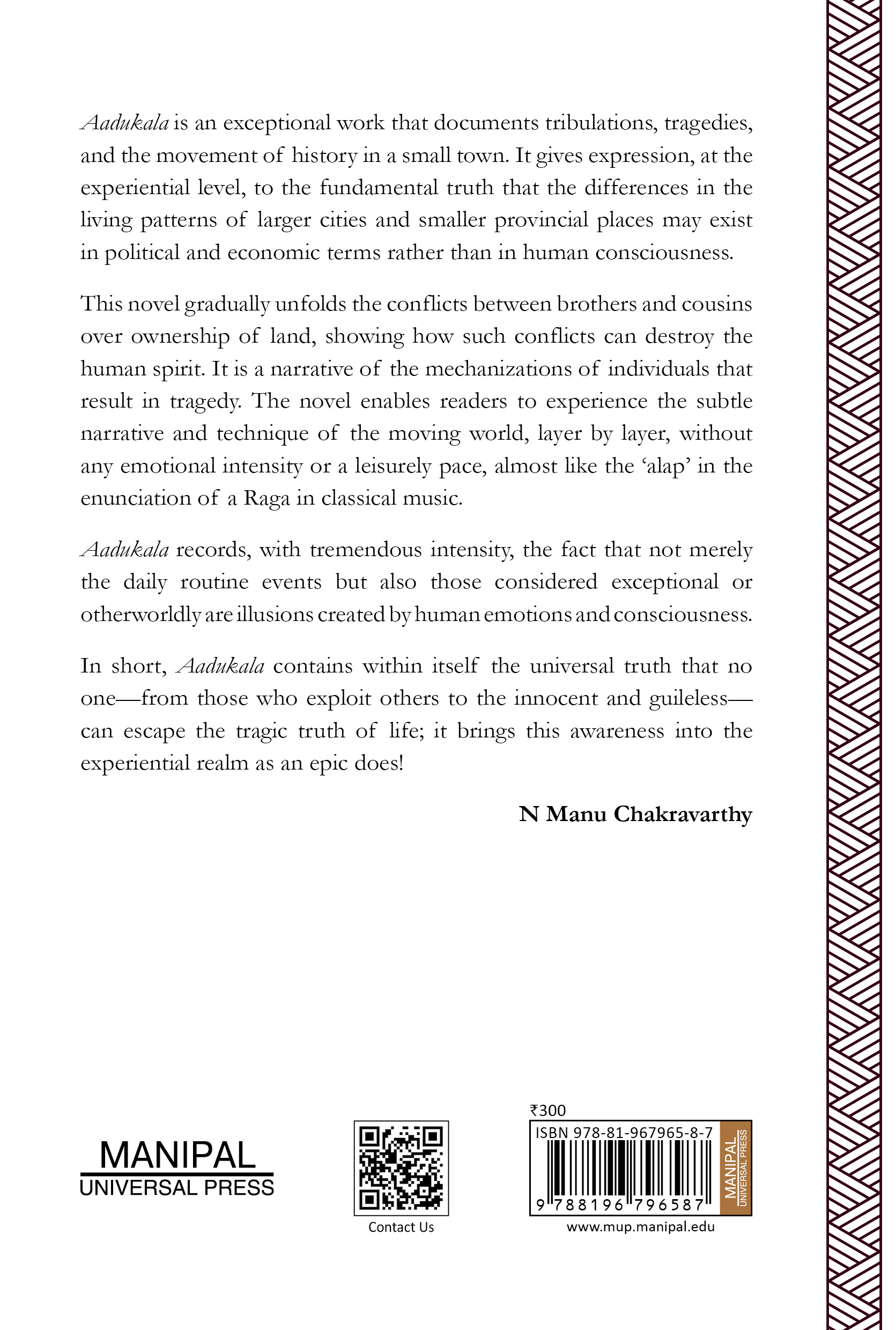
Aadukala is an exceptional work that documents tribulations, tragedies, and the movement of history in a small town. It gives expression, at the experiential level, to the fundamental truth that the differences in the living patterns of larger cities and smaller provincial places may exist in political and economic terms rather than in human consciousness.
This novel gradually unfolds the conflicts between brothers and cousins over ownership of land, showing how such conflicts can destroy the human spirit. It is a narrative of the mechanizations of individuals that result in tragedy. The novel enables readers to experience the subtle narrative and technique of the moving world, layer by layer, without any emotional intensity or a leisurely pace, almost like the ‘alap’ in the enunciation of a Raga in classical music.
Aadukala records, with tremendous intensity, the fact that not merely the daily routine events but also those considered exceptional or otherworldly are illusions created by human emotions and consciousness.
Interested readers may write to us at mup@manipal.edu about purchasing the book.
Also available on |
| Format |
|---|
Customer Reviews
There are no reviews yet.
Related products
-
Two Plays – The Sahyadri Saga and The World of Swayamvara
₹199.00Author: Akshara K V Translator: Jayanth Kodkani
These two plays negotiate with the real problems of contemporary India. If Sahyadri Kanda is about the ripples caused in the life of the people in a village on the Western Coast which will soon have a nuclear plant, Swayamvaraloka, is an allegorical narrative set in a small village that extends to include the larger contemporary world. Both the plays dwell on the seeming binaries of village-city, success-failure, modern-traditional while examining the nature of human relationships in the changing world. These plays also reflect an ambition to elevate the real experience to a mythical level. While most playwrights attempt to echo contemporary concerns by reinterpreting history and mythology, for these plays, the epics, their grandeur, the struggle, the wars are not episodes that happen in kingdoms and palaces and battlefields, they are also that which takes place in the microworld of one’s consciousness. Each character in these plays find their own dharma, yet it offers no model for the reader, and remains only a pointer to the complex process of finding it.
Interested readers may write to us at mup@manipal.edu about purchasing the book.
Also available on
eBook available on

-
Madhavi Kathana Kavya
₹195.00Author: ONV Kurup, Translator: Parvathi G Aithal
ವ್ಯಾಸ ಮಹಾಭಾರತದ ಉದ್ಯೋಗ ಪರ್ವದಲ್ಲಿ ಬರುವ ಒಂದು ಉಪಾಖ್ಯಾನವನ್ನಾಧರಿಸಿ ಬರೆದ ಒಂದು ಕಾವ್ಯವಿದು. ಮೂಲಕಥೆಯಲ್ಲಿ ಮಾಧವಿಯ ಶೋಷಣೆ ಎದ್ದು ಕಾಣುವುದಿಲ್ಲ. ವಿಶ್ವಾಮಿತ್ರ ಶಿಷ್ಯನಾದ ಗಾಲವನು ತನ್ನ ವಿದ್ಯಾಭ್ಯಾಸವನ್ನು ಮುಗಿಸಿ ಹೊರಡುವಾಗ ‘ಗುರುದಕ್ಷಿಣೆಯಾಗಿ ಏನನ್ನು ಕೊಡಲಿ?’ ಎಂದು ಕೇಳುತ್ತಾನೆ. ವಿಶ್ವಾಮಿತ್ರರು ಗುರುದಕ್ಷಿಣೆ ಬೇಡವೆಂದರೂ ಕೇಳುವುದಿಲ್ಲ. ಕೊನೆಗೆ ವಿಶ್ವಾಮಿತ್ರರು, ‘ಒಂದು ಕಿವಿ ಮಾತ್ರ ಕಪ್ಪಾಗಿರುವ ಎಂಟುನೂರು ಶ್ವೇತಾಶ್ವಗಳನ್ನು ಕಾಣಿಕೆಯಾಗಿ ತೆಗೆದುಕೊಂಡು ಬಾ’ ಎಂದು ಹೇಳುತ್ತಾರೆ. ಆದರೆ, ಅಂಥ ವಿಶೇಷ ಗುಣದ ಕುದುರೆಗಳು ಬಹಳ ದುರ್ಲಭವಾದುವೆಂಬುದನ್ನು ಅರಿತಾಗ ಗಾಲವ ದಾನಶೂರ ಯಯಾತಿ ಮಹಾರಾಜನ ಬಳಿ ಸಹಾಯ ಬೇಡಲು ಹೋಗುತ್ತಾನೆ. ಆಗಷ್ಟೇ ದೊಡ್ಡದೊಂದು ಯಾಗ ಮುಗಿಸಿದ ಯಯಾತಿಯ ಬಳಿ ಅಶ್ವಗಳಿಲ್ಲ. ಆದರೆ, ತನ್ನ ಪ್ರತಿಷ್ಠೆಯನ್ನು ಉಳಿಸಿಕೊಳ್ಳುವುದಕ್ಕೋಸ್ಕರ ಯಯಾತಿ ತನ್ನ ಮಗಳು ಮಾಧವಿಯನ್ನು ಗಾಲವನ ವಶಕ್ಕೆ ಬಿಟ್ಟು ‘ರೂಪಸಿಯಾದ ಈಕೆಯನ್ನು ಬೇಕಾದ ಹಾಗೆ ಬಳಸಿಕೊಂಡು ನಿನಗೆ ಬೇಕಾದ ಅಶ್ವಗಳನ್ನು ಪಡೆ’ ಅನ್ನುತ್ತಾನೆ. ಹಾಗೆ ಗಾಲವನು ಮಾಧವಿಯನ್ನು ಮೂರು ಮಂದಿ ರಾಜರ ಬಳಿಗೆ ಕರೆದೊಯ್ದು ಅವರಿಂದ ತಲಾ ಇನ್ನೂರು ಅಶ್ವಗಳನ್ನು ಪಡೆದು ಆ ರಾಜರುಗಳಿಗೆ ಒಂದು ವರ್ಷದ ಮಟ್ಟಿಗೆ ಉಪಯೋಗಿಸಿಕೊಳ್ಳಲು ಮಾಧವಿಯನ್ನು ಒಪ್ಪಿಸುತ್ತಾನೆ. ಮೂಲ ಕಥೆಯಲ್ಲಿ ಮಾಧವಿಯ ಮನಸ್ಸಿನ ಸಂಘರ್ಷಗಳು ವ್ಯಕ್ತವಾಗಿಲ್ಲ. ‘ಪುರುಷರಿಂದ ಲೈಂಗಿಕವಾಗಿ ಎಷ್ಟು ಸಾರಿ ಬಳಸಲ್ಪಟ್ಟರೂ ನನ್ನ ಕನ್ಯತ್ವ ಉಳಿಯುವಂಥ ವರ ನನಗಿದೆಯಾದ್ದರಿಂದ ನಾನು ನಿನಗೆ ಸಹಾಯ ಮಾಡಬಲ್ಲೆ’ ಎಂದು ಗಾಲವನ ಬಳಿ ಅವಳೇ ಹೇಳುತ್ತಾಳೆ . ಓಎನ್ವಿ ಕುರುಪ್ ಬರೆದ ಈ ಕೃತಿಯಲ್ಲಿ ಅವರು ಕೆಲವು ಬದಲಾವಣೆಗಳನ್ನು ಮಾಡಿಕೊಂಡಿದ್ದಾರೆ. ಇಲ್ಲಿ ಇಡೀ ಕಥೆಯನ್ನು ಪುರುಷರಿಂದ ಘೋರ ಅನ್ಯಾಯಕ್ಕೊಳಗಾಗಿ ಮಾನಸಿಕ ಯಾತನೆಯನ್ನು ಅನುಭವಿಸಿರಬಹುದಾದ ಮಾಧವಿಯ ದೃಷ್ಟಿಯಿಂದ ಬರೆಯಲಾಗಿದೆ. ಆದ್ದರಿಂದ ಇದರ ಸ್ತ್ರೀವಾದಿ ಓದು ಒಂದು ವಿಶಿಷ್ಟ ಅನುಭವವನ್ನು ನೀಡುತ್ತದೆ.ಮಲಯಾಳದ ಜ್ಞಾನಪೀಠ ಪ್ರಶಸ್ತಿ ವಿಜೇತ ಸಾಹಿತಿ ಓಎನ್ವಿಕುರುಪ್ ಅವರ ‘ಸ್ವಯಂವರಂ’ ಎಂಬ ಖಂಡಕಾವ್ಯದ ಭಾವಾನುವಾದವಿದು. ಮಹಾಭಾರತದ `ಉದ್ಯೋಗ ಪರ್ವ’ ದಲ್ಲಿ ಬರುವ ಒಂದು ಉಪಾಖ್ಯಾನದಲ್ಲಿ ಪುರುಷ ವರ್ಗದಿಂದ ಘೋರವಾಗಿ ಶೋಷಣೆಗೊಳಗಾದ ಮಾಧವಿ ಈ ಕಥೆಯ ನಾಯಕಿಯಾಗಿದ್ದು ಇಡೀ ಕಾವ್ಯವೇ ಅವಳ ದೃಷ್ಟಿಕೋನದಿಂದ ರಚಿತವಾಗಿದ್ದರಿಂದ ಸ್ತ್ರೀವಾದಿ ಓದಿಗೆ ಒಳಪಡಿಸಲು ಅತ್ಯಂತ ಸೂಕ್ತವಾದ ಕೃತಿಯಿದು ಎಂದೆನ್ನಿಸಿ ಅನುವಾದಕಿ ಅದರ ಶೀರ್ಷಿಕೆಯನ್ನು ‘ಮಾಧವಿ ಕಥನ ಕಾವ್ಯ’ವೆಂದು ಬದಲಾಯಿಸಿದ್ದಾರೆ . ಇದನ್ನು ಓದಿದಾಗೆಲ್ಲ ರಾಮಾಯಣದ ಸೀತೆಯ ನೆನಪಾಗುತ್ತದೆ.
Interested customers may write to us at mup@manipal.edu about purchasing the book.
Also available on
-

BAKA – Collection of Two Plays
₹340.00Author: M S Keshava Prabhu, Translator: L V Shantakumari
Baka dramatizes the episode of Bakasura, from the Indian epic, Mahabharata. Baka is a cannibal demon that terrorizes a village with its horrifying attacks. The king of the village strikes an agreement with the demon, putting its people in peril. They live in constant fear for years until the sudden arrival of a hero changes everything.
A theatrical and evocative narration, this play satirically mirrors society’s greed and irresponsibility. It depicts power struggles through the conflict that arises between Baka the demon, the cowardly king, and the oppressed people.Interested customers may write to us at mup@manipal.edu about purchasing the book.Also available on -
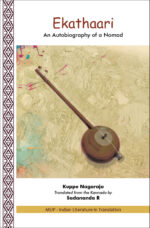
Ekathaari: An Autobiography of a Nomad
₹320.00Author: Kuppe Nagaraja, Translator: Sadananda R
Kuppe Nagaraja’s autobiography is of social importance as it covers the life of a nomadic community. Its uniqueness comes from the fact that the nomadic and semi-nomadic lifestyle is markedly different from that of other communities in the lower socioeconomic strata of society. This autobiography does not glorify the life of its author; it narrates the story of a community through the lens of an individual’s life. It begins as the story of an individual, then becomes the story of a family, and finally transforms into the story of a community. The autobiography grows beyond the traps of self-glorification by providing equal space to all these aspects in a balancedmanner.
– Baraguru Ramachandrappa
Noted Kannada writer, critic and film directorJust as birds migrate to greener pastures, nomadic people move towards regions that have received good rains. Kuppe Nagaraja’s autobiography meaningfully captures their traditions, beliefs, social interactions, and superstitions. This book can also be considered a free gift to social scientists as it provides insights into the life of nomads. It should be noted that it is very difficult to study nomads, as they keep to themselves and often dodge any probing questions.
Moreover, the book provides an answer to all those people who often stand on the footpaths of cities debating the relevance of caste-based reservation in Indian society.– Krupakara-Senani
The Green Oscar winning wildlife photographersInterested customers may write to us at mup@manipal.edu about purchasing the book.
Also available on
-
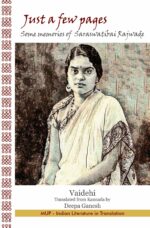
Just a few pages: Some Memories of Saraswatibai Rajwade
₹210.00Author: Vaidehi, Translator: Deepa Ganesh
This book is a coming together of two women writers of modern Kannada literature; one from its early period, the other, a contemporary. Saraswati Bai Rajwade, the early writer, became a fable, a mythology, leaving behind only the shadows of her writing. Vaidehi, the contemporary writer, reinvents Rajwade from the folds of history and gives her a life in the present. Saraswati Bai Rajwade was born into a poor family in the Dakshina Kannada of yore. By chance, she stepped into theatre and later into films. But all the glory that came to her unexpectedly, vanished just as suddenly. She later became the wife of a rich and high official, travelled abroad and underwent immense suffering. In her pain and loneliness, she took to books and also began to write and attained glory as a writer. In the last years of her life, she returned to a life of austerity and anonymity. Vaidehi has collected bits and pieces from her life and writing, presenting before us a unique tapestry. In this tapestry, Vaidehi?s perceptions criss-cross with Rajwade?s life and writing. Art does not reside in the object, but in its close encounter with life. This work unfolds before us as a grand illustration of such twin narratives.
Interested readers may write to us at mup@manipal.edu about purchasing the book.
Also available on
-
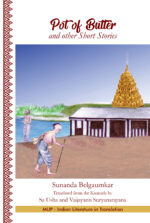
Pot of Butter and other short stories
₹250.00Author: Sunanda Belgaumkar Translator: Sa Usha, Vaijayanti Suryanarayana
Pot of Butter and other Short Stories is a collection of nine short stories, originally composed by Sunanda Belgaumkar in Kannada, handpicked and translated from her collections – Kajjaya and Koduvudenu Kombudenu. The bulk of her literary work including the stories in this book are inspired by the experiences in her early life, in the rustic and robust atmosphere of Dharwad. Her stories are predominantly semiautobiographical, laced with a liberal dose of artistic freedom.
This collection weaves together her writings on the underprivileged and marginalized as seen from the comfort of her palatial home, but rendered with compassion and empathy. Often, we find her narrative infused with self-directed questions such as, “What if I was in her shoes? ” or “Could that have been me? ” These stories are reflections on human nature, suffering, and destiny. There is hope, there is despair. There is love, there is longing. There is defeat, and there is triumph. In her stories, an oft-recurring metaphor for picking up one’s life after loss is a scorching summer followed by a torrential downpour and subsequently a plant springing to life.
As a translation, this book attempts to introduce Sunanda Belgaumkar’s literary and artistic creations to the non-Kannada reader, retaining as much of the indigenous elements of the original writings as possible. In doing so, it seeks to preserve the cultural climate of North Karnataka as it was around fifty years ago.
Interested readers may write to us at mup@manipal.edu about purchasing the book.
Also available on
-
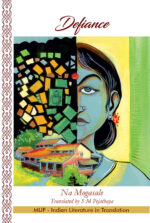
Defiance
₹495.00Defiance is a captivating tale of the march of globalization and its impact on the lives and times of the Santher Guthu family in Ombathkere, a village located between Mangaluru and Kasaragodu. Set in the picturesque Malabar coast of Karnataka in the late 20th Century, the novel takes the reader through four generations of the family. Ambakke, the protagonist, along with her brother Sankappa Hegde, the third-generation descendants of the family form the lifeblood of this story of human relationships in the midst of time and change. The novel is born out of deep contemplation of a community in the face of transition. There is anxiety that grips this part of Karnataka in the wake of modernity. The vast canvas of the novel and the depiction of folk culture provides a unique touch to the saga of the community. Defiance is a novel about traditions and the fear of losing out to modernity. It is about change and the desire to remain rooted.
Interested readers may write to us at mup@manipal.edu about purchasing the book.
Also available on
-
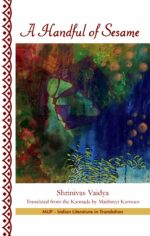
A Handful of Sesame
₹310.00Author: Srinivas B Vaidya, Translator: Maithreyi Karnoor
With a captivating start, A Handful of Sesame plunges us into the heart of the dying years of the 1857 mutiny. But the mutiny is largely a backdrop to the novel. When Kamalanabh of Kashi is manipulated by an impoverished Brahmin of Navalgund into marrying his daughter, the novel becomes basically the story of an internal migration. This is rare, and it remains one of the strengths of the novel. We are so used to speaking of migration across the postcolonial bridge and accredited national borders that we forget that India is a country of endless internal migrations – in the past and the present.
Interested readers may write to us at mup@manipal.edu about purchasing the book.
Also available on
Be the first to review “Aadukala”
You must be logged in to post a review.