
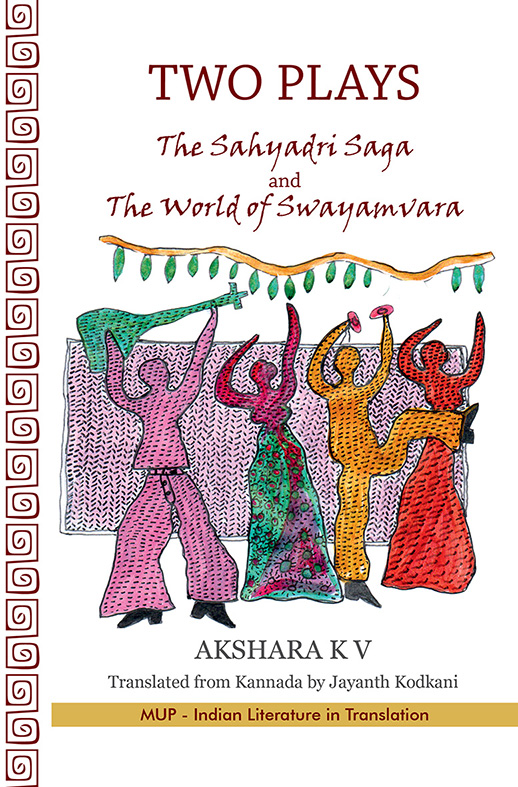
Two Plays – The Sahyadri Saga and The World of Swayamvara
₹199.00
Author: Akshara K V Translator: Jayanth Kodkani
These two plays negotiate with the real problems of contemporary India. If Sahyadri Kanda is about the ripples caused in the life of the people in a village on the Western Coast which will soon have a nuclear plant, Swayamvaraloka, is an allegorical narrative set in a small village that extends to include the larger contemporary world. Both the plays dwell on the seeming binaries of village-city, success-failure, modern-traditional while examining the nature of human relationships in the changing world. These plays also reflect an ambition to elevate the real experience to a mythical level. While most playwrights attempt to echo contemporary concerns by reinterpreting history and mythology, for these plays, the epics, their grandeur, the struggle, the wars are not episodes that happen in kingdoms and palaces and battlefields, they are also that which takes place in the microworld of one’s consciousness. Each character in these plays find their own dharma, yet it offers no model for the reader, and remains only a pointer to the complex process of finding it.
Interested readers may write to us at mup@manipal.edu about purchasing the book.
Also available on |
eBook available on |
| Format |
|---|
Customer Reviews
There are no reviews yet.
Related products
-

Post Googlism and Other Short Stories
₹350.00Author: R C Natarajan
This collection of short stories is for the fast-paced millennials, whom the author calls “The Post Googlist Generation” who want everything hastily, at their finger-tips and on the go. The language has also shrunk in size to allow the pace. The world-view of this generation is that what cannot be done through an app cannot and should not be done. Their expectations of a story are a striking start, a quickly built middle and an interesting end. Stories in the collection seek to meet these expectations of this generation talking to them in their own language. They also echo the changing lives and changing aspirations of the time.
Interested readers may write to us at mup@manipal.edu about purchasing the book.
Also available on
-
Saga of The Uprooted
₹95.00Author: Ranga Hari, Translator: Saratchandra Shenoi
This English translation of Visthapanachi Katha, a Konkani Khanda Kavya, depicts the saga of the migration of the Konkani community from Goa to a land far away from home. This collection of poems encapsulates the reign of a colonial power over the region of Goa that began with the entry of the Portuguese in the 16th century. It illustrates the displacement of the Konkani people and their resurgence at Cochin port. The poems describe the transformation of Goa – both culturally and topographically – and the people of Goa who were plundered, displaced, uprooted, and were forced to strip off their culture and identity. The poet is unfolding the tale of his very own ancestors by tracing out these events and graphically portraying the plight of the Konkani people. Saratchandra Shenoi, the author of this English translation, is a multilingual translator and a Sahitya Akademi Award winning (Antarnad – 1999) Konkani poet based in Kochi. He has over twenty books to his credit which include collections of poetry, works of fiction and non-fiction, translations, edited anthologies and language guides. Ranga Hari is the author of the Konkani original text titled Visthapanachi Katha. He has written more than twenty-five books in different languages, and was associated with Bharatiya Sikshan Mandal and Vidya Bharati.
Interested readers may write to us at mup@manipal.edu about purchasing the book.
Also available on
-
Sati Kamale
₹240.00Author: S U Paniyadi Translators: B Surendra Rao, K Chinnappa Gowda
This eponymous novel is centred on Kamale, who is an embodiment of wifely virtue. For fifteen long years Kamale lives the life of a widow to the outside world, nurturing the hopes of reuniting with the husband one day. Alone in the room, each night she wears her marks of a married woman with the dagger gifted by Umesha next to her. It could be seen as an exposition on the then existing indigenous discourse in India in the 19th century and early 20th century. Kamale, in her rigorous commitment and in retrieving her husband from ‘death’, is fashioned after Savithri in an intertextual reference to Mahabharata’s episode of “Satyavan and Savithri”. The novel might look conservative for the present-day reader, but it is a representative literary work of the time when Paniyadi, among many others, wanted to regain the independent status of the Tulu language which had somehow slipped out of its pedestal.
Interested readers may write to us at mup@manipal.edu about purchasing the book.
Also available on
-
A Bond So Sacred
₹450.00A Bond So Sacred tells the story of Raman, a satyagrahi, who adopts Kokila, an orphan. He leaves the five year old in the care of his mother while he plunges into the freedom struggle. His nationalist fervour, however, clashes with his love for Amina, his charming neighbour who wants parental approval to their marriage. Raman’s mother is as staunch a Brahmin as Amina’s father is a Muslim. Will Raman be able to get their consent. The joy of India becoming an independent nation is marred by Gandhiji’s death. Raman’s fellow satyagrahis have gone their ways and he finds himself with no role to play in a rapidly changing country. Meanwhile, Kokila, his protégée, has her own battles to fight. As the years bring them together again, Kokila discovers truths about Raman that she would never have imagined. She is forced to confront the ghosts of the past, his and hers.
Interested readers may write to us at mup@manipal.edu about purchasing the book.
Also available on
-
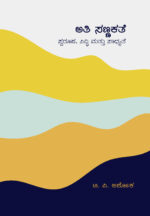
Ati Sannakathe: Swarupa, Siddhi Mattu Sadhyate
₹160.00Author: T P Ashoka
ಕಲ್ಪನೆ ಎಂಬುದು ಸತ್ಯಕ್ಕಿಂತ ಹೆಚ್ಚು ಸತ್ಯ, ಕನಸು ಎಂಬುದು ವಾಸ್ತವಕ್ಕಿಂತ ಹೆಚ್ಚು ವಾಸ್ತವ ಎಂಬುದು ಅತಿ ಸಣ್ಣಕತೆಗಳು ನಮಗೆ ಮನದಟ್ಟು ಮಾಡಿಕೊಡುವಂತೆ ಕಾಣುತ್ತವೆ. ಹೆಚ್ಚಿನ ಅತಿ ಸಣ್ಣಕತೆಗಳು ವಾಸ್ತವವಾದೀ ಮಾರ್ಗವನ್ನು ಬಿಟ್ಟುಕೊಟ್ಟಿರುವುದಕ್ಕೆ ಪ್ರಾಯಶಃ ಇದೇ ಕಾರಣ. ವಿವರಣೆ-ವರ್ಣನೆಗಳ ಹಂಗು ಇಲ್ಲದಿರುವುದರಿಂದ ಸಂಕ್ಷಿಪ್ತತೆ ಮತ್ತು ಸಾಂದ್ರತೆಗಳು ಇವುಗಳ ಸಹಜ ಲಕ್ಷಣಗಳಾಗಿವೆ. ಅಂತರಂಗದ ಆಳವನ್ನು, ಅಮೂರ್ತವನ್ನು, ಸಾಂಕೇತಿಕವಾದುದದ್ದನ್ನು ಮತ್ತೊಂದೇ ಸ್ತರದಲ್ಲಿ ಗ್ರಹಿಸಿ ಅಭಿವ್ಯಕ್ತಿಸಲು ಲೇಖಕರಿಗೆ ಈ ಪ್ರಕಾರ ಹೇಳಿ ಮಾಡಿಸಿದಂತಿದೆ. ಹಾಗಾಗಿ ಜಗತ್ತಿನ ಎಲ್ಲ ಭಾಷೆಗಳ ದೊಡ್ಡ ಲೇಖಕರು, ದೀರ್ಘವಾದ ಕತೆ-ಕಾದಂಬರಿಗಳನ್ನು ಬರೆದವರನ್ನೂ ಸೇರಿಸಿಕೊಂಡು, ಈ ಪ್ರಕಾರದಲ್ಲಿ ಕೃಷಿಮಾಡಿದ್ದಾರೆ. ತುಂಬ ಸೂಕ್ಷ್ಮವಾದ, ನಾಜೂಕಾದ ಸಂಗತಿಗಳನ್ನು ಸೂಚ್ಯವಾಗಿ, ಕೆಲವೊಮ್ಮೆ ಪರೋಕ್ಷವಾಗಿ, ಇನ್ನೂ ಕೆಲವು ವೇಳೆ ಮುಚ್ಚಿಟ್ಟು ಹೇಳಲು ಈ ಪ್ರಕಾರವು ತನ್ನ ಸ್ವರೂಪದ ಕಾರಣದಿಂದಲೇ ಅನುವು ಮಾಡಿಕೊಡುತ್ತದೆ. ಇದು ಆಧುನಿಕ ಪೂರ್ವದ ದಂತಕತೆ, ನೀತಿಕತೆ, ದೃಷ್ಟಾಂತ ಕತೆಗಳ ಆಧುನಿಕ ರೂಪವಾಗಿ ಕಂಡರೂ ಆಶ್ಚರ್ಯವಿಲ್ಲ.”
Interested readers may write to us at mup@manipal.edu about purchasing the book.
Also available on
eBook available on
-
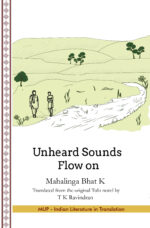
Unheard Sounds Flow On
₹315.00Author: K Mahalinga, Translator: T K Ravindran
In spite of being one of the oldest members of the Dravidian family of languages, Tulu, unfortunately, has not yet found the recognition that it richly deserves in the modern world. Since modernity privileges the written over the spoken, the Tulu language that is abundantly blessed with oral literature has been placed on the fringes of modern literary world. Ironically, Tulu is still engaged in a desperate fight for official status in a country that boasts of its cultural and linguistic diversity. The motives behind the translation of Nanajjer Sude Tirgayer, hailed as the first modern Tulu novel, into English refuse to remain apolitical in this context.
The novel, which has already been translated into Kannada, Konkani and Malayalam, beautifully captures the pulse of rusticity that characterizes the life of a village community that lived its life with its love-hate relationship with nature, more than 75 years ago in a Tulu speaking village in the south-western part of Karnataka. Besides bringing alive the socio-cultural practices that find their articulation through the natural linguistic plurality ingrained in the village psyche, the novel touches upon the duality of human nature that leaves man perennially condemned to an inner crisis.
Interested customers may write to us at mup@manipal.edu about purchasing the book.
Also available on
-
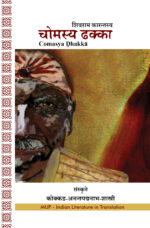
Comasya Dhakka
₹195.00Author: Shivarama Karanth Translator: Ananthapadmanabha Shastri
Set in the coastal Karavali region of Karnataka, Chomasya Dakka is the story of Coma, a Dalit bonded-laborer. Set in the pre-independent India, Comasya Dakka tells a poignant tale of dalit lives, and the suppression of their fundamental rights and identity through the character of Coma. Denied the right to even till and cultivate their own land due to their caste and identity, Coma and his children work as bonded-labourers for their landlord, Sankappayya. The plot of the novel follows the lives of Coma and his children and the tragedies that befall them. The original work in Kannada, Comana Dudi, was adapted into a well-acclaimed, national award-winning film in the year 1975. Directed by B V Karanth, it won the Swarna Kamal, Indias National Award for the Best Film in the year 1976.
Interested readers may write to us at mup@manipal.edu about purchasing the book.
Also available on
-
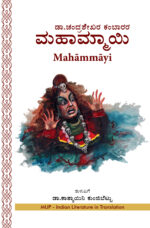
Mahāmmāyi
₹195.00Author: Chandrasekhara Kambara, Translator: Kathyayini Kunjibettu
Mahāmmāyi is the story of the legend of Shatavithaayi – the Goddess of death, and her adopted son Sambhashiva. Out of affection for her son, Goddess Shatavithaayi blesses him with the “power of life”. The blessing was that death will evade the people who are treated by Sambashiva. But a certain condition set by Shatavithaayi forbade him from healing every ill man. The condition was that, if Shatavithaayi stood on the right side of the patient, Sambhashiva could treat that person and he would live; but, if she stood on the left side of the patient, he should not treat that person as his death was inevitable. Through a distinct method of story-telling, the story follows the life of Sambhashiva as he begins to question the ideas of fate and destiny. Thus, the conflict between fate and human efforts to change that fate is vividly described in this play.Interested readers may write to us at mup@manipal.edu about purchasing the book.
Also available on
Be the first to review “Two Plays – The Sahyadri Saga and The World of Swayamvara”
You must be logged in to post a review.