
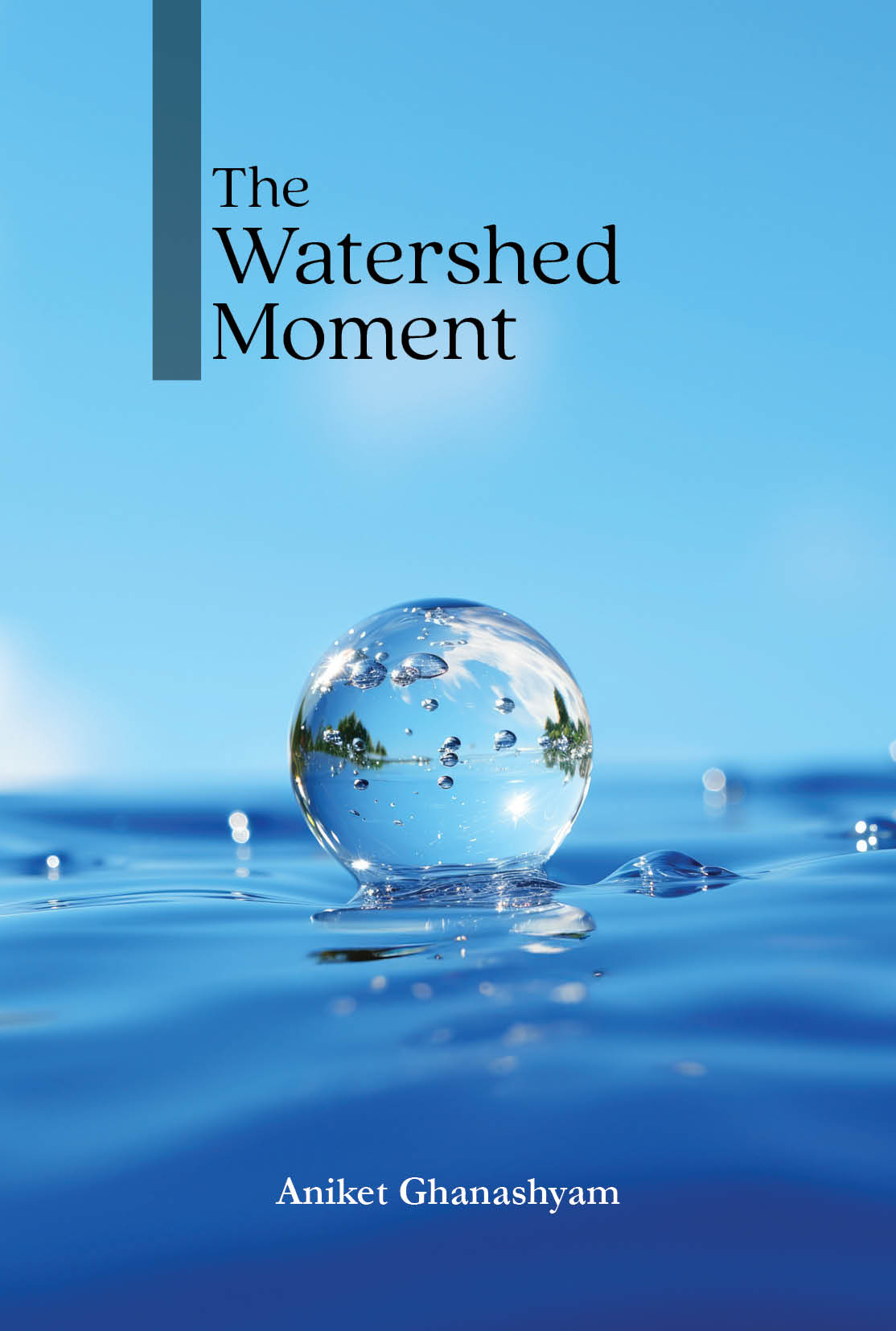

The Watershed Moment
₹650.00
Author: Aniket Ghanashyam
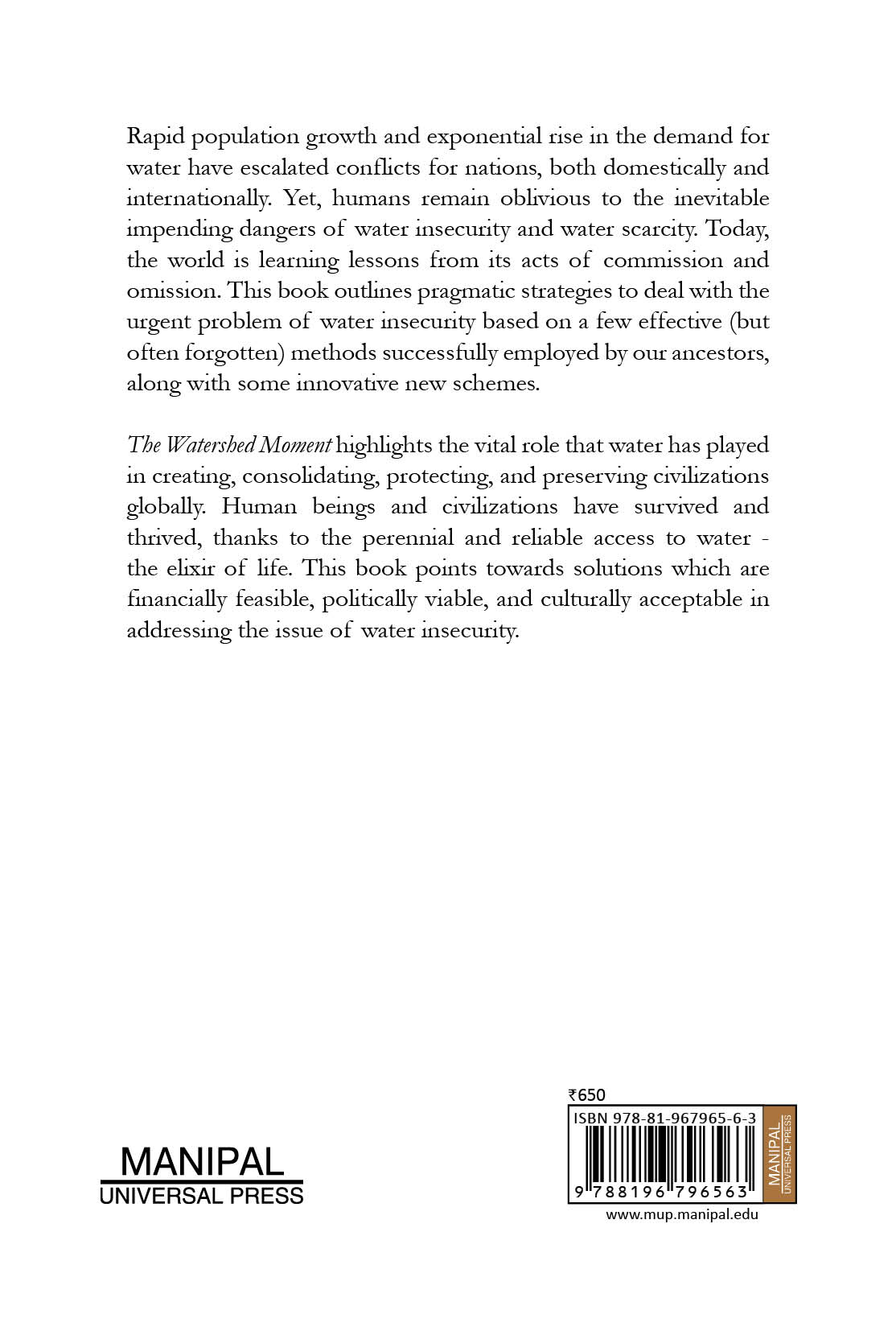
The Watershed Moment highlights the vital role that water has played in creating, consolidating, protecting, and preserving civilizations globally. Human beings and civilizations have survived and thrived, thanks to the perennial and reliable access to water – the elixir of life. This book points towards solutions which are financially feasible, politically viable, and culturally acceptable in addressing the issue of water insecurity.
Interested readers may write to us at mup@manipal.edu about purchasing the book.
International Edition available on |
Indian edition available on |
| Format |
|---|
Related products
-
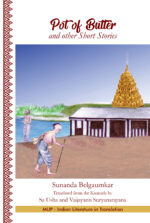
Pot of Butter and other short stories
₹250.00Author: Sunanda Belgaumkar Translator: Sa Usha, Vaijayanti Suryanarayana
Pot of Butter and other Short Stories is a collection of nine short stories, originally composed by Sunanda Belgaumkar in Kannada, handpicked and translated from her collections – Kajjaya and Koduvudenu Kombudenu. The bulk of her literary work including the stories in this book are inspired by the experiences in her early life, in the rustic and robust atmosphere of Dharwad. Her stories are predominantly semiautobiographical, laced with a liberal dose of artistic freedom.
This collection weaves together her writings on the underprivileged and marginalized as seen from the comfort of her palatial home, but rendered with compassion and empathy. Often, we find her narrative infused with self-directed questions such as, “What if I was in her shoes? ” or “Could that have been me? ” These stories are reflections on human nature, suffering, and destiny. There is hope, there is despair. There is love, there is longing. There is defeat, and there is triumph. In her stories, an oft-recurring metaphor for picking up one’s life after loss is a scorching summer followed by a torrential downpour and subsequently a plant springing to life.
As a translation, this book attempts to introduce Sunanda Belgaumkar’s literary and artistic creations to the non-Kannada reader, retaining as much of the indigenous elements of the original writings as possible. In doing so, it seeks to preserve the cultural climate of North Karnataka as it was around fifty years ago.
Interested readers may write to us at mup@manipal.edu about purchasing the book.
Also available on
-
Path to Ideal Motherhood
₹300.00Path to Ideal Motherhood is a complete guide on pre-conceptual counselling, pregnancy and childbirth. Pregnancy is to nurture a life within, where a would-be mother experiences physical, psychological, emotional and societal changes. A complete knowledge of pregnancy, and a sincere and positive effort by the would-be mother is what is required to make this journey an enriching experience, filled with fond memories. The book discusses and provides a detailed information on important facts of childbirth and pregnancy, lifestyle changes during pregnancy, along with the importance of breathing, nutrition, exercises, sleep, etc. The book also discusses the concept of Garbha Sanskar for a healthy baby. As a young mother nurtures a young life, the book seeks to nurture the young mother towards an ideal path to motherhood.
-
The Ramayana of Valmiki: A condensed version of Valmiki’s epic
₹340.00Author: M R Parameswaran
The world’s greatest epic poem Valmikiramayana, composed over 2,500 years ago, is loved by countless millions of men and women of all religions. The present book is the first condensed version in English of the most reliable version of Valmikiramayana, the Critical Edition prepared by Baroda Oriental Research Institute, India.
Interested readers may write to us at mup@manipal.edu about purchasing the book.Also available on
-
Valmiki Ramayana – Critical Essays
₹250.00Author: M R Parameswaran
This book critically engages with several important events and statements found in Valmiki’s epic poem, the Ramayana composed over 2500 years ago. Though certain methods were followed to preserve the Vedic texts, no serious methods were adopted to preserve the text of Ramayana. The poem spread to all parts of India and beyond through narrators of the epic who sometimes added their own explanatory verses to conform to local customs and traditions. In the second half of the 20th century, scholars at the Baroda Oriental Research Institute, after many years of labour and examination of over 2000 different manuscripts, compiled what is now accepted as the most reliable version of the poem. Based on this critical edition, a condensed English version by Dr Parameswaran was earlier published by the Manipal University Press. In the present book, Dr Parameswaran reviews the critical interpretations of scholars like Sheldon Pollock, R P Goldman and Wendy Doniger and has analytic responses to many unanswered questions. About the book: Dr M R Parameswaran has taught Mathematics as well as Sanskrit at the University of Manitoba in Winnipeg, Canada. His work Studies in Srivaishnavism, has been well received by academic scholars and Srivaishnavas.
Interested readers may write to us at mup@manipal.edu about purchasing the book.Also available on
-

Post Googlism and Other Short Stories
₹350.00Author: R C Natarajan
This collection of short stories is for the fast-paced millennials, whom the author calls “The Post Googlist Generation” who want everything hastily, at their finger-tips and on the go. The language has also shrunk in size to allow the pace. The world-view of this generation is that what cannot be done through an app cannot and should not be done. Their expectations of a story are a striking start, a quickly built middle and an interesting end. Stories in the collection seek to meet these expectations of this generation talking to them in their own language. They also echo the changing lives and changing aspirations of the time.
Interested readers may write to us at mup@manipal.edu about purchasing the book.
Also available on
-
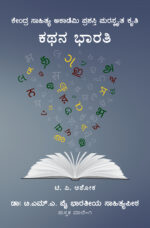
Kathana Bharathi
₹300.00Author: T P Ashoka
ಕಥನ ಭಾರತಿಯು ವಿವಿಧ ಭಾರತೀಯ ಭಾಷೆಗಳಾದ ಕನ್ನಡ, ಹಿಂದಿ, ಬೆಂಗಾಲಿ, ಗುಜರಾತಿ, ಮಲಯಾಳಂ, ಮರಾಠಿ, ಒರಿಯಾ, ಪಂಜಾಬಿ ಮತ್ತು ಉರ್ದುಗಳಲ್ಲಿ ಬರೆಯಲಾದ ಆಧುನಿಕ ಶ್ರೇಷ್ಠ ಸಾಹಿತ್ಯದ ಇಪ್ಪತ್ತು ಸಾಹಿತ್ಯ ವಿಮರ್ಶಾತ್ಮಕ ಪ್ರಬಂಧಗಳ ಸಂಗ್ರಹವಾಗಿದೆ. ಪುಸ್ತಕದಲ್ಲಿ ಚರ್ಚಿಸಲಾದ ಭಾರತೀಯ ಲೇಖಕರಲ್ಲಿ ಜನಪ್ರಿಯ ಲೇಖಕರಾದ ಅಲೋಕ್ ಭಲ್ಲಾ, ಅಮೃತಾ ಪ್ರೀತಮ್, ಬೇಗಂ ರೋಕ್ವಿಯಾ ಸಖಾವತ್ ಹುಸೇನ್, ಭೀಮರಾವ್ ರಾಮ್ಜಿ ಅಂಬೇಡ್ಕರ್, ಭೀಶಮ್ ಸಾಹ್ನಿ, ಚಂದ್ರಶೇಖರ ಕಂಬಾರ, ಗಿರೀಶ್ ರಘುನಾಥ್ ಕಾರ್ನಾಡ್, ಗೋಪಿನಾಥ್ ಮೊಹಾಂತಿ, ಜಾನಕಿ ಶ್ರೀನಿವಾಸ ಮೂರ್ತಿ (ವೈದೇಹಿ, ಕೋತಾ ಸುನಿವಾಸ ಮೂರ್ತಿ) ಸೇರಿದ್ದಾರೆ. ಶಿವರಾಮ ಕಾರಂತ್, ಲಕ್ಷ್ಮಣ ಮಾನೆ, ಮಹಾಶ್ವೇತಾದೇವಿ, ಮಾಸ್ತಿ ವೆಂಕಟೇಶ ಅಯ್ಯಂಗಾರ್, ಮೋಹನ್ದಾಸ್ ಕರಮಚಂದ್ ಗಾಂಧಿ, ಮುನ್ಷಿ ಪ್ರೇಮಚಂದ್, ಪನ್ನಾಲಾಲ್ ನಾನಾಲಾಲ್ ಪಟೇಲ್, ರವೀಂದ್ರನಾಥ ಠಾಗೋರ್, ಸಾದತ್ ಹಸನ್ ಮಂಟೋ, ತಕಳಿ ಶಿವಶಂಕರ ಪಿಳ್ಳೈ, ಉಡುಪಿ ರಾಜಗೋಪಾಲಾಚಾರ್ಯ ಅನಂತಮೂರ್ತಿ ಮತ್ತು ಯಶಪಾಲ. ಇಪ್ಪತ್ತು ಸಾಹಿತ್ಯ ವಿಮರ್ಶಾತ್ಮಕ ಪ್ರಬಂಧಗಳು ತಮ್ಮ ಆಯ್ದ ಬರಹಗಳನ್ನು ಪರಿಶೀಲಿಸುತ್ತವೆ, ಪರಿಚಯಿಸುತ್ತವೆ, ಚರ್ಚಿಸುತ್ತವೆ ಮತ್ತು ವ್ಯಾಖ್ಯಾನಿಸುತ್ತವೆ. ಕಳೆದ ನೂರೈವತ್ತು ವರ್ಷಗಳಲ್ಲಿ ಭಾರತೀಯ ಶ್ರೇಷ್ಠ ಲೇಖಕರು ತಮ್ಮ ಸಮಯ ಮತ್ತು ಜಾಗಕ್ಕೆ ಹೇಗೆ ಪ್ರತಿಕ್ರಿಯಿಸಿದ್ದಾರೆ ಮತ್ತು ಪ್ರತಿಕ್ರಿಯಿಸಿದ್ದಾರೆ ಎಂಬುದನ್ನು ಈ ಲೇಖನಗಳು ಪರಿಶೀಲಿಸುತ್ತವೆ. ವಸಾಹತುಶಾಹಿ ಅನುಭವ, ವಿಭಜನೆಯ ಆಘಾತ ಮತ್ತು ಸ್ವಾತಂತ್ರ್ಯಾನಂತರದ ಸಾಮಾಜಿಕ ರಾಜಕೀಯ ಬೆಳವಣಿಗೆಗಳು ಈ ಬರಹಗಾರರ ಬರಹಗಳಲ್ಲಿ ಪ್ರಬಲ ನಿರೂಪಣೆಗಳು ಮತ್ತು ರೂಪಕಗಳ ರೂಪದಲ್ಲಿ ಅಭಿವ್ಯಕ್ತಿಯನ್ನು ಕಂಡುಕೊಂಡಿವೆ. ಟಿ ಪಿ ಅಶೋಕ ಅವರ ಕಥನ ಭಾರತಿ ಈ ಬರಹಗಳ ವಿಮರ್ಶೆ. ಆಧುನಿಕ ಭಾರತೀಯ ಸಾಹಿತ್ಯದಲ್ಲಿನ ಈ ಅಧ್ಯಯನಗಳು ಆಧುನಿಕ ಭಾರತೀಯ ಸಾಹಿತ್ಯ ವಿಮರ್ಶೆಗೆ ಅಮೂಲ್ಯ ಕೊಡುಗೆಯಾಗಿದೆ. ಪುಸ್ತಕವು ಸಾಹಿತ್ಯದ ವಿದ್ಯಾರ್ಥಿಗಳು, ಸಂಶೋಧಕರು ಮತ್ತು ಶಿಕ್ಷಕರಿಗೆ ಆಸಕ್ತಿದಾಯಕ ಓದುವಿಕೆಯನ್ನು ಒದಗಿಸುತ್ತದೆ ಆದರೆ ಸಾಮಾನ್ಯ ಓದುಗರನ್ನೂ ಆಕರ್ಷಿಸುತ್ತದೆ.
Interested readers may write to us at mup@manipal.edu about purchasing the book.Also available on
-
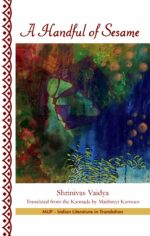
A Handful of Sesame
₹310.00Author: Srinivas B Vaidya, Translator: Maithreyi Karnoor
With a captivating start, A Handful of Sesame plunges us into the heart of the dying years of the 1857 mutiny. But the mutiny is largely a backdrop to the novel. When Kamalanabh of Kashi is manipulated by an impoverished Brahmin of Navalgund into marrying his daughter, the novel becomes basically the story of an internal migration. This is rare, and it remains one of the strengths of the novel. We are so used to speaking of migration across the postcolonial bridge and accredited national borders that we forget that India is a country of endless internal migrations – in the past and the present.
Interested readers may write to us at mup@manipal.edu about purchasing the book.
Also available on
-
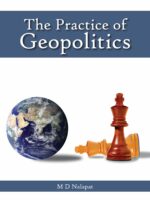
The Practice of Geopolitics
₹850.00Author: M D Nalapat
Intended to be a Practioner’s Guide to Geopolitics, the book provides a look into the thought processes that generate correct and timely analysis of global events. Geopolitics needs to weave within its analytical grasp economics, society, strategy and even culture, as the science deals with overall national capabilities as well as the mutal synergy and frictions between nations. Although a broad range of subjects has been covered in the book, each is anchored in the ground reality of events having a profound impact on the lives of citizens and on world events. The growing interconnectedness of the globe has resulted in a need to do away with the popular west centric models of international relations and to view events not through that single prism but from a holistic viewpoint that accepts the relevance and maturity of different histories and geographies. What the book provides is an alternative Weltanschauung to the dominant models of geopolitical analysis, so that the science is enabled to cross beyond the narrow boundaries which have confined. The scope and applicability of its analysis. The rise of Asia needs a geopolitical vision unique to the continent, and this is what has been provided by Professor Nalapat.
Interested readers may write to us at mup@manipal.edu about purchasing the book.
Also available on