
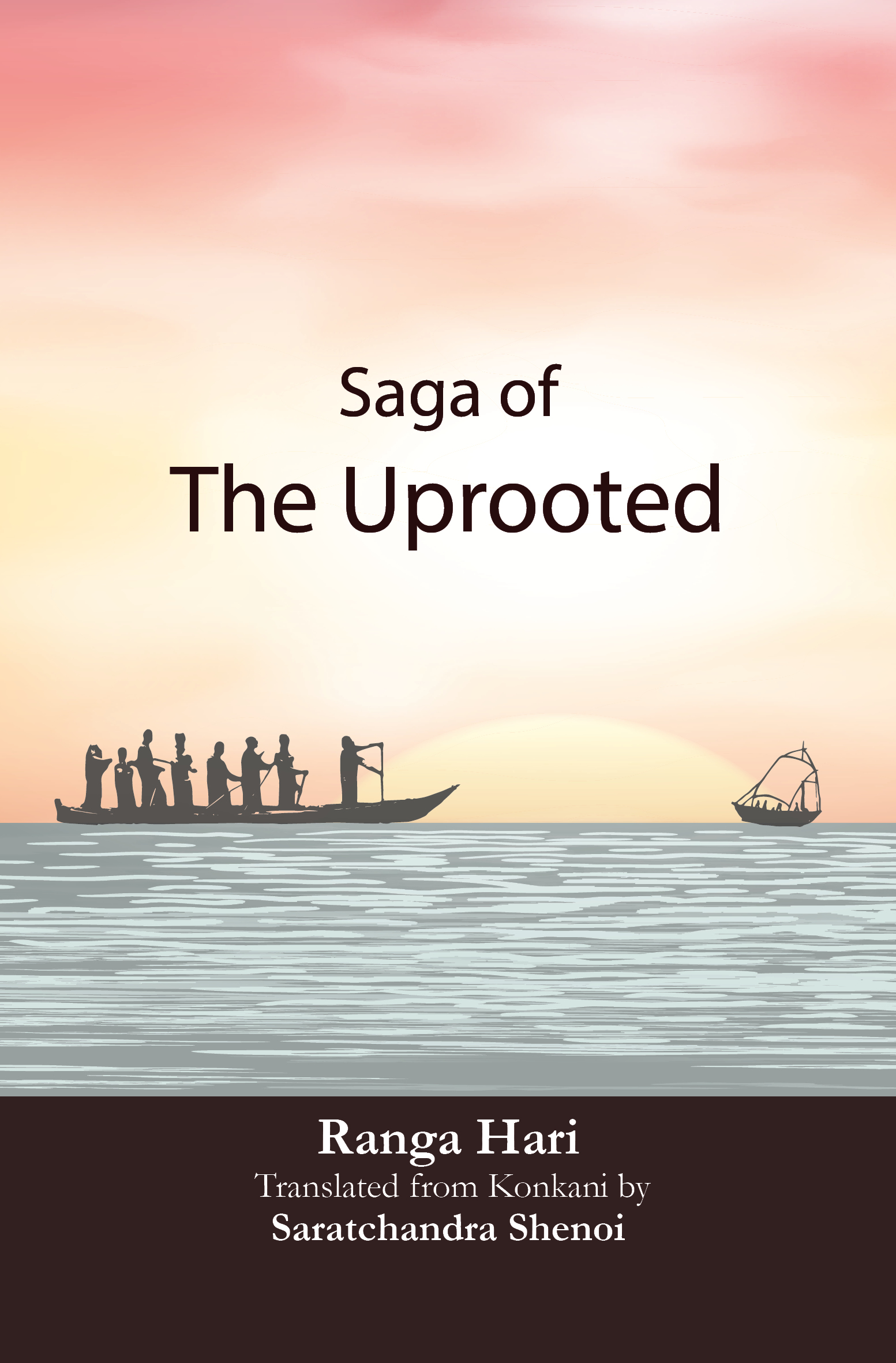
Saga of The Uprooted
₹95.00
Author: Ranga Hari, Translator: Saratchandra Shenoi
This English translation of Visthapanachi Katha, a Konkani Khanda Kavya, depicts the saga of the migration of the Konkani community from Goa to a land far away from home. This collection of poems encapsulates the reign of a colonial power over the region of Goa that began with the entry of the Portuguese in the 16th century. It illustrates the displacement of the Konkani people and their resurgence at Cochin port. The poems describe the transformation of Goa – both culturally and topographically – and the people of Goa who were plundered, displaced, uprooted, and were forced to strip off their culture and identity. The poet is unfolding the tale of his very own ancestors by tracing out these events and graphically portraying the plight of the Konkani people. Saratchandra Shenoi, the author of this English translation, is a multilingual translator and a Sahitya Akademi Award winning (Antarnad – 1999) Konkani poet based in Kochi. He has over twenty books to his credit which include collections of poetry, works of fiction and non-fiction, translations, edited anthologies and language guides. Ranga Hari is the author of the Konkani original text titled Visthapanachi Katha. He has written more than twenty-five books in different languages, and was associated with Bharatiya Sikshan Mandal and Vidya Bharati.
Interested readers may write to us at mup@manipal.edu about purchasing the book.

| Author | |
|---|---|
| Format |
Customer Reviews
There are no reviews yet.
Related products
-
Two Plays – The Sahyadri Saga and The World of Swayamvara
₹199.00Author: Akshara K V Translator: Jayanth Kodkani
These two plays negotiate with the real problems of contemporary India. If Sahyadri Kanda is about the ripples caused in the life of the people in a village on the Western Coast which will soon have a nuclear plant, Swayamvaraloka, is an allegorical narrative set in a small village that extends to include the larger contemporary world. Both the plays dwell on the seeming binaries of village-city, success-failure, modern-traditional while examining the nature of human relationships in the changing world. These plays also reflect an ambition to elevate the real experience to a mythical level. While most playwrights attempt to echo contemporary concerns by reinterpreting history and mythology, for these plays, the epics, their grandeur, the struggle, the wars are not episodes that happen in kingdoms and palaces and battlefields, they are also that which takes place in the microworld of one’s consciousness. Each character in these plays find their own dharma, yet it offers no model for the reader, and remains only a pointer to the complex process of finding it.
Interested readers may write to us at mup@manipal.edu about purchasing the book.
Also available on
eBook available on

-
Anurakte- The Enamoured
₹390.00Author: Vyasaraya Ballal Translator: Poornima Hebbar
There are many rags-to-riches stories around the city of Mumbai. However, here is a story of transformation of a woman and her true self in the city of dreams. Set in Mangalore and Mumbai of the late 1940s, Anurakte- The Enamoured is an elegantly written story of a woman and her changing worldview over a period of time. Sumithra, a young woman with ordinary dreams and aspirations, comes to the then Bombay in search of livelihood. Little did she know that her experiences in the city and her zest for an independent life would transform her into a different person. She breaks the shell and resolves not to look back. The book is a poignant tale of love, loss, betrayal, family, relationships and traditions. The culturescape of Mumbai beautifully intertwines with her dreams. It is as much a story of the vibrancy of Mumbai as it is about Sumithra’s journey towards freedom.
Interested readers may write to us at mup@manipal.edu about purchasing the book.
Also available on
-
Ati Sannakathe: Swarupa, Siddhi Mattu Sadhyate
₹160.00Author: T P Ashoka
ಕಲ್ಪನೆ ಎಂಬುದು ಸತ್ಯಕ್ಕಿಂತ ಹೆಚ್ಚು ಸತ್ಯ, ಕನಸು ಎಂಬುದು ವಾಸ್ತವಕ್ಕಿಂತ ಹೆಚ್ಚು ವಾಸ್ತವ ಎಂಬುದು ಅತಿ ಸಣ್ಣಕತೆಗಳು ನಮಗೆ ಮನದಟ್ಟು ಮಾಡಿಕೊಡುವಂತೆ ಕಾಣುತ್ತವೆ. ಹೆಚ್ಚಿನ ಅತಿ ಸಣ್ಣಕತೆಗಳು ವಾಸ್ತವವಾದೀ ಮಾರ್ಗವನ್ನು ಬಿಟ್ಟುಕೊಟ್ಟಿರುವುದಕ್ಕೆ ಪ್ರಾಯಶಃ ಇದೇ ಕಾರಣ. ವಿವರಣೆ-ವರ್ಣನೆಗಳ ಹಂಗು ಇಲ್ಲದಿರುವುದರಿಂದ ಸಂಕ್ಷಿಪ್ತತೆ ಮತ್ತು ಸಾಂದ್ರತೆಗಳು ಇವುಗಳ ಸಹಜ ಲಕ್ಷಣಗಳಾಗಿವೆ. ಅಂತರಂಗದ ಆಳವನ್ನು, ಅಮೂರ್ತವನ್ನು, ಸಾಂಕೇತಿಕವಾದುದದ್ದನ್ನು ಮತ್ತೊಂದೇ ಸ್ತರದಲ್ಲಿ ಗ್ರಹಿಸಿ ಅಭಿವ್ಯಕ್ತಿಸಲು ಲೇಖಕರಿಗೆ ಈ ಪ್ರಕಾರ ಹೇಳಿ ಮಾಡಿಸಿದಂತಿದೆ. ಹಾಗಾಗಿ ಜಗತ್ತಿನ ಎಲ್ಲ ಭಾಷೆಗಳ ದೊಡ್ಡ ಲೇಖಕರು, ದೀರ್ಘವಾದ ಕತೆ-ಕಾದಂಬರಿಗಳನ್ನು ಬರೆದವರನ್ನೂ ಸೇರಿಸಿಕೊಂಡು, ಈ ಪ್ರಕಾರದಲ್ಲಿ ಕೃಷಿಮಾಡಿದ್ದಾರೆ. ತುಂಬ ಸೂಕ್ಷ್ಮವಾದ, ನಾಜೂಕಾದ ಸಂಗತಿಗಳನ್ನು ಸೂಚ್ಯವಾಗಿ, ಕೆಲವೊಮ್ಮೆ ಪರೋಕ್ಷವಾಗಿ, ಇನ್ನೂ ಕೆಲವು ವೇಳೆ ಮುಚ್ಚಿಟ್ಟು ಹೇಳಲು ಈ ಪ್ರಕಾರವು ತನ್ನ ಸ್ವರೂಪದ ಕಾರಣದಿಂದಲೇ ಅನುವು ಮಾಡಿಕೊಡುತ್ತದೆ. ಇದು ಆಧುನಿಕ ಪೂರ್ವದ ದಂತಕತೆ, ನೀತಿಕತೆ, ದೃಷ್ಟಾಂತ ಕತೆಗಳ ಆಧುನಿಕ ರೂಪವಾಗಿ ಕಂಡರೂ ಆಶ್ಚರ್ಯವಿಲ್ಲ.”
Interested readers may write to us at mup@manipal.edu about purchasing the book.
Also available on
eBook available on
-
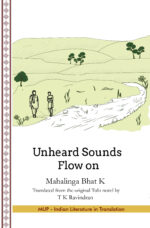
Unheard Sounds Flow On
₹315.00Author: K Mahalinga, Translator: T K Ravindran
In spite of being one of the oldest members of the Dravidian family of languages, Tulu, unfortunately, has not yet found the recognition that it richly deserves in the modern world. Since modernity privileges the written over the spoken, the Tulu language that is abundantly blessed with oral literature has been placed on the fringes of modern literary world. Ironically, Tulu is still engaged in a desperate fight for official status in a country that boasts of its cultural and linguistic diversity. The motives behind the translation of Nanajjer Sude Tirgayer, hailed as the first modern Tulu novel, into English refuse to remain apolitical in this context.
The novel, which has already been translated into Kannada, Konkani and Malayalam, beautifully captures the pulse of rusticity that characterizes the life of a village community that lived its life with its love-hate relationship with nature, more than 75 years ago in a Tulu speaking village in the south-western part of Karnataka. Besides bringing alive the socio-cultural practices that find their articulation through the natural linguistic plurality ingrained in the village psyche, the novel touches upon the duality of human nature that leaves man perennially condemned to an inner crisis.
Interested customers may write to us at mup@manipal.edu about purchasing the book.
Also available on
-
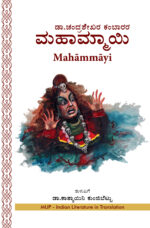
Mahāmmāyi
₹195.00Author: Chandrasekhara Kambara, Translator: Kathyayini Kunjibettu
Mahāmmāyi is the story of the legend of Shatavithaayi – the Goddess of death, and her adopted son Sambhashiva. Out of affection for her son, Goddess Shatavithaayi blesses him with the “power of life”. The blessing was that death will evade the people who are treated by Sambashiva. But a certain condition set by Shatavithaayi forbade him from healing every ill man. The condition was that, if Shatavithaayi stood on the right side of the patient, Sambhashiva could treat that person and he would live; but, if she stood on the left side of the patient, he should not treat that person as his death was inevitable. Through a distinct method of story-telling, the story follows the life of Sambhashiva as he begins to question the ideas of fate and destiny. Thus, the conflict between fate and human efforts to change that fate is vividly described in this play.Interested readers may write to us at mup@manipal.edu about purchasing the book.
Also available on
-
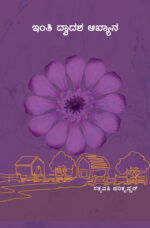
Inti Dvadasha Akhyana
₹120.00Author: Sathyavathi Harikrishnan
ಸತ್ಯವತಿ ಹರಿಕೃಷ್ಣನ್ ಹಾಸ್ಯಬರವಣಿಗೆಯಲ್ಲಿ ಸುಮಾರು ಎರಡು ದಶಕಗಳಿಂದ ತನ್ನನ್ನು ತೊಡಗಿಸಿಕೊಂಡಿರುವ ಕವಯಿತ್ರಿ. ಇವರ ಹಾಸ್ಯಲೇಖನಗಳು ತರಂಗ, ತುಷಾರ, ಮಯೂರ, ಕರ್ಮವೀರದಂಥ ನಿಯತಕಾಲಿಕಗಳಲ್ಲಿ, ಉದಯವಾಣಿ, ಪ್ರಜಾವಾಣಿ ಮುಂತಾದವುಗಳಲ್ಲಿಯೂ ಪ್ರಕಟಗೊಂಡಿವೆ. 2002ರಲ್ಲಿ ಡೆಟ್ರಾಯಿಟ್ ನಲ್ಲಿ ನಡೆದ “ಅಕ್ಕ” ವಿಶ್ವ ಕನ್ನಡ ಸಮ್ಮೇಳನದ ಸ್ಮರಣ ಸಂಚಿಕೆಯಲ್ಲಿ ಇವರ “ಗುಂಡ್ರಾಮನ ಚಿಕಿತ್ಸಾಯಣ’ ಎಂಬ ಕೃತಿ ಪ್ರಕಟವಾಗಿದೆ. ಸನ್ಮಾನ್ಯರಾದ ದೇಜಗೌ ಮತ್ತು ಜಿಟಿನಾರವರ ಸಂಪಾದಕತ್ವದಲ್ಲಿ ಪ್ರಕಟವಾದ “ಪುಸ್ತಕ ಪ್ರಪಂಚ’ದಲ್ಲಿ ಇವರ ಅನುವಾದಿತ ಲೇಖನಗಳು ಪಡಿಮೂಡಿವೆ. “ಕುಂಬಾಸ’, “ನುಗ್ಗೇಹಳ್ಳಿ ಪಂಕಜ’ವೇ ಮೊದಲಾದ ಪ್ರಶಸ್ತಿಗಳನ್ನು ಪಡೆದಿರುವ ಸತ್ಯವತಿಯವರು ಈಗಾಗಲೇ ಐದು ಹಾಸ್ಯ ಸಂಕಲನಗಳನ್ನು ರಚಿಸಿದ್ದಾರೆ. ಅವರ ಆರನೆಯ ಹಾಸ್ಯ ಸಂಕಲನವೇ – “ಇಂತಿ ದ್ವಾದಶ ಆಖ್ಯಾನ’. ಹಾಸ್ಯದಲ್ಲಿ ಅಪಹಾಸ್ಯ, ತಿಳಿಹಾಸ್ಯ, ವ್ಯಂಗ್ಯ ಮುಂತಾದ ಪ್ರಭೇದಗಳಿವೆ. ವ್ಯಂಗ್ಯಮಿಶ್ರಿತವಾದ ತಿಳಿಹಾಸ್ಯ ಒಂದೇ ಕಾಲದಲ್ಲಿ ಎರಡು ಉದ್ದೇಶಗಳನ್ನು ಹೊಂದಿರುತ್ತವೆ. ಅದು ಮೇಲ್ನೋಟಕ್ಕೆ ಮನೋರಂಜನೆಯಾಗಿ ಕಂಡರೂ, ಅದರ ಇಂಗಿತ ಓದುಗರನ್ನು ಗಂಭೀರ ಚಿಂತನೆಗೆ ತೊಡಗುವಂತೆ ಮಾಡುವುದಾಗಿರುತ್ತದೆ. ವ್ಯಕ್ತಿಯನ್ನು ನೋಯಿಸದೇ ಲಘುಹಾಸ್ಯ-ವ್ಯಂಗ್ಯಗಳಿಂದ ಸ್ವವಿಮರ್ಶೆ ಮಾಡಿಕೊಳ್ಳುವಂತೆ ಪ್ರೇರೇಪಿಸುವುದು ಹಾಸ್ಯದ ಕಲಾತ್ಮಕ ಪ್ರಕ್ರಿಯೆ. ಶ್ರೀಮತಿ ಸತ್ಯವತಿಯವರ ಈ ಕೃತಿಯಲ್ಲಿ ಇಂತಹ ಒಂದು ಪ್ರಯತ್ನವನ್ನು ನಾವು ಕಾಣಬಹುದು. “ಇಂತಿ ದ್ವಾದಶ ಆಖ್ಯಾನ’ದಲ್ಲಿ ಹನ್ನೆರಡು ವೈವಿಧ್ಯಮಯ ಸಣ್ಣ ಹಾಸ್ಯಲೇಖನಗಳಿವೆ. ಸತ್ಯವತಿಯವರು ನಮ್ಮ ಜೀವನದ ಸಾಮಾನ್ಯ ಘಟನೆಗಳನ್ನೇ ರಂಗುರಂಗಾಗಿ ತಿಳಿಹಾಸ್ಯದ ಮೂಲಕ ಈ ಕೃತಿಯಲ್ಲಿ ತೋರಿಸಿದ್ದಾರೆ. ಕಾಲ್ಪನಿಕ ಘಟನೆಗಳಲ್ಲಿ ಹಾಸ್ಯದ ಪಾತ್ರಗಳನ್ನು ಸೃಷ್ಟಿಸಿ, ಗಂಭೀರ ವಿಚಾರಗಳನ್ನು ಮನಮುಟ್ಟುವಂತೆ ನಿರೂಪಿಸುವ ಲೇಖಕಿಯ ಶೈಲಿಯು ಅಪೂರ್ವವಾದದ್ದು. ಪ್ರತಿ ಕತೆಯ ಶೀರ್ಷಿಕೆಯಲ್ಲೇ ಹಾಸ್ಯ ತುಂಬಿರುವ ಈ ಕೃತಿಯು ಓದುಗರನ್ನು ನಗಿಸುವಲ್ಲಿ ಯಶಸ್ವಿಯಾಗುತ್ತದೆ.
Interested customers may write to us at mup@manipal.edu about purchasing the book.
Also available on
-
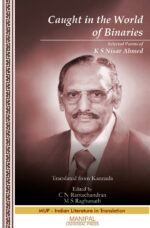
Caught in the World of Binaries: Selected Poems of K S Nisar Ahmed
₹310.00Author: K S Nisar Ahmed Editors: C N Ramachandran, M S Raghunath
Professor K S Nisar Ahmed (b 1936) is a geologist by profession and a major writer in Kannada. His first collection of poems, Manasu Gandhi Bazar (My Mind is like Gandhi Bazar) was published in 1960, and since then he has published poetry (15 collections), prose (five collections), and translations from Shakespeare and Neruda. He has been honoured with many awards, including ‘Padmashri’, Honorary D Litt (Kuvempu University), and Pampa Prashasti (Karnataka Government). Living between two languages and two cultures, Prof. Nisar has successfully achieved the balance necessary for the tight-rope walking as a poet. He believes that, “Only when you understand another religion (or culture or language), you really understand your own religion (or culture or language).” The present volume of 100 selected poems exhibits the multifaceted poetry of Nisar that reflects his creative pluralism. The 13 translators of the poems in this volume include A K Ramanujan, V K Gokak and Tejaswini Niranjana.
Interested readers may write to us at mup@manipal.edu about purchasing the book.
Also available on
-
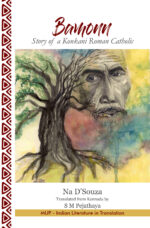
Bamonn: Story of a Konkani Roman Catholic
₹255.00Author: Na D’Souza Translator: S M Pejathaya
Konkani Roman Catholic Christians were converted from other groups by Goan Missionaries long back, keeping the caste system tradition to a large extent in layers such as the Bamonn, the Charodi, the Gawdi, the Nendar, the Shudra, etc. At the time of marriages and other social gatherings they continue to consider caste system norms and customs in the community. Caste system in Indian Christians is vividly described in the novel Bamonn. Christopher Pai of Kalyanpura hails from a Bamonn family and takes great pride in his ancestry. He believes in the stories about his Konkani Roman Catholic ancestors from his elders and about their being true Christians, holding on to their faith despite tremendous pressure to convert to Islam during Tipu Sultan’s regime. He also believes Bamonns are superior to other Christians in the community. After retiring from his job of a Headmaster, he refuels his obsession to retrace his roots and find out the truth about his ancestors. In his journey of self-assurance and faith, will he succeed in his mission to convince his family, his children and the community at large of his glorious ancestry and in still pride in the next generation? . . .
Interested readers may write to us at mup@manipal.edu about purchasing the book.
Also available on
Be the first to review “Saga of The Uprooted”
You must be logged in to post a review.