
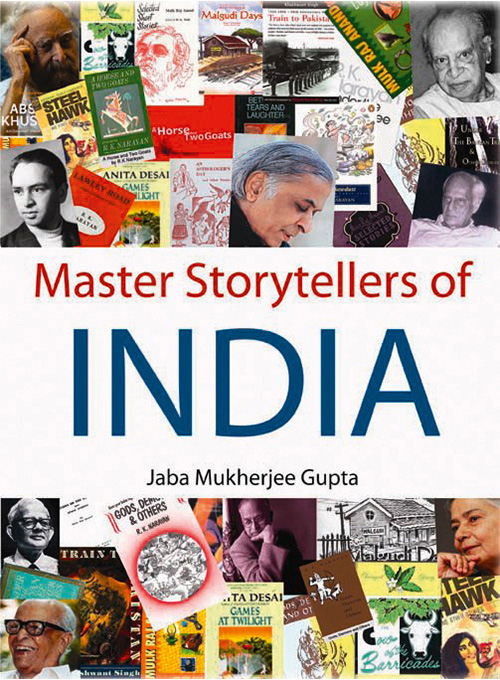
Master Storytellers of India
₹220.00
Master Storytellers of India is a close study of miniatures in Indian English literature – miniatures from life that have the power to light up a face with a smile and touch hearts. It is a critical study of the short stories of seven major Indo-Anglian short story writers of India and traces the beginnings of short story writing in India, the influences on the writers, the themes used and the techniques employed in writing the short story in English. The primary objective of the study is to identify thematic similarities in the stories and study the various techniques used to present the themes. The broader purpose is to showcase the varied hues of life portrayed in Indian English literature.
Interested customers may write to us at mup@manipal.edu about purchasing the book.
Also available on |
Out of stock
Customer Reviews
There are no reviews yet.
Related products
-
Internationalization of Higher Education: The Dynamics of Educational Ecology
₹500.00Editors: H Vinod Bhat, Neeta InamdarThe mobility of scholars seeking knowledge has been a part of the university ideal for centuries. History holds testimony to the fact that these mobilities have also altered the lives of people in different regions. Universities have played a pivotal role in the movement of people across borders and the resultant transformation of societies due to transcultural interactions.In this book, the editors have brought together ideas on the changing dynamics of these mobilities of scholars and the interconnectedness of higher education institutions in today’s world. An attempt is also made to record the implications of these international collaborations in knowledge generation and dissemination within the educational ecology. The notion of educational ecology is explored through the articles in the book to comprehend the power play that exists in the dimension and the direction of internationalization of higher education. All this is done with the hope that the opening up of education to global opportunities may, over a period of time, lead to equitable distribution of opportunities worldwide.Interested readers may write to us at mup@manipal.edu about purchasing the book.
International Edition available on 
South Asia Edition available on -
Christa Shaka 1800 Ra Modalina Mysooru ithihaasa
₹295.00Author: D S Achuta Rao Translator: S Narendra Prasad
೧೮೦೦ ಕ್ರಿ. ಶ. ದ ಹಿಂದಿನ ಮೈಸೂರು ಇತಿಹಾಸವು ಪ್ರೊ. ಡಿ ಎಸ್ ಅಚ್ಯುತ ರಾವ್ ಅವರ ಜೀವನ ಮತ್ತು ಕೆಲಸದ ಬಗ್ಗೆ. ಮೈಸೂರು ಇತಿಹಾಸದ ಕುರಿತಾದ ಅವರ ಸಂಶೋಧನೆಯು 1940-65ರ ಅವಧಿಯಲ್ಲಿ ಅವರು ಪ್ರಕಟಿಸಿದ ಹತ್ತು ಸೂಚ್ಯಂಕ ಲೇಖನಗಳಿಂದ ಪ್ರತಿನಿಧಿಸುತ್ತದೆ. ಅವರು ಭಾರತದ ಇತಿಹಾಸ ಮತ್ತು ಅದರ ಅದ್ಭುತ ಭೂತಕಾಲವನ್ನು ಸಕ್ರಿಯವಾಗಿ ಜನಪ್ರಿಯಗೊಳಿಸಿದರು. ಮಹಾರಾಜಾಸ್ ಕಾಲೇಜ್ ಹಿಸ್ಟರಿ ಸೊಸೈಟಿ, ಭಾರತದ ವಸಾಹತು ಸಂಶೋಧಕರು ಮತ್ತು ಕನ್ನಡ ವಿಶ್ವಕೋಶದಲ್ಲಿ ಮೈಸೂರು ಸರ್ಕಾರದ ಉಪಕ್ರಮದಿಂದ ಭಾರತೀಯ ಇತಿಹಾಸದಲ್ಲಿ ಉಪಕ್ರಮಗಳನ್ನು ಪ್ರಸ್ತುತಪಡಿಸುವುದರಿಂದ ಅಂತಹ ಮೂರು ಲೇಖನಗಳನ್ನು ಸೇರಿಸಲಾಗಿದೆ. ಎರಡನೇ ಭಾಗದಲ್ಲಿ ಅವರ ಜೀವನಚರಿತ್ರೆಯಲ್ಲಿ, ಅವರ ವಿದ್ಯಾರ್ಥಿಗಳು ಮತ್ತು ಮಕ್ಕಳು ಶಿಕ್ಷಕ ಮತ್ತು ತಂದೆಯಾಗಿ ಅವರ ಜೀವನದ ಬಗ್ಗೆ ಬರೆದಿದ್ದಾರೆ, ಅವರ ಅವಧಿಯ ಸಂದರ್ಭವನ್ನು ಒದಗಿಸಿದ್ದಾರೆ. ಪುಸ್ತಕವು ಕಳೆದ ಶತಮಾನದ ಮಧ್ಯದಲ್ಲಿ ಇತಿಹಾಸ ಸಂಶೋಧನೆಗೆ ಆಸಕ್ತಿದಾಯಕ ವಿಂಡೋವನ್ನು ಪ್ರಸ್ತುತಪಡಿಸುತ್ತದೆ.
Interested readers may write to us at mup@manipal.edu about purchasing the book.
Also available on
-
Ayurvedic Inheritance- A Reader’s Companion
₹650.00Author: M S Valiathan
In ancient India, learning spanned four quarters of one’s life. Learning was sought from the teacher, from one’s individual effort, from fellow students and in the last quarter, from the school of life itself. This book belongs to the third quarter for students of Ayurveda regardless of their background in medicine, science, or humanities. Apart from topics in the eight branches of Ayurveda, the book also deals with Ayurvedic Biology which seeks to study the concepts and procedures of Ayurveda with the tools of modern biology. M S Valiathan is a National Research Professor of the Government of India. He is a medical graduate from the University of Kerala and completed his postgraduate training in general surgery from the University of Liverpool and other hospitals in the UK. He did his specialisation in cardiac surgery from the Johns Hopkins and Georgetown University Hospitals in the US. He was a cardiac surgeon for over three decades. His shift to Ayurvedic studies resulted in the publication of three volumes on Caraka, Susruta and Vagbhata, and an Introduction to Ayurveda. The Department of Science and Technology set up a Task Force in Ayurvedic Biology under his chairmanship to promote research in the nascent discipline.
Interested readers may write to us at mup@manipal.edu about purchasing the book.
International Edition available on South Asia Edition available on
-
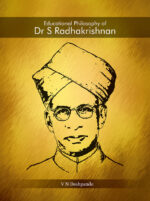
Educational Philosophy of Dr S Radhakrishnan
₹495.00Author: V N Deshpande
Educational Philosophy of Dr S Radhakrishnan effectively presents Radhakrishnan’s thoughts, highlighting their relevance to the present day. The author has at length discussed Indian Philosophy in comparison with the Western thought and successfully established that the East-West synthesis as propagated by Radhakrishnan is the need of the hour. The readers will also get an account of Radhakrishnan’s life story in the backdrop of the political history of pre and post-Independent India. This book is Dr V N Deshpande’s posthumous publication.
Interested readers may write to us at mup@manipal.edu about purchasing the book.
Also available on
-
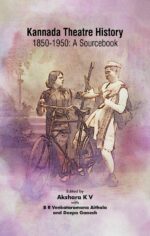
Kannada Theatre History 1850-1950: A Sourcebook
₹250.00Edited by: Akshara K V with
This source book on Kannada theatre history is a valuable contribution to the larger field of Indian Theatre Studies. Avoiding the shortcuts of an overview or a Wikipedia-like assemblage of information, it delves into the lives, histories, struggles, debates and anecdotes surrounding some of the most pioneering figures in the shaping of Kannada theatre between 1850-1950. The selection of primary sources, most of which are being made available in English for the first time, is nothing short of a revelation in the way it illuminates insights into the actual making and thinking of theatre practice. Here we have a model of how the construct of ‘Indian Theatre’ can be textured, inflected, individuated and problematized at regional, local and intracultural levels. Rustom Bharucha .This book is a labour of love by scholars who not only love Kannada theatre, but want to pass on their enjoyment of it. Delving deep into folklore oral history, local history, gossip debate and discourse, the editors bring out the world of Kannada theatres in pluralistic terms. Scholarship and playfulness combine to create a powerful act of storytelling where the book itself mimics the career of Kannada theatre. As an anthology it becomes an initiation rite, an introduction to all the great figures, not as hagiography but as nuanced analysis. Big questions and little questions combine to create both a sense of combativeness and a wonderful feeling of homecoming. Like tricksters, they break the binaries of tradition and modernity, treating it almost like a bad play which needs new scripts and new performers. A wonderful anthology. A deeply desi book, with all the cosmopolitanism of world theatre.
Interested readers may write to us at mup@manipal.edu about purchasing the book.
Also available on
-
The Practice of Geopolitics
₹850.00Author: M D Nalapat
Intended to be a Practioner’s Guide to Geopolitics, the book provides a look into the thought processes that generate correct and timely analysis of global events. Geopolitics needs to weave within its analytical grasp economics, society, strategy and even culture, as the science deals with overall national capabilities as well as the mutal synergy and frictions between nations. Although a broad range of subjects has been covered in the book, each is anchored in the ground reality of events having a profound impact on the lives of citizens and on world events. The growing interconnectedness of the globe has resulted in a need to do away with the popular west centric models of international relations and to view events not through that single prism but from a holistic viewpoint that accepts the relevance and maturity of different histories and geographies. What the book provides is an alternative Weltanschauung to the dominant models of geopolitical analysis, so that the science is enabled to cross beyond the narrow boundaries which have confined. The scope and applicability of its analysis. The rise of Asia needs a geopolitical vision unique to the continent, and this is what has been provided by Professor Nalapat.
Interested readers may write to us at mup@manipal.edu about purchasing the book.
Also available on
-
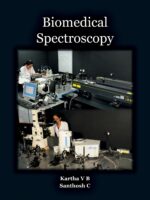
Biomedical Spectroscopy
₹2,950.00Author: Santhosh C, Vasudevan Baskaran Kartha
Biomedical spectroscopy is the output of the intensive discussions of the authors and the medical professionals of Kasturba Medical College, Manipal University. The ?Centre for Laser Spectroscopy?, a centre for developing biomedical applications of laser spectroscopic methods, was established at Manipal University in 1997. The scientists of the Centre, together with the physicians, surgeons, and pathologists of the KMC, initiated a number of research programs in this area. The main aim of the Centre was to develop spectroscopic methods for early detection, screening, monitoring therapy and identification of disease markers, with special emphasis on various cancers, so that these techniques can be applied for routine healthcare applications. Outcome of these research activities are covered in the book. A common platform of information can provide a more open communication enabling faster and better evolution of the spectroscopic methods for biomedical applications.
Interested readers may write to us at mup@manipal.edu about purchasing the book.
International Edition available on 
South Asia Edition available on -
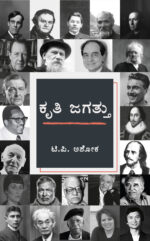
Kriti Jagattu
₹310.00Author: T P Ashok
ಪ್ರೊ. ಟಿ. ಪಿ. ಅಶೋಕ ಅವರ ಇತ್ತೀಚಿನ ಕೃತಿ ಕೃತಿ ಜಗತ್ತು ಇಪ್ಪತ್ತಾರು ಪ್ರಬಂಧಗಳನ್ನು ಒಳಗೊಂಡ ಪುಸ್ತಕವಾಗಿದ್ದು, ವಿವಿಧ ದೇಶಗಳು, ಭಾಷೆಗಳು, ಸಂಪ್ರದಾಯಗಳು, ಪ್ರಕಾರಗಳು ಇತ್ಯಾದಿಗಳಿಗೆ ಸಂಬಂಧಿಸಿದ ಕೃತಿಗಳನ್ನು ಪರಿಚಯಿಸುವ, ವಿಶ್ಲೇಷಿಸುವ, ವಿಮರ್ಶಿಸುವ ಮತ್ತು ಸ್ಪಷ್ಟಪಡಿಸುವ ಮತ್ತು ಸಾಹಿತ್ಯದ ಒಂದು ನೋಟವನ್ನು ನೀಡುತ್ತದೆ. ಇಡೀ ಪ್ರಪಂಚ. ಪ್ರಬಂಧಗಳು ಸಾಮಾಜಿಕ, ಸಾಂಸ್ಕೃತಿಕ ಮತ್ತು ರಾಜಕೀಯ ಘಟನೆಗಳಿಗೆ ಮತ್ತು ಕಳೆದ ಐನೂರು ವರ್ಷಗಳಲ್ಲಿ ನೈತಿಕ, ಮಾನಸಿಕ ಮತ್ತು ಆಧ್ಯಾತ್ಮಿಕ ಬಿಕ್ಕಟ್ಟುಗಳಿಗೆ ಪ್ರಪಂಚದಾದ್ಯಂತದ ಶ್ರೇಷ್ಠ ಬರಹಗಾರರ ಪ್ರತಿಕ್ರಿಯೆಯನ್ನು ಪರಿಣಾಮಕಾರಿಯಾಗಿ ಪ್ರಸ್ತುತಪಡಿಸುತ್ತವೆ. ಈ ಕೃತಿ ಪ್ರಪಂಚವು ಕನ್ನಡ ಸಾಹಿತ್ಯ ಪ್ರಪಂಚದೊಂದಿಗೆ ಸಂಬಂಧವನ್ನು ಸ್ಥಾಪಿಸುತ್ತದೆ ಮತ್ತು ಆದ್ದರಿಂದ ಪುಸ್ತಕದ ವಿಶೇಷ ಮಹತ್ವವನ್ನು ಹೊಂದಿದೆ.
Interested readers may write to us at mup@manipal.edu about purchasing the book.
Also available on
Be the first to review “Master Storytellers of India”
You must be logged in to post a review.