
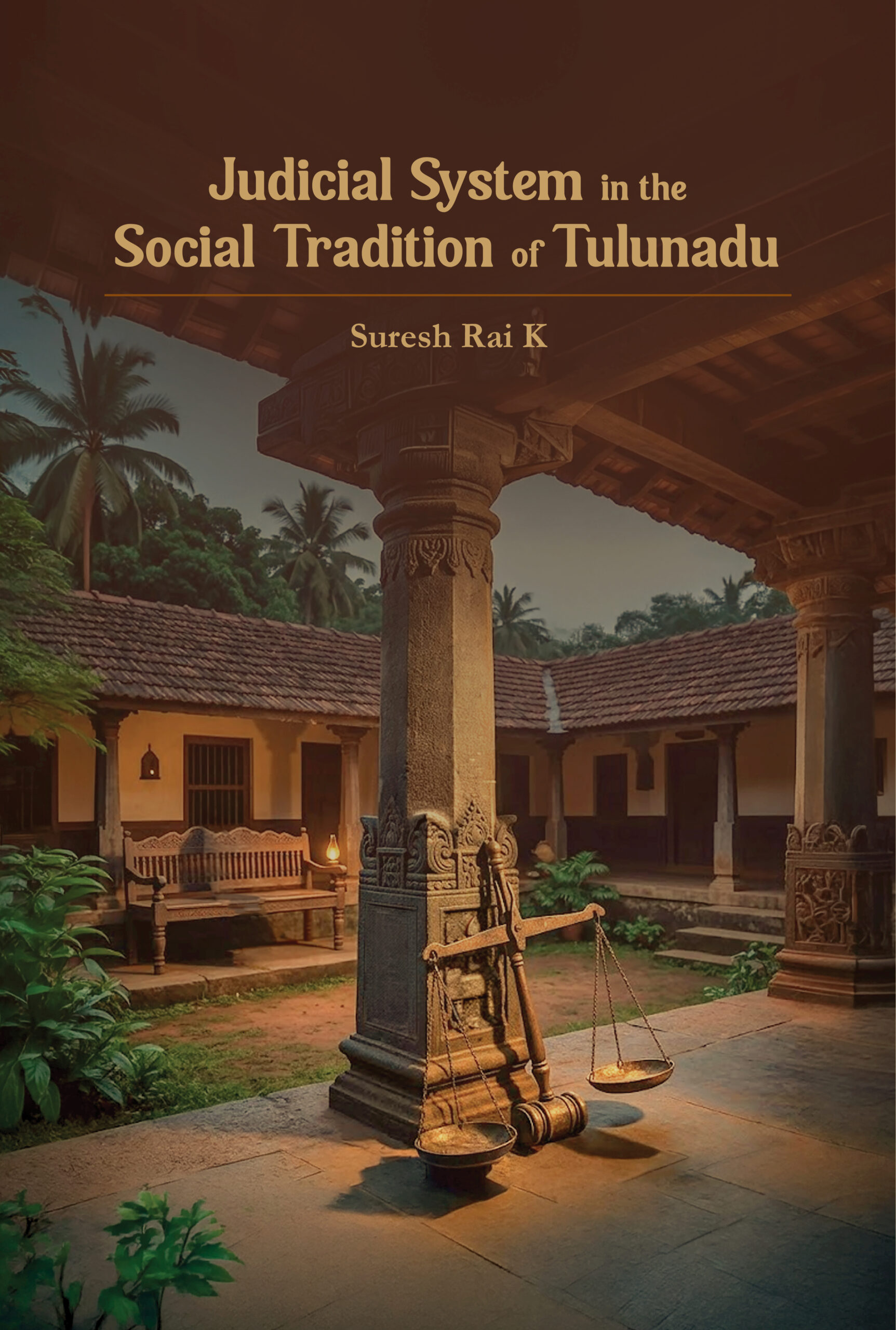
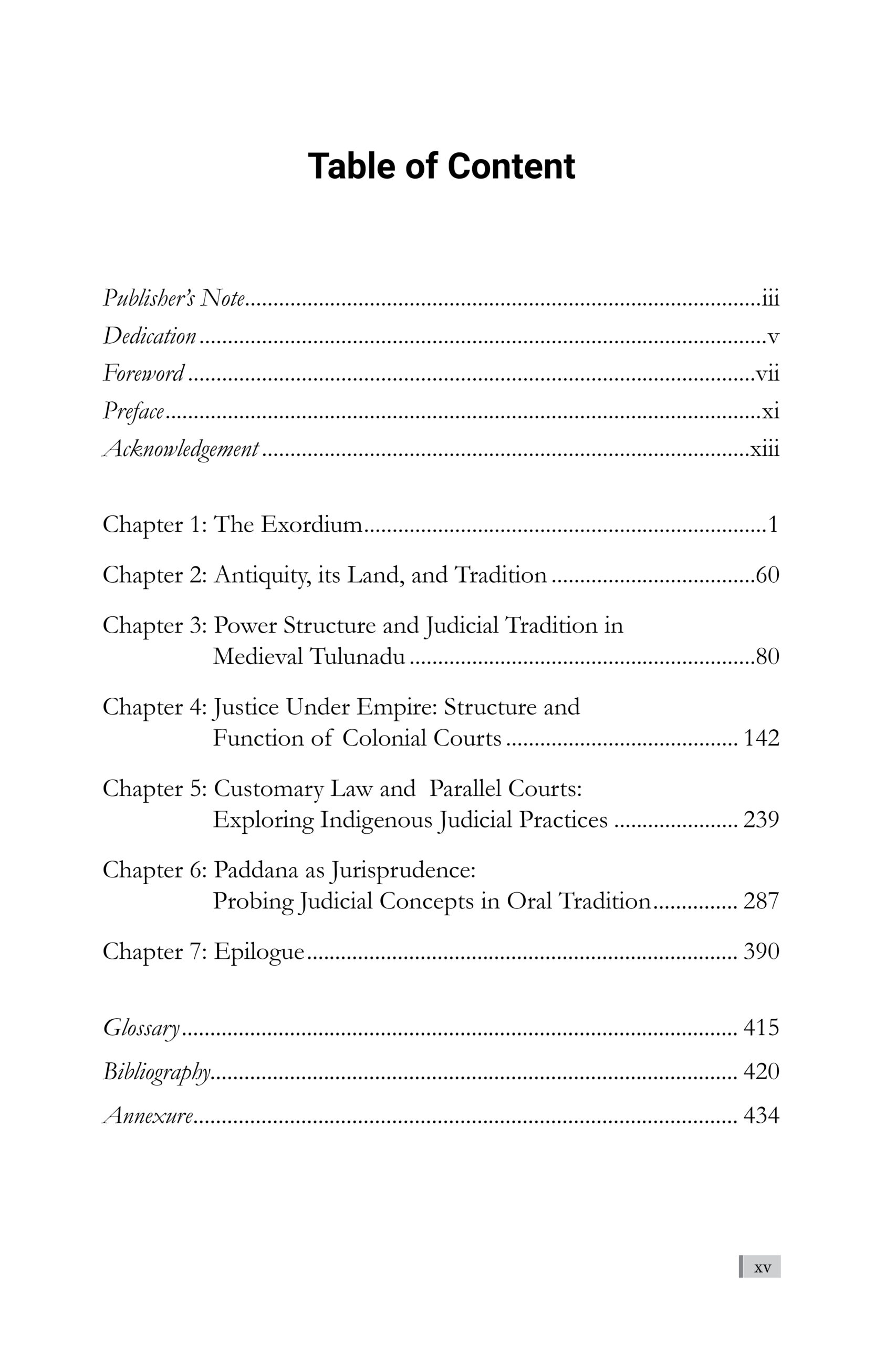

Judicial System in the Social Tradition of Tulunadu
₹600.00
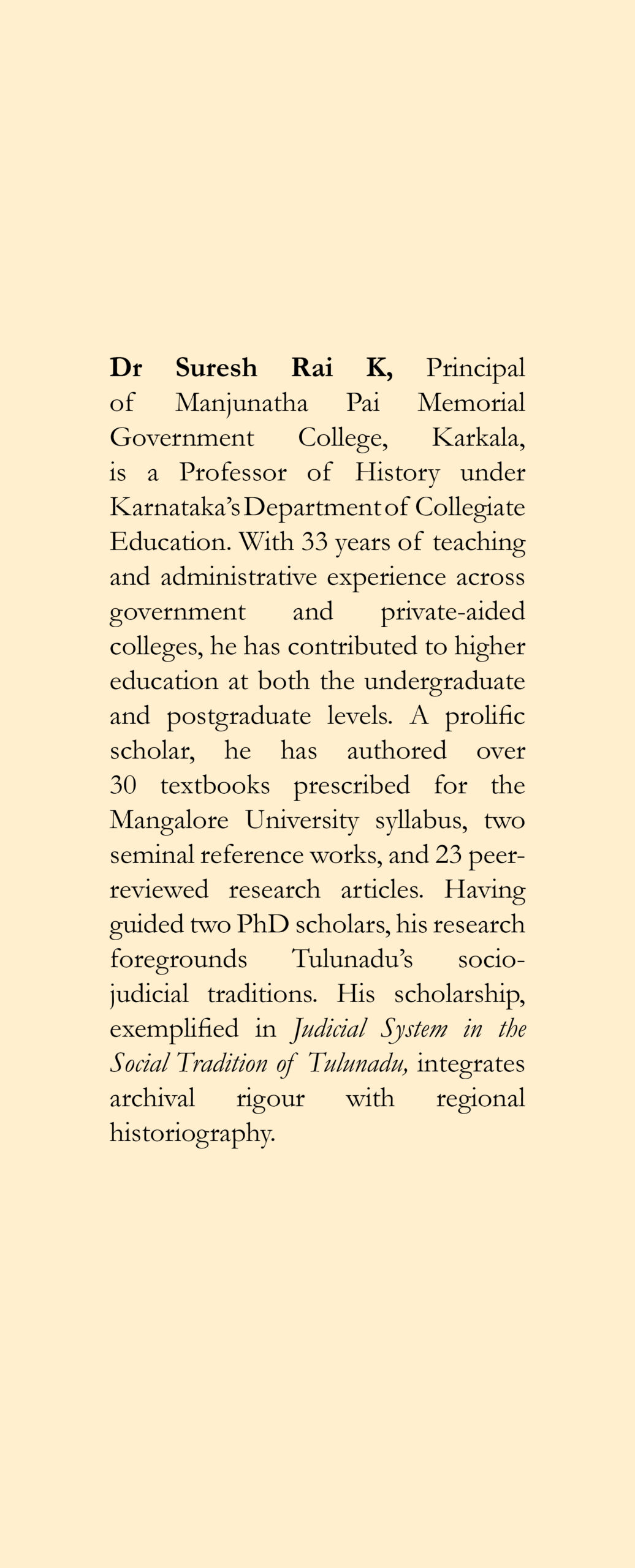
Author: Suresh Rai K
The unique cultural heritage of Tulunadu is reflected in its historical approach to justice, deeply rooted in spiritual beliefs and social hierarchy. Though no longer dominant, this system continues to hold cultural value, offering insight into the region’s traditions and community dynamics. The coexistence of traditional and modern justice systems reveals how dispute-resolution mechanisms evolve, adapting to contemporary times while retaining cultural roots.
The concept of ‘justice’ in Tulunadu, as elsewhere, has historically been shaped by political, social, religious, and cultural influences. These forces have played a significant role in defining what constitutes justice, often reflecting the dominant power structures and societal norms. The conceptual rubric of ‘justice’ is contextual in nature and not objective or absolute. Justice is inclined towards individual interests, raising central questions of ‘whose justice?’ and ‘justice to whom?’ ‘Whose justice?’ is answered by identifying whose side the witnesses stand on, while ‘justice to whom?’ is guided by the strongest party able to manoeuvre witnesses to their side. It is thus difficult for any judicial system to operate objectively. Objectivity is a novel dream or a majestic mirage, an aspirational ideal, as individual perspectives and biases inevitably influence our perception of reality.
Interested customers may write to us at mup@manipal.edu about purchasing the book.
|
Also available on |
| Format |
|---|
Customer Reviews
There are no reviews yet.
Related products
-
Christa Shaka 1800 Ra Modalina Mysooru ithihaasa
₹295.00Author: D S Achuta Rao Translator: S Narendra Prasad
೧೮೦೦ ಕ್ರಿ. ಶ. ದ ಹಿಂದಿನ ಮೈಸೂರು ಇತಿಹಾಸವು ಪ್ರೊ. ಡಿ ಎಸ್ ಅಚ್ಯುತ ರಾವ್ ಅವರ ಜೀವನ ಮತ್ತು ಕೆಲಸದ ಬಗ್ಗೆ. ಮೈಸೂರು ಇತಿಹಾಸದ ಕುರಿತಾದ ಅವರ ಸಂಶೋಧನೆಯು 1940-65ರ ಅವಧಿಯಲ್ಲಿ ಅವರು ಪ್ರಕಟಿಸಿದ ಹತ್ತು ಸೂಚ್ಯಂಕ ಲೇಖನಗಳಿಂದ ಪ್ರತಿನಿಧಿಸುತ್ತದೆ. ಅವರು ಭಾರತದ ಇತಿಹಾಸ ಮತ್ತು ಅದರ ಅದ್ಭುತ ಭೂತಕಾಲವನ್ನು ಸಕ್ರಿಯವಾಗಿ ಜನಪ್ರಿಯಗೊಳಿಸಿದರು. ಮಹಾರಾಜಾಸ್ ಕಾಲೇಜ್ ಹಿಸ್ಟರಿ ಸೊಸೈಟಿ, ಭಾರತದ ವಸಾಹತು ಸಂಶೋಧಕರು ಮತ್ತು ಕನ್ನಡ ವಿಶ್ವಕೋಶದಲ್ಲಿ ಮೈಸೂರು ಸರ್ಕಾರದ ಉಪಕ್ರಮದಿಂದ ಭಾರತೀಯ ಇತಿಹಾಸದಲ್ಲಿ ಉಪಕ್ರಮಗಳನ್ನು ಪ್ರಸ್ತುತಪಡಿಸುವುದರಿಂದ ಅಂತಹ ಮೂರು ಲೇಖನಗಳನ್ನು ಸೇರಿಸಲಾಗಿದೆ. ಎರಡನೇ ಭಾಗದಲ್ಲಿ ಅವರ ಜೀವನಚರಿತ್ರೆಯಲ್ಲಿ, ಅವರ ವಿದ್ಯಾರ್ಥಿಗಳು ಮತ್ತು ಮಕ್ಕಳು ಶಿಕ್ಷಕ ಮತ್ತು ತಂದೆಯಾಗಿ ಅವರ ಜೀವನದ ಬಗ್ಗೆ ಬರೆದಿದ್ದಾರೆ, ಅವರ ಅವಧಿಯ ಸಂದರ್ಭವನ್ನು ಒದಗಿಸಿದ್ದಾರೆ. ಪುಸ್ತಕವು ಕಳೆದ ಶತಮಾನದ ಮಧ್ಯದಲ್ಲಿ ಇತಿಹಾಸ ಸಂಶೋಧನೆಗೆ ಆಸಕ್ತಿದಾಯಕ ವಿಂಡೋವನ್ನು ಪ್ರಸ್ತುತಪಡಿಸುತ್ತದೆ.
Interested readers may write to us at mup@manipal.edu about purchasing the book.
Also available on

-
Biomedical Spectroscopy
₹2,950.00Author: Santhosh C, Vasudevan Baskaran Kartha
Biomedical spectroscopy is the output of the intensive discussions of the authors and the medical professionals of Kasturba Medical College, Manipal University. The ?Centre for Laser Spectroscopy?, a centre for developing biomedical applications of laser spectroscopic methods, was established at Manipal University in 1997. The scientists of the Centre, together with the physicians, surgeons, and pathologists of the KMC, initiated a number of research programs in this area. The main aim of the Centre was to develop spectroscopic methods for early detection, screening, monitoring therapy and identification of disease markers, with special emphasis on various cancers, so that these techniques can be applied for routine healthcare applications. Outcome of these research activities are covered in the book. A common platform of information can provide a more open communication enabling faster and better evolution of the spectroscopic methods for biomedical applications.
Interested readers may write to us at mup@manipal.edu about purchasing the book.
International Edition available on 
South Asia Edition available on -
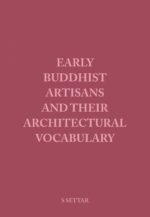
Early Buddhist Artisans and their Architectural Vocabulary
₹1,600.00Author: S Settar
The early Buddhist architectural vocabulary, being the first of its kind, maintained its monopoly for about half a millennium, beginning from the third century BCE. To begin with, it was oral, not written. The Jain, Hindu, and other Indian sectarian builders later developed their vocabulary on this foundation, though not identically. An attempt is made here to understand this vocabulary and the artisans who first made use of it.
In the epigraphic ledger, the first reference to the mythical creator of the universe, the Visvakarma (Visakama), is made on the thupas at Sanchi and Kanaganahalli; the earliest excavators of cave temples, comprising five specialists – selavdhaki, nayikamisa, kadhicaka, mahakataka and mithaka – as well as a team of master-architects and supervisors, called the navakamis, appear at Kanheri. Besides these, there were also others called avesanis, atevasinas, acaryas, and upajjhayas all over the Buddhist world. The list does not end with these, because there were yet others called vadhakis (carpenters), seli-vadhakis (stonecutters), sela-rupakas (stone sculptors), mithakas (polishers), and so on. All these artisans who have recorded their life stories on the stone surface are identified, and their professional contributions evaluated here for the first time.
Interested readers may write to us at mup@manipal.edu about purchasing the book.
International Edition available on

South Asia Edition available on
-
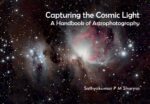
Capturing the Cosmic Light – A Handbook of Astrophotography
₹670.00Author: Sathyakumar P M Sharma
The Handbook of Astrophotography is the first book dedicated to Astronomical Imaging through modest equipment, and the first to be published in India. It is a chronicle of the techniques learnt and employed by the author and is by no means proprietary. It is assumed that the reader is equipped with the basic knowledge to use a digital camera. After showing the many methods to capture the Cosmos, the book shows how to process these images. It is designed to be a handbook and not a user manual. The author hopes that the reader will be confident in astronomical imaging and develop his/her own techniques after reading the book. Sathyakumar started Astrophotography in January 2006 with a homemade wooden star-tracking mount and a camera borrowed from a friend. He later used his homemade Newtonian reflector telescope and an inexpensive digital camera to capture photos of the Moon. With an MSc in Aerospace engineering from the University of Salford, Manchester, he joined Opticstar Ltd, as a design engineer. There he was trained on the latest of astronomical instruments available for the amateur astrophotographer and eventually purchased the Celestron C8 Schmidt cassegrain telescope and the CG-5 Equatorial mount. Currently, he uses a GSO 6 inch RC telescope and an HEQ5-PRO computerized mount as well as an Orion 80ED Apochromatic telescope for astrophotography. He also owns an Astrotrac to take wide field vistas of the Cosmos. He is now employed as a Scientific Officer at Karnataka Science and Technology Promotion Society, Department of Science and Technology, Govt. of Karnataka.
Interested readers may write to us at mup@manipal.edu about purchasing the book.
Also available on
-
Culture and Creativity: Selected Writings of N Manu Chakravarthy
₹450.00Author: Manu Chakravarthy Editor: Unni Krishnan Karikkat
Culture and Creativity is a collection of essays of N Manu Chakravarthy, a prominent culture critic known for his discourses on music, cinema, literature and several aspects of culture and philosophy. This book illustrates the intellectual and ethical perspectives that shape his discussions on wide range of issues. These discussions are reflective of the inspiration he draws from his father Prof G N Chakravarthy and his teachers Prof C D Narasimhaiah, Prof U R Ananthamurthy, and Prof B Damodara Rao. The ideas of Ivan Illich and Noam Chomsky, and his friend D R Nagaraj are also instrumental in framing the critical nature of his interpretations. The essays in this book encompass Prof Manu Chakravarthy’s perspectives on religion, secularism, tradition, and modernity. The references to Sri Narayanaguru, M K Gandhi, Rabindranath Tagore, and the interview with Gustavo Esteva, evince his preoccupation with madhyamamarga. They also foreground his views on nationalism, metaphysics, media, politics and the crises of the third world and India in a globalised context. This work is a testimony to the form of scholarship he values.
Interested readers may write to us at mup@manipal.edu about purchasing the book.
Also available on
-

Transformation Beyond Sight
₹395.00Author: Jibu Thomas
Transformation Beyond Sight is a gripping narrative of the author’s experience in the hospital administration of Kasturba Hospital (KH), Manipal. As an experiential account, the present book provides insights into the thoughts, concerns, and apprehensions of prospective hospital administrators, and spotlights the vital role played by a hospital administrator in the day-to-day operations of KH, which is also an advanced healthcare facility.This book draws attention to the transformational quality of the author’s experiences to emphasize that the evolution in leadership and management of the teaching hospital went hand-in-hand with the transformation of the author’s administrative skills, and his own persona as a diligent administrator. The biographical undertone also provides an insight into the complex and dynamic healthcare environment, alongside the competencies, creativity, and mindfulness necessary for an administrator. This book narrates a hospital administrator’s engagements with the traditional processes and his attempts to bring about effective changes in the management and monitoring of operations of KH and the overall management of a healthcare facility.
Interested readers may write to us at mup@manipal.edu about purchasing the book.
Also available on
-
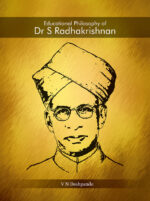
Educational Philosophy of Dr S Radhakrishnan
₹495.00Author: V N Deshpande
Educational Philosophy of Dr S Radhakrishnan effectively presents Radhakrishnan’s thoughts, highlighting their relevance to the present day. The author has at length discussed Indian Philosophy in comparison with the Western thought and successfully established that the East-West synthesis as propagated by Radhakrishnan is the need of the hour. The readers will also get an account of Radhakrishnan’s life story in the backdrop of the political history of pre and post-Independent India. This book is Dr V N Deshpande’s posthumous publication.
Interested readers may write to us at mup@manipal.edu about purchasing the book.
Also available on
-
Parkinson’s Disease in India: From Clinic to Bench
₹1,500.00Editors: Madhuri Behari, SP Gorthi
The book fills a void in the knowledge about difference in Parkinson’s disease as seen India, if any from the rest of the world. It will provide a reference for any student of neurology wanting to learn the finer nuances of Parkinson’s disease in India. The book is written by Indian authors who have studied different aspects of Parkinson’s disease in depth, covering all aspects of Parkinson’s disease. The book is painstakingly drafted to cover all aspects of Parkinson’s disease from demography, etiology, clinical features (both motor and non-motor), complications, treatment modalities, its impact on the sufferer and the family and the financial aspect.
Interested readers may write to us at mup@manipal.edu about purchasing the book.
Also available on
Be the first to review “Judicial System in the Social Tradition of Tulunadu”
You must be logged in to post a review.