
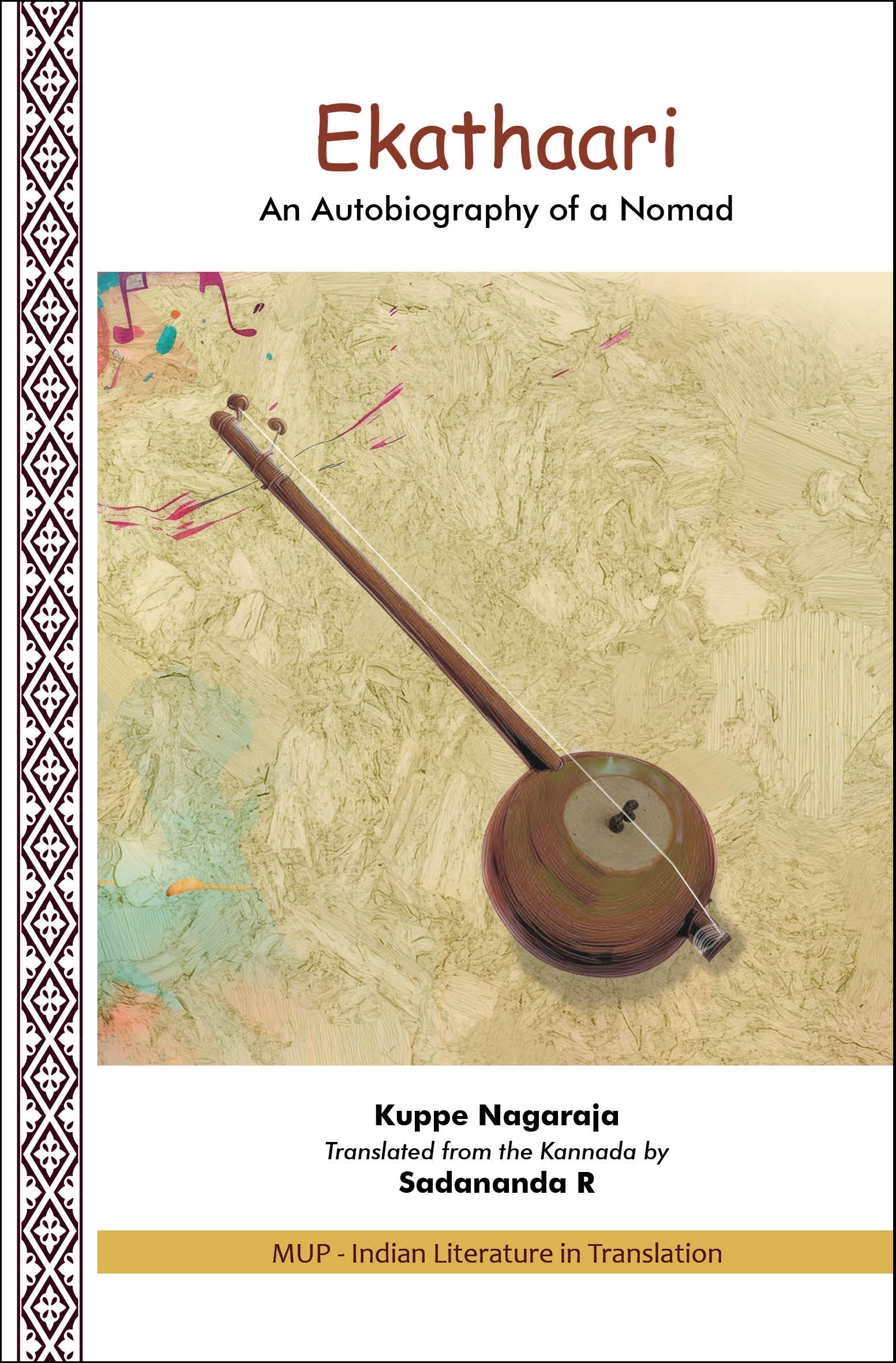
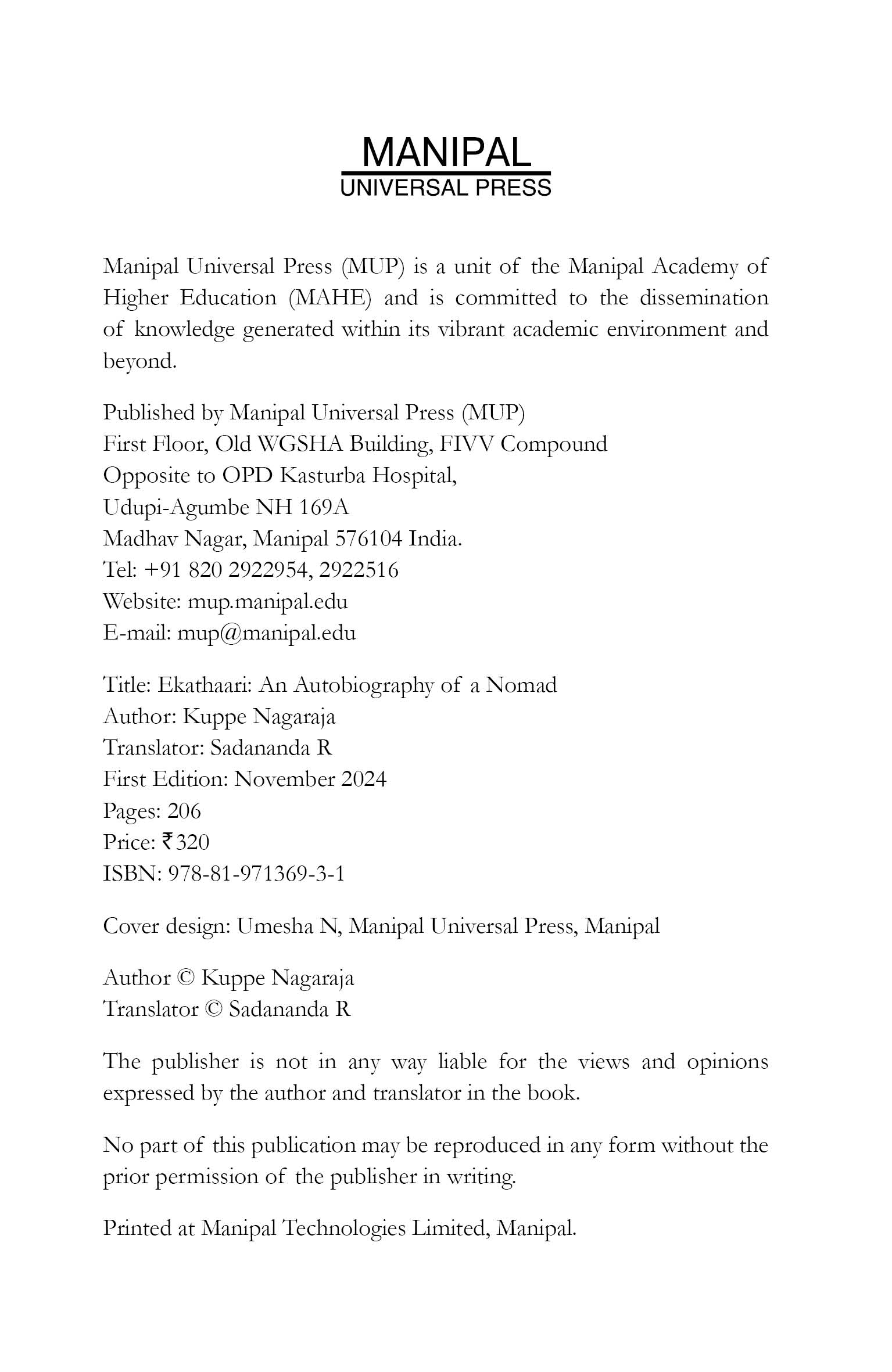
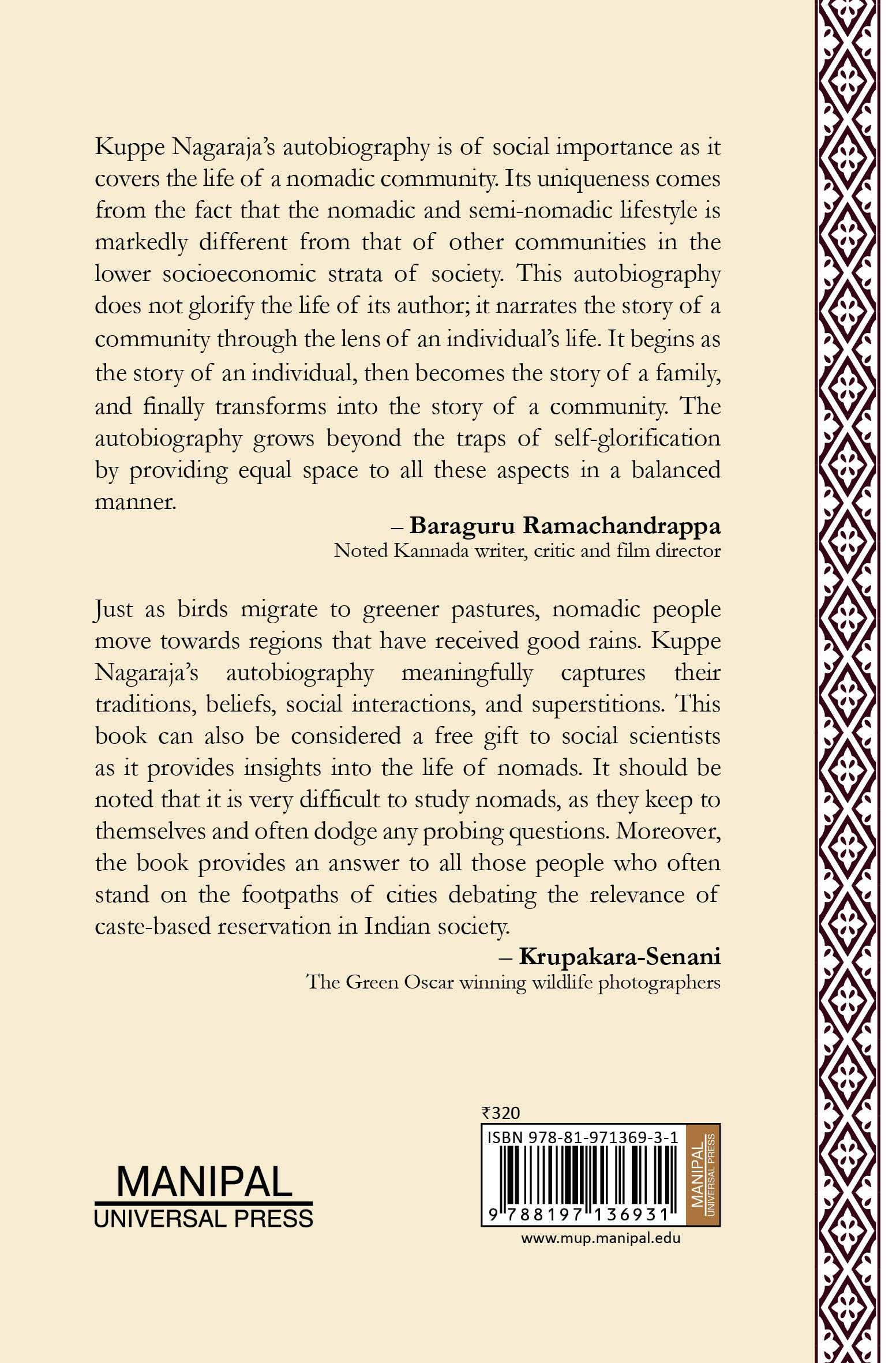
Ekathaari: An Autobiography of a Nomad
₹320.00
Author: Kuppe Nagaraja, Translator: Sadananda R
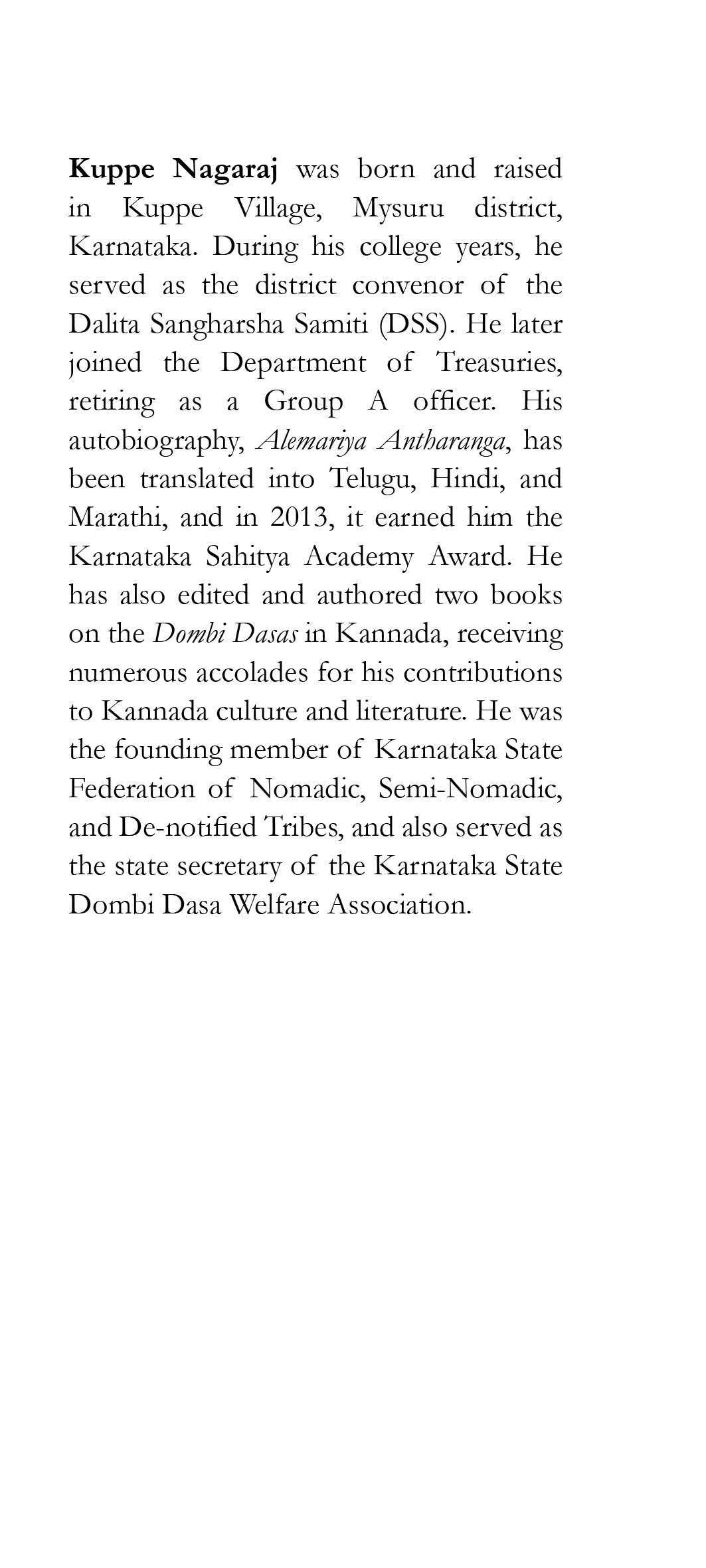
Kuppe Nagaraja’s autobiography is of social importance as it covers the life of a nomadic community. Its uniqueness comes from the fact that the nomadic and semi-nomadic lifestyle is markedly different from that of other communities in the lower socioeconomic strata of society. This autobiography does not glorify the life of its author; it narrates the story of a community through the lens of an individual’s life. It begins as the story of an individual, then becomes the story of a family, and finally transforms into the story of a community. The autobiography grows beyond the traps of self-glorification by providing equal space to all these aspects in a balancedmanner.
– Baraguru Ramachandrappa
Noted Kannada writer, critic and film director
Just as birds migrate to greener pastures, nomadic people move towards regions that have received good rains. Kuppe Nagaraja’s autobiography meaningfully captures their traditions, beliefs, social interactions, and superstitions. This book can also be considered a free gift to social scientists as it provides insights into the life of nomads. It should be noted that it is very difficult to study nomads, as they keep to themselves and often dodge any probing questions. Moreover,
the book provides an answer to all those people who often stand on the footpaths of cities debating the relevance of caste-based reservation in Indian society.
– Krupakara-Senani
The Green Oscar winning wildlife photographers
interested customers may write to us at mup@manipal.edu about purchasing the book.
Also available on

| Format | |
|---|---|
| Author |
Related products
-
Sati Kamale
₹240.00Author: S U Paniyadi Translators: B Surendra Rao, K Chinnappa Gowda
This eponymous novel is centred on Kamale, who is an embodiment of wifely virtue. For fifteen long years Kamale lives the life of a widow to the outside world, nurturing the hopes of reuniting with the husband one day. Alone in the room, each night she wears her marks of a married woman with the dagger gifted by Umesha next to her. It could be seen as an exposition on the then existing indigenous discourse in India in the 19th century and early 20th century. Kamale, in her rigorous commitment and in retrieving her husband from ‘death’, is fashioned after Savithri in an intertextual reference to Mahabharata’s episode of “Satyavan and Savithri”. The novel might look conservative for the present-day reader, but it is a representative literary work of the time when Paniyadi, among many others, wanted to regain the independent status of the Tulu language which had somehow slipped out of its pedestal.
Interested readers may write to us at mup@manipal.edu about purchasing the book.
Also available on
-

Mahila Mahabharatha
₹160.00Author: K Madhavan Translator: Abhilasha S
ಮಹಿಳಾ ಮಹಾಭಾರತ, ಇದು ಜೆಎನ್ಯು ದೆಹಲಿಯ ವಿಶ್ರಾಂತ ಪ್ರಾಧ್ಯಾಪಕರಾದ ಕೆ. ಮಾಧವನ್ ರಚಿಸಿದ ನಾಟಕ. ರಂಗ ನಿರ್ದೇಶಕರೂ ಆಗಿರುವ ಮಾಧವನ್ರನ್ನು ೧೯೯೪ರಲ್ಲಿ ಯೂನಿವರ್ಸಿಟಿ ದು ಕ್ವಿಬೀ ಎ ಮಾನ್ಟ್ರಿಯಲ್ ವಿಶ್ವವಿದ್ಯಾನಿಲಯ ತನ್ನ ವಿದ್ಯಾರ್ಥಿಗಳಿಗೆ ರಂಗ ನಿರ್ದೇಶನದ ತರಬೇತಿ ನೀಡಲು ಆಹ್ವಾನಿಸಿತ್ತು. ಆಗ ಒಂದು ವರ್ಷ ನಡೆಸಿದ ರಂಗ ಕಾರ್ಯಾಗಾರದ ಭಾಗವಾಗಿ ೧೯೯೫ ರಲ್ಲಿ ಮಾಧವನ್ ಈ ನಾಟಕವನ್ನು ಫ್ರೆಂಚ್ ಭಾಷೆಯಲ್ಲಿ ರಚಿಸಿ ನಿರ್ದೇಶಿಸಿದ್ದರು. ನಂತರ ಇದು ಜರ್ಮನಿ, ಫ್ರಾನ್ಸ್, ಆಸ್ಟ್ರೇಲಿಯಾ ಮುಂತಾದ ದೇಶಗಳಲ್ಲಿ ಆಯಾ ಪ್ರದೇಶದ ಕಲಾವಿದರಿಂದ ಪ್ರದರ್ಶಿಸಲ್ಪಟ್ಟಿತು. ಹಾಗೆಯೇ ಭಾರತದಲ್ಲಿಯೂ ಅನೇಕ ನಗರಗಳಲ್ಲಿ ಈ ನಾಟಕ ಪ್ರದರ್ಶನ ಕಂಡಿದೆ. ೨೦೦೫ರಲ್ಲಿ ಈ ನಾಟಕದ ಇಂಗ್ಲಿಷ್ ಅವತರಣಿಕೆಯು ಥಿಯೇಟರ್ ಇಂಡಿಯಾದಿAದ ಪ್ರಕಟವಾಯಿತು. <br> ಎಲ್ಲ ಕಾಲದ ಮಹಿಳಾ ಜಗತ್ತಿನ ಆಂತರ್ಯದಲ್ಲಿ ನಡೆಯಬಹುದಾದ ಮಹಾಯುದ್ಧದ ಕಥನವೇ ಮಹಿಳಾ ಮಹಾಭಾರತ. ಇಲ್ಲಿ ಪುರಾಣ ಮತ್ತು ವಾಸ್ತವ ಜಗತ್ತಿನ ನಡುವಿನ ಗೆರೆಯೇ ಅಳಿಸಿ, ಪೌರಾಣಿಕತೆ ಮತ್ತು ವಾಸ್ತವಿಕತೆ ಮುಖಾಮುಖಿಯಾಗುತ್ತವೆ. ಮಹಾಭಾರತ ಕಥೆಯ ಪರಿಧಿಯಲ್ಲಿದ್ದಿರಬಹುದಾದ ಎಲ್ಲ ತಾಯಂದಿರೂ ಈ ನಾಟಕದಲ್ಲಿ ಕೇಂದ್ರದತ್ತ ಚಲಿಸಿ ಕತೆ ಹೇಳುತ್ತಾರಾದ್ದರಿಂದ, ಮಹಿಳಾ ಕಣ್ನೋಟದ ಮಹಾಭಾರತ ಇಲ್ಲಿ ಗೋಚರವಾಗುತ್ತದೆ. ವಿಶೇಷವೆಂದರೆ, ಈ ಇಡೀ ಕಥನದ ಸೂತ್ರಧಾರಿಣಿ, ಸಮಕಾಲೀನ ಜಗತ್ತಿನ ಅಸಹಾಯಕ, ಹತಾಶ ತಾಯಿ. ಇಲ್ಲಿ ಪುಟ್ಟ ಪೆಟ್ಟಿಗೆಯಲ್ಲಿ ಜೀವಶಕ್ತಿಯ ಬೀಜ ನೆಟ್ಟು ಅದು ಮೊಳಕೆಯೊಡೆದು ಬೃಹತ್ ವೃಕ್ಷವಾಗಿ ಅಡುಗೆ ಮನೆಯನ್ನೇ ಸ್ಪೋಟಿಸುವ ಹೆಣ್ಣುಗಳಿದ್ದಾರೆ, ಮರಕ್ಕೆ ಕಟ್ಟಿ ಸುಟ್ಟು ಹಾಕುತ್ತಿರುವ ಅಣ್ಣಂದಿರನ್ನೇ ನೋಡಿ ಗಹಗಹಿಸುವ ತಂಗಿಯರಿದ್ದಾರೆ, ಹೆಣ್ಣುಗಳ ನಿಟ್ಟುಸಿರ ತಾಪಕ್ಕೆ ಗುರಿಯಾಗಿ ನಲುಗುತ್ತಿರುವ ಗಂಡುಮಕ್ಕಳ ಸಂಕಟ ಕಂಡು ಮರುಗುತ್ತಿರುವ ತಾಯಂದಿರಿದ್ದಾರೆ. ಆದಿಯಿಂದ ಅಂತ್ಯದವರೆಗೆ ತೂಗುವ ತೊಟ್ಟಿಲು, ಅನುರಣಿಸುವ ಜೋಗುಳದ ಜೊತೆಗೆ ಹೆಮ್ಮಕ್ಕಳು ನೀಡುವ ಶಾಪದ ಸರಮಾಲೆಯೂ ಇಲ್ಲಿದೆ.
Interested readers may write to us at mup@manipal.edu about purchasing the book.
Also available on
-
The Gandhi Cap and Other Short Stories
₹345.00Author: Raja Radhikaraman Prasad Sinha, Translator: Mahendra P Srivastava
The book The Gandhi Cap and Other Short Stories offers a glimpse into the lifetime of work of a forgotten pioneer of Hindi fiction, Raja Radhikaraman Prasad Sinha. It is ironic that one cannot find a single book by this author who was so dedicated to Hindi literature. The stories in this collection are a testament not only to the contributions of Sinha to Hindi fiction but also, reflect the depth of political and social milieu of the times. Many readers will be moved by the elements patriotism, feminism, secularism, and spiritualism in these stories. Strong female characters are common in most of these stories. These characters provide both a moral fulcrum to the stories as well as reflect the struggle of women to balance prevailing customs with modernity. Some of these stories provide sharp political and social commentary that still have currency (The Gandhi Cap). Sinha incorporates a unique style of writing that uses lyrical prose and poetry together. He even employs a dialogue between the storyteller and a social gathering in the form of an epilogue, to offer a discourse on social dilemma about women’s plight to become modern while admonishing them to retain their Indian essence (An Expensive Bargain). We hope the readers will enjoy this wonderful collection.
Interested readers may write to us at mup@manipal.edu about purchasing the book.
Also available on
-
Bamonn: Story of a Konkani Roman Catholic
₹255.00Author: Na D’Souza Translator: S M Pejathaya
Konkani Roman Catholic Christians were converted from other groups by Goan Missionaries long back, keeping the caste system tradition to a large extent in layers such as the Bamonn, the Charodi, the Gawdi, the Nendar, the Shudra, etc. At the time of marriages and other social gatherings they continue to consider caste system norms and customs in the community. Caste system in Indian Christians is vividly described in the novel Bamonn. Christopher Pai of Kalyanpura hails from a Bamonn family and takes great pride in his ancestry. He believes in the stories about his Konkani Roman Catholic ancestors from his elders and about their being true Christians, holding on to their faith despite tremendous pressure to convert to Islam during Tipu Sultan’s regime. He also believes Bamonns are superior to other Christians in the community. After retiring from his job of a Headmaster, he refuels his obsession to retrace his roots and find out the truth about his ancestors. In his journey of self-assurance and faith, will he succeed in his mission to convince his family, his children and the community at large of his glorious ancestry and in still pride in the next generation? . . .
Interested readers may write to us at mup@manipal.edu about purchasing the book.
Also available on
-
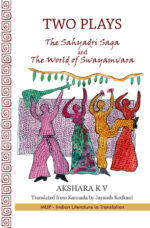
Two Plays – The Sahyadri Saga and The World of Swayamvara
₹199.00Author: Akshara K V Translator: Jayanth Kodkani
These two plays negotiate with the real problems of contemporary India. If Sahyadri Kanda is about the ripples caused in the life of the people in a village on the Western Coast which will soon have a nuclear plant, Swayamvaraloka, is an allegorical narrative set in a small village that extends to include the larger contemporary world. Both the plays dwell on the seeming binaries of village-city, success-failure, modern-traditional while examining the nature of human relationships in the changing world. These plays also reflect an ambition to elevate the real experience to a mythical level. While most playwrights attempt to echo contemporary concerns by reinterpreting history and mythology, for these plays, the epics, their grandeur, the struggle, the wars are not episodes that happen in kingdoms and palaces and battlefields, they are also that which takes place in the microworld of one’s consciousness. Each character in these plays find their own dharma, yet it offers no model for the reader, and remains only a pointer to the complex process of finding it.
Interested readers may write to us at mup@manipal.edu about purchasing the book.
Also available on
eBook available on

-
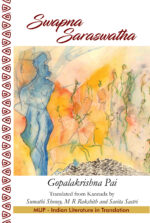
Swapna Saraswatha
₹530.00Author: Gopalakrishna Pai Translator: Sumathi Shenoy, M R Rakshith, Savita Sastri
Swapna Saraswatha is the saga of migration of a community called Saraswaths in the west coast of India, extending from Goa to the south of Mangalore. It captures the dominance of a colonial power over the region that began with the entry of the Portuguese about four hundred years ago. The novel is a graphic description of the displacement of this strongly-rooted community which saw its resurrection in a new area. In the course of its narrative, the novel traces the gradual changes in the structure of the family that moved from a closely knit joint family of the bygone era to the nuclear family. It also deals with the factors that are responsible for the change in value systems of individuals in the wake of such paradigm shifts. With its vast canvas, it remarkably weaves fiction with myth and history, peppered with cultural details and linguistic nuances. The narration in Swapna Saraswatha progresses in the form of an epic detailing the story of nine generations spread over a period of two hundred and fifty years from 1510 to about 1760. It encompasses more than a hundred and fifty characters which include Hindus, Muslims, Christians, chieftains, traders, farmers, priests and black magicians, and covers a range of themes spread across folk tales, legends, armies, myths and a sprinkling of history.
-
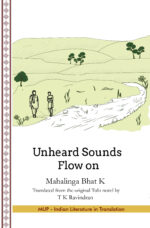
Unheard Sounds Flow On
₹315.00Author: K Mahalinga, Translator: T K Ravindran
In spite of being one of the oldest members of the Dravidian family of languages, Tulu, unfortunately, has not yet found the recognition that it richly deserves in the modern world. Since modernity privileges the written over the spoken, the Tulu language that is abundantly blessed with oral literature has been placed on the fringes of modern literary world. Ironically, Tulu is still engaged in a desperate fight for official status in a country that boasts of its cultural and linguistic diversity. The motives behind the translation of Nanajjer Sude Tirgayer, hailed as the first modern Tulu novel, into English refuse to remain apolitical in this context.
The novel, which has already been translated into Kannada, Konkani and Malayalam, beautifully captures the pulse of rusticity that characterizes the life of a village community that lived its life with its love-hate relationship with nature, more than 75 years ago in a Tulu speaking village in the south-western part of Karnataka. Besides bringing alive the socio-cultural practices that find their articulation through the natural linguistic plurality ingrained in the village psyche, the novel touches upon the duality of human nature that leaves man perennially condemned to an inner crisis.
Interested customers may write to us at mup@manipal.edu about purchasing the book.
Also available on
-
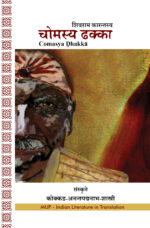
Comasya Dhakka
₹195.00Author: Shivarama Karanth Translator: Ananthapadmanabha Shastri
Set in the coastal Karavali region of Karnataka, Chomasya Dakka is the story of Coma, a Dalit bonded-laborer. Set in the pre-independent India, Comasya Dakka tells a poignant tale of dalit lives, and the suppression of their fundamental rights and identity through the character of Coma. Denied the right to even till and cultivate their own land due to their caste and identity, Coma and his children work as bonded-labourers for their landlord, Sankappayya. The plot of the novel follows the lives of Coma and his children and the tragedies that befall them. The original work in Kannada, Comana Dudi, was adapted into a well-acclaimed, national award-winning film in the year 1975. Directed by B V Karanth, it won the Swarna Kamal, Indias National Award for the Best Film in the year 1976.
Interested readers may write to us at mup@manipal.edu about purchasing the book.
Also available on