
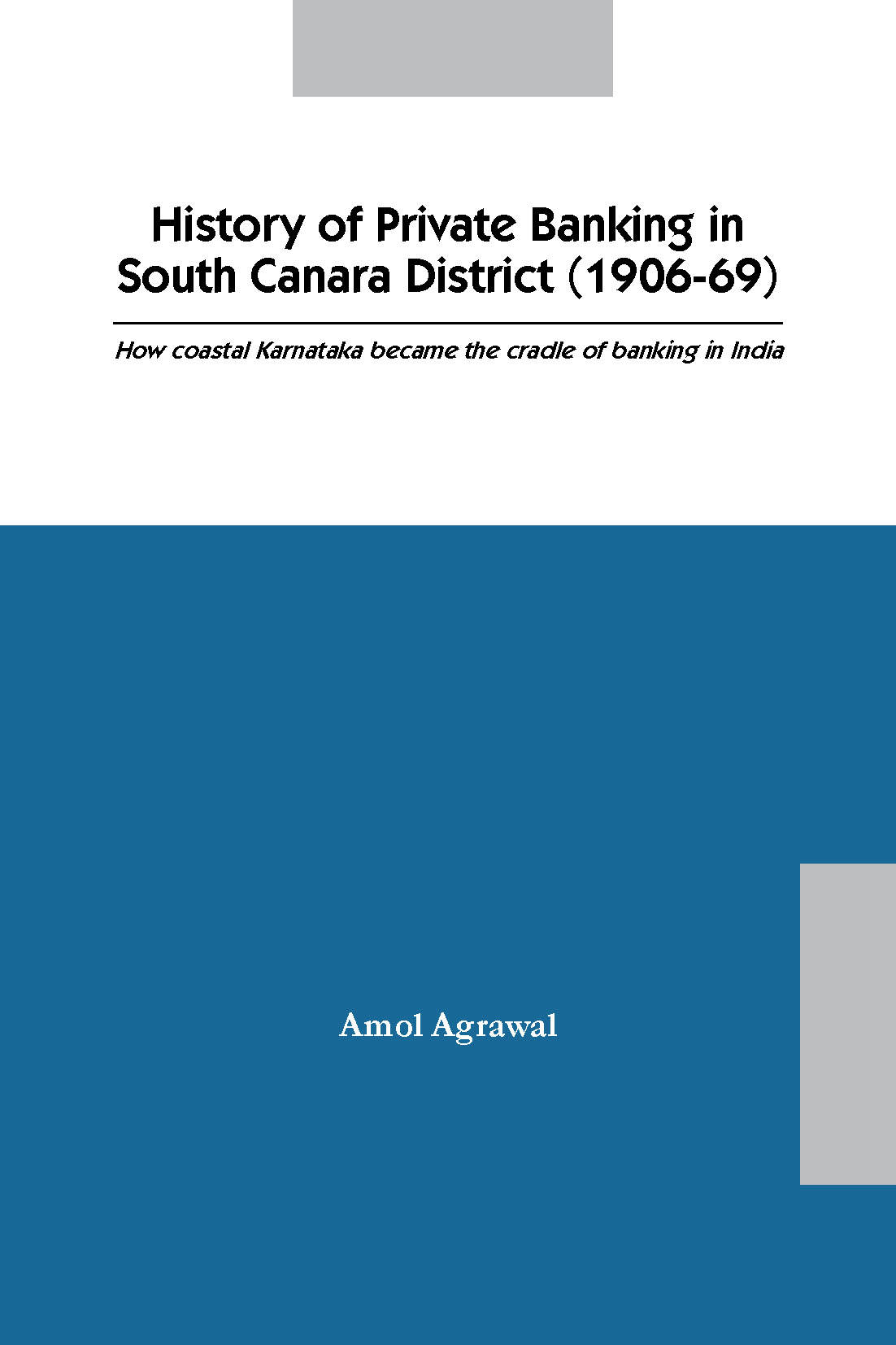

History of Private Banking in South Canara District (1906-69)
₹580.00
Author: Amol Agrawal
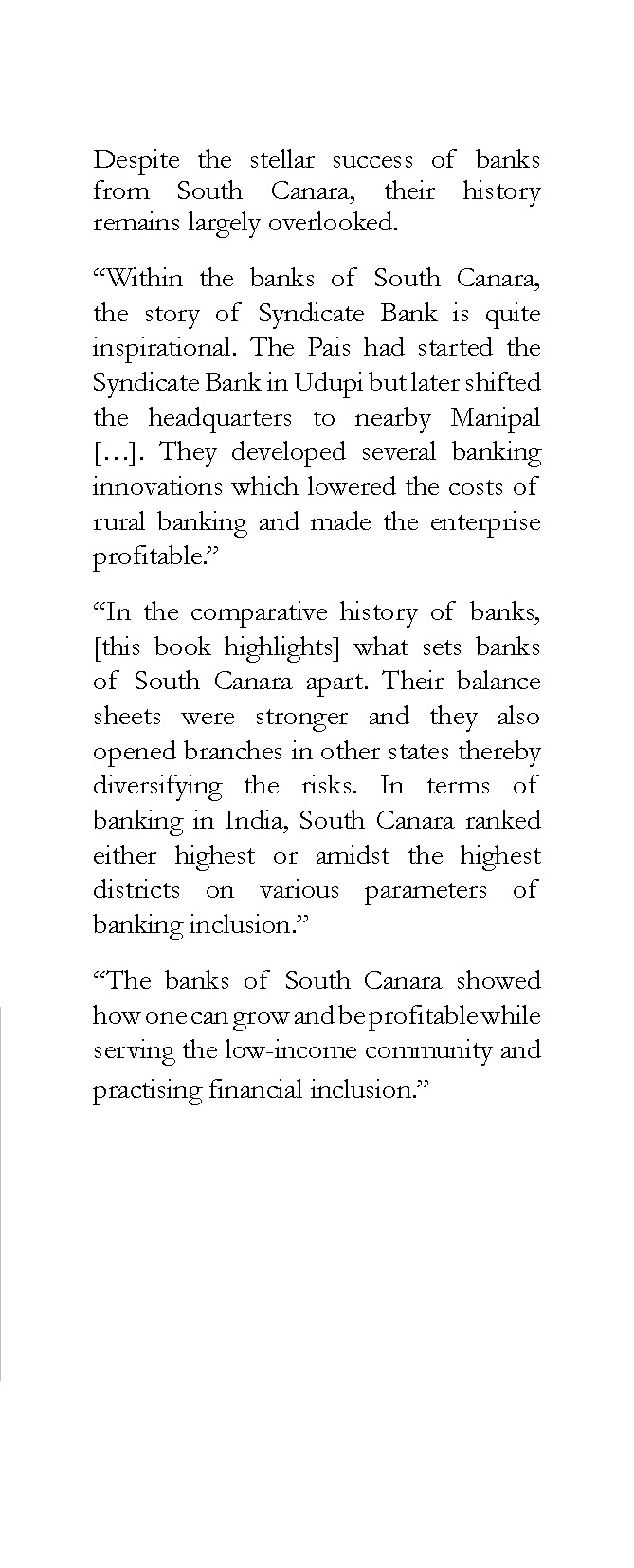
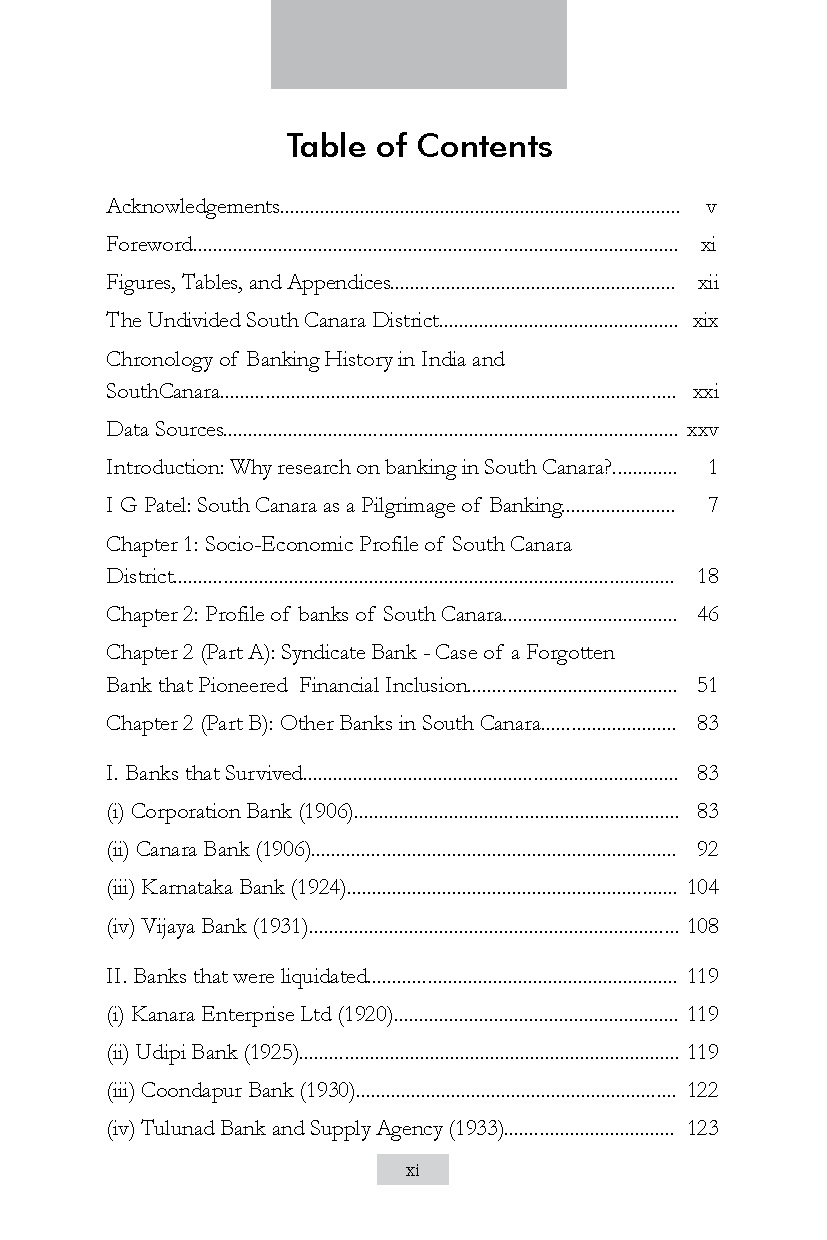
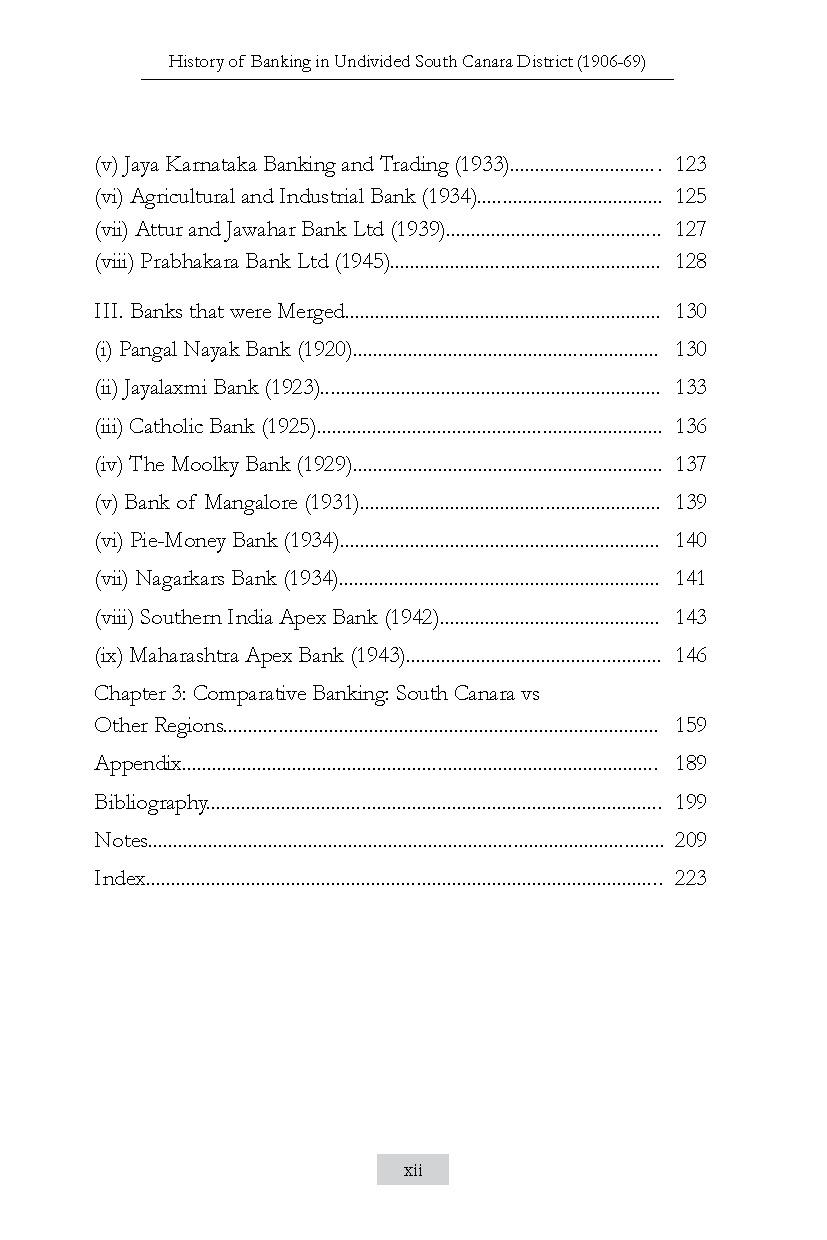
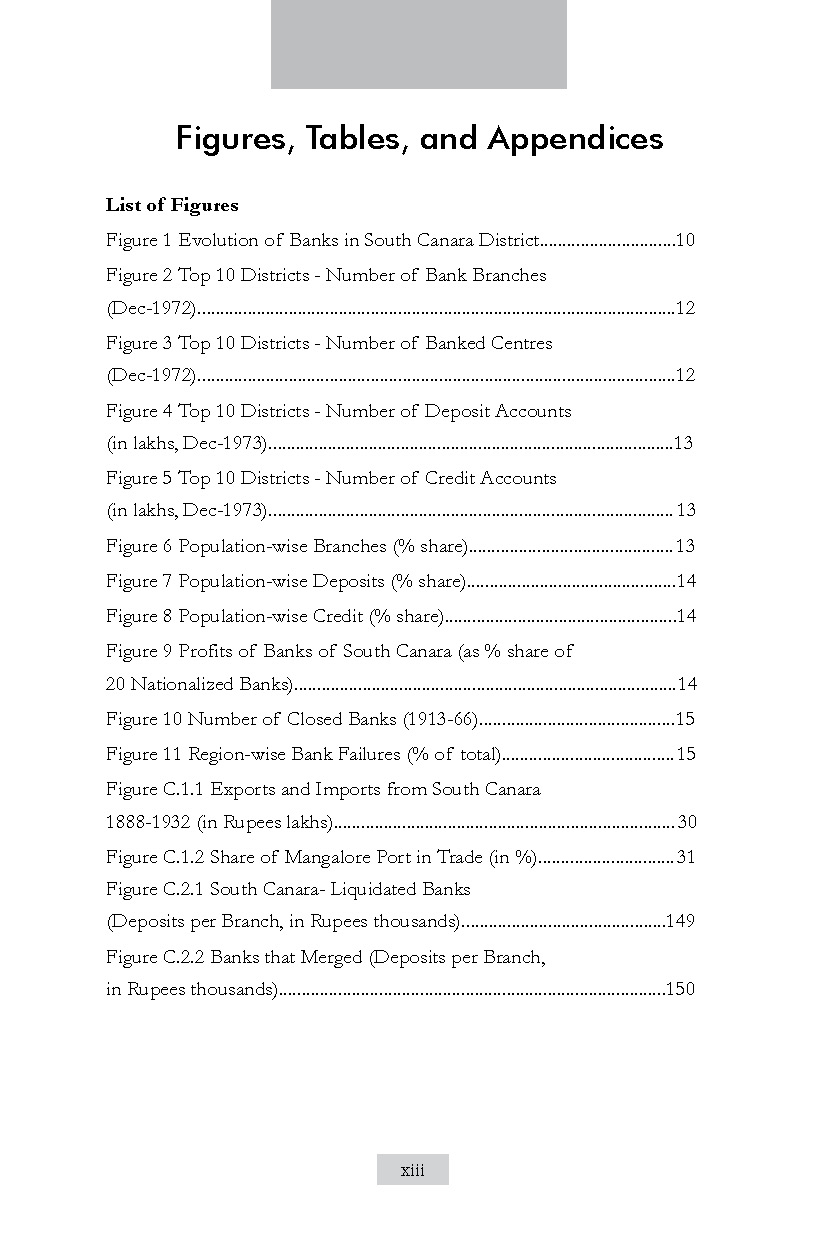
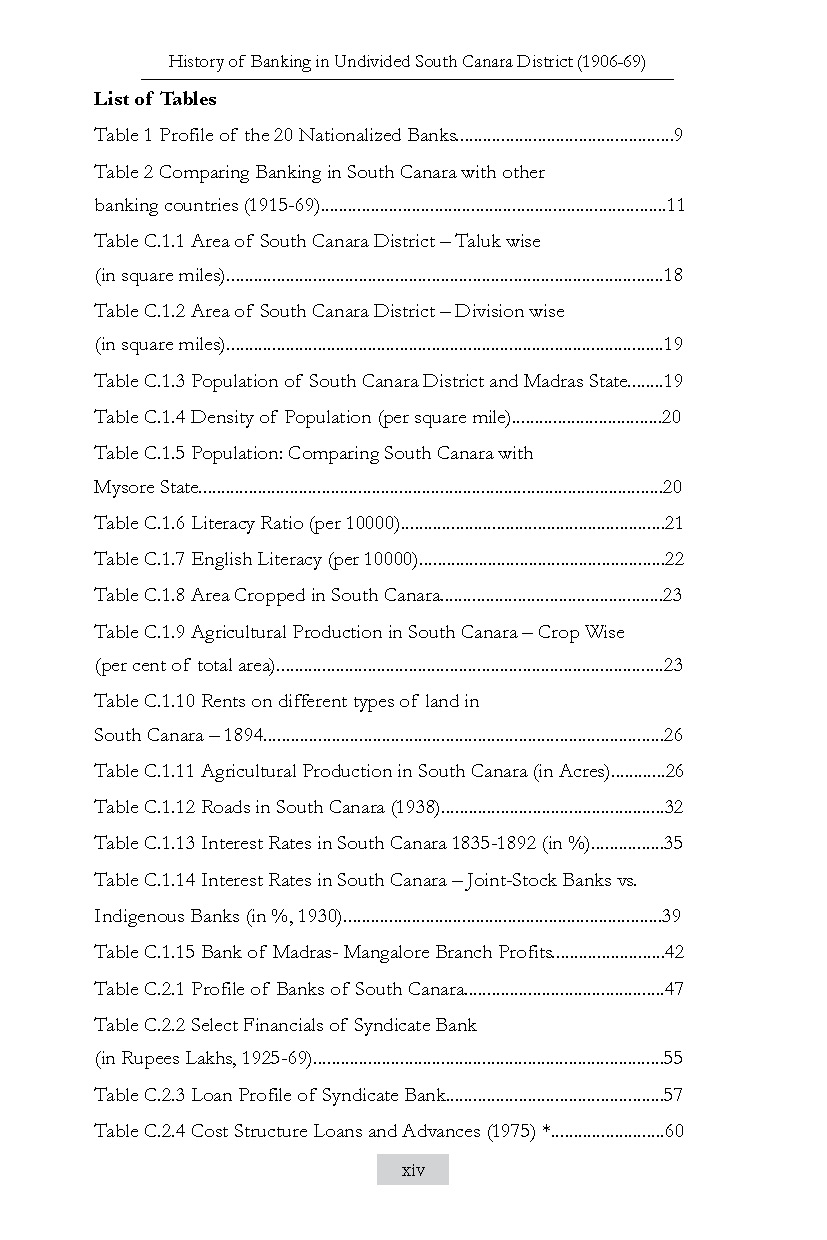
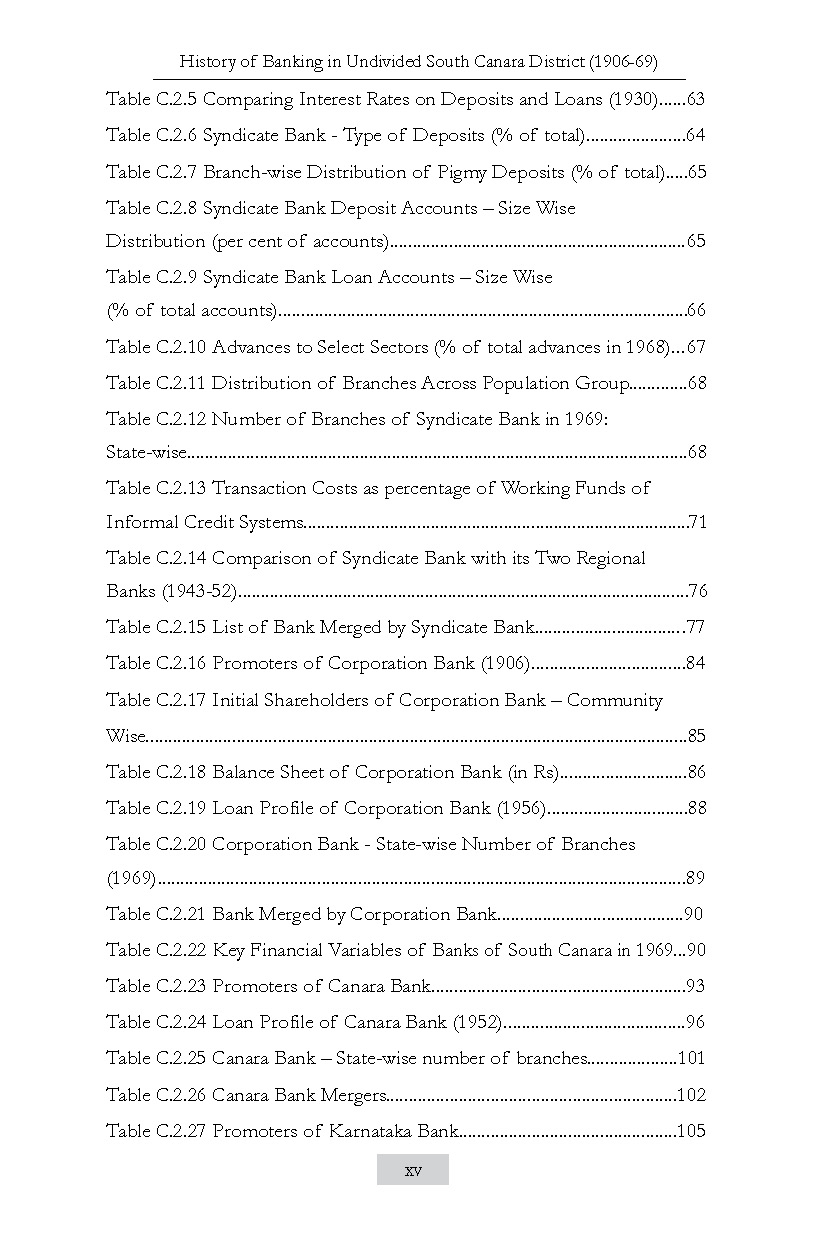
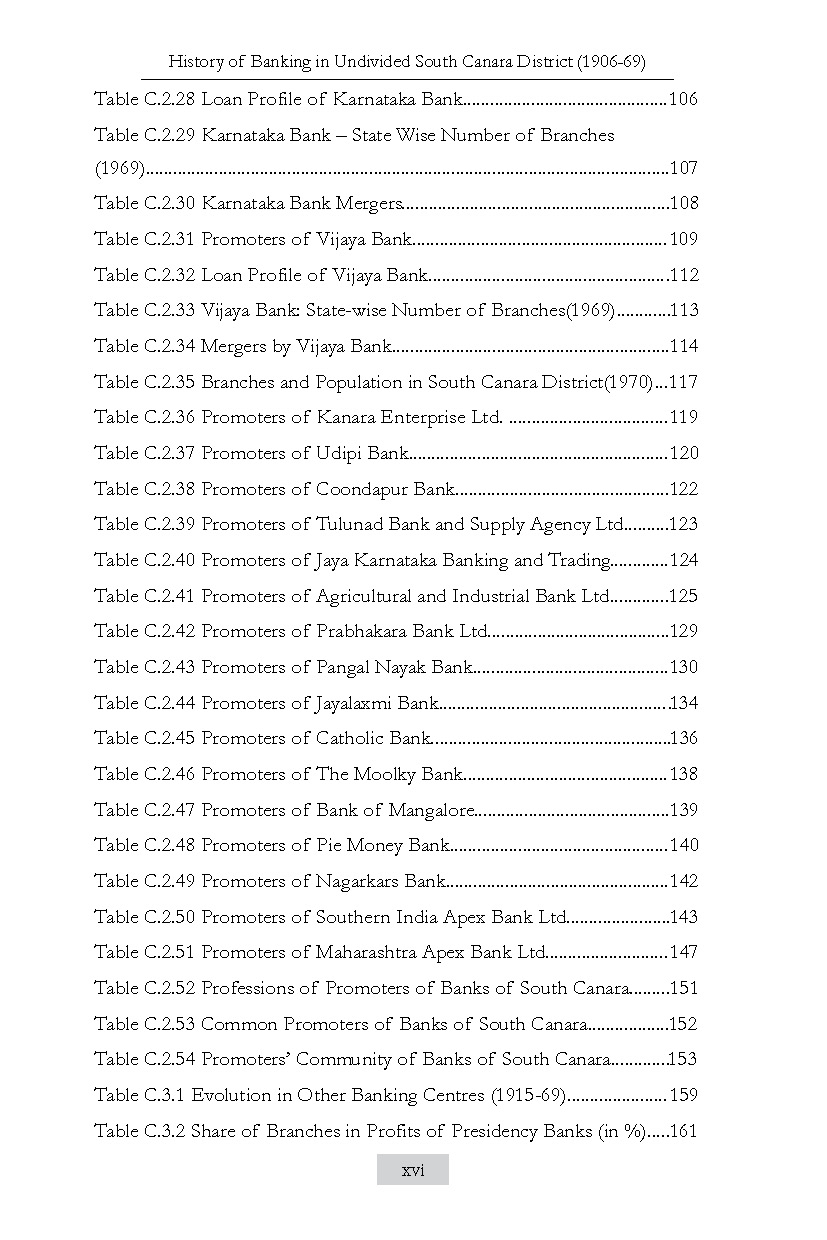
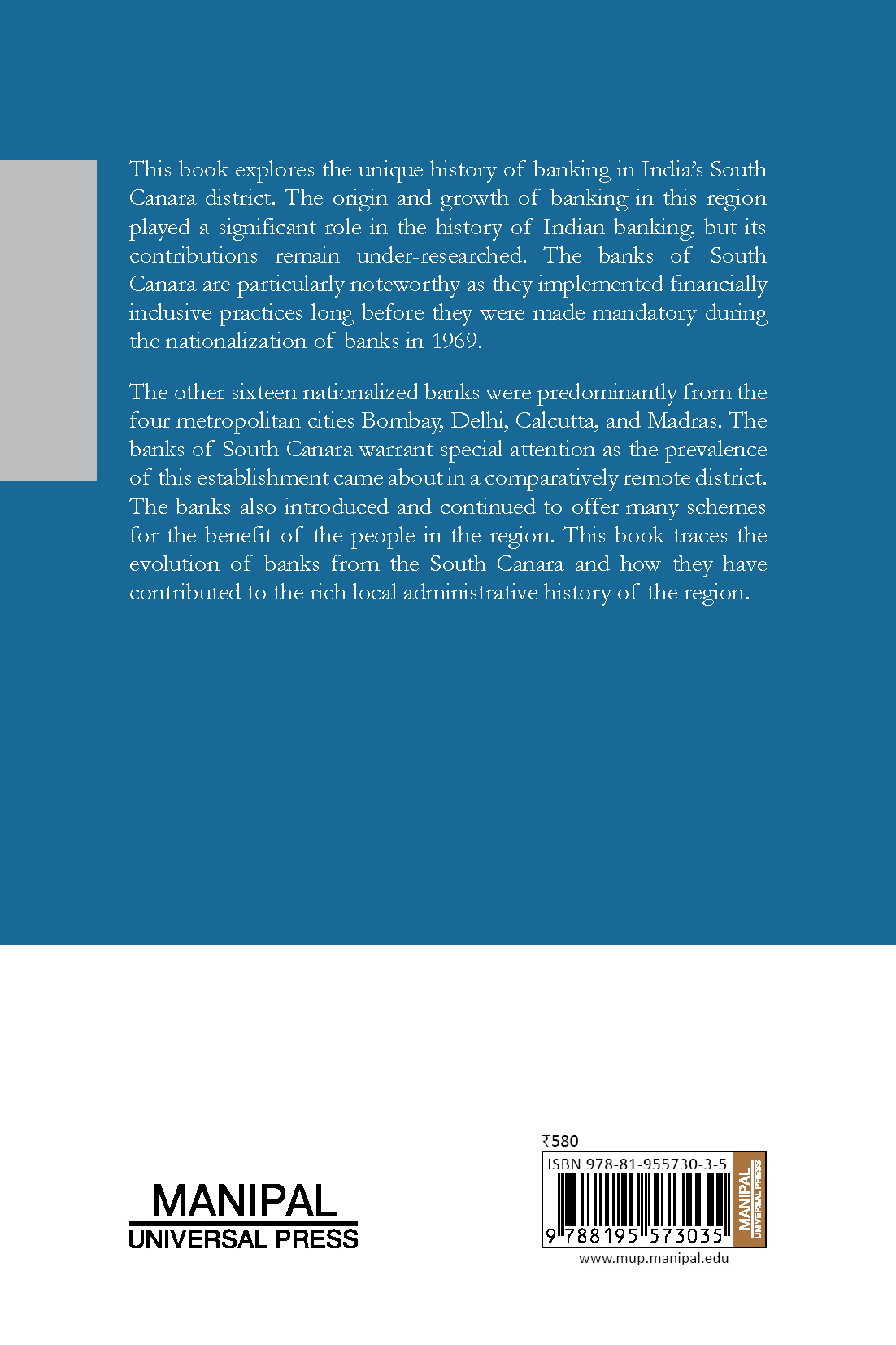
This book explores the unique history of banking in India’s South Canara district. The origin and growth of banking in this region played a significant role in the history of Indian banking, but its contributions remain under-researched. The banks of South Canara are particularly noteworthy as they implemented financially inclusive practices long before they were made mandatory during the nationalization of banks in 1969.
The other sixteen nationalized banks were predominantly from the four metropolitan cities Bombay, Delhi, Calcutta, and Madras. The banks of South Canara warrant special attention as the prevalence of this establishment came about in a comparatively remote district. The banks also introduced and continued to offer many schemes for the benefit of the people in the region. This book traces the evolution of banks from the South Canara and how they have contributed to the rich local administrative history of the region.
Interested readers may write to us at mup@manipal.edu about purchasing the book.
| Also available on
|
eBook available on
|

| Author | |
|---|---|
| Format | Paperback |
Related products
-

Biomedical Spectroscopy
₹2,950.00Author: Santhosh C, Vasudevan Baskaran Kartha
Biomedical spectroscopy is the output of the intensive discussions of the authors and the medical professionals of Kasturba Medical College, Manipal University. The ?Centre for Laser Spectroscopy?, a centre for developing biomedical applications of laser spectroscopic methods, was established at Manipal University in 1997. The scientists of the Centre, together with the physicians, surgeons, and pathologists of the KMC, initiated a number of research programs in this area. The main aim of the Centre was to develop spectroscopic methods for early detection, screening, monitoring therapy and identification of disease markers, with special emphasis on various cancers, so that these techniques can be applied for routine healthcare applications. Outcome of these research activities are covered in the book. A common platform of information can provide a more open communication enabling faster and better evolution of the spectroscopic methods for biomedical applications.
Interested readers may write to us at mup@manipal.edu about purchasing the book.
International Edition available on 
South Asia Edition available on 
-
Christa Shaka 1800 Ra Modalina Mysooru ithihaasa
₹295.00Author: D S Achuta Rao Translator: S Narendra Prasad
೧೮೦೦ ಕ್ರಿ. ಶ. ದ ಹಿಂದಿನ ಮೈಸೂರು ಇತಿಹಾಸವು ಪ್ರೊ. ಡಿ ಎಸ್ ಅಚ್ಯುತ ರಾವ್ ಅವರ ಜೀವನ ಮತ್ತು ಕೆಲಸದ ಬಗ್ಗೆ. ಮೈಸೂರು ಇತಿಹಾಸದ ಕುರಿತಾದ ಅವರ ಸಂಶೋಧನೆಯು 1940-65ರ ಅವಧಿಯಲ್ಲಿ ಅವರು ಪ್ರಕಟಿಸಿದ ಹತ್ತು ಸೂಚ್ಯಂಕ ಲೇಖನಗಳಿಂದ ಪ್ರತಿನಿಧಿಸುತ್ತದೆ. ಅವರು ಭಾರತದ ಇತಿಹಾಸ ಮತ್ತು ಅದರ ಅದ್ಭುತ ಭೂತಕಾಲವನ್ನು ಸಕ್ರಿಯವಾಗಿ ಜನಪ್ರಿಯಗೊಳಿಸಿದರು. ಮಹಾರಾಜಾಸ್ ಕಾಲೇಜ್ ಹಿಸ್ಟರಿ ಸೊಸೈಟಿ, ಭಾರತದ ವಸಾಹತು ಸಂಶೋಧಕರು ಮತ್ತು ಕನ್ನಡ ವಿಶ್ವಕೋಶದಲ್ಲಿ ಮೈಸೂರು ಸರ್ಕಾರದ ಉಪಕ್ರಮದಿಂದ ಭಾರತೀಯ ಇತಿಹಾಸದಲ್ಲಿ ಉಪಕ್ರಮಗಳನ್ನು ಪ್ರಸ್ತುತಪಡಿಸುವುದರಿಂದ ಅಂತಹ ಮೂರು ಲೇಖನಗಳನ್ನು ಸೇರಿಸಲಾಗಿದೆ. ಎರಡನೇ ಭಾಗದಲ್ಲಿ ಅವರ ಜೀವನಚರಿತ್ರೆಯಲ್ಲಿ, ಅವರ ವಿದ್ಯಾರ್ಥಿಗಳು ಮತ್ತು ಮಕ್ಕಳು ಶಿಕ್ಷಕ ಮತ್ತು ತಂದೆಯಾಗಿ ಅವರ ಜೀವನದ ಬಗ್ಗೆ ಬರೆದಿದ್ದಾರೆ, ಅವರ ಅವಧಿಯ ಸಂದರ್ಭವನ್ನು ಒದಗಿಸಿದ್ದಾರೆ. ಪುಸ್ತಕವು ಕಳೆದ ಶತಮಾನದ ಮಧ್ಯದಲ್ಲಿ ಇತಿಹಾಸ ಸಂಶೋಧನೆಗೆ ಆಸಕ್ತಿದಾಯಕ ವಿಂಡೋವನ್ನು ಪ್ರಸ್ತುತಪಡಿಸುತ್ತದೆ.
Interested readers may write to us at mup@manipal.edu about purchasing the book.
Also available on
-
COVID19: A Multidimensional Response
₹2,200.00Editors: N Udupa, Raviaraja NS, Chiranjay Mukhopadhya,
COVID-19 disease is caused by the SARS-CoV-2 virus, first detected in November-December 2019 in Wuhan, China. Thus far, more than 7 million people have been infected with the novel coronavirus across the globe, and the count is increasing with every passing day. Even though it causes severe respiratory problems, the majority of patients show mild symptoms, and pathogenesis is under investigation. Although several drugs are being developed and many of them are undergoing clinical trials, currently there are no approved drugs/vaccines to cure this disease. Personal hygiene and social distancing are important means to prevent the spread of this disease. With the advancements in scientific research, humankind is hoping to find a potent drug/vaccine for this disease at the earliest. The health care professionals and scientific community are at their maximum in combating this viral infection. In this book, an attempt is made to compile various aspects of COVID-19 in a single platform, which include aetiology, epidemiology, its clinical manifestations, diagnosis, pathological, clinical and therapeutic facets, comorbidities, risk factors, and the essential precautionary measures. This book comprises around 29 chapters contributed by various experts from research and clinical backgrounds.
Interested readers may write to us at mup@manipal.edu about purchasing the book.
Also available on
-
Performing Self, Performing Gender: Reading the lives of Women Performers in Colonial India
₹299.00Author: Sheetala Bhat
This book explores the shifting identity of the female performer in India, starting from the late 19th century to the early years of independence, through the study of autobiographies and memoirs. It attempts to make visible the actress figure by entering the history of performance, guided by the voice of the female performer. The discussion on performing woman in this book spans across the performing traditions of the tawaif, actresses in public theatre, early Indian film actresses, and actresses in the Indian People?s Theatre and the Prithvi Theatre. Sheetala Bhat is an actress and a writer from Sirsi, a small town in the Western Ghats of Karnataka. She holds an MA in English Literature from Manipal Centre for Philosophy and Humanities, Manipal University, Manipal. She worked with Chintana repertory, exploring the possibilities of theatre in education in government schools in Karnataka. She writes short stories and poetry in Kannada. Being a reclusive reader and an enthusiastic actress, she often finds herself rummaging and weaving in between the fields of theatre and Indian literature, with an emphasis on the gender concerns in these areas. Performing Self, Performing Gender: Reading the Lives of Women Performers in Colonial India is her first book.
Interested readers may write to us at mup@manipal.edu about purchasing the book.
Also available on
-
Parkinson’s Disease in India: From Clinic to Bench
₹1,500.00Editors: Madhuri Behari, SP Gorthi
The book fills a void in the knowledge about difference in Parkinson’s disease as seen India, if any from the rest of the world. It will provide a reference for any student of neurology wanting to learn the finer nuances of Parkinson’s disease in India. The book is written by Indian authors who have studied different aspects of Parkinson’s disease in depth, covering all aspects of Parkinson’s disease. The book is painstakingly drafted to cover all aspects of Parkinson’s disease from demography, etiology, clinical features (both motor and non-motor), complications, treatment modalities, its impact on the sufferer and the family and the financial aspect.
Interested readers may write to us at mup@manipal.edu about purchasing the book.
Also available on
-
Early Buddhist Artisans and their Architectural Vocabulary
₹1,600.00Author: S Settar
The early Buddhist architectural vocabulary, being the first of its kind, maintained its monopoly for about half a millennium, beginning from the third century BCE. To begin with, it was oral, not written. The Jain, Hindu, and other Indian sectarian builders later developed their vocabulary on this foundation, though not identically. An attempt is made here to understand this vocabulary and the artisans who first made use of it.
In the epigraphic ledger, the first reference to the mythical creator of the universe, the Visvakarma (Visakama), is made on the thupas at Sanchi and Kanaganahalli; the earliest excavators of cave temples, comprising five specialists – selavdhaki, nayikamisa, kadhicaka, mahakataka and mithaka – as well as a team of master-architects and supervisors, called the navakamis, appear at Kanheri. Besides these, there were also others called avesanis, atevasinas, acaryas, and upajjhayas all over the Buddhist world. The list does not end with these, because there were yet others called vadhakis (carpenters), seli-vadhakis (stonecutters), sela-rupakas (stone sculptors), mithakas (polishers), and so on. All these artisans who have recorded their life stories on the stone surface are identified, and their professional contributions evaluated here for the first time.
International Edition available on 
South Asia Edition available on -
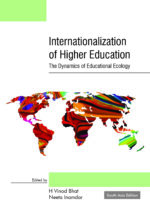
Internationalization of Higher Education: The Dynamics of Educational Ecology
₹500.00Editors: H Vinod Bhat, Neeta InamdarThe mobility of scholars seeking knowledge has been a part of the university ideal for centuries. History holds testimony to the fact that these mobilities have also altered the lives of people in different regions. Universities have played a pivotal role in the movement of people across borders and the resultant transformation of societies due to transcultural interactions.In this book, the editors have brought together ideas on the changing dynamics of these mobilities of scholars and the interconnectedness of higher education institutions in today’s world. An attempt is also made to record the implications of these international collaborations in knowledge generation and dissemination within the educational ecology. The notion of educational ecology is explored through the articles in the book to comprehend the power play that exists in the dimension and the direction of internationalization of higher education. All this is done with the hope that the opening up of education to global opportunities may, over a period of time, lead to equitable distribution of opportunities worldwide.Interested readers may write to us at mup@manipal.edu about purchasing the book.
International Edition available on South Asia Edition available on -
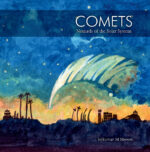
Comets – Nomads of the Solar System
₹290.00This book introduces the general reader to the world of comets – those celestial visitors from the outer Solar System that occasionally visit the Earth’s neighbourhood and put up spectacular shows in the night sky. The world had geared up for just such a show at the end of 2013, when Comet ISON was expected to light up the night sky. Using the occasion to bring the world of comets to those interested, this book is a delightful read about the quirky world of these unpredictable visitors. Apart from lucidly and accurately updating the reader about what comets are, where they come from, why is it that they assume the fantastic shapes they do etc. “Comets” also regales the reader with myths about comets in various cultural contexts, snippets about famous comets in the history of mankind, anecdotes on comet discoveries and discoverers, the bewildering procedures followed while naming comets and much more. The book takes a hard look at the hype surrounding the fiery expectations about Comet ISON an cautions the reader that, while there was a good chance of the comet blazing forth in the skies of December 2013, there was a realistic chance that the comet would not survive its close encounter with the Sun. Sadly, the pessimistic predictions came true and the comet disintegrated as it went around the Sun. As we wait for chance to throw us a Great Comet to gaze at in the future, “Comets: Nomads of the Solar System” is an excellent guide to prepare for the event!
Interested customers may write to us at mup@manipal.edu about purchasing the book.
Also available on