
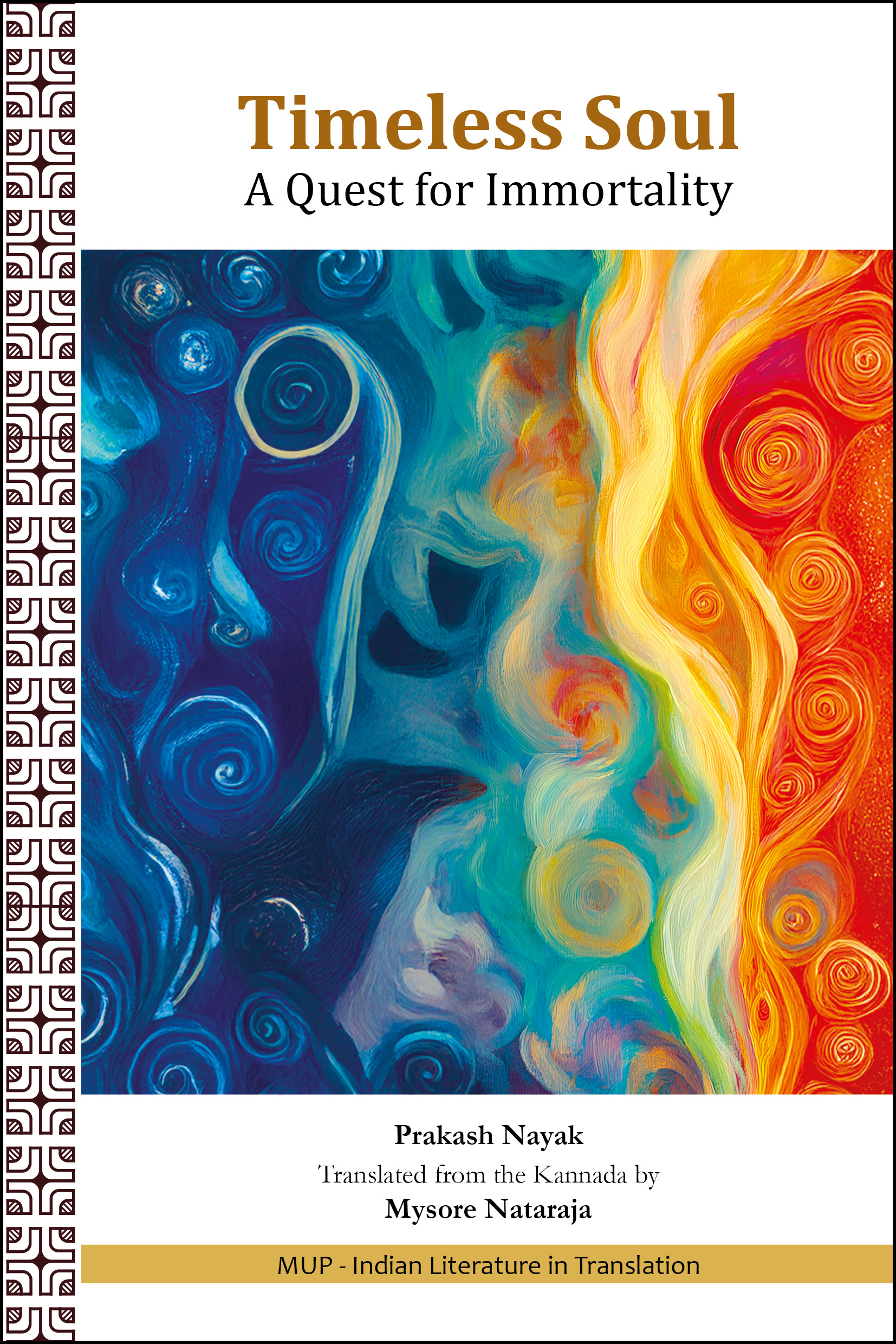
Timeless Soul: A Quest for Immortality
₹500.00
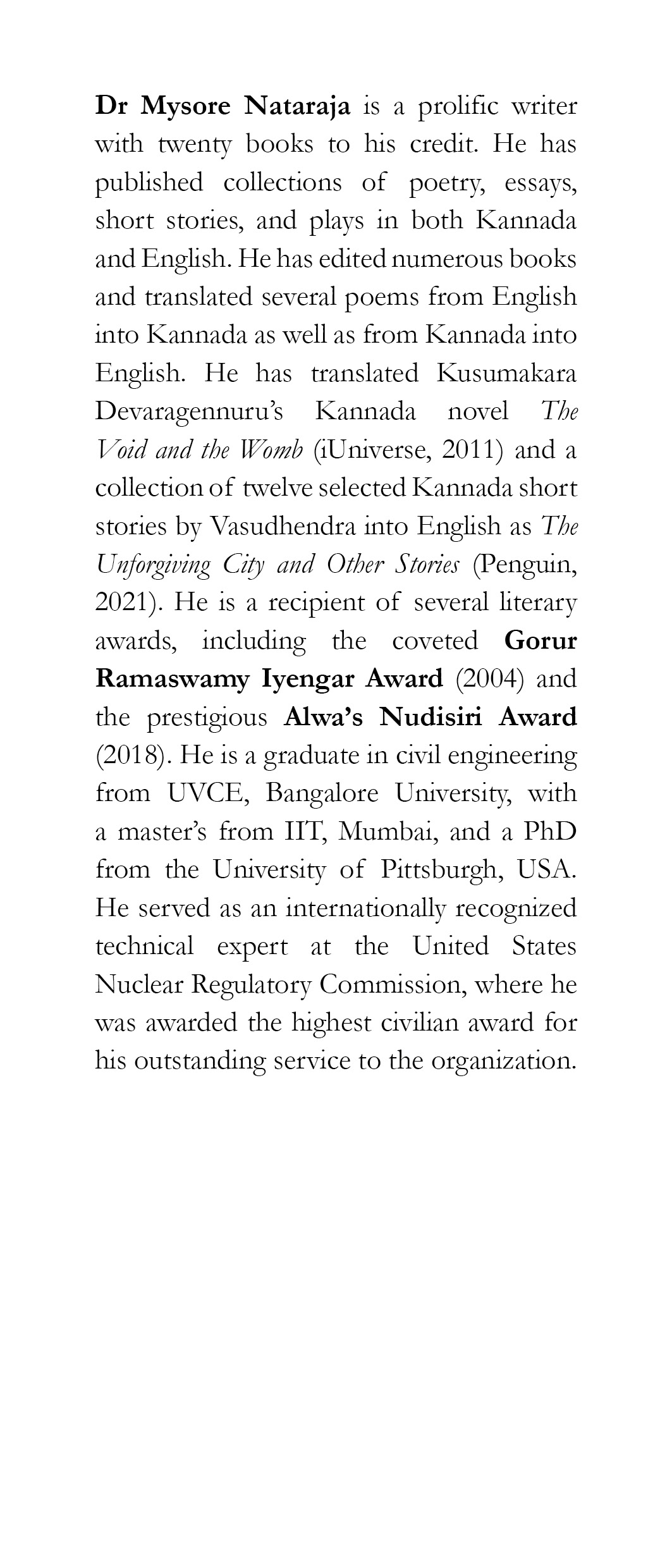
Author: Prakash Nayak Translator: Mysore Nataraja
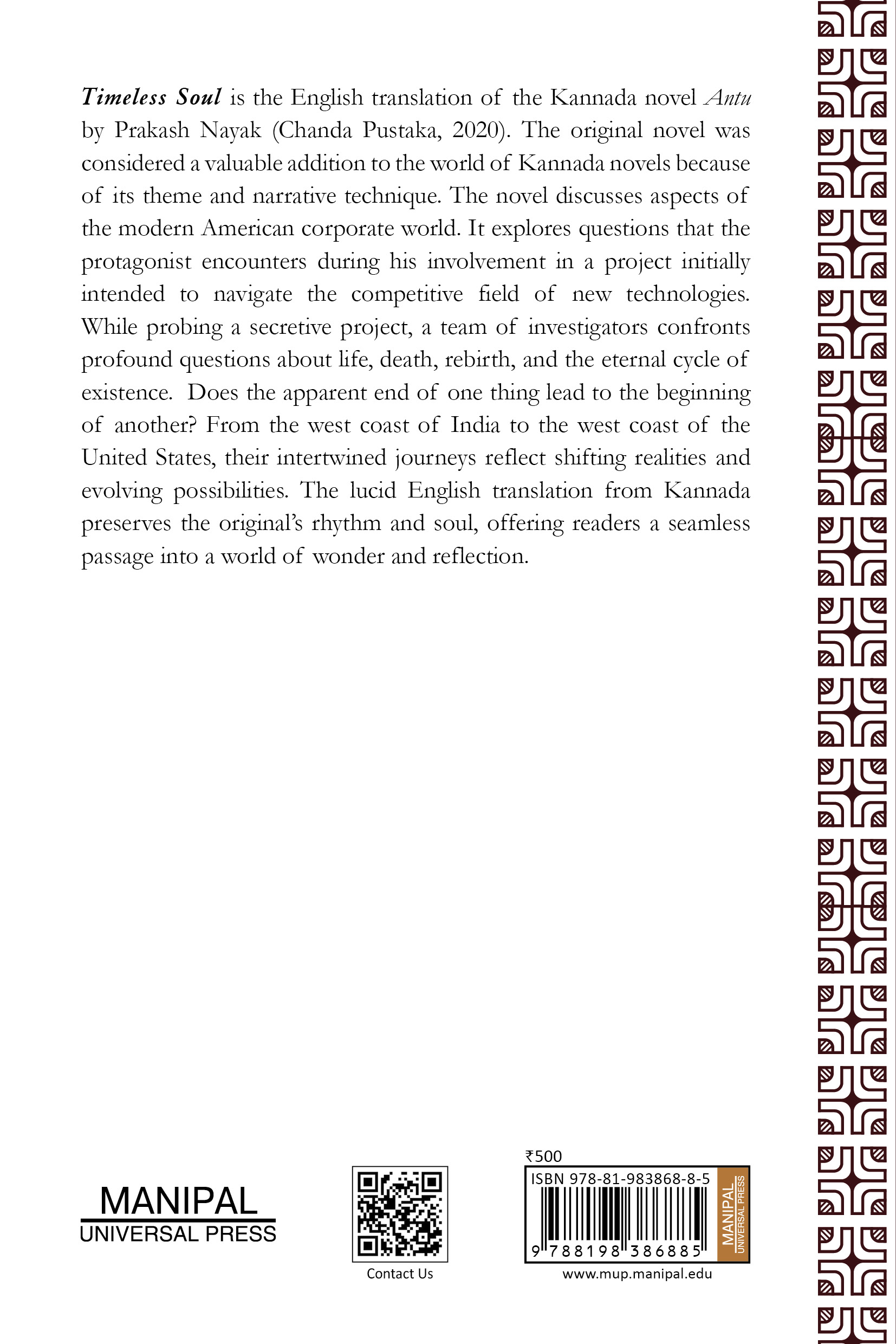
Timeless Soul is the English translation of the Kannada novel Antu by Prakash Nayak (Chanda Pustaka, 2020). The original novel was considered a valuable addition to the world of Kannada novels because of its theme and narrative technique. The novel discusses aspects of the modern American corporate world. It explores questions that the protagonist encounters during his involvement in a project initially intended to navigate the competitive field of new technologies. While probing a secretive project, a team of investigators confronts profound questions about life, death, rebirth, and the eternal cycle of existence. Does the apparent end of one thing lead to the beginning of another? From the west coast of India to the west coast of the United States, their intertwined journeys reflect shifting realities and evolving possibilities. The lucid English translation from Kannada preserves the original’s rhythm and soul, offering readers a seamless passage into a world of wonder and reflection.
Interested readers may write to us at mup@manipal.edu about purchasing the book.
Also available on |
| Format |
|---|
Customer Reviews
There are no reviews yet.
Related products
-
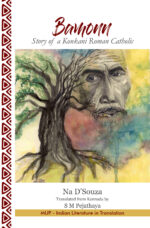
Bamonn: Story of a Konkani Roman Catholic
₹255.00Author: Na D’Souza Translator: S M Pejathaya
Konkani Roman Catholic Christians were converted from other groups by Goan Missionaries long back, keeping the caste system tradition to a large extent in layers such as the Bamonn, the Charodi, the Gawdi, the Nendar, the Shudra, etc. At the time of marriages and other social gatherings they continue to consider caste system norms and customs in the community. Caste system in Indian Christians is vividly described in the novel Bamonn. Christopher Pai of Kalyanpura hails from a Bamonn family and takes great pride in his ancestry. He believes in the stories about his Konkani Roman Catholic ancestors from his elders and about their being true Christians, holding on to their faith despite tremendous pressure to convert to Islam during Tipu Sultan’s regime. He also believes Bamonns are superior to other Christians in the community. After retiring from his job of a Headmaster, he refuels his obsession to retrace his roots and find out the truth about his ancestors. In his journey of self-assurance and faith, will he succeed in his mission to convince his family, his children and the community at large of his glorious ancestry and in still pride in the next generation? . . .
Interested readers may write to us at mup@manipal.edu about purchasing the book.
Also available on
-
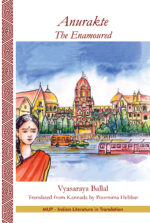
Anurakte- The Enamoured
₹390.00Author: Vyasaraya Ballal Translator: Poornima Hebbar
There are many rags-to-riches stories around the city of Mumbai. However, here is a story of transformation of a woman and her true self in the city of dreams. Set in Mangalore and Mumbai of the late 1940s, Anurakte- The Enamoured is an elegantly written story of a woman and her changing worldview over a period of time. Sumithra, a young woman with ordinary dreams and aspirations, comes to the then Bombay in search of livelihood. Little did she know that her experiences in the city and her zest for an independent life would transform her into a different person. She breaks the shell and resolves not to look back. The book is a poignant tale of love, loss, betrayal, family, relationships and traditions. The culturescape of Mumbai beautifully intertwines with her dreams. It is as much a story of the vibrancy of Mumbai as it is about Sumithra’s journey towards freedom.
Interested readers may write to us at mup@manipal.edu about purchasing the book.
Also available on
-
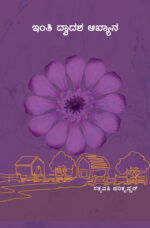
Inti Dvadasha Akhyana
₹120.00Author: Sathyavathi Harikrishnan
ಸತ್ಯವತಿ ಹರಿಕೃಷ್ಣನ್ ಹಾಸ್ಯಬರವಣಿಗೆಯಲ್ಲಿ ಸುಮಾರು ಎರಡು ದಶಕಗಳಿಂದ ತನ್ನನ್ನು ತೊಡಗಿಸಿಕೊಂಡಿರುವ ಕವಯಿತ್ರಿ. ಇವರ ಹಾಸ್ಯಲೇಖನಗಳು ತರಂಗ, ತುಷಾರ, ಮಯೂರ, ಕರ್ಮವೀರದಂಥ ನಿಯತಕಾಲಿಕಗಳಲ್ಲಿ, ಉದಯವಾಣಿ, ಪ್ರಜಾವಾಣಿ ಮುಂತಾದವುಗಳಲ್ಲಿಯೂ ಪ್ರಕಟಗೊಂಡಿವೆ. 2002ರಲ್ಲಿ ಡೆಟ್ರಾಯಿಟ್ ನಲ್ಲಿ ನಡೆದ “ಅಕ್ಕ” ವಿಶ್ವ ಕನ್ನಡ ಸಮ್ಮೇಳನದ ಸ್ಮರಣ ಸಂಚಿಕೆಯಲ್ಲಿ ಇವರ “ಗುಂಡ್ರಾಮನ ಚಿಕಿತ್ಸಾಯಣ’ ಎಂಬ ಕೃತಿ ಪ್ರಕಟವಾಗಿದೆ. ಸನ್ಮಾನ್ಯರಾದ ದೇಜಗೌ ಮತ್ತು ಜಿಟಿನಾರವರ ಸಂಪಾದಕತ್ವದಲ್ಲಿ ಪ್ರಕಟವಾದ “ಪುಸ್ತಕ ಪ್ರಪಂಚ’ದಲ್ಲಿ ಇವರ ಅನುವಾದಿತ ಲೇಖನಗಳು ಪಡಿಮೂಡಿವೆ. “ಕುಂಬಾಸ’, “ನುಗ್ಗೇಹಳ್ಳಿ ಪಂಕಜ’ವೇ ಮೊದಲಾದ ಪ್ರಶಸ್ತಿಗಳನ್ನು ಪಡೆದಿರುವ ಸತ್ಯವತಿಯವರು ಈಗಾಗಲೇ ಐದು ಹಾಸ್ಯ ಸಂಕಲನಗಳನ್ನು ರಚಿಸಿದ್ದಾರೆ. ಅವರ ಆರನೆಯ ಹಾಸ್ಯ ಸಂಕಲನವೇ – “ಇಂತಿ ದ್ವಾದಶ ಆಖ್ಯಾನ’. ಹಾಸ್ಯದಲ್ಲಿ ಅಪಹಾಸ್ಯ, ತಿಳಿಹಾಸ್ಯ, ವ್ಯಂಗ್ಯ ಮುಂತಾದ ಪ್ರಭೇದಗಳಿವೆ. ವ್ಯಂಗ್ಯಮಿಶ್ರಿತವಾದ ತಿಳಿಹಾಸ್ಯ ಒಂದೇ ಕಾಲದಲ್ಲಿ ಎರಡು ಉದ್ದೇಶಗಳನ್ನು ಹೊಂದಿರುತ್ತವೆ. ಅದು ಮೇಲ್ನೋಟಕ್ಕೆ ಮನೋರಂಜನೆಯಾಗಿ ಕಂಡರೂ, ಅದರ ಇಂಗಿತ ಓದುಗರನ್ನು ಗಂಭೀರ ಚಿಂತನೆಗೆ ತೊಡಗುವಂತೆ ಮಾಡುವುದಾಗಿರುತ್ತದೆ. ವ್ಯಕ್ತಿಯನ್ನು ನೋಯಿಸದೇ ಲಘುಹಾಸ್ಯ-ವ್ಯಂಗ್ಯಗಳಿಂದ ಸ್ವವಿಮರ್ಶೆ ಮಾಡಿಕೊಳ್ಳುವಂತೆ ಪ್ರೇರೇಪಿಸುವುದು ಹಾಸ್ಯದ ಕಲಾತ್ಮಕ ಪ್ರಕ್ರಿಯೆ. ಶ್ರೀಮತಿ ಸತ್ಯವತಿಯವರ ಈ ಕೃತಿಯಲ್ಲಿ ಇಂತಹ ಒಂದು ಪ್ರಯತ್ನವನ್ನು ನಾವು ಕಾಣಬಹುದು. “ಇಂತಿ ದ್ವಾದಶ ಆಖ್ಯಾನ’ದಲ್ಲಿ ಹನ್ನೆರಡು ವೈವಿಧ್ಯಮಯ ಸಣ್ಣ ಹಾಸ್ಯಲೇಖನಗಳಿವೆ. ಸತ್ಯವತಿಯವರು ನಮ್ಮ ಜೀವನದ ಸಾಮಾನ್ಯ ಘಟನೆಗಳನ್ನೇ ರಂಗುರಂಗಾಗಿ ತಿಳಿಹಾಸ್ಯದ ಮೂಲಕ ಈ ಕೃತಿಯಲ್ಲಿ ತೋರಿಸಿದ್ದಾರೆ. ಕಾಲ್ಪನಿಕ ಘಟನೆಗಳಲ್ಲಿ ಹಾಸ್ಯದ ಪಾತ್ರಗಳನ್ನು ಸೃಷ್ಟಿಸಿ, ಗಂಭೀರ ವಿಚಾರಗಳನ್ನು ಮನಮುಟ್ಟುವಂತೆ ನಿರೂಪಿಸುವ ಲೇಖಕಿಯ ಶೈಲಿಯು ಅಪೂರ್ವವಾದದ್ದು. ಪ್ರತಿ ಕತೆಯ ಶೀರ್ಷಿಕೆಯಲ್ಲೇ ಹಾಸ್ಯ ತುಂಬಿರುವ ಈ ಕೃತಿಯು ಓದುಗರನ್ನು ನಗಿಸುವಲ್ಲಿ ಯಶಸ್ವಿಯಾಗುತ್ತದೆ.
Interested customers may write to us at mup@manipal.edu about purchasing the book.
Also available on
-
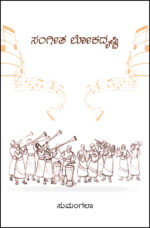
Sangita Lokadrishti
₹295.00Author: Sumangala
ತಂದೆ-ಮಗಳ ಸುರಬಹಾರಿನ ಸಂಗೀತಬಂಧದ ಚಿತ್ರಣದಿಂದ ಆರಂಭಗೊಳ್ಳುವ ಈ ಕಿರುಕೃತಿಯು ಸಾಗರ ವೀಣೆ ರೂಪುಗೊಳಿಸಿದ ಇನ್ನೊಂದು ತಂದೆ-ಮಗಳ ಸಂಗೀತಬಂಧದ ಚಿತ್ರಣದೊಂದಿಗೆ ಮುಕ್ತಾಯವಾಗುತ್ತದೆ. ಇಲ್ಲಿ ನಾಲ್ವರು ಸಂಗೀತಗಾರರ ಬದುಕಿನ ಕೆಲವು ಸನ್ನಿವೇಶಗಳು, ಸಂಗೀತಪಯಣದಲ್ಲಿ ಅವರು ಸಾಗಿದ ಹಾದಿ, ಕಠಿಣ ಸಂದರ್ಭಗಳು, ಅವರ ಸಾಂಗೀತಿಕ ಮನೋಧರ್ಮ, ರಾಗರೂಪದ ಕುರಿತ ದೃಷ್ಟಿಕೋನ, ಇತ್ಯಾದಿ ಅಂಶಗಳ ಸ್ಥೂಲ ಚಿತ್ರಣವಿದೆ.
ಸುರಬಹಾರಿನ ದಂತಕಥೆಯೆಂದೇ ಹೇಳಬಹುದಾದ ವಿದುಷಿ ಅನ್ನಪೂರ್ಣಾ ದೇವಿಯವರ ಖಾಸಗಿ ಬದುಕು, ಏಕಾಂತ ನಿಗೂಢವೆನ್ನಿಸುವ ಹಾಗೆಯೇ ಮೈಹರ್ ಘರಾನೆಯ ಸ್ವರಸಂಪತ್ತನ್ನು ಶಿಷ್ಯರಿಗೆ ಧಾರೆಯೆರೆದು ಕಲಿಸುತ್ತ, ಹಲವರನ್ನು ಮೇರು ಕಲಾವಿದರಾಗಿ ರೂಪುಗೊಳಿಸಿದ ಬಗೆಯೂ ಅನನ್ಯ. ಕೃತಿಯಲ್ಲಿ ಚಿತ್ರಿಸಿದ ಇನ್ನುಳಿದ ಮೂವರು ಸಂಗೀತಗಾರರು ನಮ್ಮ ನೆರೆಯ ಪಾಕಿಸ್ತಾನದ ಶಾಸ್ತ್ರೀಯ ಸಂಗೀತ ಪರಂಪರೆಯನ್ನು ಇನ್ನಷ್ಟು ಸಮೃದ್ಧಗೊಳಿಸಿದವರು.
“ಏ ದಯ್ಯಾ… ಕಹಾಂ ಗಯೇ ವೇ ಲೋಗ್… ಬ್ರಿಜ ಕೆ ಬಸಯ್ಯಾ…”
ಮನುಷ್ಯರ ನಡುವೆ ಹತ್ತುಹಲವು ಬಗೆಯ ದ್ವೇಷದ ಗೋಡೆಗಳು ಎದ್ದು ನಿಂತಿರುವ ಇಂದಿನ ದಿನಮಾನದಲ್ಲಿ ಭಿನ್ನತೆಗಳಿದ್ದರೂ ಪರಸ್ಪರ ಸಂವಾದ ನಡೆಸುತ್ತಿದ್ದ ಆ ಜನರನ್ನು, ಆ ಕಾಲಘಟ್ಟವನ್ನು ಮತ್ತೆ ಕಂಡುಕೊಳ್ಳಲು ಬಹುಶಃ ಇಂತಹ ಸಂಗೀತಗಾರರ ಕೊರಳೊಳಗಿನ, ಬೆರಳೊಳಗಿನ ಸ್ವರಗಳೇ ನಮ್ಮ ಕೈಹಿಡಿದು ಮುನ್ನಡೆಸಬೇಕಿದೆ.
Interested readers may write to us at mup@manipal.edu about purchasing the book.
Also available on
-
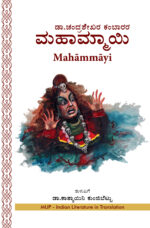
Mahāmmāyi
₹195.00Author: Chandrasekhara Kambara, Translator: Kathyayini Kunjibettu
Mahāmmāyi is the story of the legend of Shatavithaayi – the Goddess of death, and her adopted son Sambhashiva. Out of affection for her son, Goddess Shatavithaayi blesses him with the “power of life”. The blessing was that death will evade the people who are treated by Sambashiva. But a certain condition set by Shatavithaayi forbade him from healing every ill man. The condition was that, if Shatavithaayi stood on the right side of the patient, Sambhashiva could treat that person and he would live; but, if she stood on the left side of the patient, he should not treat that person as his death was inevitable. Through a distinct method of story-telling, the story follows the life of Sambhashiva as he begins to question the ideas of fate and destiny. Thus, the conflict between fate and human efforts to change that fate is vividly described in this play.Interested readers may write to us at mup@manipal.edu about purchasing the book.
Also available on
-
Ati Sannakathe: Swarupa, Siddhi Mattu Sadhyate
₹160.00Author: T P Ashoka
ಕಲ್ಪನೆ ಎಂಬುದು ಸತ್ಯಕ್ಕಿಂತ ಹೆಚ್ಚು ಸತ್ಯ, ಕನಸು ಎಂಬುದು ವಾಸ್ತವಕ್ಕಿಂತ ಹೆಚ್ಚು ವಾಸ್ತವ ಎಂಬುದು ಅತಿ ಸಣ್ಣಕತೆಗಳು ನಮಗೆ ಮನದಟ್ಟು ಮಾಡಿಕೊಡುವಂತೆ ಕಾಣುತ್ತವೆ. ಹೆಚ್ಚಿನ ಅತಿ ಸಣ್ಣಕತೆಗಳು ವಾಸ್ತವವಾದೀ ಮಾರ್ಗವನ್ನು ಬಿಟ್ಟುಕೊಟ್ಟಿರುವುದಕ್ಕೆ ಪ್ರಾಯಶಃ ಇದೇ ಕಾರಣ. ವಿವರಣೆ-ವರ್ಣನೆಗಳ ಹಂಗು ಇಲ್ಲದಿರುವುದರಿಂದ ಸಂಕ್ಷಿಪ್ತತೆ ಮತ್ತು ಸಾಂದ್ರತೆಗಳು ಇವುಗಳ ಸಹಜ ಲಕ್ಷಣಗಳಾಗಿವೆ. ಅಂತರಂಗದ ಆಳವನ್ನು, ಅಮೂರ್ತವನ್ನು, ಸಾಂಕೇತಿಕವಾದುದದ್ದನ್ನು ಮತ್ತೊಂದೇ ಸ್ತರದಲ್ಲಿ ಗ್ರಹಿಸಿ ಅಭಿವ್ಯಕ್ತಿಸಲು ಲೇಖಕರಿಗೆ ಈ ಪ್ರಕಾರ ಹೇಳಿ ಮಾಡಿಸಿದಂತಿದೆ. ಹಾಗಾಗಿ ಜಗತ್ತಿನ ಎಲ್ಲ ಭಾಷೆಗಳ ದೊಡ್ಡ ಲೇಖಕರು, ದೀರ್ಘವಾದ ಕತೆ-ಕಾದಂಬರಿಗಳನ್ನು ಬರೆದವರನ್ನೂ ಸೇರಿಸಿಕೊಂಡು, ಈ ಪ್ರಕಾರದಲ್ಲಿ ಕೃಷಿಮಾಡಿದ್ದಾರೆ. ತುಂಬ ಸೂಕ್ಷ್ಮವಾದ, ನಾಜೂಕಾದ ಸಂಗತಿಗಳನ್ನು ಸೂಚ್ಯವಾಗಿ, ಕೆಲವೊಮ್ಮೆ ಪರೋಕ್ಷವಾಗಿ, ಇನ್ನೂ ಕೆಲವು ವೇಳೆ ಮುಚ್ಚಿಟ್ಟು ಹೇಳಲು ಈ ಪ್ರಕಾರವು ತನ್ನ ಸ್ವರೂಪದ ಕಾರಣದಿಂದಲೇ ಅನುವು ಮಾಡಿಕೊಡುತ್ತದೆ. ಇದು ಆಧುನಿಕ ಪೂರ್ವದ ದಂತಕತೆ, ನೀತಿಕತೆ, ದೃಷ್ಟಾಂತ ಕತೆಗಳ ಆಧುನಿಕ ರೂಪವಾಗಿ ಕಂಡರೂ ಆಶ್ಚರ್ಯವಿಲ್ಲ.”
Interested readers may write to us at mup@manipal.edu about purchasing the book.
Also available on
eBook available on

-
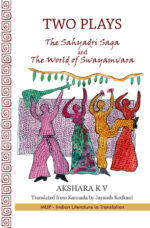
Two Plays – The Sahyadri Saga and The World of Swayamvara
₹199.00Author: Akshara K V Translator: Jayanth Kodkani
These two plays negotiate with the real problems of contemporary India. If Sahyadri Kanda is about the ripples caused in the life of the people in a village on the Western Coast which will soon have a nuclear plant, Swayamvaraloka, is an allegorical narrative set in a small village that extends to include the larger contemporary world. Both the plays dwell on the seeming binaries of village-city, success-failure, modern-traditional while examining the nature of human relationships in the changing world. These plays also reflect an ambition to elevate the real experience to a mythical level. While most playwrights attempt to echo contemporary concerns by reinterpreting history and mythology, for these plays, the epics, their grandeur, the struggle, the wars are not episodes that happen in kingdoms and palaces and battlefields, they are also that which takes place in the microworld of one’s consciousness. Each character in these plays find their own dharma, yet it offers no model for the reader, and remains only a pointer to the complex process of finding it.
Interested readers may write to us at mup@manipal.edu about purchasing the book.
Also available on
eBook available on
-
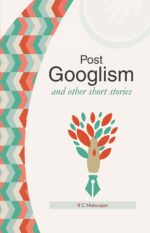
Post Googlism and Other Short Stories
₹350.00Author: R C Natarajan
This collection of short stories is for the fast-paced millennials, whom the author calls “The Post Googlist Generation” who want everything hastily, at their finger-tips and on the go. The language has also shrunk in size to allow the pace. The world-view of this generation is that what cannot be done through an app cannot and should not be done. Their expectations of a story are a striking start, a quickly built middle and an interesting end. Stories in the collection seek to meet these expectations of this generation talking to them in their own language. They also echo the changing lives and changing aspirations of the time.
Interested readers may write to us at mup@manipal.edu about purchasing the book.
Also available on
Be the first to review “Timeless Soul: A Quest for Immortality”
You must be logged in to post a review.