

Swapna Saraswatha
₹530.00
Author: Gopalakrishna Pai Translator: Sumathi Shenoy, M R Rakshith, Savita Sastri
Swapna Saraswatha is the saga of migration of a community called Saraswaths in the west coast of India, extending from Goa to the south of Mangalore. It captures the dominance of a colonial power over the region that began with the entry of the Portuguese about four hundred years ago. The novel is a graphic description of the displacement of this strongly-rooted community which saw its resurrection in a new area. In the course of its narrative, the novel traces the gradual changes in the structure of the family that moved from a closely knit joint family of the bygone era to the nuclear family. It also deals with the factors that are responsible for the change in value systems of individuals in the wake of such paradigm shifts. With its vast canvas, it remarkably weaves fiction with myth and history, peppered with cultural details and linguistic nuances. The narration in Swapna Saraswatha progresses in the form of an epic detailing the story of nine generations spread over a period of two hundred and fifty years from 1510 to about 1760. It encompasses more than a hundred and fifty characters which include Hindus, Muslims, Christians, chieftains, traders, farmers, priests and black magicians, and covers a range of themes spread across folk tales, legends, armies, myths and a sprinkling of history.
Out of stock
| Author | M R Rakshith, Savita Sastri, Sumathi Shenoy, Gopalakrishna Pai |
|---|---|
| Format |
Related products
-
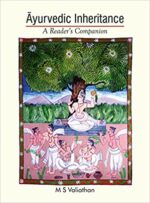
Ayurvedic Inheritance- A Reader’s Companion
₹650.00Author: M S Valiathan
In ancient India, learning spanned four quarters of one’s life. Learning was sought from the teacher, from one’s individual effort, from fellow students and in the last quarter, from the school of life itself. This book belongs to the third quarter for students of Ayurveda regardless of their background in medicine, science, or humanities. Apart from topics in the eight branches of Ayurveda, the book also deals with Ayurvedic Biology which seeks to study the concepts and procedures of Ayurveda with the tools of modern biology. M S Valiathan is a National Research Professor of the Government of India. He is a medical graduate from the University of Kerala and completed his postgraduate training in general surgery from the University of Liverpool and other hospitals in the UK. He did his specialisation in cardiac surgery from the Johns Hopkins and Georgetown University Hospitals in the US. He was a cardiac surgeon for over three decades. His shift to Ayurvedic studies resulted in the publication of three volumes on Caraka, Susruta and Vagbhata, and an Introduction to Ayurveda. The Department of Science and Technology set up a Task Force in Ayurvedic Biology under his chairmanship to promote research in the nascent discipline.
Interested readers may write to us at mup@manipal.edu about purchasing the book.
International Edition available on 
South Asia Edition available on

-
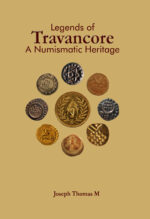
Legends of Travancore – A Numismatic Heritage
₹1,250.00The Kingdom of Travancore in the Southern part of India was a native state in British India which was well known for its progressive outlook. Its enlightened royalty ruled the country as Sree Padmanabha Dasa. They had in place a well oiled administrative mechanism that implemented various programs and reforms, resulting in an overall development of Travancore. Though Travancore was under the colonial rulers, there was a well-orchestrated administrative machinery for coinage. Coins were minted as per the specifications ordered by the periodically issued Royal Proclamations. It is creditable that Travancore retained its independence in its functioning to a large extent. This book is an insight into the coins of Modern Travancore (from 1729 AD) which not only reflects the religious beliefs of the rulers, but also sketches the socio-political atmosphere of the period. Dr Joseph Thomas hailing from Thiruvananthapuram, is a Professor of Urology at Manipal University in India. His passion for collecting coins developed into a serious numismatic pursuit. His special area of interest is the study of the history of Venad and Travancore. His detailed study of the Travancore coins and the various related issues give an insight into the rich numismatic heritage of modern Travancore. He is a Life Member of the Philatelic and Numismatic Association of Thiruvananthapuram and a Life Member of the South Indian Numismatic Society, Chennai.
Interested readers may write to us at mup@manipal.edu about purchasing the book.
Also available on
-

Colours of the Rainbow
₹450.00Author: Umesh Bhat
The author, through Colours of the Rainbow, tells us that everyone is destined for his/her own rainbow with a pot of gold at the other end if, one has a will, works hard on it, and with a little bit of luck. The book narrates the dream journey of a village boy.
Interested readers may write to us at mup@manipal.edu about purchasing the book.
Also available on
-
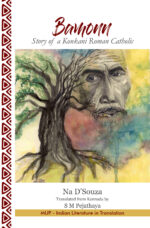
Bamonn: Story of a Konkani Roman Catholic
₹255.00Author: Na D’Souza Translator: S M Pejathaya
Konkani Roman Catholic Christians were converted from other groups by Goan Missionaries long back, keeping the caste system tradition to a large extent in layers such as the Bamonn, the Charodi, the Gawdi, the Nendar, the Shudra, etc. At the time of marriages and other social gatherings they continue to consider caste system norms and customs in the community. Caste system in Indian Christians is vividly described in the novel Bamonn. Christopher Pai of Kalyanpura hails from a Bamonn family and takes great pride in his ancestry. He believes in the stories about his Konkani Roman Catholic ancestors from his elders and about their being true Christians, holding on to their faith despite tremendous pressure to convert to Islam during Tipu Sultan’s regime. He also believes Bamonns are superior to other Christians in the community. After retiring from his job of a Headmaster, he refuels his obsession to retrace his roots and find out the truth about his ancestors. In his journey of self-assurance and faith, will he succeed in his mission to convince his family, his children and the community at large of his glorious ancestry and in still pride in the next generation? . . .
Interested readers may write to us at mup@manipal.edu about purchasing the book.
Also available on
-

Reliving the memories of an Indian forester: Memoir of S Shyam Sunder
₹450.00Editor: Shiv Someshwar
Shyam Sunder’s memoir is a series of vignettes, from numerous comedic to a tragic few. The life narrated is varied and never short of excitement – being ten yards from a charging tusker or a foot away from a King Cobra; defying orders of the chief minister; being hauled up for contempt of the high court, and discussing with Indira Gandhi the best way to eat avocados. Possessed of wit and passion, the narration lays bare the hubris of popular discourse on noble forest livelihoods, and unflinchingly narrates neglect of rural communities, as well as of forests, at times by the callous imposition of rules and regulations.
Interested readers may write to us at mup@manipal.edu about purchasing the book.
Also available on
-
Nanna Parni Shaale
₹290.00Author: Thakur S Powdyel Translator: N T Bhat
ನನ್ನ ಪರ್ಣ ಶಾಲೆ ಠಾಕೂರ್ ಎಸ್ ಪಡೆಯಲು ಅವರು ಇಂಗ್ಲಿಷಿನಲ್ಲಿ ರಚಿಸಿದ ಪುಸ್ತಕದ ಕನ್ನಡ ಅನುವಾದ, ಭೂತಾನ್ ರಾಜ್ಯದಲ್ಲಿ ರಾಷ್ಟ್ರವ್ಯಾಪಿಯಾಗಿ ಅಳವಡಿಸಲಾದ ಶಿಕ್ಷಣ ಯೋಜನೆಯನ್ನು ಪೌಡಿಯಲ್ “ಮೈ ಗ್ರೀನ್ ಸ್ಕೂಲ್” ಎಂಬ ಹೆಸರಿನಲ್ಲಿ ವಿವರಿಸಿದ್ದಾರೆ. ಮೂಲದ ಇಂಗ್ಲಿಷ್ ಶೀರ್ಷಿಕೆ ಹೊಂದಿಕೊಳ್ಳುವಂತ ಈ ಅನುವಾದಕ್ಕೆ ಪರ್ಣ ಶಾಲೆ ಎಂಬ ಶೀರ್ಷಿಕೆಯನ್ನು ನೀಡಲಾಗಿದೆ. ವಿದ್ಯಾರ್ಥಿ ವ್ಯಕ್ತಿತ್ವ ವನ್ನು ಸರ್ವಾಂಗೀಣ ವಾಗಿ ರೂಪಿಸುವ ಉದಾತ್ತ ಧೈರ್ಯವನ್ನು ಶಿಕ್ಷಣವು ಹೊಂದಿರಬೇಕೆಂಬುದನ್ನು ಈ ಪುಸ್ತಕದಲ್ಲಿ ಗಂಭೀರವಾಗಿ ಪ್ರತಿ ಪಾದಿಸುತ್ತಾರೆ. ಮನುಷ್ಯನು ಪ್ರಕೃತಿಯೊಂದಿಗೆ ತಾದಾತ್ಮ್ಯ ಭಾವವನ್ನು ಹೊಂದಿಕೊಳ್ಳುವುದು ಸರ್ವಾಂಗೀಣ ವ್ಯಕ್ತಿತ್ವದಲ್ಲಿ ಆಂತರ್ಗತವಾಗಿದೆ. ಶಿಕ್ಷಣಕ್ಕೆ, ಶಿಕ್ಷಣ ಸಂಸ್ಥೆಗಳಿಗೆ ಈ ಲಕ್ಷ್ಯವೂ ಇರಬೇಕೆಂಬುದು ಸ್ವತಸ್ಸಿದ್ದ. ಈ ನಿಟ್ಟಿನಲ್ಲಿ ಉದಾತ್ತ ಶಿಕ್ಷಣ ನೀಡುವ ಶಾಲೆಯನ್ನು ಗ್ರೀನ್ ಸ್ಕೂಲ್ ಎಂದು ಕರೆಯುವುದು ಸರ್ವಥಾ ಸ ರಿ. ಅಂತೆಯೇ ಈ ಶಿಕ್ಷಣ ನೀತಿಯನ್ನು ಭಾರತದಲ್ಲೂ ವ್ಯಾಪಕವಾಗಿ ಅಳವಡಿಸುವುದು ಅಪೇಕ್ಷಣೀಯ.
Also available on
eBook available on

-
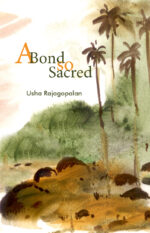
A Bond So Sacred
₹450.00A Bond So Sacred tells the story of Raman, a satyagrahi, who adopts Kokila, an orphan. He leaves the five year old in the care of his mother while he plunges into the freedom struggle. His nationalist fervour, however, clashes with his love for Amina, his charming neighbour who wants parental approval to their marriage. Raman’s mother is as staunch a Brahmin as Amina’s father is a Muslim. Will Raman be able to get their consent. The joy of India becoming an independent nation is marred by Gandhiji’s death. Raman’s fellow satyagrahis have gone their ways and he finds himself with no role to play in a rapidly changing country. Meanwhile, Kokila, his protégée, has her own battles to fight. As the years bring them together again, Kokila discovers truths about Raman that she would never have imagined. She is forced to confront the ghosts of the past, his and hers.
Interested readers may write to us at mup@manipal.edu about purchasing the book.
Also available on
-
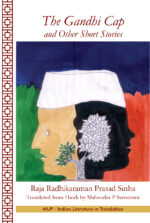
The Gandhi Cap and Other Short Stories
₹345.00Author: Raja Radhikaraman Prasad Sinha, Translator: Mahendra P Srivastava
The book The Gandhi Cap and Other Short Stories offers a glimpse into the lifetime of work of a forgotten pioneer of Hindi fiction, Raja Radhikaraman Prasad Sinha. It is ironic that one cannot find a single book by this author who was so dedicated to Hindi literature. The stories in this collection are a testament not only to the contributions of Sinha to Hindi fiction but also, reflect the depth of political and social milieu of the times. Many readers will be moved by the elements patriotism, feminism, secularism, and spiritualism in these stories. Strong female characters are common in most of these stories. These characters provide both a moral fulcrum to the stories as well as reflect the struggle of women to balance prevailing customs with modernity. Some of these stories provide sharp political and social commentary that still have currency (The Gandhi Cap). Sinha incorporates a unique style of writing that uses lyrical prose and poetry together. He even employs a dialogue between the storyteller and a social gathering in the form of an epilogue, to offer a discourse on social dilemma about women’s plight to become modern while admonishing them to retain their Indian essence (An Expensive Bargain). We hope the readers will enjoy this wonderful collection.
Interested readers may write to us at mup@manipal.edu about purchasing the book.
Also available on