

Swapna Saraswatha
₹530.00
Author: Gopalakrishna Pai Translator: Sumathi Shenoy, M R Rakshith, Savita Sastri
Swapna Saraswatha is the saga of migration of a community called Saraswaths in the west coast of India, extending from Goa to the south of Mangalore. It captures the dominance of a colonial power over the region that began with the entry of the Portuguese about four hundred years ago. The novel is a graphic description of the displacement of this strongly-rooted community which saw its resurrection in a new area. In the course of its narrative, the novel traces the gradual changes in the structure of the family that moved from a closely knit joint family of the bygone era to the nuclear family. It also deals with the factors that are responsible for the change in value systems of individuals in the wake of such paradigm shifts. With its vast canvas, it remarkably weaves fiction with myth and history, peppered with cultural details and linguistic nuances. The narration in Swapna Saraswatha progresses in the form of an epic detailing the story of nine generations spread over a period of two hundred and fifty years from 1510 to about 1760. It encompasses more than a hundred and fifty characters which include Hindus, Muslims, Christians, chieftains, traders, farmers, priests and black magicians, and covers a range of themes spread across folk tales, legends, armies, myths and a sprinkling of history.
Out of stock
| Author | M R Rakshith, Savita Sastri, Sumathi Shenoy, Gopalakrishna Pai |
|---|---|
| Format |
Related products
-
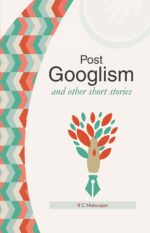
Post Googlism and Other Short Stories
₹350.00Author: R C Natarajan
This collection of short stories is for the fast-paced millennials, whom the author calls “The Post Googlist Generation” who want everything hastily, at their finger-tips and on the go. The language has also shrunk in size to allow the pace. The world-view of this generation is that what cannot be done through an app cannot and should not be done. Their expectations of a story are a striking start, a quickly built middle and an interesting end. Stories in the collection seek to meet these expectations of this generation talking to them in their own language. They also echo the changing lives and changing aspirations of the time.
Interested readers may write to us at mup@manipal.edu about purchasing the book.
Also available on

-
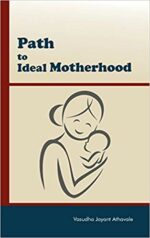
Path to Ideal Motherhood
₹300.00Path to Ideal Motherhood is a complete guide on pre-conceptual counselling, pregnancy and childbirth. Pregnancy is to nurture a life within, where a would-be mother experiences physical, psychological, emotional and societal changes. A complete knowledge of pregnancy, and a sincere and positive effort by the would-be mother is what is required to make this journey an enriching experience, filled with fond memories. The book discusses and provides a detailed information on important facts of childbirth and pregnancy, lifestyle changes during pregnancy, along with the importance of breathing, nutrition, exercises, sleep, etc. The book also discusses the concept of Garbha Sanskar for a healthy baby. As a young mother nurtures a young life, the book seeks to nurture the young mother towards an ideal path to motherhood.
-
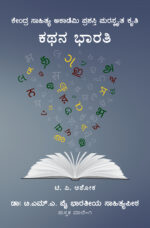
Kathana Bharathi
₹300.00Author: T P Ashoka
ಕಥನ ಭಾರತಿಯು ವಿವಿಧ ಭಾರತೀಯ ಭಾಷೆಗಳಾದ ಕನ್ನಡ, ಹಿಂದಿ, ಬೆಂಗಾಲಿ, ಗುಜರಾತಿ, ಮಲಯಾಳಂ, ಮರಾಠಿ, ಒರಿಯಾ, ಪಂಜಾಬಿ ಮತ್ತು ಉರ್ದುಗಳಲ್ಲಿ ಬರೆಯಲಾದ ಆಧುನಿಕ ಶ್ರೇಷ್ಠ ಸಾಹಿತ್ಯದ ಇಪ್ಪತ್ತು ಸಾಹಿತ್ಯ ವಿಮರ್ಶಾತ್ಮಕ ಪ್ರಬಂಧಗಳ ಸಂಗ್ರಹವಾಗಿದೆ. ಪುಸ್ತಕದಲ್ಲಿ ಚರ್ಚಿಸಲಾದ ಭಾರತೀಯ ಲೇಖಕರಲ್ಲಿ ಜನಪ್ರಿಯ ಲೇಖಕರಾದ ಅಲೋಕ್ ಭಲ್ಲಾ, ಅಮೃತಾ ಪ್ರೀತಮ್, ಬೇಗಂ ರೋಕ್ವಿಯಾ ಸಖಾವತ್ ಹುಸೇನ್, ಭೀಮರಾವ್ ರಾಮ್ಜಿ ಅಂಬೇಡ್ಕರ್, ಭೀಶಮ್ ಸಾಹ್ನಿ, ಚಂದ್ರಶೇಖರ ಕಂಬಾರ, ಗಿರೀಶ್ ರಘುನಾಥ್ ಕಾರ್ನಾಡ್, ಗೋಪಿನಾಥ್ ಮೊಹಾಂತಿ, ಜಾನಕಿ ಶ್ರೀನಿವಾಸ ಮೂರ್ತಿ (ವೈದೇಹಿ, ಕೋತಾ ಸುನಿವಾಸ ಮೂರ್ತಿ) ಸೇರಿದ್ದಾರೆ. ಶಿವರಾಮ ಕಾರಂತ್, ಲಕ್ಷ್ಮಣ ಮಾನೆ, ಮಹಾಶ್ವೇತಾದೇವಿ, ಮಾಸ್ತಿ ವೆಂಕಟೇಶ ಅಯ್ಯಂಗಾರ್, ಮೋಹನ್ದಾಸ್ ಕರಮಚಂದ್ ಗಾಂಧಿ, ಮುನ್ಷಿ ಪ್ರೇಮಚಂದ್, ಪನ್ನಾಲಾಲ್ ನಾನಾಲಾಲ್ ಪಟೇಲ್, ರವೀಂದ್ರನಾಥ ಠಾಗೋರ್, ಸಾದತ್ ಹಸನ್ ಮಂಟೋ, ತಕಳಿ ಶಿವಶಂಕರ ಪಿಳ್ಳೈ, ಉಡುಪಿ ರಾಜಗೋಪಾಲಾಚಾರ್ಯ ಅನಂತಮೂರ್ತಿ ಮತ್ತು ಯಶಪಾಲ. ಇಪ್ಪತ್ತು ಸಾಹಿತ್ಯ ವಿಮರ್ಶಾತ್ಮಕ ಪ್ರಬಂಧಗಳು ತಮ್ಮ ಆಯ್ದ ಬರಹಗಳನ್ನು ಪರಿಶೀಲಿಸುತ್ತವೆ, ಪರಿಚಯಿಸುತ್ತವೆ, ಚರ್ಚಿಸುತ್ತವೆ ಮತ್ತು ವ್ಯಾಖ್ಯಾನಿಸುತ್ತವೆ. ಕಳೆದ ನೂರೈವತ್ತು ವರ್ಷಗಳಲ್ಲಿ ಭಾರತೀಯ ಶ್ರೇಷ್ಠ ಲೇಖಕರು ತಮ್ಮ ಸಮಯ ಮತ್ತು ಜಾಗಕ್ಕೆ ಹೇಗೆ ಪ್ರತಿಕ್ರಿಯಿಸಿದ್ದಾರೆ ಮತ್ತು ಪ್ರತಿಕ್ರಿಯಿಸಿದ್ದಾರೆ ಎಂಬುದನ್ನು ಈ ಲೇಖನಗಳು ಪರಿಶೀಲಿಸುತ್ತವೆ. ವಸಾಹತುಶಾಹಿ ಅನುಭವ, ವಿಭಜನೆಯ ಆಘಾತ ಮತ್ತು ಸ್ವಾತಂತ್ರ್ಯಾನಂತರದ ಸಾಮಾಜಿಕ ರಾಜಕೀಯ ಬೆಳವಣಿಗೆಗಳು ಈ ಬರಹಗಾರರ ಬರಹಗಳಲ್ಲಿ ಪ್ರಬಲ ನಿರೂಪಣೆಗಳು ಮತ್ತು ರೂಪಕಗಳ ರೂಪದಲ್ಲಿ ಅಭಿವ್ಯಕ್ತಿಯನ್ನು ಕಂಡುಕೊಂಡಿವೆ. ಟಿ ಪಿ ಅಶೋಕ ಅವರ ಕಥನ ಭಾರತಿ ಈ ಬರಹಗಳ ವಿಮರ್ಶೆ. ಆಧುನಿಕ ಭಾರತೀಯ ಸಾಹಿತ್ಯದಲ್ಲಿನ ಈ ಅಧ್ಯಯನಗಳು ಆಧುನಿಕ ಭಾರತೀಯ ಸಾಹಿತ್ಯ ವಿಮರ್ಶೆಗೆ ಅಮೂಲ್ಯ ಕೊಡುಗೆಯಾಗಿದೆ. ಪುಸ್ತಕವು ಸಾಹಿತ್ಯದ ವಿದ್ಯಾರ್ಥಿಗಳು, ಸಂಶೋಧಕರು ಮತ್ತು ಶಿಕ್ಷಕರಿಗೆ ಆಸಕ್ತಿದಾಯಕ ಓದುವಿಕೆಯನ್ನು ಒದಗಿಸುತ್ತದೆ ಆದರೆ ಸಾಮಾನ್ಯ ಓದುಗರನ್ನೂ ಆಕರ್ಷಿಸುತ್ತದೆ.
Interested readers may write to us at mup@manipal.edu about purchasing the book.Also available on
-
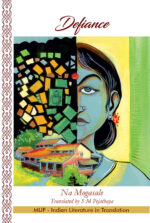
Defiance
₹495.00Defiance is a captivating tale of the march of globalization and its impact on the lives and times of the Santher Guthu family in Ombathkere, a village located between Mangaluru and Kasaragodu. Set in the picturesque Malabar coast of Karnataka in the late 20th Century, the novel takes the reader through four generations of the family. Ambakke, the protagonist, along with her brother Sankappa Hegde, the third-generation descendants of the family form the lifeblood of this story of human relationships in the midst of time and change. The novel is born out of deep contemplation of a community in the face of transition. There is anxiety that grips this part of Karnataka in the wake of modernity. The vast canvas of the novel and the depiction of folk culture provides a unique touch to the saga of the community. Defiance is a novel about traditions and the fear of losing out to modernity. It is about change and the desire to remain rooted.
Interested readers may write to us at mup@manipal.edu about purchasing the book.
Also available on
-
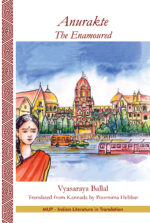
Anurakte- The Enamoured
₹390.00Author: Vyasaraya Ballal Translator: Poornima Hebbar
There are many rags-to-riches stories around the city of Mumbai. However, here is a story of transformation of a woman and her true self in the city of dreams. Set in Mangalore and Mumbai of the late 1940s, Anurakte- The Enamoured is an elegantly written story of a woman and her changing worldview over a period of time. Sumithra, a young woman with ordinary dreams and aspirations, comes to the then Bombay in search of livelihood. Little did she know that her experiences in the city and her zest for an independent life would transform her into a different person. She breaks the shell and resolves not to look back. The book is a poignant tale of love, loss, betrayal, family, relationships and traditions. The culturescape of Mumbai beautifully intertwines with her dreams. It is as much a story of the vibrancy of Mumbai as it is about Sumithra’s journey towards freedom.
Interested readers may write to us at mup@manipal.edu about purchasing the book.
Also available on
-
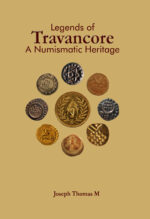
Legends of Travancore – A Numismatic Heritage
₹1,250.00The Kingdom of Travancore in the Southern part of India was a native state in British India which was well known for its progressive outlook. Its enlightened royalty ruled the country as Sree Padmanabha Dasa. They had in place a well oiled administrative mechanism that implemented various programs and reforms, resulting in an overall development of Travancore. Though Travancore was under the colonial rulers, there was a well-orchestrated administrative machinery for coinage. Coins were minted as per the specifications ordered by the periodically issued Royal Proclamations. It is creditable that Travancore retained its independence in its functioning to a large extent. This book is an insight into the coins of Modern Travancore (from 1729 AD) which not only reflects the religious beliefs of the rulers, but also sketches the socio-political atmosphere of the period. Dr Joseph Thomas hailing from Thiruvananthapuram, is a Professor of Urology at Manipal University in India. His passion for collecting coins developed into a serious numismatic pursuit. His special area of interest is the study of the history of Venad and Travancore. His detailed study of the Travancore coins and the various related issues give an insight into the rich numismatic heritage of modern Travancore. He is a Life Member of the Philatelic and Numismatic Association of Thiruvananthapuram and a Life Member of the South Indian Numismatic Society, Chennai.
Interested readers may write to us at mup@manipal.edu about purchasing the book.
Also available on
-
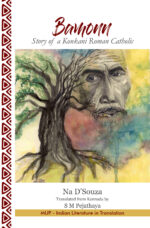
Bamonn: Story of a Konkani Roman Catholic
₹255.00Author: Na D’Souza Translator: S M Pejathaya
Konkani Roman Catholic Christians were converted from other groups by Goan Missionaries long back, keeping the caste system tradition to a large extent in layers such as the Bamonn, the Charodi, the Gawdi, the Nendar, the Shudra, etc. At the time of marriages and other social gatherings they continue to consider caste system norms and customs in the community. Caste system in Indian Christians is vividly described in the novel Bamonn. Christopher Pai of Kalyanpura hails from a Bamonn family and takes great pride in his ancestry. He believes in the stories about his Konkani Roman Catholic ancestors from his elders and about their being true Christians, holding on to their faith despite tremendous pressure to convert to Islam during Tipu Sultan’s regime. He also believes Bamonns are superior to other Christians in the community. After retiring from his job of a Headmaster, he refuels his obsession to retrace his roots and find out the truth about his ancestors. In his journey of self-assurance and faith, will he succeed in his mission to convince his family, his children and the community at large of his glorious ancestry and in still pride in the next generation? . . .
Interested readers may write to us at mup@manipal.edu about purchasing the book.
Also available on
-
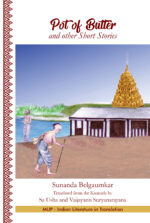
Pot of Butter and other short stories
₹250.00Author: Sunanda Belgaumkar Translator: Sa Usha, Vaijayanti Suryanarayana
Pot of Butter and other Short Stories is a collection of nine short stories, originally composed by Sunanda Belgaumkar in Kannada, handpicked and translated from her collections – Kajjaya and Koduvudenu Kombudenu. The bulk of her literary work including the stories in this book are inspired by the experiences in her early life, in the rustic and robust atmosphere of Dharwad. Her stories are predominantly semiautobiographical, laced with a liberal dose of artistic freedom.
This collection weaves together her writings on the underprivileged and marginalized as seen from the comfort of her palatial home, but rendered with compassion and empathy. Often, we find her narrative infused with self-directed questions such as, “What if I was in her shoes? ” or “Could that have been me? ” These stories are reflections on human nature, suffering, and destiny. There is hope, there is despair. There is love, there is longing. There is defeat, and there is triumph. In her stories, an oft-recurring metaphor for picking up one’s life after loss is a scorching summer followed by a torrential downpour and subsequently a plant springing to life.
As a translation, this book attempts to introduce Sunanda Belgaumkar’s literary and artistic creations to the non-Kannada reader, retaining as much of the indigenous elements of the original writings as possible. In doing so, it seeks to preserve the cultural climate of North Karnataka as it was around fifty years ago.
Interested readers may write to us at mup@manipal.edu about purchasing the book.
Also available on