
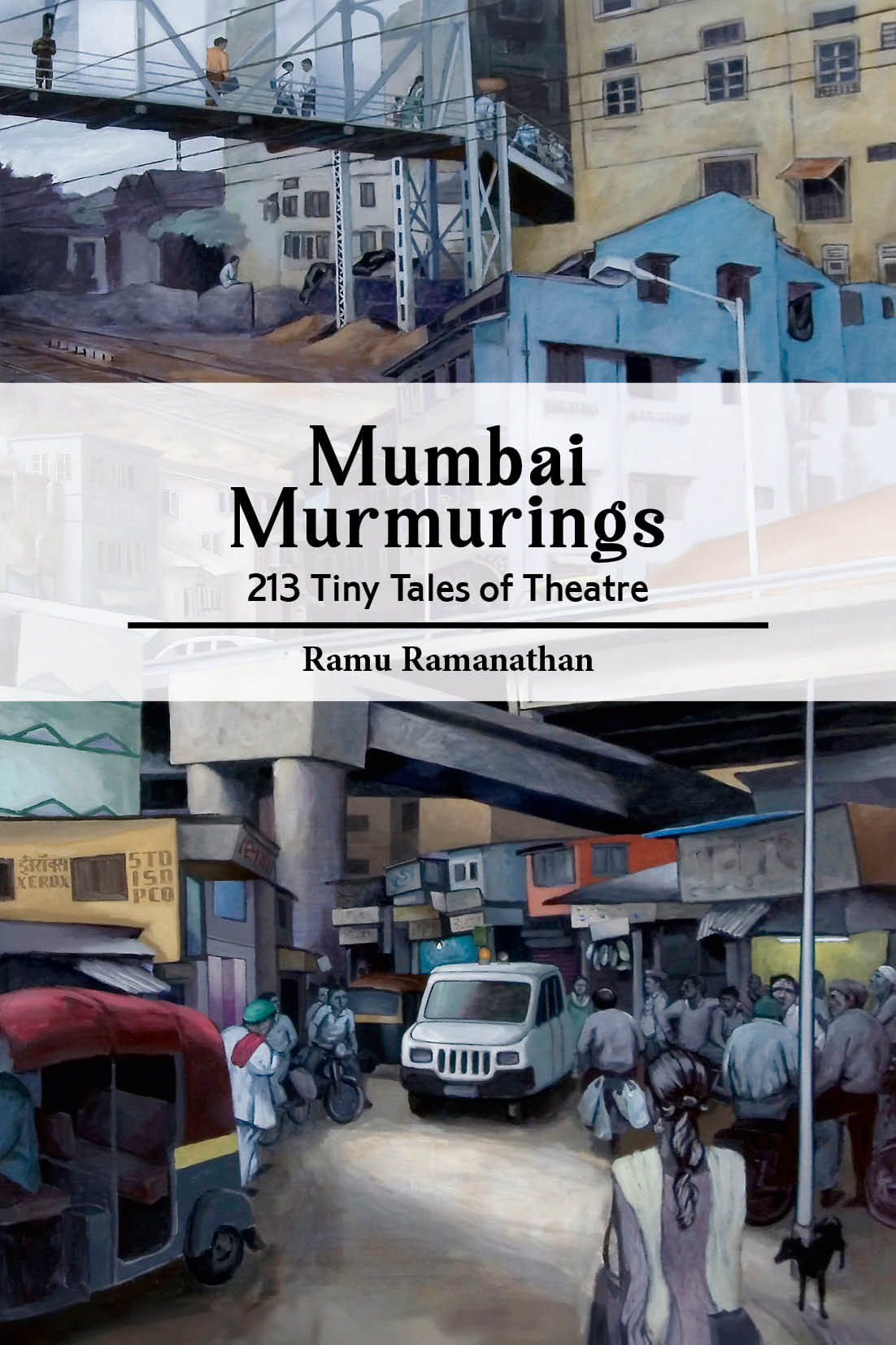
Mumbai Murmurings: 213 Tiny Tales of Theatre
₹640.00
Author: Ramakrishnan Ramanathan
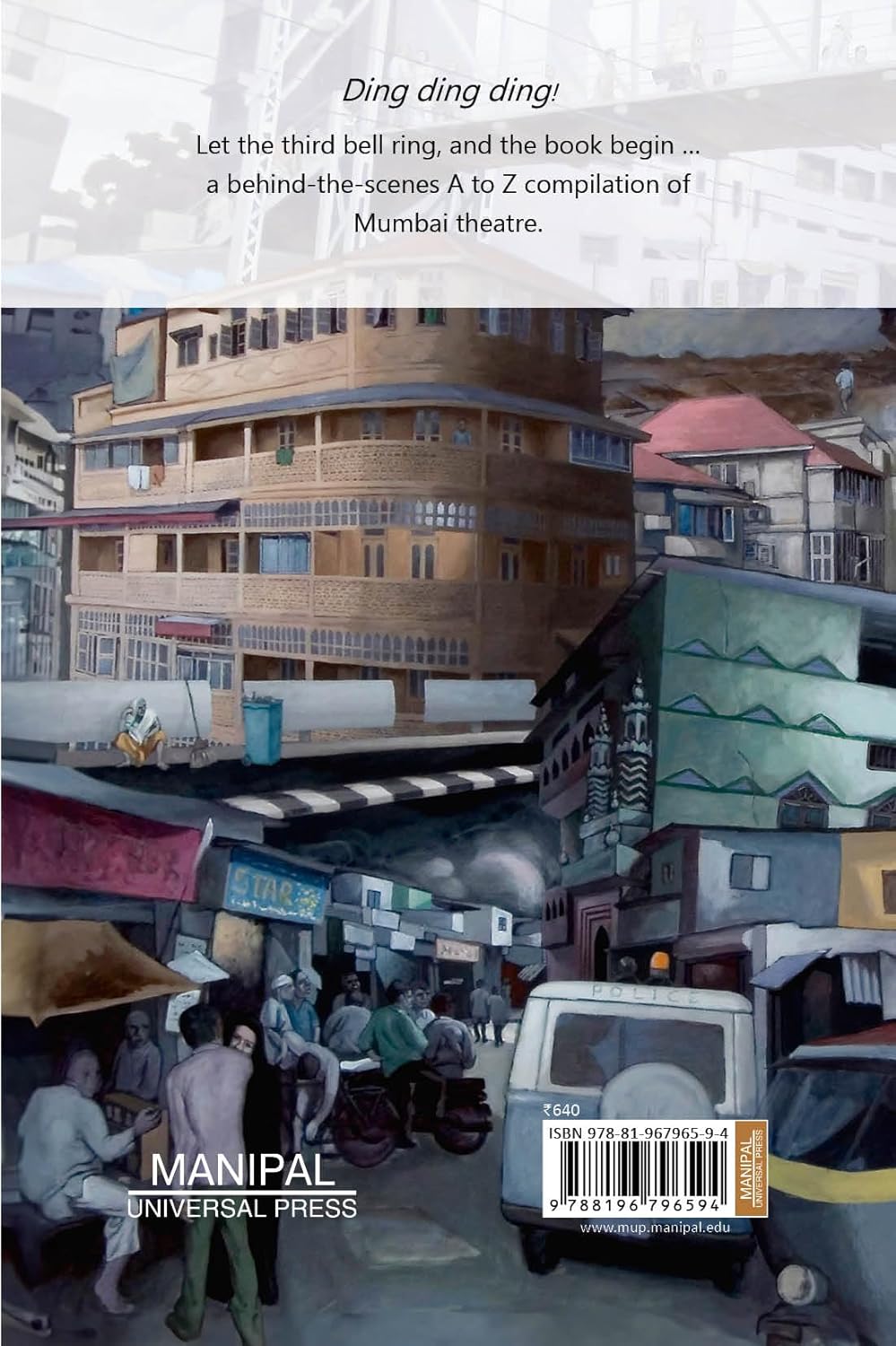
Mumbai Murmurings: 213 Tiny Tales of Theatre is an anecdotal compilation of behind-the-scenes experiences of Mumbai theatre. Alphabetically structured, each letter contains an abundance of stories, connected by a subjective commentary in the form of “Greenroom Gupshup”. This book takes the readers through the memory lanes of theatrewalas: it introduces personages, notable street corners and khanawals, and remarks upon play performances through the years.
Interested readers may write to us at mup@manipal.edu about purchasing the book.
Also available on

| Format | |
|---|---|
| Author |
Related products
-
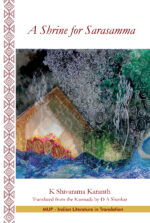
A Shrine for Sarasamma
₹180.00Author: Shivarama Karanth Translator: D A Shankar
A Shrine for Sarasamma is the English translation of Sarasammana Samadhi written by K Shivarama Karanth in 1937, in his early thirties. It offers one of the most authentic and searing accounts of Indian womanhood, which consistently, and through the ages, has suffered deep anguish, humiliation and crushing insult from the oppressive patriarchal culture prevalent in all parts of India and among all castes and classes. The novel is a classic in Kannada and the English translation is an attempt to bring to the English reading audience a taste of the regional classic.
Interested readers may write to us at mup@manipal.edu about purchasing the book.
Also available on
-
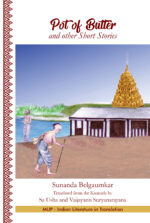
Pot of Butter and other short stories
₹250.00Author: Sunanda Belgaumkar Translator: Sa Usha, Vaijayanti Suryanarayana
Pot of Butter and other Short Stories is a collection of nine short stories, originally composed by Sunanda Belgaumkar in Kannada, handpicked and translated from her collections – Kajjaya and Koduvudenu Kombudenu. The bulk of her literary work including the stories in this book are inspired by the experiences in her early life, in the rustic and robust atmosphere of Dharwad. Her stories are predominantly semiautobiographical, laced with a liberal dose of artistic freedom.
This collection weaves together her writings on the underprivileged and marginalized as seen from the comfort of her palatial home, but rendered with compassion and empathy. Often, we find her narrative infused with self-directed questions such as, “What if I was in her shoes? ” or “Could that have been me? ” These stories are reflections on human nature, suffering, and destiny. There is hope, there is despair. There is love, there is longing. There is defeat, and there is triumph. In her stories, an oft-recurring metaphor for picking up one’s life after loss is a scorching summer followed by a torrential downpour and subsequently a plant springing to life.
As a translation, this book attempts to introduce Sunanda Belgaumkar’s literary and artistic creations to the non-Kannada reader, retaining as much of the indigenous elements of the original writings as possible. In doing so, it seeks to preserve the cultural climate of North Karnataka as it was around fifty years ago.
Interested readers may write to us at mup@manipal.edu about purchasing the book.
Also available on
-
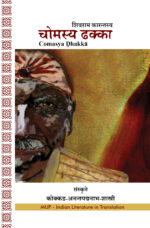
Comasya Dhakka
₹195.00Author: Shivarama Karanth Translator: Ananthapadmanabha Shastri
Set in the coastal Karavali region of Karnataka, Chomasya Dakka is the story of Coma, a Dalit bonded-laborer. Set in the pre-independent India, Comasya Dakka tells a poignant tale of dalit lives, and the suppression of their fundamental rights and identity through the character of Coma. Denied the right to even till and cultivate their own land due to their caste and identity, Coma and his children work as bonded-labourers for their landlord, Sankappayya. The plot of the novel follows the lives of Coma and his children and the tragedies that befall them. The original work in Kannada, Comana Dudi, was adapted into a well-acclaimed, national award-winning film in the year 1975. Directed by B V Karanth, it won the Swarna Kamal, Indias National Award for the Best Film in the year 1976.
Interested readers may write to us at mup@manipal.edu about purchasing the book.
Also available on
-

U-Turn
₹180.00Author: Anand Mhasvekar, Translator: Neeta Inamdar
ಮರಾಠಿ ನಾಟಕ. ಯು-ಟರ್ನ್ ಮಹಾರಾಷ್ಟ್ರ ಮತ್ತು ಅದರಾಚೆಗೆ 585 ಕ್ಕೂ ಹೆಚ್ಚು ಪ್ರದರ್ಶನಗಳೊಂದಿಗೆ ಲಕ್ಷಾಂತರ ಹೃದಯಗಳನ್ನು ಗೆದ್ದಿದೆ. ಗುಜರಾತಿಯಲ್ಲಿ ಇದರ ಅನುವಾದವು 115 ಕ್ಕೂ ಹೆಚ್ಚು ಪ್ರದರ್ಶನಗಳನ್ನು ಕಂಡಿದೆ ಮತ್ತು ಹಿಂದಿಯಲ್ಲಿ 50 ಕ್ಕೂ ಹೆಚ್ಚು ಪ್ರದರ್ಶನಗಳನ್ನು ಕಂಡಿದೆ. ಈ ಯಶಸ್ಸು ಶ್ರೀಮತಿ ಸವಿತಾ ಶಾಸ್ತ್ರಿಯವರ ಬೆಂಬಲದೊಂದಿಗೆ ಕನ್ನಡದಲ್ಲಿ ಈ ಕೃತಿಯನ್ನು ಅನುವಾದಿಸಲು ಪ್ರೊ.ನೀತಾ ಇನಾಮದಾರ್ ಅವರನ್ನು ಪ್ರೋತ್ಸಾಹಿಸಿತು. ನಾಟಕವು ಉದ್ದಕ್ಕೂ ಕೇವಲ ಎರಡು ಪಾತ್ರಗಳನ್ನು ಹೊಂದಿದೆ ಮತ್ತು ಇಡೀ ಅವಧಿಗೆ ವೇದಿಕೆಯ ಮೇಲಿರುವ ಇಬ್ಬರನ್ನು ಹೊರತುಪಡಿಸಿ ಒಂದೆರಡು ಧ್ವನಿಗಳನ್ನು ಹೊಂದಿದೆ. ನಾಟಕದ ಕೇಂದ್ರ ಕಲ್ಪನೆಯು ಆಧುನಿಕತೆಯನ್ನು ಒಪ್ಪಿಕೊಳ್ಳುವಲ್ಲಿನ ವ್ಯತ್ಯಾಸಗಳು ಮತ್ತು ಎರಡು ವಿಭಿನ್ನ ತಲೆಮಾರುಗಳಲ್ಲಿ ಇದಕ್ಕೆ ಸಂಬಂಧಿಸಿದ ಸಂಘರ್ಷಗಳು. ವಿಚ್ಛೇದಿತ ಸೇನೆಯ ಮೇಜರ್ ಮತ್ತು 50 ರ ದಶಕದ ಅಂತ್ಯದಲ್ಲಿರುವ ವಿಧವೆಯ ನಡುವಿನ ಒಡನಾಟವನ್ನು ಅವರ ಮಕ್ಕಳು ವಿರೋಧಿಸುತ್ತಾರೆ ಮತ್ತು ಅವರು ತಮ್ಮನ್ನು ತಾವು ಆಧುನಿಕತೆಯನ್ನು ಅಳವಡಿಸಿಕೊಂಡರೂ ವಿಭಿನ್ನ ರೀತಿಯಲ್ಲಿ ವ್ಯಕ್ತಪಡಿಸುತ್ತಾರೆ. ನೀತಾ ಇನಾಮದಾರ್ ಅವರು ಮಣಿಪಾಲ್ ವಿಶ್ವವಿದ್ಯಾನಿಲಯದಲ್ಲಿ (MU) ಯುರೋಪಿಯನ್ ಅಧ್ಯಯನ ವಿಭಾಗದ (DES) ಮುಖ್ಯಸ್ಥರಾಗಿದ್ದಾರೆ ಮತ್ತು ಮಣಿಪಾಲ್ ಯೂನಿವರ್ಸಲ್ ಪ್ರೆಸ್ ನ (MUP) ಮುಖ್ಯ ಸಂಪಾದಕರಾಗಿದ್ದಾರೆ. ಸಂಗೀತ ಮತ್ತು ರಂಗಭೂಮಿ ಅವರ ಆಸಕ್ತಿಗಳಾಗಿದ್ದು, ಶ್ರೀಮತಿ ಸವಿತಾ ಶಾಸ್ತ್ರಿ ಅವರ ನೆರವಿನೊಂದಿಗೆ ಈ ಕೆಲಸವನ್ನು ಕೈಗೊಳ್ಳುವಂತೆ ಮಾಡಿತು. ಸವಿತಾ ಶಾಸ್ತ್ರಿ ಅವರು ಮಣಿಪಾಲದ ಮಹಿಳಾ ಉದ್ಯಮಿಯಾಗಿದ್ದು, ಅವರು ಬಾಬಾ ಆಮ್ಟೆ ಅವರ ಆನಂದವನಕ್ಕೆ ಧನಸಹಾಯವನ್ನೂ ಮಾಡುತ್ತಾರೆ. ಅವರು ಮರಾಠಿ, ಹಿಂದಿ ಮತ್ತು ಇಂಗ್ಲಿಷ್ನಲ್ಲಿ ಪುಸ್ತಕಗಳು ಮತ್ತು ನಾಟಕಗಳ ಓದುಗರಾಗಿದ್ದಾರೆ, ಅವರು ಈ ಅನುವಾದ ಯೋಜನೆಗೆ ತಮ್ಮ ಬೆಂಬಲವನ್ನು ನೀಡಿದರು.
Interested readers may write to us at mup@manipal.edu about purchasing the book.
Also available on
-
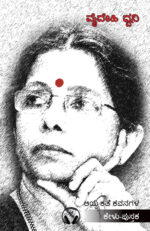
Vaidehi Dhvani
₹275.00Author: Vaidehi
ಪ್ರಸ್ತುತ ಪುಸ್ತಕವು ಮುಂದಿನ ಕಾಲಕ್ಕೆ ವೈದೇಹಿಯವರ ಧ್ವನಿ ಮತ್ತು ನಿರೂಪಣೆಯನ್ನು ದಾಖಲಿಸುವ ಪ್ರಯತ್ನವಾಗಿದೆ. ಅವರ ಕಥೆಗಳ ನಿರೂಪಣೆಯು ಕುಂದಾಪುರದ ಆಡುಭಾಷೆಯ ಶ್ರೀಮಂತಿಕೆಯಲ್ಲಿ ಮತ್ತು ಅದರಾಚೆಗೆ ಕನ್ನಡದ ಸಂಸ್ಕೃತಿಯೊಂದಿಗೆ ಏಕತೆಯ ಭಾವನೆಯೊಂದಿಗೆ ಎತ್ತರದಲ್ಲಿದೆ. ಐದು ಕಥೆಗಳು ಮತ್ತು ಏಳು ಕವಿತೆಗಳ ಈ ಪುಸ್ತಕವನ್ನು ಅವರು ಓದಿದ್ದಾರೆ. ಈ ಆಯ್ದ ಕಥೆಗಳು ಈಗಾಗಲೇ ಪ್ರಕಟವಾದವುಗಳಾಗಿವೆ ಆದರೆ ಅದನ್ನು ವಿಭಿನ್ನವಾಗಿಸುವುದು ಅವುಗಳನ್ನು ಓದುವ ವಿಧಾನವಾಗಿದೆ. ಪ್ರತಿ ಪದ, ಪ್ರತಿ ವಿರಾಮಚಿಹ್ನೆ, ಪ್ರತಿ ವಿರಾಮ, ಅವರ ಧ್ವನಿಯಲ್ಲಿ ತುಂಬಾ ವಿಭಿನ್ನವಾಗಿದೆ. “ವೈದೇಹಿ ಧ್ವನಿ” ಎಂಬ ಹೆಸರನ್ನು ಅವರ ಧ್ವನಿಯ ನಾದದ ಗುಣಮಟ್ಟವನ್ನು ಪ್ರತಿನಿಧಿಸಲು ನೀಡಲಾಗಿದೆ ಆದರೆ ಅದು ಕೇಳುಗ ಅಥವಾ ಓದುಗನಲ್ಲಿ ಹೊಸ ಶಕ್ತಿಯನ್ನು ಹುಟ್ಟುಹಾಕುತ್ತದೆ. ಆಕೆಯ ಕಥೆಗಳನ್ನು ಅಧ್ಯಯನ ಮಾಡಲು ಬಯಸುವವರಿಗೆ ಅನುಕೂಲವಾಗುವಂತೆ ಆಡಿಯೋ ಸಿಡಿಯು ಪಠ್ಯ ರೂಪದಲ್ಲಿ ಪುಸ್ತಕವನ್ನು ಸಹ ಹೊಂದಿದೆ. ವಿವಿಧ ವಿಶ್ವವಿದ್ಯಾನಿಲಯಗಳಲ್ಲಿ ಅನೇಕ ವಿದ್ಯಾರ್ಥಿಗಳು ಅಧ್ಯಯನದ ವಿಷಯವಾಗಿ ತೆಗೆದುಕೊಳ್ಳುತ್ತಾರೆ.
Interested readers may write to us at mup@manipal.edu about purchasing the book.
Also available on
-
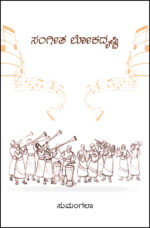
Sangita Lokadrishti
₹295.00Author: Sumangala
ತಂದೆ-ಮಗಳ ಸುರಬಹಾರಿನ ಸಂಗೀತಬಂಧದ ಚಿತ್ರಣದಿಂದ ಆರಂಭಗೊಳ್ಳುವ ಈ ಕಿರುಕೃತಿಯು ಸಾಗರ ವೀಣೆ ರೂಪುಗೊಳಿಸಿದ ಇನ್ನೊಂದು ತಂದೆ-ಮಗಳ ಸಂಗೀತಬಂಧದ ಚಿತ್ರಣದೊಂದಿಗೆ ಮುಕ್ತಾಯವಾಗುತ್ತದೆ. ಇಲ್ಲಿ ನಾಲ್ವರು ಸಂಗೀತಗಾರರ ಬದುಕಿನ ಕೆಲವು ಸನ್ನಿವೇಶಗಳು, ಸಂಗೀತಪಯಣದಲ್ಲಿ ಅವರು ಸಾಗಿದ ಹಾದಿ, ಕಠಿಣ ಸಂದರ್ಭಗಳು, ಅವರ ಸಾಂಗೀತಿಕ ಮನೋಧರ್ಮ, ರಾಗರೂಪದ ಕುರಿತ ದೃಷ್ಟಿಕೋನ, ಇತ್ಯಾದಿ ಅಂಶಗಳ ಸ್ಥೂಲ ಚಿತ್ರಣವಿದೆ.
ಸುರಬಹಾರಿನ ದಂತಕಥೆಯೆಂದೇ ಹೇಳಬಹುದಾದ ವಿದುಷಿ ಅನ್ನಪೂರ್ಣಾ ದೇವಿಯವರ ಖಾಸಗಿ ಬದುಕು, ಏಕಾಂತ ನಿಗೂಢವೆನ್ನಿಸುವ ಹಾಗೆಯೇ ಮೈಹರ್ ಘರಾನೆಯ ಸ್ವರಸಂಪತ್ತನ್ನು ಶಿಷ್ಯರಿಗೆ ಧಾರೆಯೆರೆದು ಕಲಿಸುತ್ತ, ಹಲವರನ್ನು ಮೇರು ಕಲಾವಿದರಾಗಿ ರೂಪುಗೊಳಿಸಿದ ಬಗೆಯೂ ಅನನ್ಯ. ಕೃತಿಯಲ್ಲಿ ಚಿತ್ರಿಸಿದ ಇನ್ನುಳಿದ ಮೂವರು ಸಂಗೀತಗಾರರು ನಮ್ಮ ನೆರೆಯ ಪಾಕಿಸ್ತಾನದ ಶಾಸ್ತ್ರೀಯ ಸಂಗೀತ ಪರಂಪರೆಯನ್ನು ಇನ್ನಷ್ಟು ಸಮೃದ್ಧಗೊಳಿಸಿದವರು.
“ಏ ದಯ್ಯಾ… ಕಹಾಂ ಗಯೇ ವೇ ಲೋಗ್… ಬ್ರಿಜ ಕೆ ಬಸಯ್ಯಾ…”
ಮನುಷ್ಯರ ನಡುವೆ ಹತ್ತುಹಲವು ಬಗೆಯ ದ್ವೇಷದ ಗೋಡೆಗಳು ಎದ್ದು ನಿಂತಿರುವ ಇಂದಿನ ದಿನಮಾನದಲ್ಲಿ ಭಿನ್ನತೆಗಳಿದ್ದರೂ ಪರಸ್ಪರ ಸಂವಾದ ನಡೆಸುತ್ತಿದ್ದ ಆ ಜನರನ್ನು, ಆ ಕಾಲಘಟ್ಟವನ್ನು ಮತ್ತೆ ಕಂಡುಕೊಳ್ಳಲು ಬಹುಶಃ ಇಂತಹ ಸಂಗೀತಗಾರರ ಕೊರಳೊಳಗಿನ, ಬೆರಳೊಳಗಿನ ಸ್ವರಗಳೇ ನಮ್ಮ ಕೈಹಿಡಿದು ಮುನ್ನಡೆಸಬೇಕಿದೆ.
Interested readers may write to us at mup@manipal.edu about purchasing the book.
Also available on
-
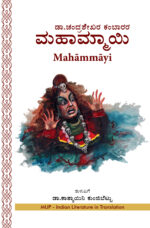
Mahāmmāyi
₹195.00Author: Chandrasekhara Kambara, Translator: Kathyayini Kunjibettu
Mahāmmāyi is the story of the legend of Shatavithaayi – the Goddess of death, and her adopted son Sambhashiva. Out of affection for her son, Goddess Shatavithaayi blesses him with the “power of life”. The blessing was that death will evade the people who are treated by Sambashiva. But a certain condition set by Shatavithaayi forbade him from healing every ill man. The condition was that, if Shatavithaayi stood on the right side of the patient, Sambhashiva could treat that person and he would live; but, if she stood on the left side of the patient, he should not treat that person as his death was inevitable. Through a distinct method of story-telling, the story follows the life of Sambhashiva as he begins to question the ideas of fate and destiny. Thus, the conflict between fate and human efforts to change that fate is vividly described in this play.Interested readers may write to us at mup@manipal.edu about purchasing the book.
Also available on
-
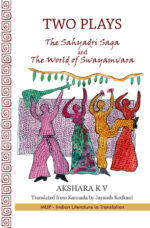
Two Plays – The Sahyadri Saga and The World of Swayamvara
₹199.00Author: Akshara K V Translator: Jayanth Kodkani
These two plays negotiate with the real problems of contemporary India. If Sahyadri Kanda is about the ripples caused in the life of the people in a village on the Western Coast which will soon have a nuclear plant, Swayamvaraloka, is an allegorical narrative set in a small village that extends to include the larger contemporary world. Both the plays dwell on the seeming binaries of village-city, success-failure, modern-traditional while examining the nature of human relationships in the changing world. These plays also reflect an ambition to elevate the real experience to a mythical level. While most playwrights attempt to echo contemporary concerns by reinterpreting history and mythology, for these plays, the epics, their grandeur, the struggle, the wars are not episodes that happen in kingdoms and palaces and battlefields, they are also that which takes place in the microworld of one’s consciousness. Each character in these plays find their own dharma, yet it offers no model for the reader, and remains only a pointer to the complex process of finding it.
Interested readers may write to us at mup@manipal.edu about purchasing the book.
Also available on
eBook available on