
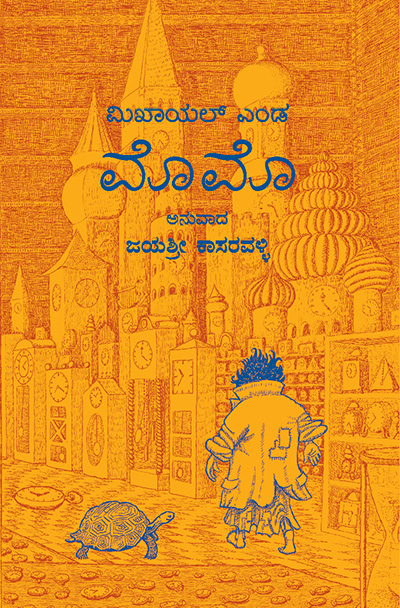
MOMO
₹450.00
Author:
The fantasy novel originally written in German and translated into English, has been enjoyed by millions of readers worldwide. It has now been translated into Kannada as well. The novel has a very unusual story about time. The story describes how people in the modern era use the time, and a girl named MOMO teaches how it should be used. Humans have stolen time from modern societies, and a little girl of mysterious origin brings it back. In today’s society, the story has timeless relevance.
ನಗರದ ಅಂಚಿನಲ್ಲಿ ಹಾಳುಬಿದ್ದಿದೆ ಒಂದು ಆಂಪಿ ಥೀಯೇಟರ್. ಅಲ್ಲಿರುವ ದಿಕ್ಕಿಲ್ಲದ ಪುಟ್ಟ ಹುಡುಗಿ ಮೊಮೊ. ಒಂದು ದಿನ ಬೂದು ಬಣ್ಣದ ಬಟ್ಟೆ ತೊಟ್ಟು ದುಷ್ಟರು ಸದ್ದಿಲ್ಲದೇ ಬಂದು ನಗರವನ್ನು ಆಕ್ರಮಿಸಿಕೊಳ್ಳುತ್ತಾರೆ. ಅವರನ್ನು ಹಿಮ್ಮೆಟ್ಟಿಸುವ ಶಕ್ತಿಯಿರುವುದು ಮೊಮೊಗೆ ಮಾತ್ರ. ಅವಳು ಪ್ರೊಫೆಸರ್ ಹೋರಾ ಮತ್ತು ಅವರಲ್ಲಿರುವ ವಿಚಿತ್ರ ಆಮೆಯ ನೆರವಿನಿಂದ ಕಾಲದ ಸರಹದ್ದುಗಳನ್ನು ದಾಟಿ ಆ ದುಷ್ಟರ ಒಳಸಂಚುಗಳನ್ನು ಬಯಲುಮಾಡುತ್ತಿದ್ದಾಳೆ. ‘ಮೊಮೊ’ ಕಾಲವನ್ನು ಕದಿಯುವವರ ಕಥೆಯಾಗಿರುವ ಜೊತೆಗೇ ಕದ್ದ ಕಾಲವನ್ನು ಮತ್ತೆ ಜನರಿಗೆ ತಂದುಕೊಡುವ ಒಂದು ಮಗುವಿನ ಸಾಹಸಮಯ ಕಥೆಯು ಆಗಿದೆ.
Interested customers may write to us at mup@manipal.edu about purchasing the book.
|
Also available on
|
| Format |
|---|
Customer Reviews
There are no reviews yet.
Related products
-
Swapna Saraswatha
₹530.00Author: Gopalakrishna Pai Translator: Sumathi Shenoy, M R Rakshith, Savita Sastri
Swapna Saraswatha is the saga of migration of a community called Saraswaths in the west coast of India, extending from Goa to the south of Mangalore. It captures the dominance of a colonial power over the region that began with the entry of the Portuguese about four hundred years ago. The novel is a graphic description of the displacement of this strongly-rooted community which saw its resurrection in a new area. In the course of its narrative, the novel traces the gradual changes in the structure of the family that moved from a closely knit joint family of the bygone era to the nuclear family. It also deals with the factors that are responsible for the change in value systems of individuals in the wake of such paradigm shifts. With its vast canvas, it remarkably weaves fiction with myth and history, peppered with cultural details and linguistic nuances. The narration in Swapna Saraswatha progresses in the form of an epic detailing the story of nine generations spread over a period of two hundred and fifty years from 1510 to about 1760. It encompasses more than a hundred and fifty characters which include Hindus, Muslims, Christians, chieftains, traders, farmers, priests and black magicians, and covers a range of themes spread across folk tales, legends, armies, myths and a sprinkling of history.
-
Bamonn: Story of a Konkani Roman Catholic
₹255.00Author: Na D’Souza Translator: S M Pejathaya
Konkani Roman Catholic Christians were converted from other groups by Goan Missionaries long back, keeping the caste system tradition to a large extent in layers such as the Bamonn, the Charodi, the Gawdi, the Nendar, the Shudra, etc. At the time of marriages and other social gatherings they continue to consider caste system norms and customs in the community. Caste system in Indian Christians is vividly described in the novel Bamonn. Christopher Pai of Kalyanpura hails from a Bamonn family and takes great pride in his ancestry. He believes in the stories about his Konkani Roman Catholic ancestors from his elders and about their being true Christians, holding on to their faith despite tremendous pressure to convert to Islam during Tipu Sultan’s regime. He also believes Bamonns are superior to other Christians in the community. After retiring from his job of a Headmaster, he refuels his obsession to retrace his roots and find out the truth about his ancestors. In his journey of self-assurance and faith, will he succeed in his mission to convince his family, his children and the community at large of his glorious ancestry and in still pride in the next generation? . . .
Interested readers may write to us at mup@manipal.edu about purchasing the book.
Also available on

-
Mahāmmāyi
₹195.00Author: Chandrasekhara Kambara, Translator: Kathyayini Kunjibettu
Mahāmmāyi is the story of the legend of Shatavithaayi – the Goddess of death, and her adopted son Sambhashiva. Out of affection for her son, Goddess Shatavithaayi blesses him with the “power of life”. The blessing was that death will evade the people who are treated by Sambashiva. But a certain condition set by Shatavithaayi forbade him from healing every ill man. The condition was that, if Shatavithaayi stood on the right side of the patient, Sambhashiva could treat that person and he would live; but, if she stood on the left side of the patient, he should not treat that person as his death was inevitable. Through a distinct method of story-telling, the story follows the life of Sambhashiva as he begins to question the ideas of fate and destiny. Thus, the conflict between fate and human efforts to change that fate is vividly described in this play.Interested readers may write to us at mup@manipal.edu about purchasing the book.
Also available on
-

If we meet again we shall smile
₹199.00Author: Anushua Chakrabarti
People leave our lives. Some simply walk away from our world while some leave this world altogether. Through visuals, poetry and short stories, the author has a dialogue with the reader that takes them both through a journey full of characters that are no more, and yet have shaped the story. This fictional dialogue is a short trip down memory lane that visits the relationships one keeps hidden beneath.
Anushua Chakrabarti, originally from Kolkata, is a wandering minstrel. She lives on travel and music. Anushua has completed her MBA from TAPMI, Manipal, India, post which she worked in top technology brands like HP and Microsoft. She is presently back in Kolkata, driving social service through her acquired experience. Anushua has faced several childhood traumas but she believes she is what she is today, not in spite of it; but because of it.
Interested readers may write to us at mup@manipal.edu about purchasing the book.
Also available on
-
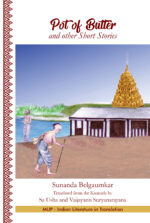
Pot of Butter and other short stories
₹250.00Author: Sunanda Belgaumkar Translator: Sa Usha, Vaijayanti Suryanarayana
Pot of Butter and other Short Stories is a collection of nine short stories, originally composed by Sunanda Belgaumkar in Kannada, handpicked and translated from her collections – Kajjaya and Koduvudenu Kombudenu. The bulk of her literary work including the stories in this book are inspired by the experiences in her early life, in the rustic and robust atmosphere of Dharwad. Her stories are predominantly semiautobiographical, laced with a liberal dose of artistic freedom.
This collection weaves together her writings on the underprivileged and marginalized as seen from the comfort of her palatial home, but rendered with compassion and empathy. Often, we find her narrative infused with self-directed questions such as, “What if I was in her shoes? ” or “Could that have been me? ” These stories are reflections on human nature, suffering, and destiny. There is hope, there is despair. There is love, there is longing. There is defeat, and there is triumph. In her stories, an oft-recurring metaphor for picking up one’s life after loss is a scorching summer followed by a torrential downpour and subsequently a plant springing to life.
As a translation, this book attempts to introduce Sunanda Belgaumkar’s literary and artistic creations to the non-Kannada reader, retaining as much of the indigenous elements of the original writings as possible. In doing so, it seeks to preserve the cultural climate of North Karnataka as it was around fifty years ago.
Interested readers may write to us at mup@manipal.edu about purchasing the book.
Also available on
-
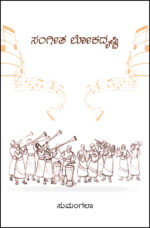
Sangita Lokadrishti
₹295.00Author: Sumangala
ತಂದೆ-ಮಗಳ ಸುರಬಹಾರಿನ ಸಂಗೀತಬಂಧದ ಚಿತ್ರಣದಿಂದ ಆರಂಭಗೊಳ್ಳುವ ಈ ಕಿರುಕೃತಿಯು ಸಾಗರ ವೀಣೆ ರೂಪುಗೊಳಿಸಿದ ಇನ್ನೊಂದು ತಂದೆ-ಮಗಳ ಸಂಗೀತಬಂಧದ ಚಿತ್ರಣದೊಂದಿಗೆ ಮುಕ್ತಾಯವಾಗುತ್ತದೆ. ಇಲ್ಲಿ ನಾಲ್ವರು ಸಂಗೀತಗಾರರ ಬದುಕಿನ ಕೆಲವು ಸನ್ನಿವೇಶಗಳು, ಸಂಗೀತಪಯಣದಲ್ಲಿ ಅವರು ಸಾಗಿದ ಹಾದಿ, ಕಠಿಣ ಸಂದರ್ಭಗಳು, ಅವರ ಸಾಂಗೀತಿಕ ಮನೋಧರ್ಮ, ರಾಗರೂಪದ ಕುರಿತ ದೃಷ್ಟಿಕೋನ, ಇತ್ಯಾದಿ ಅಂಶಗಳ ಸ್ಥೂಲ ಚಿತ್ರಣವಿದೆ.
ಸುರಬಹಾರಿನ ದಂತಕಥೆಯೆಂದೇ ಹೇಳಬಹುದಾದ ವಿದುಷಿ ಅನ್ನಪೂರ್ಣಾ ದೇವಿಯವರ ಖಾಸಗಿ ಬದುಕು, ಏಕಾಂತ ನಿಗೂಢವೆನ್ನಿಸುವ ಹಾಗೆಯೇ ಮೈಹರ್ ಘರಾನೆಯ ಸ್ವರಸಂಪತ್ತನ್ನು ಶಿಷ್ಯರಿಗೆ ಧಾರೆಯೆರೆದು ಕಲಿಸುತ್ತ, ಹಲವರನ್ನು ಮೇರು ಕಲಾವಿದರಾಗಿ ರೂಪುಗೊಳಿಸಿದ ಬಗೆಯೂ ಅನನ್ಯ. ಕೃತಿಯಲ್ಲಿ ಚಿತ್ರಿಸಿದ ಇನ್ನುಳಿದ ಮೂವರು ಸಂಗೀತಗಾರರು ನಮ್ಮ ನೆರೆಯ ಪಾಕಿಸ್ತಾನದ ಶಾಸ್ತ್ರೀಯ ಸಂಗೀತ ಪರಂಪರೆಯನ್ನು ಇನ್ನಷ್ಟು ಸಮೃದ್ಧಗೊಳಿಸಿದವರು.
“ಏ ದಯ್ಯಾ… ಕಹಾಂ ಗಯೇ ವೇ ಲೋಗ್… ಬ್ರಿಜ ಕೆ ಬಸಯ್ಯಾ…”
ಮನುಷ್ಯರ ನಡುವೆ ಹತ್ತುಹಲವು ಬಗೆಯ ದ್ವೇಷದ ಗೋಡೆಗಳು ಎದ್ದು ನಿಂತಿರುವ ಇಂದಿನ ದಿನಮಾನದಲ್ಲಿ ಭಿನ್ನತೆಗಳಿದ್ದರೂ ಪರಸ್ಪರ ಸಂವಾದ ನಡೆಸುತ್ತಿದ್ದ ಆ ಜನರನ್ನು, ಆ ಕಾಲಘಟ್ಟವನ್ನು ಮತ್ತೆ ಕಂಡುಕೊಳ್ಳಲು ಬಹುಶಃ ಇಂತಹ ಸಂಗೀತಗಾರರ ಕೊರಳೊಳಗಿನ, ಬೆರಳೊಳಗಿನ ಸ್ವರಗಳೇ ನಮ್ಮ ಕೈಹಿಡಿದು ಮುನ್ನಡೆಸಬೇಕಿದೆ.
Interested readers may write to us at mup@manipal.edu about purchasing the book.
Also available on
-
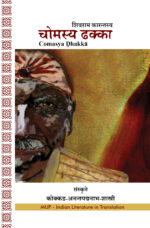
Comasya Dhakka
₹195.00Author: Shivarama Karanth Translator: Ananthapadmanabha Shastri
Set in the coastal Karavali region of Karnataka, Chomasya Dakka is the story of Coma, a Dalit bonded-laborer. Set in the pre-independent India, Comasya Dakka tells a poignant tale of dalit lives, and the suppression of their fundamental rights and identity through the character of Coma. Denied the right to even till and cultivate their own land due to their caste and identity, Coma and his children work as bonded-labourers for their landlord, Sankappayya. The plot of the novel follows the lives of Coma and his children and the tragedies that befall them. The original work in Kannada, Comana Dudi, was adapted into a well-acclaimed, national award-winning film in the year 1975. Directed by B V Karanth, it won the Swarna Kamal, Indias National Award for the Best Film in the year 1976.
Interested readers may write to us at mup@manipal.edu about purchasing the book.
Also available on
-
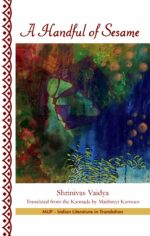
A Handful of Sesame
₹310.00Author: Srinivas B Vaidya, Translator: Maithreyi Karnoor
With a captivating start, A Handful of Sesame plunges us into the heart of the dying years of the 1857 mutiny. But the mutiny is largely a backdrop to the novel. When Kamalanabh of Kashi is manipulated by an impoverished Brahmin of Navalgund into marrying his daughter, the novel becomes basically the story of an internal migration. This is rare, and it remains one of the strengths of the novel. We are so used to speaking of migration across the postcolonial bridge and accredited national borders that we forget that India is a country of endless internal migrations – in the past and the present.
Interested readers may write to us at mup@manipal.edu about purchasing the book.
Also available on
Be the first to review “MOMO”
You must be logged in to post a review.