

Lotus Pond
₹210.00
Author: K Tara Bhat, Translator: Geetha Sreenivasan
Lotus Pond explores women’s plight beyond the emotional level; it is evident that the author is immensely intrigued by the feminist ideals.
The novel potently depicts how each woman is restrained by her own body; she is compelled to safeguard it at all costs. This becomes her inescapable destiny. It is ironical that the elite colony- Garden view, shares this helplessness with the neighbouring slums. Whether it is the attack on the composure of a rich woman- Krupa, or the inhuman exploitation of poor Chami’s infant, the common source of torment remains- patriarchal cruelty.
The entity which reigns supreme in the Garden View colony is money- a weapon wielded by men. In the grand houses of the colony, there are all the commodities that money can buy; still, the grandeur of these houses is incomplete, empty; devoid of sounds of joy. The residents think no more of love and compassion. Hence, they receive only these- a wealth which fails to bring love and contentment. Ayesha, who endures in this environment like a shadow, is a witness to this hypocritical way of life.
Tara Bhat gained prominence with her first novel Avyakta and continued to make valuable contribution to the Kannada literary world with her second endeavour- Lotus Pond.
Interested customers may write to us at mup@manipal.edu about purchasing the book.
Also available on |
| Author | |
|---|---|
| Format |
Related products
-
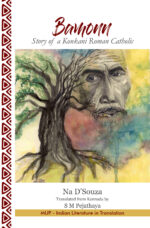
Bamonn: Story of a Konkani Roman Catholic
₹255.00Author: Na D’Souza Translator: S M Pejathaya
Konkani Roman Catholic Christians were converted from other groups by Goan Missionaries long back, keeping the caste system tradition to a large extent in layers such as the Bamonn, the Charodi, the Gawdi, the Nendar, the Shudra, etc. At the time of marriages and other social gatherings they continue to consider caste system norms and customs in the community. Caste system in Indian Christians is vividly described in the novel Bamonn. Christopher Pai of Kalyanpura hails from a Bamonn family and takes great pride in his ancestry. He believes in the stories about his Konkani Roman Catholic ancestors from his elders and about their being true Christians, holding on to their faith despite tremendous pressure to convert to Islam during Tipu Sultan’s regime. He also believes Bamonns are superior to other Christians in the community. After retiring from his job of a Headmaster, he refuels his obsession to retrace his roots and find out the truth about his ancestors. In his journey of self-assurance and faith, will he succeed in his mission to convince his family, his children and the community at large of his glorious ancestry and in still pride in the next generation? . . .
Interested readers may write to us at mup@manipal.edu about purchasing the book.
Also available on
-
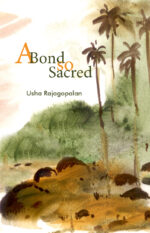
A Bond So Sacred
₹450.00A Bond So Sacred tells the story of Raman, a satyagrahi, who adopts Kokila, an orphan. He leaves the five year old in the care of his mother while he plunges into the freedom struggle. His nationalist fervour, however, clashes with his love for Amina, his charming neighbour who wants parental approval to their marriage. Raman’s mother is as staunch a Brahmin as Amina’s father is a Muslim. Will Raman be able to get their consent. The joy of India becoming an independent nation is marred by Gandhiji’s death. Raman’s fellow satyagrahis have gone their ways and he finds himself with no role to play in a rapidly changing country. Meanwhile, Kokila, his protégée, has her own battles to fight. As the years bring them together again, Kokila discovers truths about Raman that she would never have imagined. She is forced to confront the ghosts of the past, his and hers.
Interested readers may write to us at mup@manipal.edu about purchasing the book.
Also available on
-
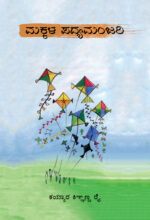
Makkala Padyamanjari
₹180.00Author: Kayyara Kinhanna Rai
ಮಕ್ಕಳ ಪದ್ಯಮಂಜಿರಿ ಶ್ರೀ ಕಯ್ಯಾರ ಕಿಞ್ಞಣ್ಣ ರೈ ಅವರಿಂದ ಮಕ್ಕಳಿಗಾಗಿ ಕವನಗಳ ಪುಸ್ತಕ. ಶ್ರೀ ಕಯ್ಯಾರರ ಕವನಗಳು ಎಲ್ಲಾ ಹಿನ್ನೆಲೆಯ ಜನರನ್ನು ತಲುಪುವುದರಿಂದ ಹೆಚ್ಚಿನ ಕನ್ನಡಿಗರು ಕಾವ್ಯವನ್ನು ಓದುವ ಬೆಳವಣಿಗೆಯನ್ನು ಹೊಂದಿದ್ದಾರೆ. ಗ್ರಾಮೀಣ ಅಥವಾ ನಗರ, ಶ್ರೀಮಂತ ಅಥವಾ ಬಡ. ಈ ಕವಿತೆಗಳಲ್ಲಿ ಬಾಲ್ಯದ ಸವಿನೆನಪುಗಳು ಅಡಗಿದ್ದು, ಓದುವಾಗ ಓದುಗರಿಗೆ ನಾಸ್ಟಾಲ್ಜಿಕ್ ಆಗುವುದರಿಂದ ಅವು ದೊಡ್ಡವರಲ್ಲಿಯೂ ಜನಪ್ರಿಯವಾಗಿವೆ. ಕಲಾವಿದ ಪ್ರಸಾದ್ ರಾವ್ ಜಿ ಅವರು ಚಿತ್ರಿಸಿದ ಚಿತ್ರಗಳೊಂದಿಗೆ ಪ್ರಸ್ತುತ ಪುಸ್ತಕವು ಓದುವಿಕೆಯನ್ನು ಇನ್ನಷ್ಟು ಆಸಕ್ತಿದಾಯಕವಾಗಿಸುತ್ತದೆ. ಇದು ಶ್ರೇಷ್ಠ ಕವಿ, ಬರಹಗಾರ ಕಯ್ಯಾರ ಅವರ ಶತಮಾನೋತ್ಸವ ವರ್ಷದಲ್ಲಿ ಹೊರತರಲಾದ MUP ಯ 50 ನೇ ಪ್ರಕಟಣೆಯಾಗಿದೆ.
Interested readers may write to us at mup@manipal.edu about purchasing the book.
Also available on
-
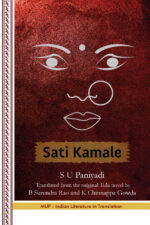
Sati Kamale
₹240.00Author: S U Paniyadi Translators: B Surendra Rao, K Chinnappa Gowda
This eponymous novel is centred on Kamale, who is an embodiment of wifely virtue. For fifteen long years Kamale lives the life of a widow to the outside world, nurturing the hopes of reuniting with the husband one day. Alone in the room, each night she wears her marks of a married woman with the dagger gifted by Umesha next to her. It could be seen as an exposition on the then existing indigenous discourse in India in the 19th century and early 20th century. Kamale, in her rigorous commitment and in retrieving her husband from ‘death’, is fashioned after Savithri in an intertextual reference to Mahabharata’s episode of “Satyavan and Savithri”. The novel might look conservative for the present-day reader, but it is a representative literary work of the time when Paniyadi, among many others, wanted to regain the independent status of the Tulu language which had somehow slipped out of its pedestal.
Interested readers may write to us at mup@manipal.edu about purchasing the book.
Also available on
-
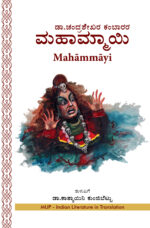
Mahāmmāyi
₹195.00Author: Chandrasekhara Kambara, Translator: Kathyayini Kunjibettu
Mahāmmāyi is the story of the legend of Shatavithaayi – the Goddess of death, and her adopted son Sambhashiva. Out of affection for her son, Goddess Shatavithaayi blesses him with the “power of life”. The blessing was that death will evade the people who are treated by Sambashiva. But a certain condition set by Shatavithaayi forbade him from healing every ill man. The condition was that, if Shatavithaayi stood on the right side of the patient, Sambhashiva could treat that person and he would live; but, if she stood on the left side of the patient, he should not treat that person as his death was inevitable. Through a distinct method of story-telling, the story follows the life of Sambhashiva as he begins to question the ideas of fate and destiny. Thus, the conflict between fate and human efforts to change that fate is vividly described in this play.Interested readers may write to us at mup@manipal.edu about purchasing the book.
Also available on
-
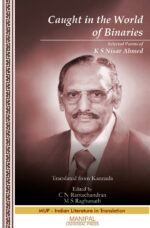
Caught in the World of Binaries: Selected Poems of K S Nisar Ahmed
₹310.00Author: K S Nisar Ahmed Editors: C N Ramachandran, M S Raghunath
Professor K S Nisar Ahmed (b 1936) is a geologist by profession and a major writer in Kannada. His first collection of poems, Manasu Gandhi Bazar (My Mind is like Gandhi Bazar) was published in 1960, and since then he has published poetry (15 collections), prose (five collections), and translations from Shakespeare and Neruda. He has been honoured with many awards, including ‘Padmashri’, Honorary D Litt (Kuvempu University), and Pampa Prashasti (Karnataka Government). Living between two languages and two cultures, Prof. Nisar has successfully achieved the balance necessary for the tight-rope walking as a poet. He believes that, “Only when you understand another religion (or culture or language), you really understand your own religion (or culture or language).” The present volume of 100 selected poems exhibits the multifaceted poetry of Nisar that reflects his creative pluralism. The 13 translators of the poems in this volume include A K Ramanujan, V K Gokak and Tejaswini Niranjana.
Interested readers may write to us at mup@manipal.edu about purchasing the book.
Also available on
-
Ati Sannakathe: Swarupa, Siddhi Mattu Sadhyate
₹160.00Author: T P Ashoka
ಕಲ್ಪನೆ ಎಂಬುದು ಸತ್ಯಕ್ಕಿಂತ ಹೆಚ್ಚು ಸತ್ಯ, ಕನಸು ಎಂಬುದು ವಾಸ್ತವಕ್ಕಿಂತ ಹೆಚ್ಚು ವಾಸ್ತವ ಎಂಬುದು ಅತಿ ಸಣ್ಣಕತೆಗಳು ನಮಗೆ ಮನದಟ್ಟು ಮಾಡಿಕೊಡುವಂತೆ ಕಾಣುತ್ತವೆ. ಹೆಚ್ಚಿನ ಅತಿ ಸಣ್ಣಕತೆಗಳು ವಾಸ್ತವವಾದೀ ಮಾರ್ಗವನ್ನು ಬಿಟ್ಟುಕೊಟ್ಟಿರುವುದಕ್ಕೆ ಪ್ರಾಯಶಃ ಇದೇ ಕಾರಣ. ವಿವರಣೆ-ವರ್ಣನೆಗಳ ಹಂಗು ಇಲ್ಲದಿರುವುದರಿಂದ ಸಂಕ್ಷಿಪ್ತತೆ ಮತ್ತು ಸಾಂದ್ರತೆಗಳು ಇವುಗಳ ಸಹಜ ಲಕ್ಷಣಗಳಾಗಿವೆ. ಅಂತರಂಗದ ಆಳವನ್ನು, ಅಮೂರ್ತವನ್ನು, ಸಾಂಕೇತಿಕವಾದುದದ್ದನ್ನು ಮತ್ತೊಂದೇ ಸ್ತರದಲ್ಲಿ ಗ್ರಹಿಸಿ ಅಭಿವ್ಯಕ್ತಿಸಲು ಲೇಖಕರಿಗೆ ಈ ಪ್ರಕಾರ ಹೇಳಿ ಮಾಡಿಸಿದಂತಿದೆ. ಹಾಗಾಗಿ ಜಗತ್ತಿನ ಎಲ್ಲ ಭಾಷೆಗಳ ದೊಡ್ಡ ಲೇಖಕರು, ದೀರ್ಘವಾದ ಕತೆ-ಕಾದಂಬರಿಗಳನ್ನು ಬರೆದವರನ್ನೂ ಸೇರಿಸಿಕೊಂಡು, ಈ ಪ್ರಕಾರದಲ್ಲಿ ಕೃಷಿಮಾಡಿದ್ದಾರೆ. ತುಂಬ ಸೂಕ್ಷ್ಮವಾದ, ನಾಜೂಕಾದ ಸಂಗತಿಗಳನ್ನು ಸೂಚ್ಯವಾಗಿ, ಕೆಲವೊಮ್ಮೆ ಪರೋಕ್ಷವಾಗಿ, ಇನ್ನೂ ಕೆಲವು ವೇಳೆ ಮುಚ್ಚಿಟ್ಟು ಹೇಳಲು ಈ ಪ್ರಕಾರವು ತನ್ನ ಸ್ವರೂಪದ ಕಾರಣದಿಂದಲೇ ಅನುವು ಮಾಡಿಕೊಡುತ್ತದೆ. ಇದು ಆಧುನಿಕ ಪೂರ್ವದ ದಂತಕತೆ, ನೀತಿಕತೆ, ದೃಷ್ಟಾಂತ ಕತೆಗಳ ಆಧುನಿಕ ರೂಪವಾಗಿ ಕಂಡರೂ ಆಶ್ಚರ್ಯವಿಲ್ಲ.
Also available on
eBook available on

-
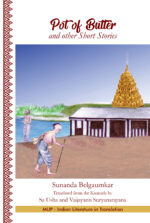
Pot of Butter and other short stories
₹250.00Author: Sunanda Belgaumkar Translator: Sa Usha, Vaijayanti Suryanarayana
Pot of Butter and other Short Stories is a collection of nine short stories, originally composed by Sunanda Belgaumkar in Kannada, handpicked and translated from her collections – Kajjaya and Koduvudenu Kombudenu. The bulk of her literary work including the stories in this book are inspired by the experiences in her early life, in the rustic and robust atmosphere of Dharwad. Her stories are predominantly semiautobiographical, laced with a liberal dose of artistic freedom.
This collection weaves together her writings on the underprivileged and marginalized as seen from the comfort of her palatial home, but rendered with compassion and empathy. Often, we find her narrative infused with self-directed questions such as, “What if I was in her shoes? ” or “Could that have been me? ” These stories are reflections on human nature, suffering, and destiny. There is hope, there is despair. There is love, there is longing. There is defeat, and there is triumph. In her stories, an oft-recurring metaphor for picking up one’s life after loss is a scorching summer followed by a torrential downpour and subsequently a plant springing to life.
As a translation, this book attempts to introduce Sunanda Belgaumkar’s literary and artistic creations to the non-Kannada reader, retaining as much of the indigenous elements of the original writings as possible. In doing so, it seeks to preserve the cultural climate of North Karnataka as it was around fifty years ago.
Interested readers may write to us at mup@manipal.edu about purchasing the book.
Also available on