

Financial Accounting: Concepts and Applications
₹400.00
Author: Sunil K Parameswaran
Interested readers may write to us at mup@manipal.edu about purchasing the book.
Also available on |
Related products
-
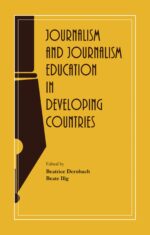
Journalism and Journalism Education in Developing Countries
₹550.00Editors: Beate Illg, Beatrice Dernbach
Free and fair media are at the heart of any democratic set up. A thriving field of journalism and zealous and ethical journalists in that sense become torch bearers of a brighter and promising tomorrow. In this light, the status of journalists, the most important actors in the field becomes increasingly important as a matter of study. They act as gatekeepers of information that is flooding in the era of new media, a wave that is not so new anymore. Their roles remain intact and even becomes prominent in the chaos of many-to-many communication.
Not concentrating on specific countries, selected contributions in the book reflect on the developments of media and journalism education across different countries. Introducing the book with an overview about the state-of-the-art of journalism education and the research on a meta level, the book moves on to talk about media studies in the Asian countries and in Arab world, the African States and Brazil.
The recent economic and social developments present both opportunities and risks for journalism. Freedom of expression and freedom of press, even in democratic countries, are under pressure. This book provides an international perspective on the different aspects of journalism – the situation in which journalists work, their working conditions, educational backgrounds, struggles and successes. It is aimed at an international public interested in the field of journalism and freedom of speech. It addresses journalists, trainers and academics. Furthermore, institutions in the field of development cooperation, education or cultural policy and cultural education are the focus of this work. Though the book is focused on journalism and journalism education in developing countries, contributions are from across the globe. This book is an interesting read for all those who care about a vital media landscape and an open democratic society.Interested readers may write to us at mup@manipal.edu about purchasing the book.
Also available on
-
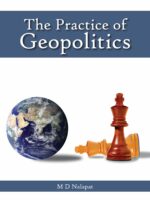
The Practice of Geopolitics
₹850.00Author: M D Nalapat
Intended to be a Practioner’s Guide to Geopolitics, the book provides a look into the thought processes that generate correct and timely analysis of global events. Geopolitics needs to weave within its analytical grasp economics, society, strategy and even culture, as the science deals with overall national capabilities as well as the mutal synergy and frictions between nations. Although a broad range of subjects has been covered in the book, each is anchored in the ground reality of events having a profound impact on the lives of citizens and on world events. The growing interconnectedness of the globe has resulted in a need to do away with the popular west centric models of international relations and to view events not through that single prism but from a holistic viewpoint that accepts the relevance and maturity of different histories and geographies. What the book provides is an alternative Weltanschauung to the dominant models of geopolitical analysis, so that the science is enabled to cross beyond the narrow boundaries which have confined. The scope and applicability of its analysis. The rise of Asia needs a geopolitical vision unique to the continent, and this is what has been provided by Professor Nalapat.
Interested readers may write to us at mup@manipal.edu about purchasing the book.
Also available on
-
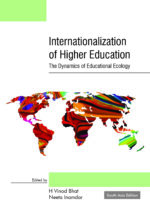
Internationalization of Higher Education: The Dynamics of Educational Ecology
₹500.00Editors: H Vinod Bhat, Neeta InamdarThe mobility of scholars seeking knowledge has been a part of the university ideal for centuries. History holds testimony to the fact that these mobilities have also altered the lives of people in different regions. Universities have played a pivotal role in the movement of people across borders and the resultant transformation of societies due to transcultural interactions.In this book, the editors have brought together ideas on the changing dynamics of these mobilities of scholars and the interconnectedness of higher education institutions in today’s world. An attempt is also made to record the implications of these international collaborations in knowledge generation and dissemination within the educational ecology. The notion of educational ecology is explored through the articles in the book to comprehend the power play that exists in the dimension and the direction of internationalization of higher education. All this is done with the hope that the opening up of education to global opportunities may, over a period of time, lead to equitable distribution of opportunities worldwide.Interested readers may write to us at mup@manipal.edu about purchasing the book.
International Edition available on 
South Asia Edition available on -
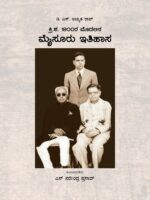
Christa Shaka 1800 Ra Modalina Mysooru ithihaasa
₹295.00Author: D S Achuta Rao Translator: S Narendra Prasad
೧೮೦೦ ಕ್ರಿ. ಶ. ದ ಹಿಂದಿನ ಮೈಸೂರು ಇತಿಹಾಸವು ಪ್ರೊ. ಡಿ ಎಸ್ ಅಚ್ಯುತ ರಾವ್ ಅವರ ಜೀವನ ಮತ್ತು ಕೆಲಸದ ಬಗ್ಗೆ. ಮೈಸೂರು ಇತಿಹಾಸದ ಕುರಿತಾದ ಅವರ ಸಂಶೋಧನೆಯು 1940-65ರ ಅವಧಿಯಲ್ಲಿ ಅವರು ಪ್ರಕಟಿಸಿದ ಹತ್ತು ಸೂಚ್ಯಂಕ ಲೇಖನಗಳಿಂದ ಪ್ರತಿನಿಧಿಸುತ್ತದೆ. ಅವರು ಭಾರತದ ಇತಿಹಾಸ ಮತ್ತು ಅದರ ಅದ್ಭುತ ಭೂತಕಾಲವನ್ನು ಸಕ್ರಿಯವಾಗಿ ಜನಪ್ರಿಯಗೊಳಿಸಿದರು. ಮಹಾರಾಜಾಸ್ ಕಾಲೇಜ್ ಹಿಸ್ಟರಿ ಸೊಸೈಟಿ, ಭಾರತದ ವಸಾಹತು ಸಂಶೋಧಕರು ಮತ್ತು ಕನ್ನಡ ವಿಶ್ವಕೋಶದಲ್ಲಿ ಮೈಸೂರು ಸರ್ಕಾರದ ಉಪಕ್ರಮದಿಂದ ಭಾರತೀಯ ಇತಿಹಾಸದಲ್ಲಿ ಉಪಕ್ರಮಗಳನ್ನು ಪ್ರಸ್ತುತಪಡಿಸುವುದರಿಂದ ಅಂತಹ ಮೂರು ಲೇಖನಗಳನ್ನು ಸೇರಿಸಲಾಗಿದೆ. ಎರಡನೇ ಭಾಗದಲ್ಲಿ ಅವರ ಜೀವನಚರಿತ್ರೆಯಲ್ಲಿ, ಅವರ ವಿದ್ಯಾರ್ಥಿಗಳು ಮತ್ತು ಮಕ್ಕಳು ಶಿಕ್ಷಕ ಮತ್ತು ತಂದೆಯಾಗಿ ಅವರ ಜೀವನದ ಬಗ್ಗೆ ಬರೆದಿದ್ದಾರೆ, ಅವರ ಅವಧಿಯ ಸಂದರ್ಭವನ್ನು ಒದಗಿಸಿದ್ದಾರೆ. ಪುಸ್ತಕವು ಕಳೆದ ಶತಮಾನದ ಮಧ್ಯದಲ್ಲಿ ಇತಿಹಾಸ ಸಂಶೋಧನೆಗೆ ಆಸಕ್ತಿದಾಯಕ ವಿಂಡೋವನ್ನು ಪ್ರಸ್ತುತಪಡಿಸುತ್ತದೆ.
Interested readers may write to us at mup@manipal.edu about purchasing the book.
Also available on
-

A Concise Textbook of Drug Regulatory Affairs
₹290.00This book has 12 chapters covering nearly all the areas of Drug Regulatory Affairs. Various aspects of Drug Regulatory Affairs such as new drug approval procedure, pharmacovigilance, product recall, evolution of drug regulations in the United States of America (USA) and process of drug approval in the USA and European Union, bioequivalence regulations, electronic Common Technical Documents (eCTD), environmental regulations, orphan drugs pharmaceutical pricing and control policy, Pharmacovigilance system in India and the USA, Product Recall, regulations of pharmaceutical drug promotion and Pharmacy Practice regulations are covered in this book. As a whole, the book is a comprehensive reference book on regulatory affairs and will be very useful for the practicing professionals and students alike.
Interested readers may write to us at mup@manipal.edu about purchasing the book.
Also available on
-
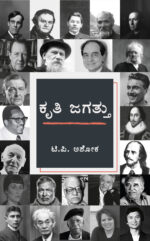
Kriti Jagattu
₹310.00Author: T P Ashok
ಪ್ರೊ. ಟಿ. ಪಿ. ಅಶೋಕ ಅವರ ಇತ್ತೀಚಿನ ಕೃತಿ ಕೃತಿ ಜಗತ್ತು ಇಪ್ಪತ್ತಾರು ಪ್ರಬಂಧಗಳನ್ನು ಒಳಗೊಂಡ ಪುಸ್ತಕವಾಗಿದ್ದು, ವಿವಿಧ ದೇಶಗಳು, ಭಾಷೆಗಳು, ಸಂಪ್ರದಾಯಗಳು, ಪ್ರಕಾರಗಳು ಇತ್ಯಾದಿಗಳಿಗೆ ಸಂಬಂಧಿಸಿದ ಕೃತಿಗಳನ್ನು ಪರಿಚಯಿಸುವ, ವಿಶ್ಲೇಷಿಸುವ, ವಿಮರ್ಶಿಸುವ ಮತ್ತು ಸ್ಪಷ್ಟಪಡಿಸುವ ಮತ್ತು ಸಾಹಿತ್ಯದ ಒಂದು ನೋಟವನ್ನು ನೀಡುತ್ತದೆ. ಇಡೀ ಪ್ರಪಂಚ. ಪ್ರಬಂಧಗಳು ಸಾಮಾಜಿಕ, ಸಾಂಸ್ಕೃತಿಕ ಮತ್ತು ರಾಜಕೀಯ ಘಟನೆಗಳಿಗೆ ಮತ್ತು ಕಳೆದ ಐನೂರು ವರ್ಷಗಳಲ್ಲಿ ನೈತಿಕ, ಮಾನಸಿಕ ಮತ್ತು ಆಧ್ಯಾತ್ಮಿಕ ಬಿಕ್ಕಟ್ಟುಗಳಿಗೆ ಪ್ರಪಂಚದಾದ್ಯಂತದ ಶ್ರೇಷ್ಠ ಬರಹಗಾರರ ಪ್ರತಿಕ್ರಿಯೆಯನ್ನು ಪರಿಣಾಮಕಾರಿಯಾಗಿ ಪ್ರಸ್ತುತಪಡಿಸುತ್ತವೆ. ಈ ಕೃತಿ ಪ್ರಪಂಚವು ಕನ್ನಡ ಸಾಹಿತ್ಯ ಪ್ರಪಂಚದೊಂದಿಗೆ ಸಂಬಂಧವನ್ನು ಸ್ಥಾಪಿಸುತ್ತದೆ ಮತ್ತು ಆದ್ದರಿಂದ ಪುಸ್ತಕದ ವಿಶೇಷ ಮಹತ್ವವನ್ನು ಹೊಂದಿದೆ.
Interested readers may write to us at mup@manipal.edu about purchasing the book.
Also available on
-
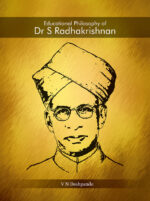
Educational Philosophy of Dr S Radhakrishnan
₹495.00Author: V N Deshpande
Educational Philosophy of Dr S Radhakrishnan effectively presents Radhakrishnan’s thoughts, highlighting their relevance to the present day. The author has at length discussed Indian Philosophy in comparison with the Western thought and successfully established that the East-West synthesis as propagated by Radhakrishnan is the need of the hour. The readers will also get an account of Radhakrishnan’s life story in the backdrop of the political history of pre and post-Independent India. This book is Dr V N Deshpande’s posthumous publication.
Interested readers may write to us at mup@manipal.edu about purchasing the book.
Also available on
-
Culture and Creativity: Selected Writings of N Manu Chakravarthy
₹450.00Author: Manu Chakravarthy Editor: Unni Krishnan Karikkat
Culture and Creativity is a collection of essays of N Manu Chakravarthy, a prominent culture critic known for his discourses on music, cinema, literature and several aspects of culture and philosophy. This book illustrates the intellectual and ethical perspectives that shape his discussions on wide range of issues. These discussions are reflective of the inspiration he draws from his father Prof G N Chakravarthy and his teachers Prof C D Narasimhaiah, Prof U R Ananthamurthy, and Prof B Damodara Rao. The ideas of Ivan Illich and Noam Chomsky, and his friend D R Nagaraj are also instrumental in framing the critical nature of his interpretations. The essays in this book encompass Prof Manu Chakravarthy’s perspectives on religion, secularism, tradition, and modernity. The references to Sri Narayanaguru, M K Gandhi, Rabindranath Tagore, and the interview with Gustavo Esteva, evince his preoccupation with madhyamamarga. They also foreground his views on nationalism, metaphysics, media, politics and the crises of the third world and India in a globalised context. This work is a testimony to the form of scholarship he values.
Interested readers may write to us at mup@manipal.edu about purchasing the book.
Also available on