

Caught in the World of Binaries: Selected Poems of K S Nisar Ahmed
₹310.00
Author: K S Nisar Ahmed Editors: C N Ramachandran, M S Raghunath
Professor K S Nisar Ahmed (b 1936) is a geologist by profession and a major writer in Kannada. His first collection of poems, Manasu Gandhi Bazar (My Mind is like Gandhi Bazar) was published in 1960, and since then he has published poetry (15 collections), prose (five collections), and translations from Shakespeare and Neruda. He has been honoured with many awards, including ‘Padmashri’, Honorary D Litt (Kuvempu University), and Pampa Prashasti (Karnataka Government). Living between two languages and two cultures, Prof. Nisar has successfully achieved the balance necessary for the tight-rope walking as a poet. He believes that, “Only when you understand another religion (or culture or language), you really understand your own religion (or culture or language).” The present volume of 100 selected poems exhibits the multifaceted poetry of Nisar that reflects his creative pluralism. The 13 translators of the poems in this volume include A K Ramanujan, V K Gokak and Tejaswini Niranjana.
Interested readers may write to us at mup@manipal.edu about purchasing the book.

| Author | |
|---|---|
| Format |
Related products
-
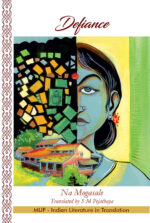
Defiance
₹495.00Defiance is a captivating tale of the march of globalization and its impact on the lives and times of the Santher Guthu family in Ombathkere, a village located between Mangaluru and Kasaragodu. Set in the picturesque Malabar coast of Karnataka in the late 20th Century, the novel takes the reader through four generations of the family. Ambakke, the protagonist, along with her brother Sankappa Hegde, the third-generation descendants of the family form the lifeblood of this story of human relationships in the midst of time and change. The novel is born out of deep contemplation of a community in the face of transition. There is anxiety that grips this part of Karnataka in the wake of modernity. The vast canvas of the novel and the depiction of folk culture provides a unique touch to the saga of the community. Defiance is a novel about traditions and the fear of losing out to modernity. It is about change and the desire to remain rooted.
Interested readers may write to us at mup@manipal.edu about purchasing the book.
Also available on
-
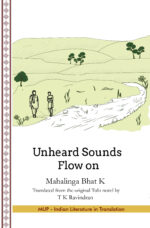
Unheard Sounds Flow On
₹315.00Author: K Mahalinga, Translator: T K Ravindran
In spite of being one of the oldest members of the Dravidian family of languages, Tulu, unfortunately, has not yet found the recognition that it richly deserves in the modern world. Since modernity privileges the written over the spoken, the Tulu language that is abundantly blessed with oral literature has been placed on the fringes of modern literary world. Ironically, Tulu is still engaged in a desperate fight for official status in a country that boasts of its cultural and linguistic diversity. The motives behind the translation of Nanajjer Sude Tirgayer, hailed as the first modern Tulu novel, into English refuse to remain apolitical in this context.
The novel, which has already been translated into Kannada, Konkani and Malayalam, beautifully captures the pulse of rusticity that characterizes the life of a village community that lived its life with its love-hate relationship with nature, more than 75 years ago in a Tulu speaking village in the south-western part of Karnataka. Besides bringing alive the socio-cultural practices that find their articulation through the natural linguistic plurality ingrained in the village psyche, the novel touches upon the duality of human nature that leaves man perennially condemned to an inner crisis.
Interested customers may write to us at mup@manipal.edu about purchasing the book.
Also available on
-
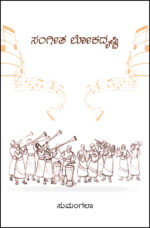
Sangeetha Lokadrishti
₹295.00Author: Sumangala
ತಂದೆ-ಮಗಳ ಸುರಬಹಾರಿನ ಸಂಗೀತಬಂಧದ ಚಿತ್ರಣದಿಂದ ಆರಂಭಗೊಳ್ಳುವ ಈ ಕಿರುಕೃತಿಯು ಸಾಗರ ವೀಣೆ ರೂಪುಗೊಳಿಸಿದ ಇನ್ನೊಂದು ತಂದೆ-ಮಗಳ ಸಂಗೀತಬಂಧದ ಚಿತ್ರಣದೊಂದಿಗೆ ಮುಕ್ತಾಯವಾಗುತ್ತದೆ. ಇಲ್ಲಿ ನಾಲ್ವರು ಸಂಗೀತಗಾರರ ಬದುಕಿನ ಕೆಲವು ಸನ್ನಿವೇಶಗಳು, ಸಂಗೀತಪಯಣದಲ್ಲಿ ಅವರು ಸಾಗಿದ ಹಾದಿ, ಕಠಿಣ ಸಂದರ್ಭಗಳು, ಅವರ ಸಾಂಗೀತಿಕ ಮನೋಧರ್ಮ, ರಾಗರೂಪದ ಕುರಿತ ದೃಷ್ಟಿಕೋನ, ಇತ್ಯಾದಿ ಅಂಶಗಳ ಸ್ಥೂಲ ಚಿತ್ರಣವಿದೆ.
ಸುರಬಹಾರಿನ ದಂತಕಥೆಯೆಂದೇ ಹೇಳಬಹುದಾದ ವಿದುಷಿ ಅನ್ನಪೂರ್ಣಾ ದೇವಿಯವರ ಖಾಸಗಿ ಬದುಕು, ಏಕಾಂತ ನಿಗೂಢವೆನ್ನಿಸುವ ಹಾಗೆಯೇ ಮೈಹರ್ ಘರಾನೆಯ ಸ್ವರಸಂಪತ್ತನ್ನು ಶಿಷ್ಯರಿಗೆ ಧಾರೆಯೆರೆದು ಕಲಿಸುತ್ತ, ಹಲವರನ್ನು ಮೇರು ಕಲಾವಿದರಾಗಿ ರೂಪುಗೊಳಿಸಿದ ಬಗೆಯೂ ಅನನ್ಯ. ಕೃತಿಯಲ್ಲಿ ಚಿತ್ರಿಸಿದ ಇನ್ನುಳಿದ ಮೂವರು ಸಂಗೀತಗಾರರು ನಮ್ಮ ನೆರೆಯ ಪಾಕಿಸ್ತಾನದ ಶಾಸ್ತ್ರೀಯ ಸಂಗೀತ ಪರಂಪರೆಯನ್ನು ಇನ್ನಷ್ಟು ಸಮೃದ್ಧಗೊಳಿಸಿದವರು.
“ಏ ದಯ್ಯಾ… ಕಹಾಂ ಗಯೇ ವೇ ಲೋಗ್… ಬ್ರಿಜ ಕೆ ಬಸಯ್ಯಾ…”
ಮನುಷ್ಯರ ನಡುವೆ ಹತ್ತುಹಲವು ಬಗೆಯ ದ್ವೇಷದ ಗೋಡೆಗಳು ಎದ್ದು ನಿಂತಿರುವ ಇಂದಿನ ದಿನಮಾನದಲ್ಲಿ ಭಿನ್ನತೆಗಳಿದ್ದರೂ ಪರಸ್ಪರ ಸಂವಾದ ನಡೆಸುತ್ತಿದ್ದ ಆ ಜನರನ್ನು, ಆ ಕಾಲಘಟ್ಟವನ್ನು ಮತ್ತೆ ಕಂಡುಕೊಳ್ಳಲು ಬಹುಶಃ ಇಂತಹ ಸಂಗೀತಗಾರರ ಕೊರಳೊಳಗಿನ, ಬೆರಳೊಳಗಿನ ಸ್ವರಗಳೇ ನಮ್ಮ ಕೈಹಿಡಿದು ಮುನ್ನಡೆಸಬೇಕಿದೆ.
Interested readers may write to us at mup@manipal.edu about purchasing the book.
Also available on
-
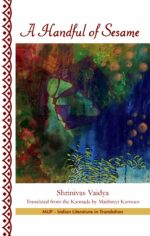
A Handful of Sesame
₹310.00Author: Srinivas B Vaidya, Translator: Maithreyi Karnoor
With a captivating start, A Handful of Sesame plunges us into the heart of the dying years of the 1857 mutiny. But the mutiny is largely a backdrop to the novel. When Kamalanabh of Kashi is manipulated by an impoverished Brahmin of Navalgund into marrying his daughter, the novel becomes basically the story of an internal migration. This is rare, and it remains one of the strengths of the novel. We are so used to speaking of migration across the postcolonial bridge and accredited national borders that we forget that India is a country of endless internal migrations – in the past and the present.
Interested readers may write to us at mup@manipal.edu about purchasing the book.
Also available on
-
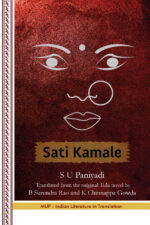
Sati Kamale
₹240.00Author: S U Paniyadi Translators: B Surendra Rao, K Chinnappa Gowda
This eponymous novel is centred on Kamale, who is an embodiment of wifely virtue. For fifteen long years Kamale lives the life of a widow to the outside world, nurturing the hopes of reuniting with the husband one day. Alone in the room, each night she wears her marks of a married woman with the dagger gifted by Umesha next to her. It could be seen as an exposition on the then existing indigenous discourse in India in the 19th century and early 20th century. Kamale, in her rigorous commitment and in retrieving her husband from ‘death’, is fashioned after Savithri in an intertextual reference to Mahabharata’s episode of “Satyavan and Savithri”. The novel might look conservative for the present-day reader, but it is a representative literary work of the time when Paniyadi, among many others, wanted to regain the independent status of the Tulu language which had somehow slipped out of its pedestal.
Interested readers may write to us at mup@manipal.edu about purchasing the book.
Also available on
-
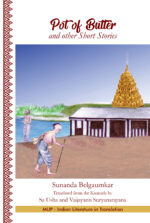
Pot of Butter and other short stories
₹250.00Author: Sunanda Belgaumkar Translator: Sa Usha, Vaijayanti Suryanarayana
Pot of Butter and other Short Stories is a collection of nine short stories, originally composed by Sunanda Belgaumkar in Kannada, handpicked and translated from her collections – Kajjaya and Koduvudenu Kombudenu. The bulk of her literary work including the stories in this book are inspired by the experiences in her early life, in the rustic and robust atmosphere of Dharwad. Her stories are predominantly semiautobiographical, laced with a liberal dose of artistic freedom.
This collection weaves together her writings on the underprivileged and marginalized as seen from the comfort of her palatial home, but rendered with compassion and empathy. Often, we find her narrative infused with self-directed questions such as, “What if I was in her shoes? ” or “Could that have been me? ” These stories are reflections on human nature, suffering, and destiny. There is hope, there is despair. There is love, there is longing. There is defeat, and there is triumph. In her stories, an oft-recurring metaphor for picking up one’s life after loss is a scorching summer followed by a torrential downpour and subsequently a plant springing to life.
As a translation, this book attempts to introduce Sunanda Belgaumkar’s literary and artistic creations to the non-Kannada reader, retaining as much of the indigenous elements of the original writings as possible. In doing so, it seeks to preserve the cultural climate of North Karnataka as it was around fifty years ago.
Interested readers may write to us at mup@manipal.edu about purchasing the book.
Also available on
-
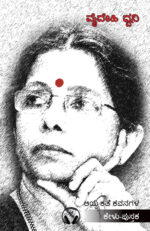
Vaidehi Dhvani
₹275.00Author: Vaidehi
ಪ್ರಸ್ತುತ ಪುಸ್ತಕವು ಮುಂದಿನ ಕಾಲಕ್ಕೆ ವೈದೇಹಿಯವರ ಧ್ವನಿ ಮತ್ತು ನಿರೂಪಣೆಯನ್ನು ದಾಖಲಿಸುವ ಪ್ರಯತ್ನವಾಗಿದೆ. ಅವರ ಕಥೆಗಳ ನಿರೂಪಣೆಯು ಕುಂದಾಪುರದ ಆಡುಭಾಷೆಯ ಶ್ರೀಮಂತಿಕೆಯಲ್ಲಿ ಮತ್ತು ಅದರಾಚೆಗೆ ಕನ್ನಡದ ಸಂಸ್ಕೃತಿಯೊಂದಿಗೆ ಏಕತೆಯ ಭಾವನೆಯೊಂದಿಗೆ ಎತ್ತರದಲ್ಲಿದೆ. ಐದು ಕಥೆಗಳು ಮತ್ತು ಏಳು ಕವಿತೆಗಳ ಈ ಪುಸ್ತಕವನ್ನು ಅವರು ಓದಿದ್ದಾರೆ. ಈ ಆಯ್ದ ಕಥೆಗಳು ಈಗಾಗಲೇ ಪ್ರಕಟವಾದವುಗಳಾಗಿವೆ ಆದರೆ ಅದನ್ನು ವಿಭಿನ್ನವಾಗಿಸುವುದು ಅವುಗಳನ್ನು ಓದುವ ವಿಧಾನವಾಗಿದೆ. ಪ್ರತಿ ಪದ, ಪ್ರತಿ ವಿರಾಮಚಿಹ್ನೆ, ಪ್ರತಿ ವಿರಾಮ, ಅವರ ಧ್ವನಿಯಲ್ಲಿ ತುಂಬಾ ವಿಭಿನ್ನವಾಗಿದೆ. “ವೈದೇಹಿ ಧ್ವನಿ” ಎಂಬ ಹೆಸರನ್ನು ಅವರ ಧ್ವನಿಯ ನಾದದ ಗುಣಮಟ್ಟವನ್ನು ಪ್ರತಿನಿಧಿಸಲು ನೀಡಲಾಗಿದೆ ಆದರೆ ಅದು ಕೇಳುಗ ಅಥವಾ ಓದುಗನಲ್ಲಿ ಹೊಸ ಶಕ್ತಿಯನ್ನು ಹುಟ್ಟುಹಾಕುತ್ತದೆ. ಆಕೆಯ ಕಥೆಗಳನ್ನು ಅಧ್ಯಯನ ಮಾಡಲು ಬಯಸುವವರಿಗೆ ಅನುಕೂಲವಾಗುವಂತೆ ಆಡಿಯೋ ಸಿಡಿಯು ಪಠ್ಯ ರೂಪದಲ್ಲಿ ಪುಸ್ತಕವನ್ನು ಸಹ ಹೊಂದಿದೆ. ವಿವಿಧ ವಿಶ್ವವಿದ್ಯಾನಿಲಯಗಳಲ್ಲಿ ಅನೇಕ ವಿದ್ಯಾರ್ಥಿಗಳು ಅಧ್ಯಯನದ ವಿಷಯವಾಗಿ ತೆಗೆದುಕೊಳ್ಳುತ್ತಾರೆ.
Interested readers may write to us at mup@manipal.edu about purchasing the book.
Also available on
-
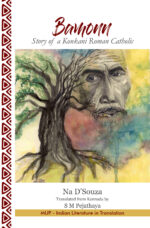
Bamonn: Story of a Konkani Roman Catholic
₹255.00Author: Na D’Souza Translator: S M Pejathaya
Konkani Roman Catholic Christians were converted from other groups by Goan Missionaries long back, keeping the caste system tradition to a large extent in layers such as the Bamonn, the Charodi, the Gawdi, the Nendar, the Shudra, etc. At the time of marriages and other social gatherings they continue to consider caste system norms and customs in the community. Caste system in Indian Christians is vividly described in the novel Bamonn. Christopher Pai of Kalyanpura hails from a Bamonn family and takes great pride in his ancestry. He believes in the stories about his Konkani Roman Catholic ancestors from his elders and about their being true Christians, holding on to their faith despite tremendous pressure to convert to Islam during Tipu Sultan’s regime. He also believes Bamonns are superior to other Christians in the community. After retiring from his job of a Headmaster, he refuels his obsession to retrace his roots and find out the truth about his ancestors. In his journey of self-assurance and faith, will he succeed in his mission to convince his family, his children and the community at large of his glorious ancestry and in still pride in the next generation? . . .
Interested readers may write to us at mup@manipal.edu about purchasing the book.
Also available on