
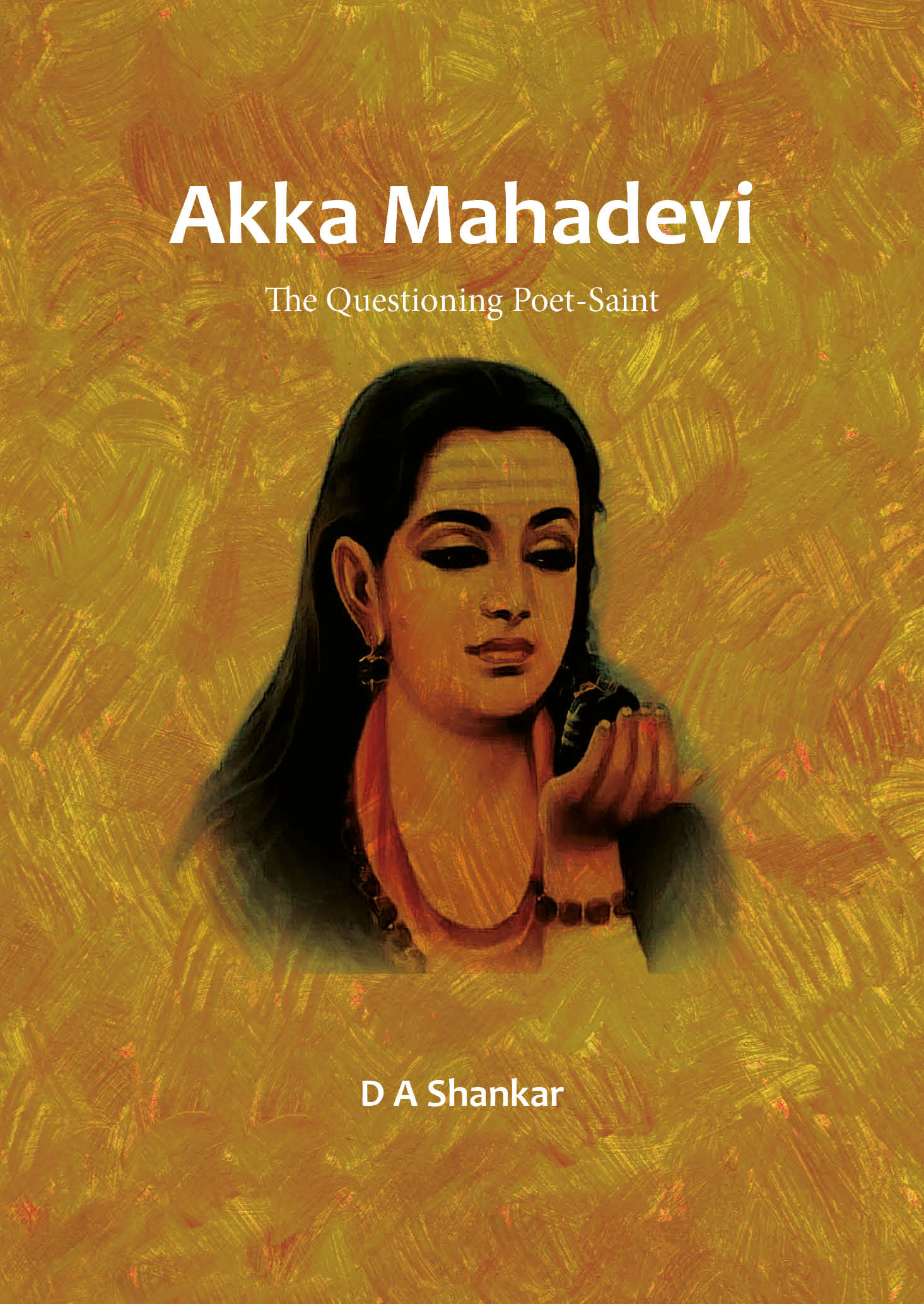
Akka Mahadevi, the questioning poet-saint
₹255.00
Author: D A Shankar
This book presents the mystical ruminations and literary excellence of Akka Mahadevi, the earliest example of a gender-liberated woman writer, credited with the composition of over four hundred and forty remarkably self-explorative Vachanas. Akka Mahadevi represents a powerfully authentic female voice of the radical, egalitarian Sharana Movement, which questioned the socially established barrier between genders and ushered in a world of socio-cultural equality.
In this book, the author explores the questioning spirit intrinsic to Akka Mahadevi’s life and writings, as she questions the widely held conventional norms: the traditional husband-wife relationship, her parents, elders; she questions Basavanna and Allama for their habituated patriarchal manner of speaking, and she bravely questions her personal deity whom she loves and adores. Apart from discerning a credible ‘history’ and background to Akka’s works, this book makes available a rendition of her selectively profound and memorable Vachana in modern English, that crosses the ?the gulf of language and the gulf of time.
Interested readers may write to us at mup@manipal.edu about purchasing the book.
Also available on

| Author | |
|---|---|
| Format |
Related products
-
Anurakte- The Enamoured
₹390.00Author: Vyasaraya Ballal Translator: Poornima Hebbar
There are many rags-to-riches stories around the city of Mumbai. However, here is a story of transformation of a woman and her true self in the city of dreams. Set in Mangalore and Mumbai of the late 1940s, Anurakte- The Enamoured is an elegantly written story of a woman and her changing worldview over a period of time. Sumithra, a young woman with ordinary dreams and aspirations, comes to the then Bombay in search of livelihood. Little did she know that her experiences in the city and her zest for an independent life would transform her into a different person. She breaks the shell and resolves not to look back. The book is a poignant tale of love, loss, betrayal, family, relationships and traditions. The culturescape of Mumbai beautifully intertwines with her dreams. It is as much a story of the vibrancy of Mumbai as it is about Sumithra’s journey towards freedom.
Interested readers may write to us at mup@manipal.edu about purchasing the book.
Also available on
-
A Shrine for Sarasamma
₹180.00Author: Shivarama Karanth Translator: D A Shankar
A Shrine for Sarasamma is the English translation of Sarasammana Samadhi written by K Shivarama Karanth in 1937, in his early thirties. It offers one of the most authentic and searing accounts of Indian womanhood, which consistently, and through the ages, has suffered deep anguish, humiliation and crushing insult from the oppressive patriarchal culture prevalent in all parts of India and among all castes and classes. The novel is a classic in Kannada and the English translation is an attempt to bring to the English reading audience a taste of the regional classic.
Interested readers may write to us at mup@manipal.edu about purchasing the book.
Also available on
-
If we meet again we shall smile
₹199.00Author: Anushua Chakrabarti
People leave our lives. Some simply walk away from our world while some leave this world altogether. Through visuals, poetry and short stories, the author has a dialogue with the reader that takes them both through a journey full of characters that are no more, and yet have shaped the story. This fictional dialogue is a short trip down memory lane that visits the relationships one keeps hidden beneath.
Anushua Chakrabarti, originally from Kolkata, is a wandering minstrel. She lives on travel and music. Anushua has completed her MBA from TAPMI, Manipal, India, post which she worked in top technology brands like HP and Microsoft. She is presently back in Kolkata, driving social service through her acquired experience. Anushua has faced several childhood traumas but she believes she is what she is today, not in spite of it; but because of it.
Interested readers may write to us at mup@manipal.edu about purchasing the book.
Also available on
-
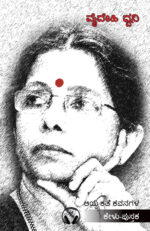
Vaidehi Dhvani
₹275.00Author: Vaidehi
ಪ್ರಸ್ತುತ ಪುಸ್ತಕವು ಮುಂದಿನ ಕಾಲಕ್ಕೆ ವೈದೇಹಿಯವರ ಧ್ವನಿ ಮತ್ತು ನಿರೂಪಣೆಯನ್ನು ದಾಖಲಿಸುವ ಪ್ರಯತ್ನವಾಗಿದೆ. ಅವರ ಕಥೆಗಳ ನಿರೂಪಣೆಯು ಕುಂದಾಪುರದ ಆಡುಭಾಷೆಯ ಶ್ರೀಮಂತಿಕೆಯಲ್ಲಿ ಮತ್ತು ಅದರಾಚೆಗೆ ಕನ್ನಡದ ಸಂಸ್ಕೃತಿಯೊಂದಿಗೆ ಏಕತೆಯ ಭಾವನೆಯೊಂದಿಗೆ ಎತ್ತರದಲ್ಲಿದೆ. ಐದು ಕಥೆಗಳು ಮತ್ತು ಏಳು ಕವಿತೆಗಳ ಈ ಪುಸ್ತಕವನ್ನು ಅವರು ಓದಿದ್ದಾರೆ. ಈ ಆಯ್ದ ಕಥೆಗಳು ಈಗಾಗಲೇ ಪ್ರಕಟವಾದವುಗಳಾಗಿವೆ ಆದರೆ ಅದನ್ನು ವಿಭಿನ್ನವಾಗಿಸುವುದು ಅವುಗಳನ್ನು ಓದುವ ವಿಧಾನವಾಗಿದೆ. ಪ್ರತಿ ಪದ, ಪ್ರತಿ ವಿರಾಮಚಿಹ್ನೆ, ಪ್ರತಿ ವಿರಾಮ, ಅವರ ಧ್ವನಿಯಲ್ಲಿ ತುಂಬಾ ವಿಭಿನ್ನವಾಗಿದೆ. “ವೈದೇಹಿ ಧ್ವನಿ” ಎಂಬ ಹೆಸರನ್ನು ಅವರ ಧ್ವನಿಯ ನಾದದ ಗುಣಮಟ್ಟವನ್ನು ಪ್ರತಿನಿಧಿಸಲು ನೀಡಲಾಗಿದೆ ಆದರೆ ಅದು ಕೇಳುಗ ಅಥವಾ ಓದುಗನಲ್ಲಿ ಹೊಸ ಶಕ್ತಿಯನ್ನು ಹುಟ್ಟುಹಾಕುತ್ತದೆ. ಆಕೆಯ ಕಥೆಗಳನ್ನು ಅಧ್ಯಯನ ಮಾಡಲು ಬಯಸುವವರಿಗೆ ಅನುಕೂಲವಾಗುವಂತೆ ಆಡಿಯೋ ಸಿಡಿಯು ಪಠ್ಯ ರೂಪದಲ್ಲಿ ಪುಸ್ತಕವನ್ನು ಸಹ ಹೊಂದಿದೆ. ವಿವಿಧ ವಿಶ್ವವಿದ್ಯಾನಿಲಯಗಳಲ್ಲಿ ಅನೇಕ ವಿದ್ಯಾರ್ಥಿಗಳು ಅಧ್ಯಯನದ ವಿಷಯವಾಗಿ ತೆಗೆದುಕೊಳ್ಳುತ್ತಾರೆ.
Interested readers may write to us at mup@manipal.edu about purchasing the book.
Also available on
-
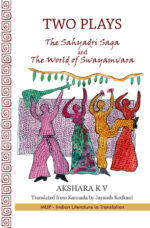
Two Plays – The Sahyadri Saga and The World of Swayamvara
₹199.00Author: Akshara K V Translator: Jayanth Kodkani
These two plays negotiate with the real problems of contemporary India. If Sahyadri Kanda is about the ripples caused in the life of the people in a village on the Western Coast which will soon have a nuclear plant, Swayamvaraloka, is an allegorical narrative set in a small village that extends to include the larger contemporary world. Both the plays dwell on the seeming binaries of village-city, success-failure, modern-traditional while examining the nature of human relationships in the changing world. These plays also reflect an ambition to elevate the real experience to a mythical level. While most playwrights attempt to echo contemporary concerns by reinterpreting history and mythology, for these plays, the epics, their grandeur, the struggle, the wars are not episodes that happen in kingdoms and palaces and battlefields, they are also that which takes place in the microworld of one’s consciousness. Each character in these plays find their own dharma, yet it offers no model for the reader, and remains only a pointer to the complex process of finding it.
Interested readers may write to us at mup@manipal.edu about purchasing the book.
Also available on
eBook available on

-
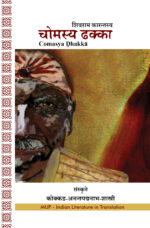
Comasya Dhakka
₹195.00Author: Shivarama Karanth Translator: Ananthapadmanabha Shastri
Set in the coastal Karavali region of Karnataka, Chomasya Dakka is the story of Coma, a Dalit bonded-laborer. Set in the pre-independent India, Comasya Dakka tells a poignant tale of dalit lives, and the suppression of their fundamental rights and identity through the character of Coma. Denied the right to even till and cultivate their own land due to their caste and identity, Coma and his children work as bonded-labourers for their landlord, Sankappayya. The plot of the novel follows the lives of Coma and his children and the tragedies that befall them. The original work in Kannada, Comana Dudi, was adapted into a well-acclaimed, national award-winning film in the year 1975. Directed by B V Karanth, it won the Swarna Kamal, Indias National Award for the Best Film in the year 1976.
Interested readers may write to us at mup@manipal.edu about purchasing the book.
Also available on
-
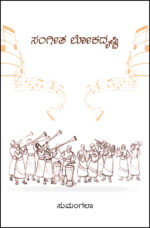
Sangeetha Lokadrishti
₹295.00Author: Sumangala
ತಂದೆ-ಮಗಳ ಸುರಬಹಾರಿನ ಸಂಗೀತಬಂಧದ ಚಿತ್ರಣದಿಂದ ಆರಂಭಗೊಳ್ಳುವ ಈ ಕಿರುಕೃತಿಯು ಸಾಗರ ವೀಣೆ ರೂಪುಗೊಳಿಸಿದ ಇನ್ನೊಂದು ತಂದೆ-ಮಗಳ ಸಂಗೀತಬಂಧದ ಚಿತ್ರಣದೊಂದಿಗೆ ಮುಕ್ತಾಯವಾಗುತ್ತದೆ. ಇಲ್ಲಿ ನಾಲ್ವರು ಸಂಗೀತಗಾರರ ಬದುಕಿನ ಕೆಲವು ಸನ್ನಿವೇಶಗಳು, ಸಂಗೀತಪಯಣದಲ್ಲಿ ಅವರು ಸಾಗಿದ ಹಾದಿ, ಕಠಿಣ ಸಂದರ್ಭಗಳು, ಅವರ ಸಾಂಗೀತಿಕ ಮನೋಧರ್ಮ, ರಾಗರೂಪದ ಕುರಿತ ದೃಷ್ಟಿಕೋನ, ಇತ್ಯಾದಿ ಅಂಶಗಳ ಸ್ಥೂಲ ಚಿತ್ರಣವಿದೆ.
ಸುರಬಹಾರಿನ ದಂತಕಥೆಯೆಂದೇ ಹೇಳಬಹುದಾದ ವಿದುಷಿ ಅನ್ನಪೂರ್ಣಾ ದೇವಿಯವರ ಖಾಸಗಿ ಬದುಕು, ಏಕಾಂತ ನಿಗೂಢವೆನ್ನಿಸುವ ಹಾಗೆಯೇ ಮೈಹರ್ ಘರಾನೆಯ ಸ್ವರಸಂಪತ್ತನ್ನು ಶಿಷ್ಯರಿಗೆ ಧಾರೆಯೆರೆದು ಕಲಿಸುತ್ತ, ಹಲವರನ್ನು ಮೇರು ಕಲಾವಿದರಾಗಿ ರೂಪುಗೊಳಿಸಿದ ಬಗೆಯೂ ಅನನ್ಯ. ಕೃತಿಯಲ್ಲಿ ಚಿತ್ರಿಸಿದ ಇನ್ನುಳಿದ ಮೂವರು ಸಂಗೀತಗಾರರು ನಮ್ಮ ನೆರೆಯ ಪಾಕಿಸ್ತಾನದ ಶಾಸ್ತ್ರೀಯ ಸಂಗೀತ ಪರಂಪರೆಯನ್ನು ಇನ್ನಷ್ಟು ಸಮೃದ್ಧಗೊಳಿಸಿದವರು.
“ಏ ದಯ್ಯಾ… ಕಹಾಂ ಗಯೇ ವೇ ಲೋಗ್… ಬ್ರಿಜ ಕೆ ಬಸಯ್ಯಾ…”
ಮನುಷ್ಯರ ನಡುವೆ ಹತ್ತುಹಲವು ಬಗೆಯ ದ್ವೇಷದ ಗೋಡೆಗಳು ಎದ್ದು ನಿಂತಿರುವ ಇಂದಿನ ದಿನಮಾನದಲ್ಲಿ ಭಿನ್ನತೆಗಳಿದ್ದರೂ ಪರಸ್ಪರ ಸಂವಾದ ನಡೆಸುತ್ತಿದ್ದ ಆ ಜನರನ್ನು, ಆ ಕಾಲಘಟ್ಟವನ್ನು ಮತ್ತೆ ಕಂಡುಕೊಳ್ಳಲು ಬಹುಶಃ ಇಂತಹ ಸಂಗೀತಗಾರರ ಕೊರಳೊಳಗಿನ, ಬೆರಳೊಳಗಿನ ಸ್ವರಗಳೇ ನಮ್ಮ ಕೈಹಿಡಿದು ಮುನ್ನಡೆಸಬೇಕಿದೆ.
Interested readers may write to us at mup@manipal.edu about purchasing the book.
Also available on
-
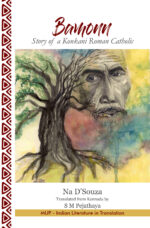
Bamonn: Story of a Konkani Roman Catholic
₹255.00Author: Na D’Souza Translator: S M Pejathaya
Konkani Roman Catholic Christians were converted from other groups by Goan Missionaries long back, keeping the caste system tradition to a large extent in layers such as the Bamonn, the Charodi, the Gawdi, the Nendar, the Shudra, etc. At the time of marriages and other social gatherings they continue to consider caste system norms and customs in the community. Caste system in Indian Christians is vividly described in the novel Bamonn. Christopher Pai of Kalyanpura hails from a Bamonn family and takes great pride in his ancestry. He believes in the stories about his Konkani Roman Catholic ancestors from his elders and about their being true Christians, holding on to their faith despite tremendous pressure to convert to Islam during Tipu Sultan’s regime. He also believes Bamonns are superior to other Christians in the community. After retiring from his job of a Headmaster, he refuels his obsession to retrace his roots and find out the truth about his ancestors. In his journey of self-assurance and faith, will he succeed in his mission to convince his family, his children and the community at large of his glorious ancestry and in still pride in the next generation? . . .
Interested readers may write to us at mup@manipal.edu about purchasing the book.
Also available on