
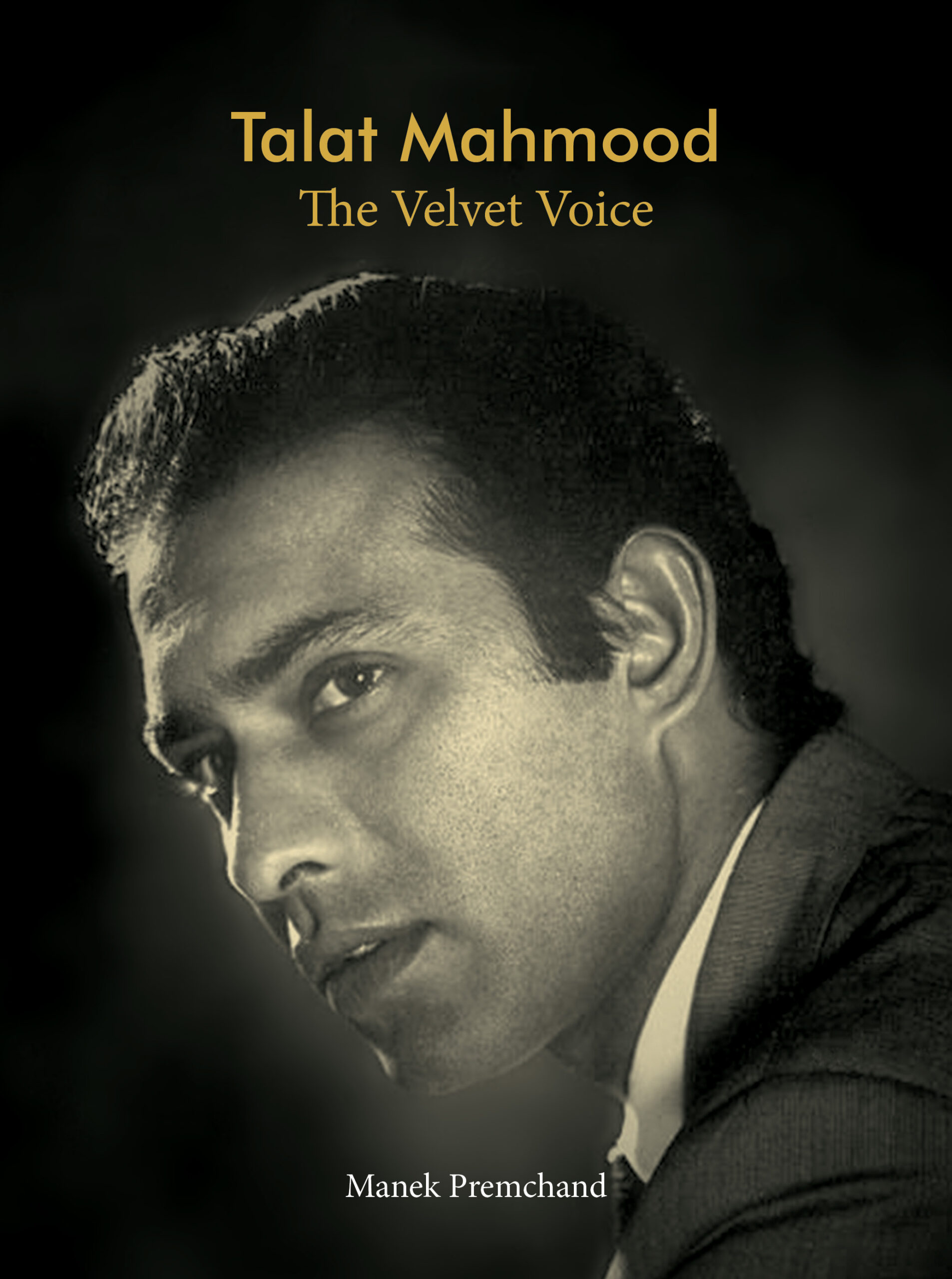
Talat Mahmood – The Velvet Voice
₹550.00
Talat Mahmood was one of the most important and significant singers of the golden era of Hindi film music. His songs are recalled by music lovers, generation after generation. The quality of his voice and the richness of his expression made him a great singer both in cinema and outside it. His melodies are a precious part of any music connoisseur’s repository and for several people around the world his is the most moving and soul-stirring voice ever. It’s a little known fact that as much as a third of his work is non-film recordings, which consists of several songs of absolutely stunning and magical melodies to touch the listener’s heart. There has never been someone quite like Talat till today and it is to his credit that he sang his songs softly and left deep impressions on our psyche. Because Talat Mahmood was handsome, he also acted in a few films, being cast opposite many beautiful ladies of the time, including Nutan, Suraiya, Nadira, Mala Sinha, Shyama et al. However, it is not as an actor but as a singer that he will be remembered. Inside the present work, tributes from his son and daughter find space. This is a focused effort to look at the life and times of this amazing singing-actor, seen from the perspective of many music lovers who either knew him or understood his music. His entire repertoire of songs is tabulated and can be readily referenced. Plus there is a great deal of trivia related to the films in which his songs were featured. This is one book on the gentleman singer in which the readers or music lovers will find everything they always wanted to know about Talat, presented in a fun-to-read way, while continuing to fulfill its task of being an exhaustive work of reference.
Out of stock
Customer Reviews
There are no reviews yet.
Related products
-
A Shrine for Sarasamma
₹180.00Author: Shivarama Karanth Translator: D A Shankar
A Shrine for Sarasamma is the English translation of Sarasammana Samadhi written by K Shivarama Karanth in 1937, in his early thirties. It offers one of the most authentic and searing accounts of Indian womanhood, which consistently, and through the ages, has suffered deep anguish, humiliation and crushing insult from the oppressive patriarchal culture prevalent in all parts of India and among all castes and classes. The novel is a classic in Kannada and the English translation is an attempt to bring to the English reading audience a taste of the regional classic.
Interested readers may write to us at mup@manipal.edu about purchasing the book.
Also available on

-
Reliving the memories of an Indian forester: Memoir of S Shyam Sunder
₹450.00Editor: Shiv Someshwar
Shyam Sunder’s memoir is a series of vignettes, from numerous comedic to a tragic few. The life narrated is varied and never short of excitement – being ten yards from a charging tusker or a foot away from a King Cobra; defying orders of the chief minister; being hauled up for contempt of the high court, and discussing with Indira Gandhi the best way to eat avocados. Possessed of wit and passion, the narration lays bare the hubris of popular discourse on noble forest livelihoods, and unflinchingly narrates neglect of rural communities, as well as of forests, at times by the callous imposition of rules and regulations.
Interested readers may write to us at mup@manipal.edu about purchasing the book.
Also available on
-
A Bond So Sacred
₹450.00A Bond So Sacred tells the story of Raman, a satyagrahi, who adopts Kokila, an orphan. He leaves the five year old in the care of his mother while he plunges into the freedom struggle. His nationalist fervour, however, clashes with his love for Amina, his charming neighbour who wants parental approval to their marriage. Raman’s mother is as staunch a Brahmin as Amina’s father is a Muslim. Will Raman be able to get their consent. The joy of India becoming an independent nation is marred by Gandhiji’s death. Raman’s fellow satyagrahis have gone their ways and he finds himself with no role to play in a rapidly changing country. Meanwhile, Kokila, his protégée, has her own battles to fight. As the years bring them together again, Kokila discovers truths about Raman that she would never have imagined. She is forced to confront the ghosts of the past, his and hers.
Interested readers may write to us at mup@manipal.edu about purchasing the book.
Also available on
-
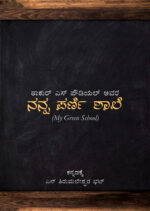
Nanna Parni Shaale
₹290.00Author: Thakur S Powdyel Translator: N T Bhat
ನನ್ನ ಪರ್ಣ ಶಾಲೆ ಠಾಕೂರ್ ಎಸ್ ಪಡೆಯಲು ಅವರು ಇಂಗ್ಲಿಷಿನಲ್ಲಿ ರಚಿಸಿದ ಪುಸ್ತಕದ ಕನ್ನಡ ಅನುವಾದ, ಭೂತಾನ್ ರಾಜ್ಯದಲ್ಲಿ ರಾಷ್ಟ್ರವ್ಯಾಪಿಯಾಗಿ ಅಳವಡಿಸಲಾದ ಶಿಕ್ಷಣ ಯೋಜನೆಯನ್ನು ಪೌಡಿಯಲ್ “ಮೈ ಗ್ರೀನ್ ಸ್ಕೂಲ್” ಎಂಬ ಹೆಸರಿನಲ್ಲಿ ವಿವರಿಸಿದ್ದಾರೆ. ಮೂಲದ ಇಂಗ್ಲಿಷ್ ಶೀರ್ಷಿಕೆ ಹೊಂದಿಕೊಳ್ಳುವಂತ ಈ ಅನುವಾದಕ್ಕೆ ಪರ್ಣ ಶಾಲೆ ಎಂಬ ಶೀರ್ಷಿಕೆಯನ್ನು ನೀಡಲಾಗಿದೆ. ವಿದ್ಯಾರ್ಥಿ ವ್ಯಕ್ತಿತ್ವ ವನ್ನು ಸರ್ವಾಂಗೀಣ ವಾಗಿ ರೂಪಿಸುವ ಉದಾತ್ತ ಧೈರ್ಯವನ್ನು ಶಿಕ್ಷಣವು ಹೊಂದಿರಬೇಕೆಂಬುದನ್ನು ಈ ಪುಸ್ತಕದಲ್ಲಿ ಗಂಭೀರವಾಗಿ ಪ್ರತಿ ಪಾದಿಸುತ್ತಾರೆ. ಮನುಷ್ಯನು ಪ್ರಕೃತಿಯೊಂದಿಗೆ ತಾದಾತ್ಮ್ಯ ಭಾವವನ್ನು ಹೊಂದಿಕೊಳ್ಳುವುದು ಸರ್ವಾಂಗೀಣ ವ್ಯಕ್ತಿತ್ವದಲ್ಲಿ ಆಂತರ್ಗತವಾಗಿದೆ. ಶಿಕ್ಷಣಕ್ಕೆ, ಶಿಕ್ಷಣ ಸಂಸ್ಥೆಗಳಿಗೆ ಈ ಲಕ್ಷ್ಯವೂ ಇರಬೇಕೆಂಬುದು ಸ್ವತಸ್ಸಿದ್ದ. ಈ ನಿಟ್ಟಿನಲ್ಲಿ ಉದಾತ್ತ ಶಿಕ್ಷಣ ನೀಡುವ ಶಾಲೆಯನ್ನು ಗ್ರೀನ್ ಸ್ಕೂಲ್ ಎಂದು ಕರೆಯುವುದು ಸರ್ವಥಾ ಸ ರಿ. ಅಂತೆಯೇ ಈ ಶಿಕ್ಷಣ ನೀತಿಯನ್ನು ಭಾರತದಲ್ಲೂ ವ್ಯಾಪಕವಾಗಿ ಅಳವಡಿಸುವುದು ಅಪೇಕ್ಷಣೀಯ.
Also available on
eBook available on

-
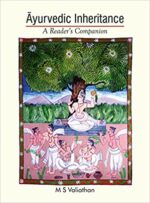
Ayurvedic Inheritance- A Reader’s Companion
₹650.00Author: M S Valiathan
In ancient India, learning spanned four quarters of one’s life. Learning was sought from the teacher, from one’s individual effort, from fellow students and in the last quarter, from the school of life itself. This book belongs to the third quarter for students of Ayurveda regardless of their background in medicine, science, or humanities. Apart from topics in the eight branches of Ayurveda, the book also deals with Ayurvedic Biology which seeks to study the concepts and procedures of Ayurveda with the tools of modern biology. M S Valiathan is a National Research Professor of the Government of India. He is a medical graduate from the University of Kerala and completed his postgraduate training in general surgery from the University of Liverpool and other hospitals in the UK. He did his specialisation in cardiac surgery from the Johns Hopkins and Georgetown University Hospitals in the US. He was a cardiac surgeon for over three decades. His shift to Ayurvedic studies resulted in the publication of three volumes on Caraka, Susruta and Vagbhata, and an Introduction to Ayurveda. The Department of Science and Technology set up a Task Force in Ayurvedic Biology under his chairmanship to promote research in the nascent discipline.
Interested readers may write to us at mup@manipal.edu about purchasing the book.
International Edition available on 
South Asia Edition available on
-
Post Googlism and Other Short Stories
₹350.00Author: R C Natarajan
This collection of short stories is for the fast-paced millennials, whom the author calls “The Post Googlist Generation” who want everything hastily, at their finger-tips and on the go. The language has also shrunk in size to allow the pace. The world-view of this generation is that what cannot be done through an app cannot and should not be done. Their expectations of a story are a striking start, a quickly built middle and an interesting end. Stories in the collection seek to meet these expectations of this generation talking to them in their own language. They also echo the changing lives and changing aspirations of the time.
Interested readers may write to us at mup@manipal.edu about purchasing the book.
Also available on
-
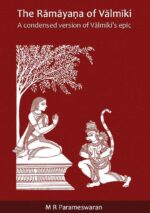
The Ramayana of Valmiki: A condensed version of Valmiki’s epic
₹340.00Author: M R Parameswaran
The world’s greatest epic poem Valmikiramayana, composed over 2,500 years ago, is loved by countless millions of men and women of all religions. The present book is the first condensed version in English of the most reliable version of Valmikiramayana, the Critical Edition prepared by Baroda Oriental Research Institute, India.
Interested readers may write to us at mup@manipal.edu about purchasing the book.Also available on
-
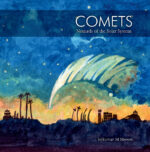
Comets – Nomads of the Solar System
₹290.00This book introduces the general reader to the world of comets – those celestial visitors from the outer Solar System that occasionally visit the Earth’s neighbourhood and put up spectacular shows in the night sky. The world had geared up for just such a show at the end of 2013, when Comet ISON was expected to light up the night sky. Using the occasion to bring the world of comets to those interested, this book is a delightful read about the quirky world of these unpredictable visitors. Apart from lucidly and accurately updating the reader about what comets are, where they come from, why is it that they assume the fantastic shapes they do etc. “Comets” also regales the reader with myths about comets in various cultural contexts, snippets about famous comets in the history of mankind, anecdotes on comet discoveries and discoverers, the bewildering procedures followed while naming comets and much more. The book takes a hard look at the hype surrounding the fiery expectations about Comet ISON an cautions the reader that, while there was a good chance of the comet blazing forth in the skies of December 2013, there was a realistic chance that the comet would not survive its close encounter with the Sun. Sadly, the pessimistic predictions came true and the comet disintegrated as it went around the Sun. As we wait for chance to throw us a Great Comet to gaze at in the future, “Comets: Nomads of the Solar System” is an excellent guide to prepare for the event!
Interested customers may write to us at mup@manipal.edu about purchasing the book.
Also available on
Be the first to review “Talat Mahmood – The Velvet Voice”
You must be logged in to post a review.